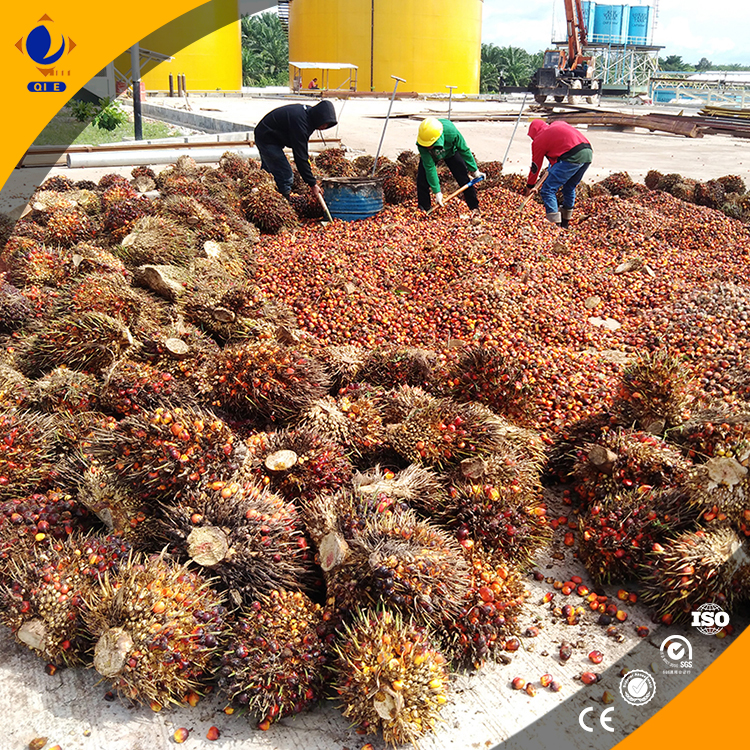
You're likely facing a common headache in the palm oil industry: the persistent high energy consumption in your palm oil mill. This issue not only inflates your operational costs but also contradicts the growing demand for sustainable and eco - friendly production. Let's delve into the core of this problem and explore effective solutions.
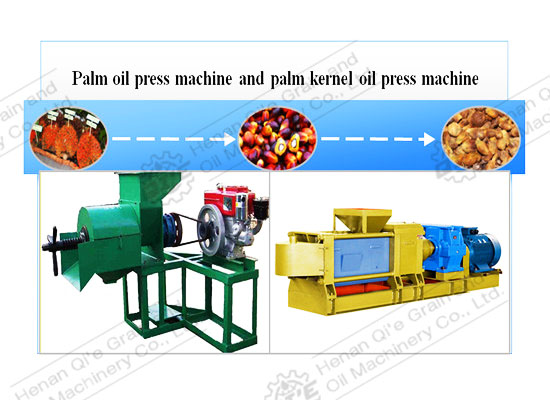
In the palm oil pressing process, there's an evident conflict between achieving high yields and keeping energy consumption in check. Traditional pressing methods often prioritize output, leading to excessive energy use. For instance, many mills blindly increase the rotation speed of their presses in an attempt to boost production, without realizing that this can significantly raise energy consumption.
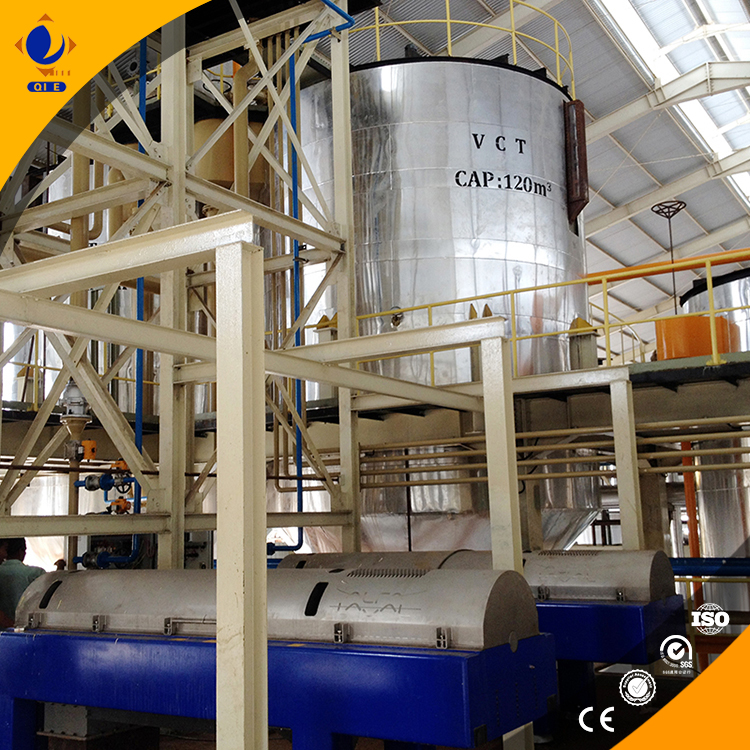
Traditional palm oil pressing techniques have several limitations when it comes to energy conservation. One major drawback is the lack of efficient heat recovery systems. A large amount of heat generated during the pressing process is wasted, which could otherwise be recycled to reduce energy input. Additionally, many mills neglect regular equipment maintenance, leading to increased friction and energy loss.
The first key technology is thermal energy recycling. By installing a heat recovery system, the heat produced during the pressing process can be captured and reused. This not only reduces the need for external energy sources but also improves the overall efficiency of the mill. For example, the recovered heat can be used to pre - heat the palm fruits before pressing, reducing the energy required for the actual pressing operation.
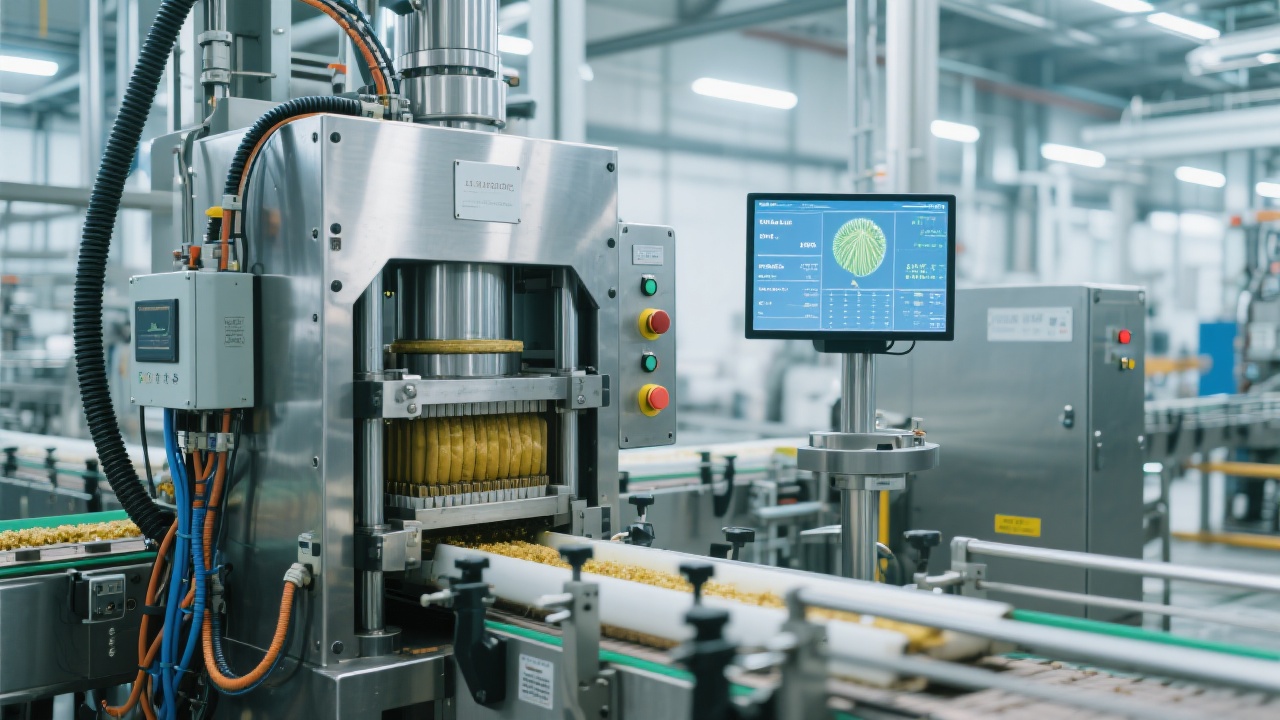
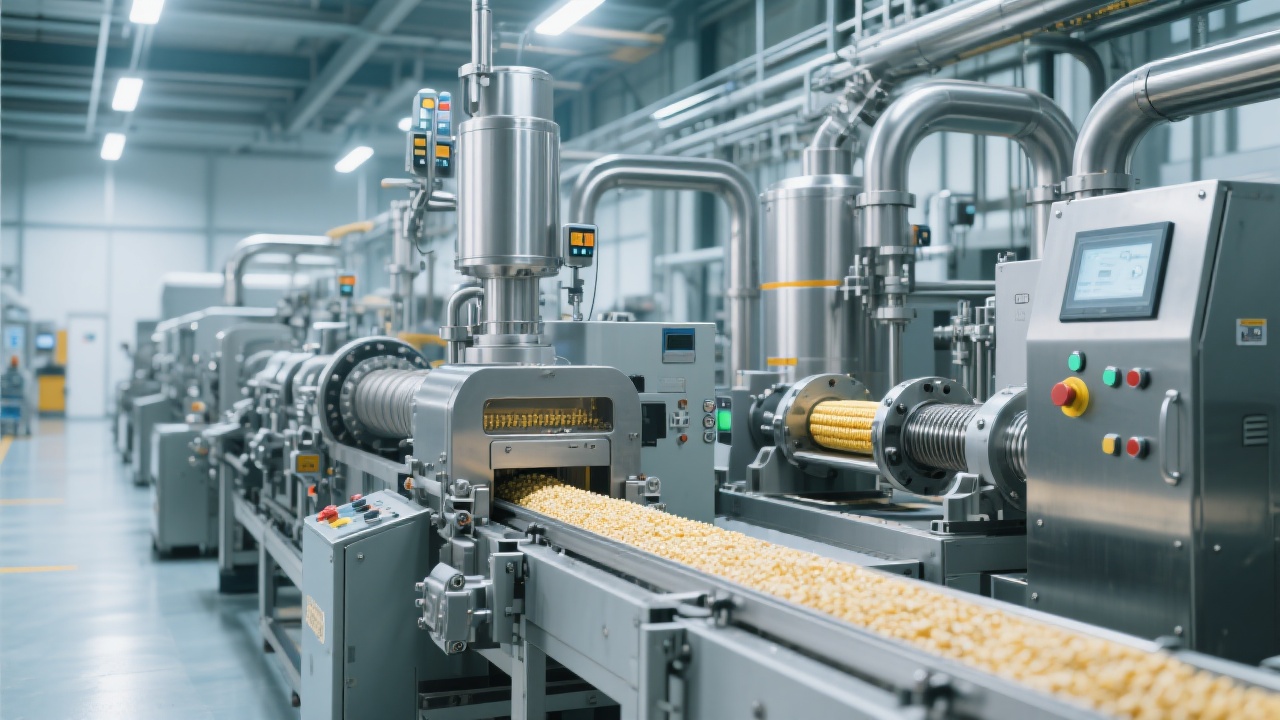
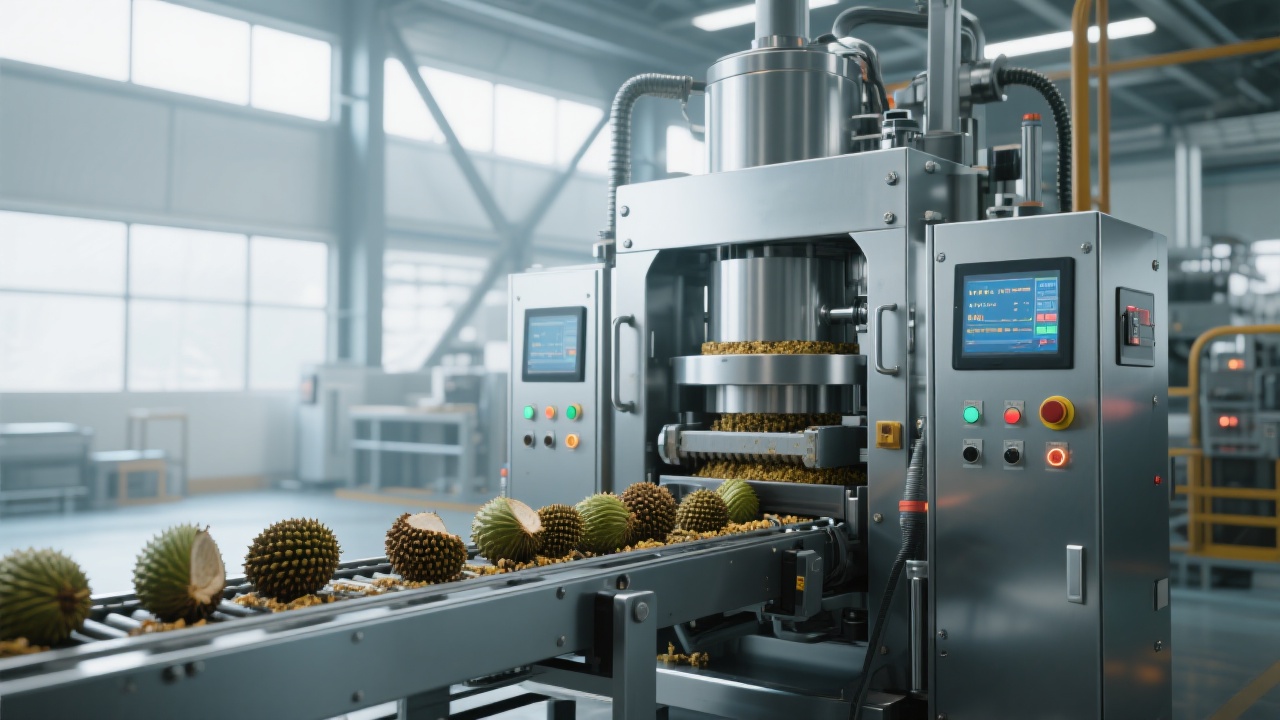
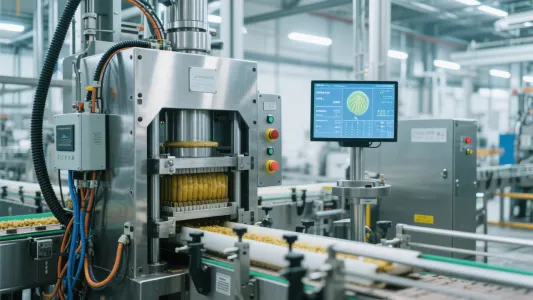
An intelligent control system is another crucial factor. It uses advanced automation and control logic to optimize the operation of the pressing equipment. The system can adjust the speed, pressure, and other parameters in real - time based on the input materials and production requirements, ensuring that the equipment operates at its most energy - efficient state.
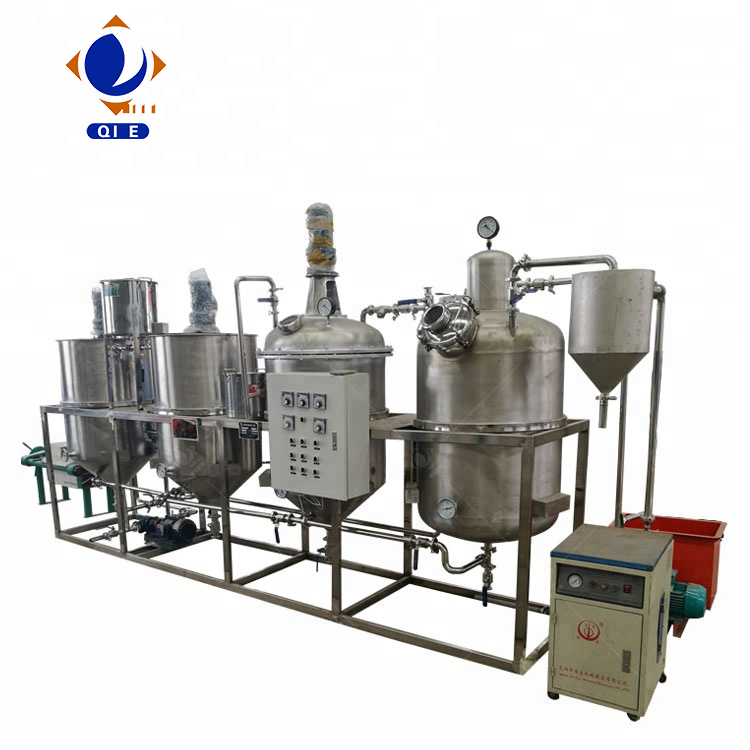
Structural optimization design focuses on improving the key components of the pressing equipment. By using high - performance materials and innovative designs, the friction and energy loss within the equipment can be minimized. This includes optimizing the shape of the pressing chamber and the design of the screw conveyor.
One of our clients implemented these three core technologies in their palm oil mill. After the upgrade, they achieved an 18% reduction in unit energy consumption while maintaining high production levels. This clearly demonstrates the effectiveness of these energy - saving technologies.
There are several common energy - saving misunderstandings in the palm oil industry. One is the over - reliance on increasing equipment speed. As mentioned earlier, this can lead to higher energy consumption. Another is the neglect of equipment maintenance. Regular maintenance can ensure that the equipment operates smoothly and efficiently, reducing energy waste.
Adhering to the ISO9001 standard is essential for the stable operation and long - term energy conservation of your palm oil mill. This standard ensures that your production processes are well - managed, which can lead to more consistent energy consumption and better overall performance. It also helps in identifying and eliminating inefficiencies in the production process.
Now that you have a better understanding of the energy - saving technologies and common mistakes in palm oil pressing, it's time to take action. To learn more about these technologies and how they can be applied to your mill, you can immediately obtain our technical whitepaper and master the energy - saving secrets.

 46
|
46
|
 palm oil refining equipment
energy-efficient palm oil processing
automated oil extraction technology
palm oil refining equipment
energy-efficient palm oil processing
automated oil extraction technology
 335
|
palm oil pressing equipment
automated oil press machine
304 stainless steel oil extraction system
palm oil processing line selection
efficient palm oil production unit
335
|
palm oil pressing equipment
automated oil press machine
304 stainless steel oil extraction system
palm oil processing line selection
efficient palm oil production unit
 185
|
efficient palm oil pressing equipment
palm oil production capacity increase
304 stainless steel palm oil press
palm oil processing plant Africa
high throughput palm oil machine
185
|
efficient palm oil pressing equipment
palm oil production capacity increase
304 stainless steel palm oil press
palm oil processing plant Africa
high throughput palm oil machine
 155
|
multi-functional peanut oil refining equipment
food safety compliant peanut oil refining solutions
small-scale oil mill refining technology
258
|
Crude palm oil refining equipment
Energy - saving and environmentally friendly palm oil equipment
PLC automatic control system
Palm oil production process
Refined oil energy - saving technology
155
|
multi-functional peanut oil refining equipment
food safety compliant peanut oil refining solutions
small-scale oil mill refining technology
258
|
Crude palm oil refining equipment
Energy - saving and environmentally friendly palm oil equipment
PLC automatic control system
Palm oil production process
Refined oil energy - saving technology