In the competitive landscape of vegetable oil processing, selecting the right fractionation equipment can significantly impact your production efficiency, product quality, and bottom line. This comprehensive guide explores the critical differences between continuous and batch fractionation systems, providing actionable insights to help processors make informed decisions that align with their operational needs.
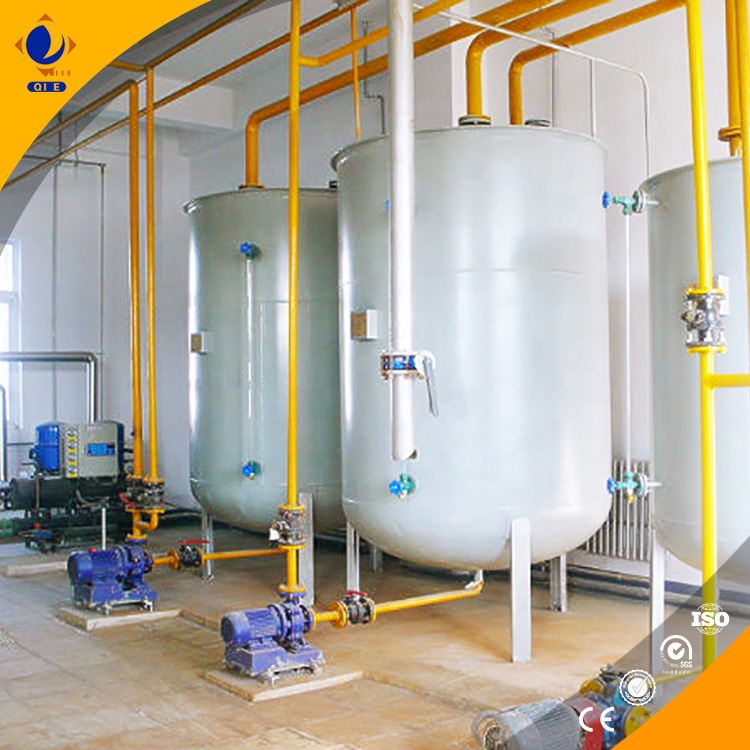
Vegetable oil fractionation is a sophisticated process that separates oils into distinct fractions based on their melting points, a critical step in producing high-value products like margarine, shortening, and specialty fats. The process typically involves four interconnected stages: pre-treatment, cooling crystallization, centrifugal separation, and solvent recovery.
"Modern fractionation technology can increase edible oil yield by 8-12% while reducing energy consumption by up to 15% compared to traditional methods," notes industry expert Dr. Marcus Chen from the International Edible Oil Institute.
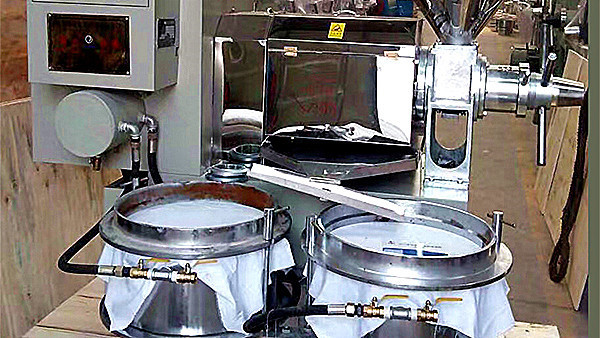
Choosing between continuous and batch fractionation systems requires careful evaluation of production volume, product flexibility, capital investment, and operational costs. Each technology offers distinct advantages depending on specific processing requirements.
| Performance Metric | Continuous System | Batch System |
|---|---|---|
| Production Capacity | High (50-500 tons/day) | Low to medium (5-50 tons/day) |
| Product Consistency | Excellent (±0.5% specification adherence) | Good (±2% specification adherence) |
| Energy Efficiency | Higher (15-20% lower energy consumption) | Moderate |
| Changeover Time | Long (4-8 hours) | Short (1-2 hours) |
| Capital Investment | Higher ($800K-$3M) | Lower ($200K-$800K) |
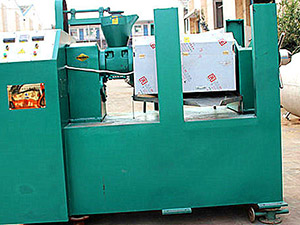
Continuous Fractionation Systems are ideal for large-scale operations producing consistent products with high throughput requirements. They excel in scenarios where:
Batch Fractionation Systems offer greater flexibility and lower initial investment, making them suitable for:
Regardless of system type, precise control of process parameters directly impacts product quality and yield. Temperature profiling during crystallization is particularly critical, with even 1°C deviations potentially affecting fractionation efficiency by 5-8%.
Expert Tip: For palm oil fractionation, the optimal cooling rate is 0.5-1°C per hour during the primary crystallization phase, followed by a 2-hour tempering period at 22-24°C to stabilize crystal formation.
Effective impurity removal is essential for maintaining equipment performance and product quality. Common contaminants include phospholipids, free fatty acids, and solid particles, which can cause crystal formation issues and reduce separation efficiency.
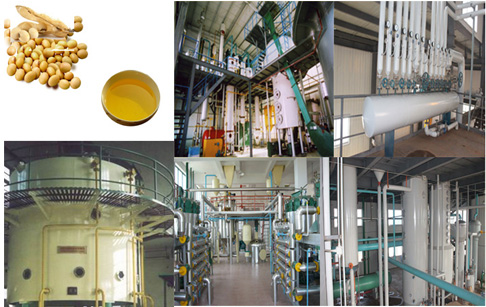
Even well-designed systems can encounter operational challenges. Here are solutions to frequently encountered problems:
Problem: Poor crystal formation leading to low separation efficiency
Solution: Adjust cooling rate to 0.8°C per hour and verify agitator speed (optimum 30-40 RPM). Check for refrigerant temperature stability.
Problem: High residual oil in stearin fraction (>5%)
Solution: Increase centrifugal force by 10-15% or extend separation time. Check for worn centrifuge bowl seals.
Problem: Inconsistent product quality between batches
Solution: Implement automated temperature control and establish SOPs for pre-treatment parameters. Consider upgrading to a Penguin Group continuous monitoring system for real-time process optimization.
Selecting the right fractionation equipment requires balancing technical requirements with business objectives. Start by conducting a thorough analysis of your current and projected production volumes, product portfolio, and quality standards. Consider both immediate needs and long-term growth plans, as equipment lifecycle typically ranges from 10-15 years.
For processors seeking to optimize their operations, Penguin Group offers comprehensive vegetable oil fractionation consulting services to evaluate your specific requirements and recommend the most suitable system configuration. Our team of process engineers can conduct detailed feasibility studies, including ROI projections and equipment performance modeling, to ensure your investment delivers maximum returns.
Download our exclusive Fractionation Equipment Selection Guide featuring detailed technical specifications and ROI calculators
Get Your Free Guide NowThe information provided in this guide is based on industry best practices and technical data from leading fractionation equipment manufacturers. Individual results may vary based on specific operating conditions and raw material characteristics. Always consult with qualified process engineers before making equipment investment decisions.

 404
|
404
|
 palm fruit preprocessing equipment
corrosion-resistant materials for agro-processing
automatic control systems in oil palm mills
extreme climate agricultural machinery
palm oil processing optimization
palm fruit preprocessing equipment
corrosion-resistant materials for agro-processing
automatic control systems in oil palm mills
extreme climate agricultural machinery
palm oil processing optimization
 370
|
palm kernel oil refining automation
refining equipment stability
oil processing automation systems
palm oil production optimization
intelligent control in oil refining
33
|
Palm oil refining automation
PLC control system
Food - grade production standards
Remote monitoring and maintenance
Intelligent grain and oil machinery
370
|
palm kernel oil refining automation
refining equipment stability
oil processing automation systems
palm oil production optimization
intelligent control in oil refining
33
|
Palm oil refining automation
PLC control system
Food - grade production standards
Remote monitoring and maintenance
Intelligent grain and oil machinery
 169
|
palm kernel oil refining equipment
equipment core component materials
automated control system
oil processing equipment
equipment selection for small and medium - sized oil mills
86
|
intelligent remote maintenance
automation control system
PLC control
palm oil refining equipment
quality traceability
169
|
palm kernel oil refining equipment
equipment core component materials
automated control system
oil processing equipment
equipment selection for small and medium - sized oil mills
86
|
intelligent remote maintenance
automation control system
PLC control
palm oil refining equipment
quality traceability