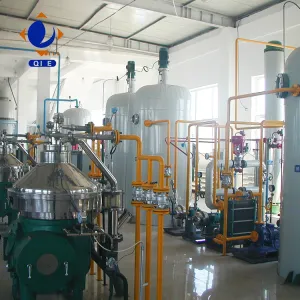
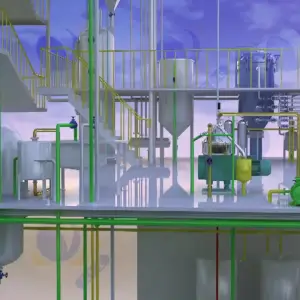
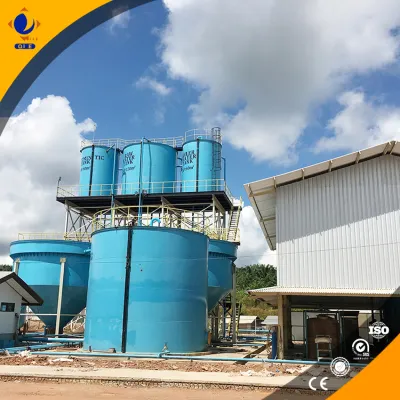
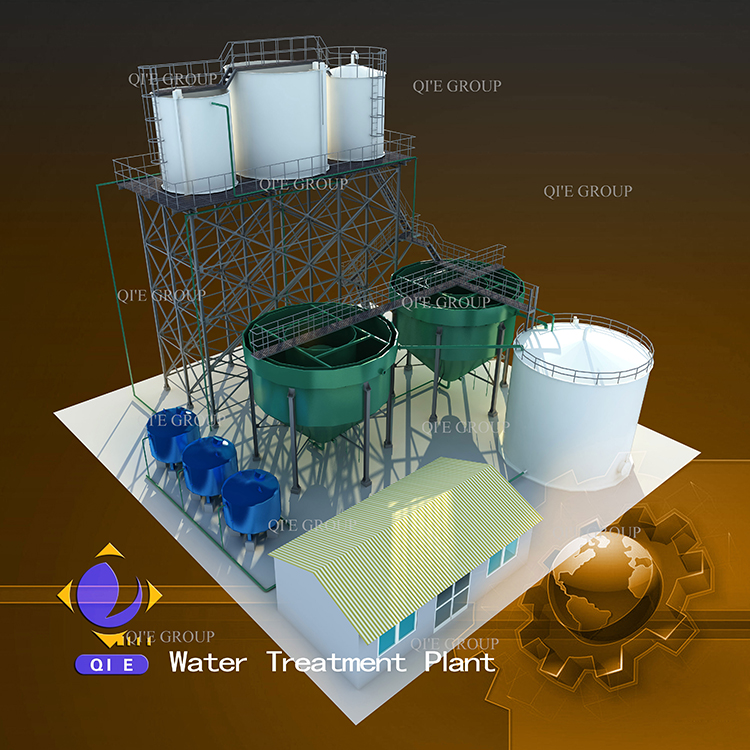
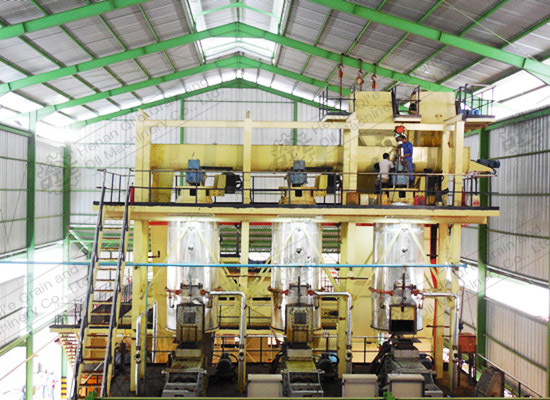
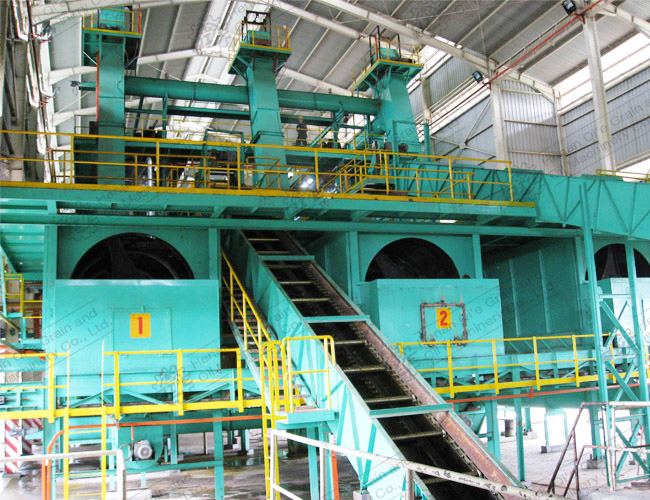
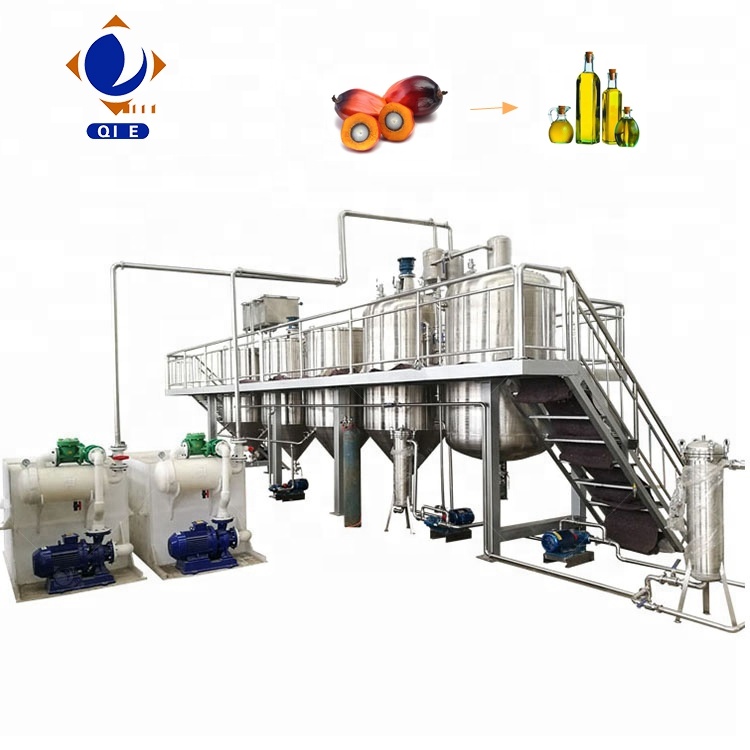
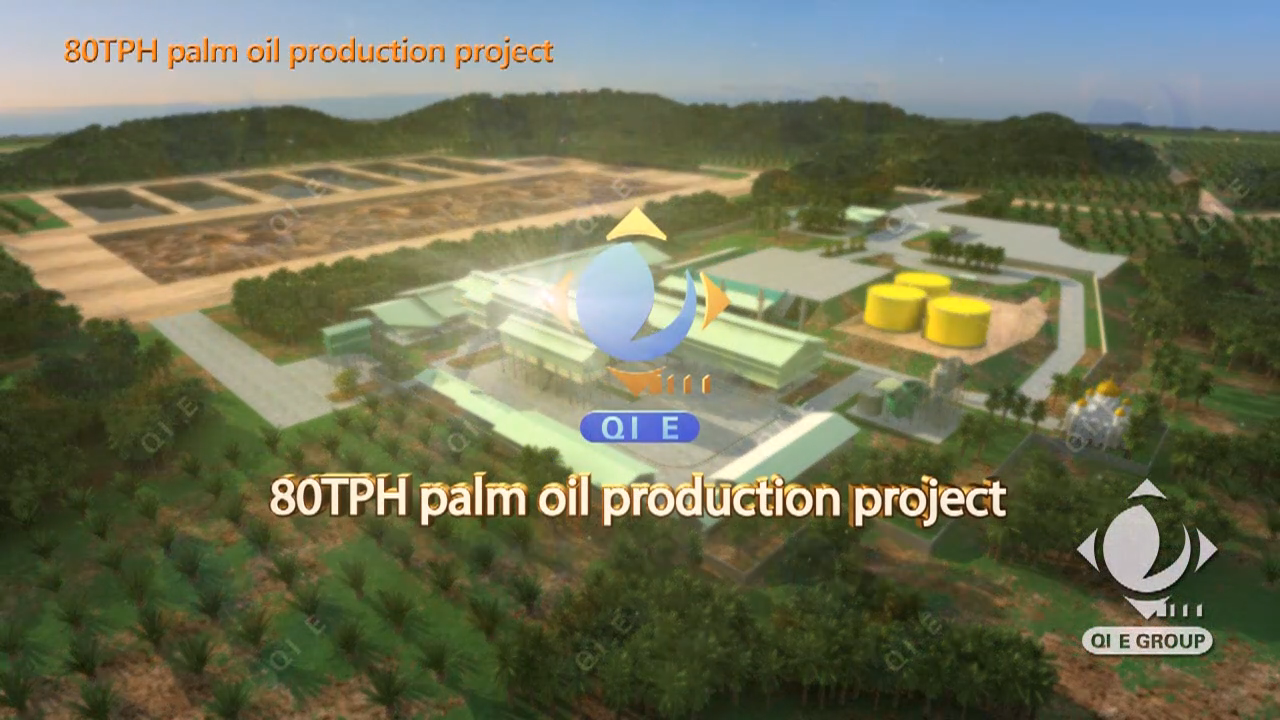
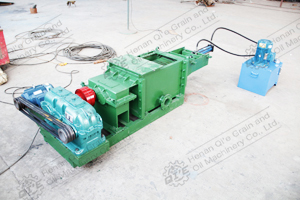
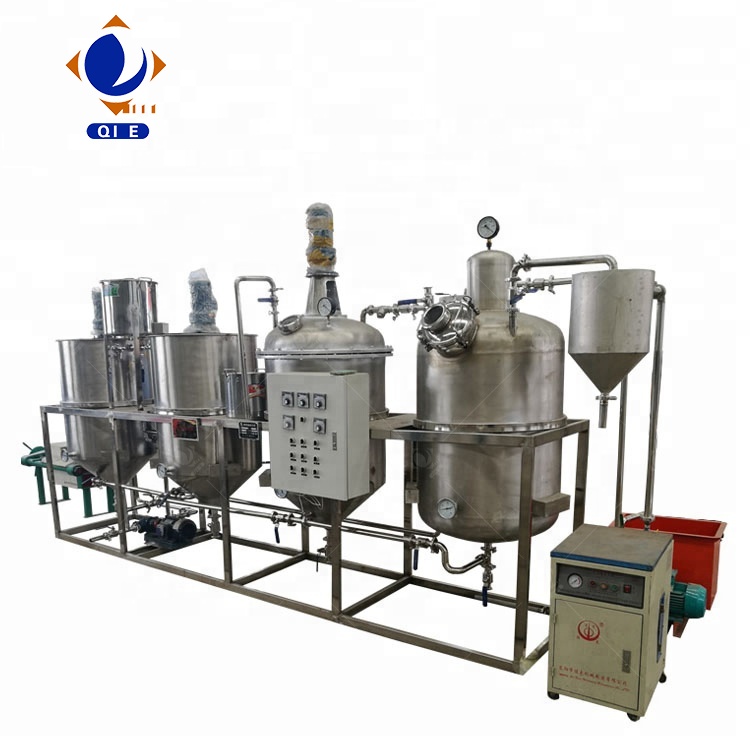
In the era of rapid technological advancement, traditional oil mills are facing the imperative of transformation. QIE Group 2024 new - technology palm oil unit offers a revolutionary solution through its core automated control system. This article delves deep into the key aspects of this system, aiming to provide practical guidance for traditional oil mills to transition to intelligent manufacturing.
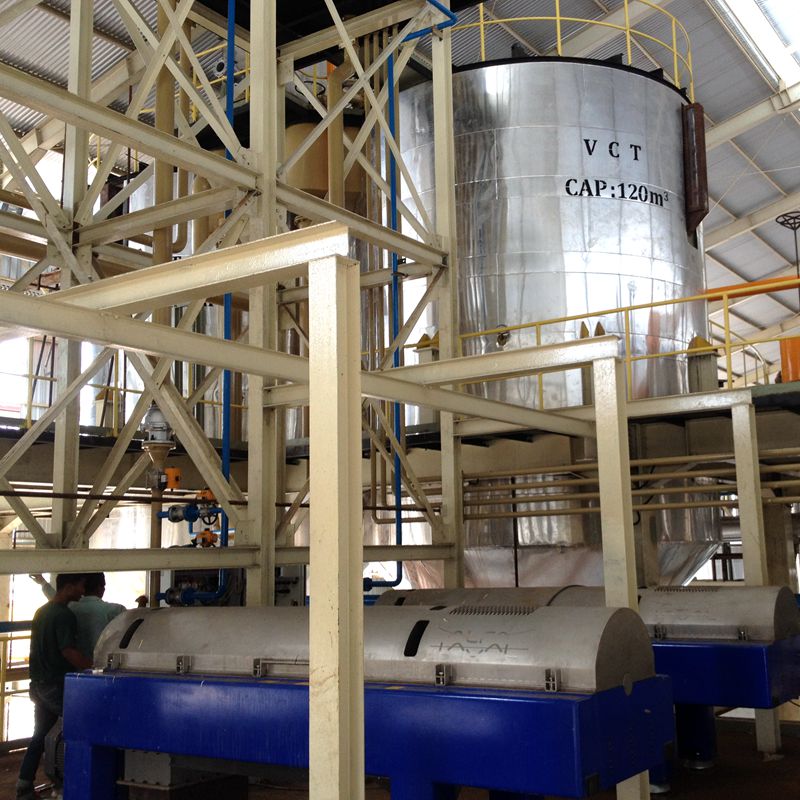
The Programmable Logic Controller (PLC) control technology plays a crucial role in the palm oil pressing line. It is responsible for monitoring and adjusting critical production parameters such as pressing pressure, temperature, and motor speed. For example, in a typical palm oil production process, the PLC system can precisely control the pressing pressure within a range of 10 - 15 MPa, ensuring optimal oil extraction efficiency. By continuously monitoring the temperature, it can maintain the processing temperature at around 60 - 70 degrees Celsius, which is conducive to the quality of the palm oil.
The application of PLC technology significantly enhances the stability of equipment operation. According to relevant data, in oil mills that have adopted the PLC - controlled palm oil pressing line, the equipment failure rate has been reduced by 30%. This not only saves maintenance costs but also ensures continuous production.
The automated system effectively reduces human errors in the production process. In traditional palm oil production, manual operation often leads to inconsistent product quality due to factors such as fatigue and inexperience. However, with the automated system, the production process is standardized. For instance, in the parameter setting and adjustment stage, the automated system can respond within 1 - 2 seconds, while manual operation may take several minutes, greatly shortening the response time.
A real - world case shows that an oil mill that implemented the automation transformation increased its daily production capacity from 50 tons to 70 tons, a significant increase of 40%. This is mainly because the automated system can optimize the production process, reduce idle time, and improve the overall efficiency of the production line.
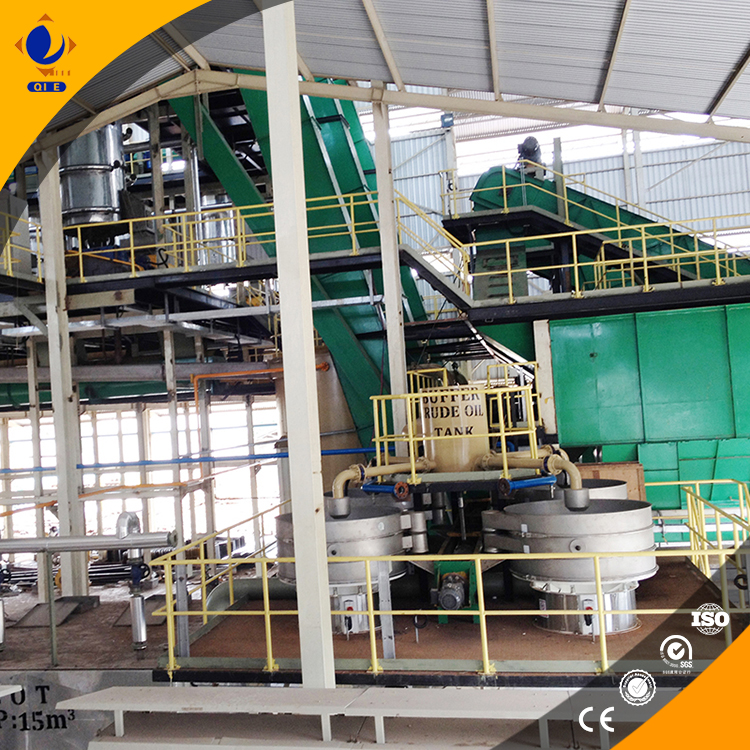
In addition to improving production efficiency, the automated palm oil pressing line also has remarkable energy - saving and emission - reduction effects. Through real - time data monitoring and intelligent control, the system can adjust the power consumption of equipment according to the actual production situation. For example, in a certain oil mill, after the implementation of the automation transformation, the electricity consumption per ton of palm oil production was reduced by 20%, and the emission of waste gas and wastewater was also significantly reduced.
The data monitoring function of the automated system is also of great importance. It can record and analyze various production data, providing a basis for continuous improvement and optimization of the production process. For example, by analyzing the relationship between production parameters and energy consumption, managers can find the most energy - efficient production mode.
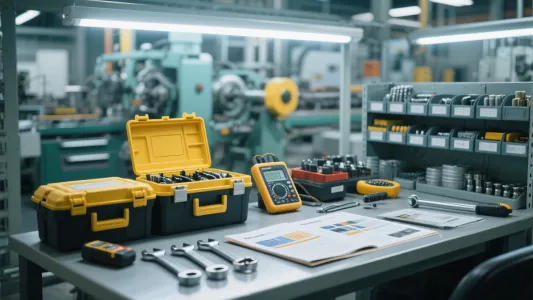
For production managers and technical personnel, mastering the application of intelligent oil - pressing equipment is essential. QIE Group provides detailed operation guides and technical advice. For example, in the start - up and shutdown process of the equipment, it provides clear step - by - step instructions. In terms of equipment maintenance, it offers regular maintenance schedules and troubleshooting methods.
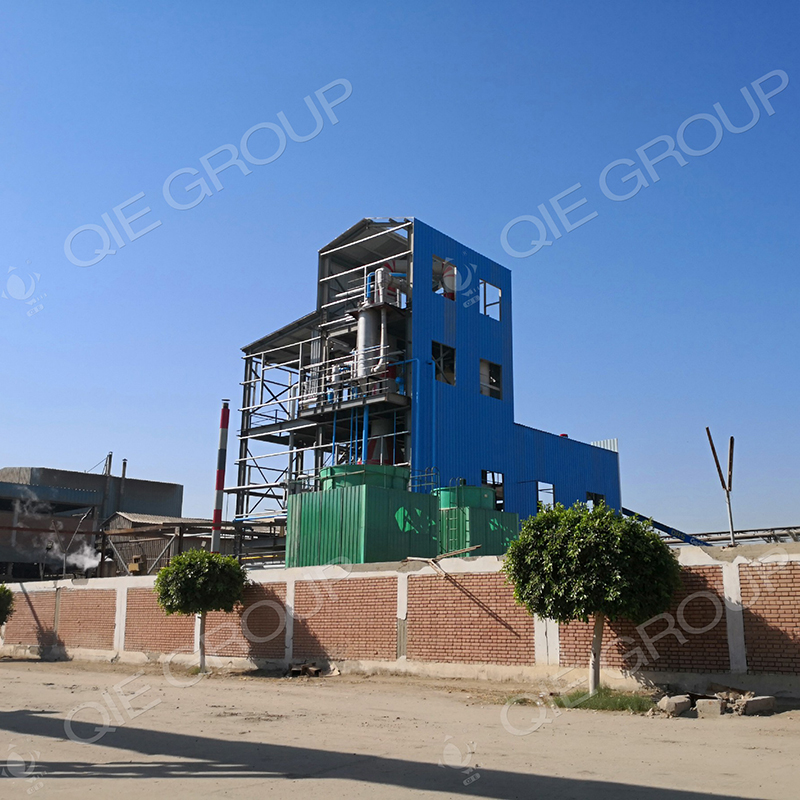
In conclusion, QIE Group high - efficiency automated oil - pressing equipment and one - stop technical service solutions provide a comprehensive and reliable choice for traditional oil mills to transition to intelligent manufacturing. If you are interested in learning more about how to transform your oil mill into an intelligent production base, click here to explore QIE Group one - stop automation solutions.
 212
|
212
|
 palm oil refining equipment
energy-efficient refining system
automated PLC control palm oil
palm oil refining equipment
energy-efficient refining system
automated PLC control palm oil
 407
|
palm oil pressing troubleshooting
palm oil equipment operation guide
palm oil production line maintenance
automated oil extraction equipment
palm oil pressing process optimization
407
|
palm oil pressing troubleshooting
palm oil equipment operation guide
palm oil production line maintenance
automated oil extraction equipment
palm oil pressing process optimization
 287
|
palm oil refining equipment
high-efficiency refining systems
automated PLC control for palm oil processing
287
|
palm oil refining equipment
high-efficiency refining systems
automated PLC control for palm oil processing
 379
|
palm crude oil refining equipment
PLC control system
energy conservation
palm oil processing
refining technology
379
|
palm crude oil refining equipment
PLC control system
energy conservation
palm oil processing
refining technology
 317
|
PLC control in palm oil processing
palm oil press temperature regulation
automated oil extraction system
energy-efficient palm oil machinery
industrial automation for edible oils
317
|
PLC control in palm oil processing
palm oil press temperature regulation
automated oil extraction system
energy-efficient palm oil machinery
industrial automation for edible oils