For small and medium-sized oil processing enterprises, selecting the right refining equipment is a crucial decision that directly impacts production efficiency, product quality, and long-term profitability. This article delves into the key technical considerations and performance indicators that these enterprises should focus on when purchasing refining equipment, aiming to provide a comprehensive guide for making informed decisions.
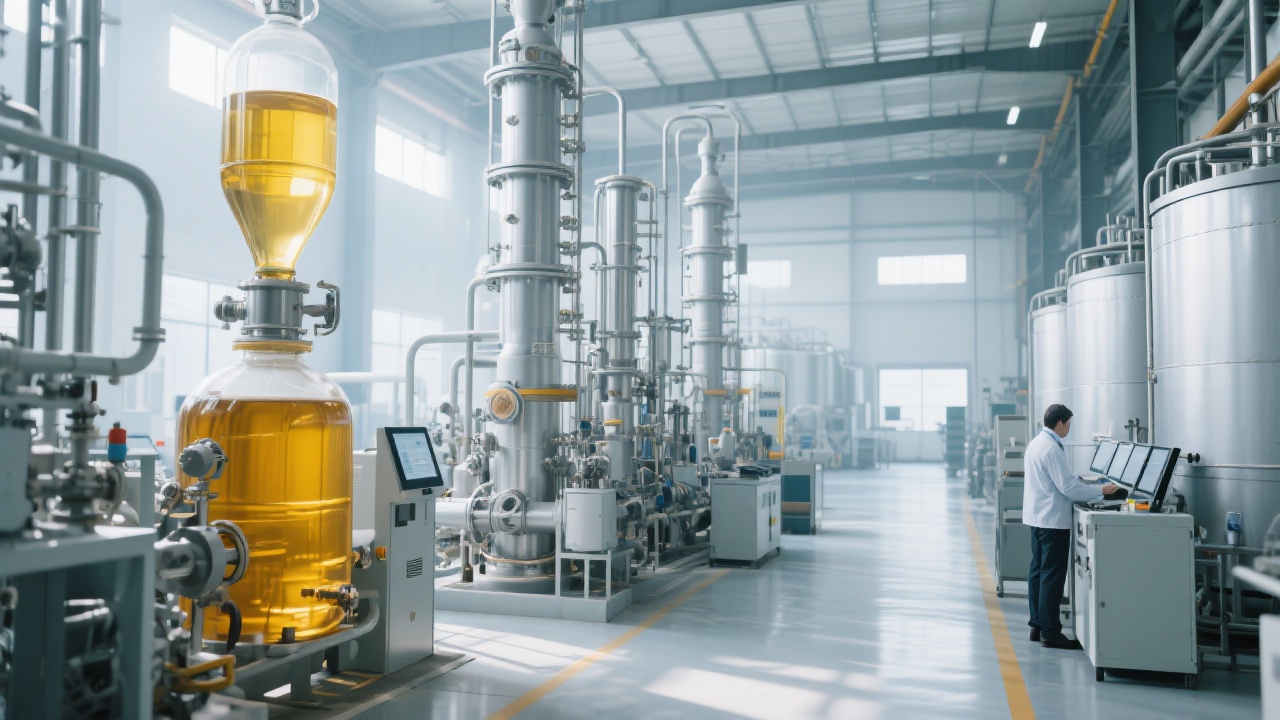
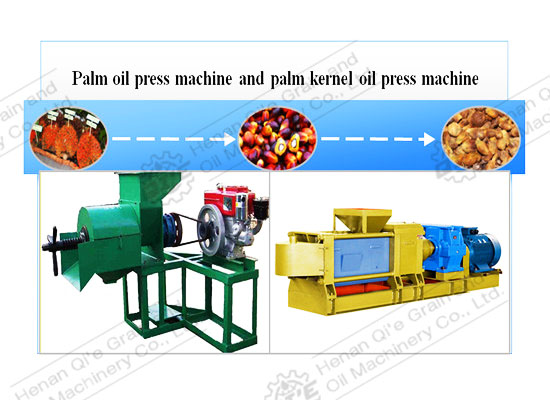
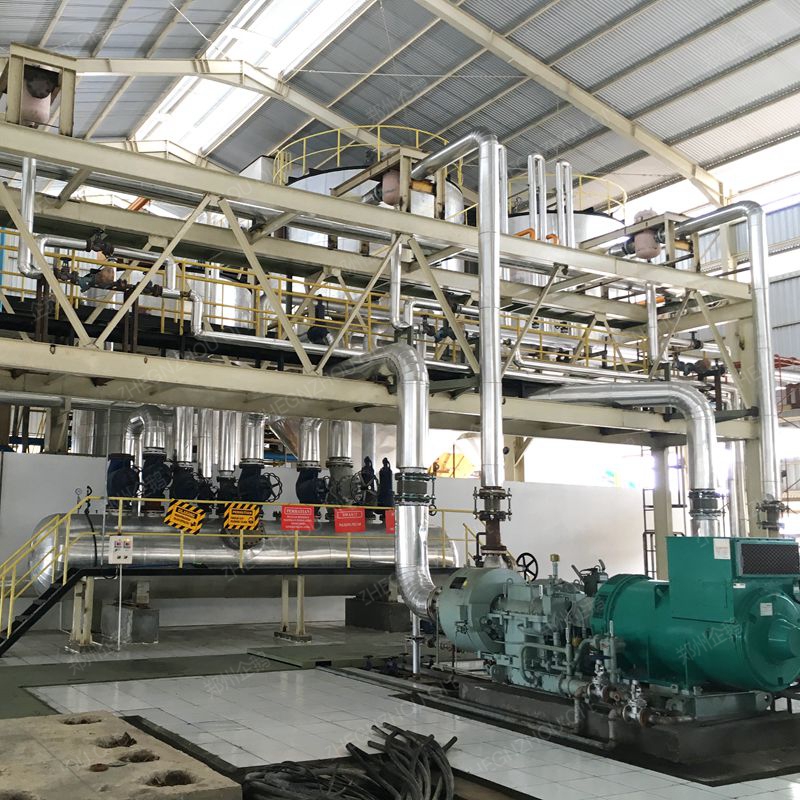
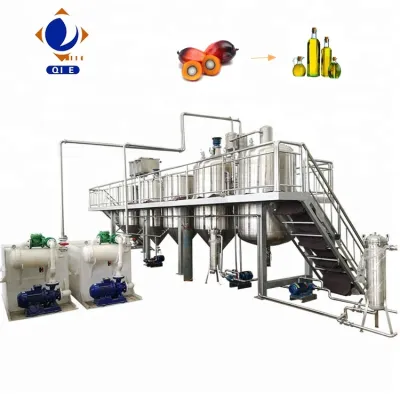
The production capacity of refining equipment is directly related to the enterprise's production planning and product quality improvement. According to industry data, small and medium-sized oil processing enterprises typically have an annual production capacity ranging from 5,000 to 50,000 tons. When choosing equipment, enterprises need to ensure that the production capacity of the equipment matches their production scale. For example, a small enterprise with an annual production capacity of 5,000 tons may choose equipment with a daily processing capacity of 15 - 20 tons. This not only helps to optimize production capacity but also ensures the stability of product quality. As shown in Figure 1 (IMAGE-URL1, Alt: Comparison of production capacity and product quality of different refining equipment), a reasonable production capacity configuration can significantly improve the purity of the oil product, thereby enhancing market competitiveness.
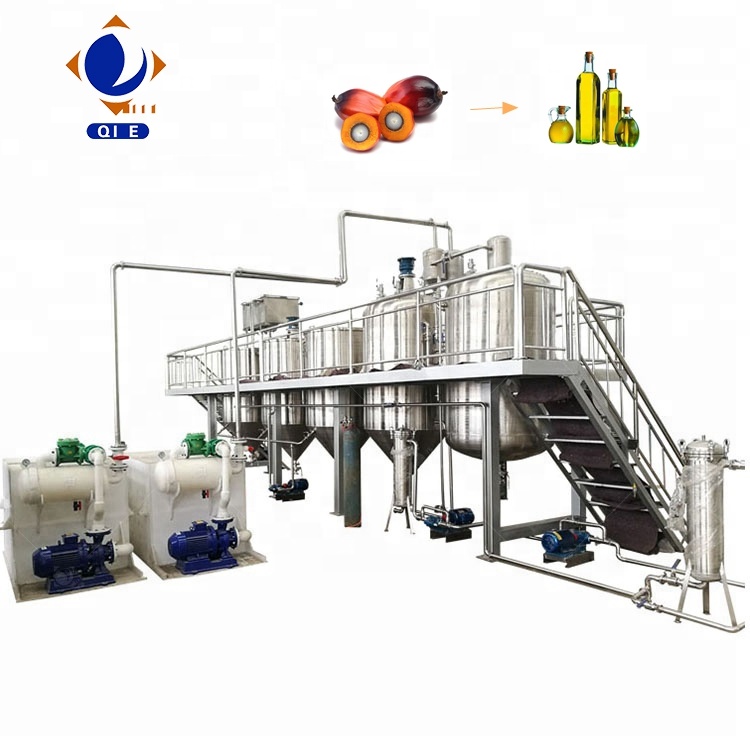
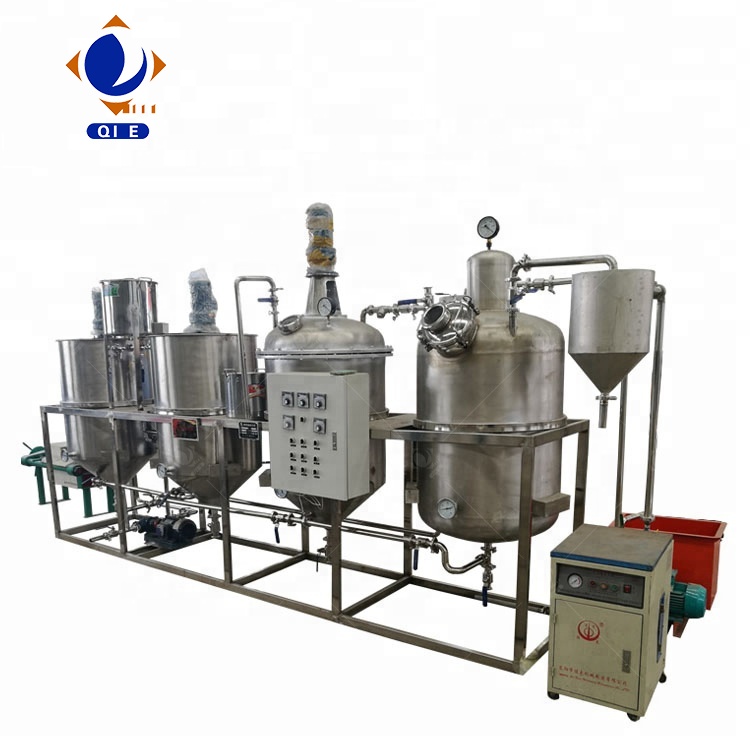
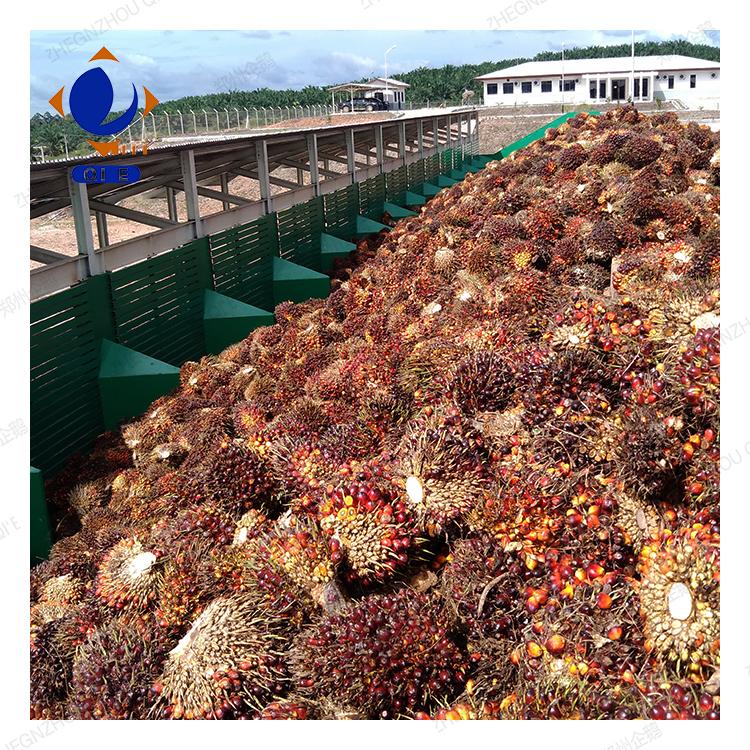
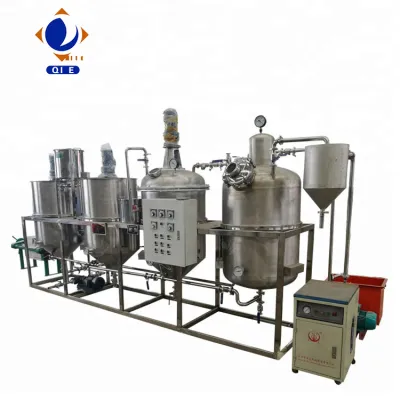
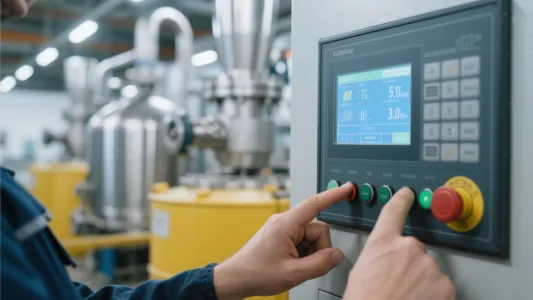
The automated control system is one of the core features of modern refining equipment. It brings many advantages to the production process, especially in terms of operational convenience and production safety. An automated system can reduce human intervention, thereby minimizing the risk of human error. According to statistics, enterprises using automated refining systems can reduce production accidents by up to 30%. Moreover, the automated system can continuously monitor and adjust the production process, ensuring the stability of product quality. For example, it can automatically adjust parameters such as temperature and pressure according to the production process requirements, making the operation more convenient and efficient. As shown in Figure 2 (IMAGE-URL2, Alt: Advantages of automated control systems in refining equipment), the automated control system plays a vital role in improving production efficiency and safety.
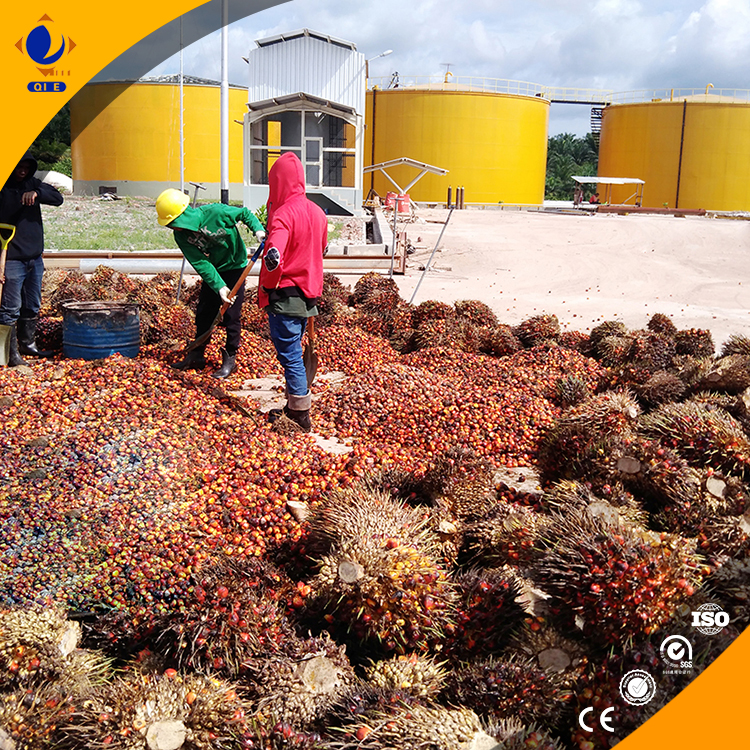
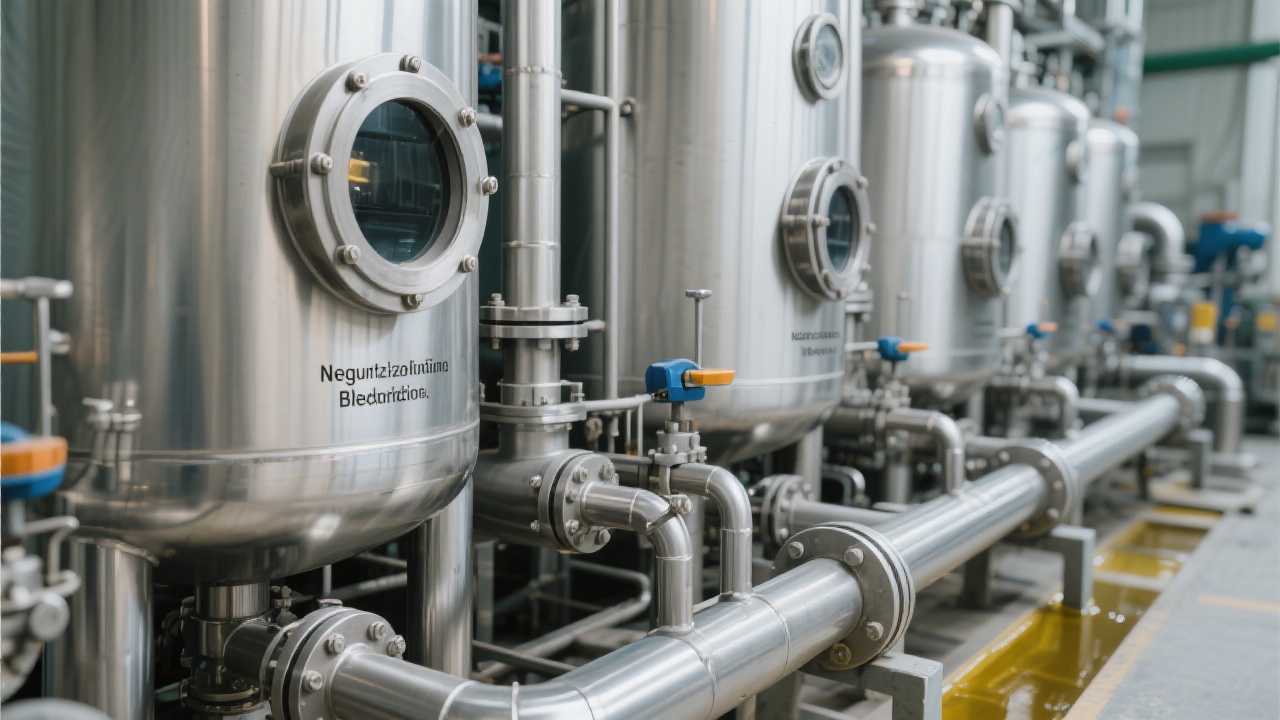
The materials and brands of core components such as pumps, gears, and bearings have a significant impact on the stability and service life of the equipment. High - quality components made of superior materials can ensure the long - term stable operation of the equipment. For example, using high - grade stainless steel for pumps can improve corrosion resistance and extend the service life of the equipment. Industry research shows that equipment using well - known brand core components can reduce maintenance frequency by up to 40% and extend the service life by 2 - 3 years. Therefore, when purchasing equipment, enterprises should pay attention to the materials and brands of these core components to ensure the stability and durability of the equipment.
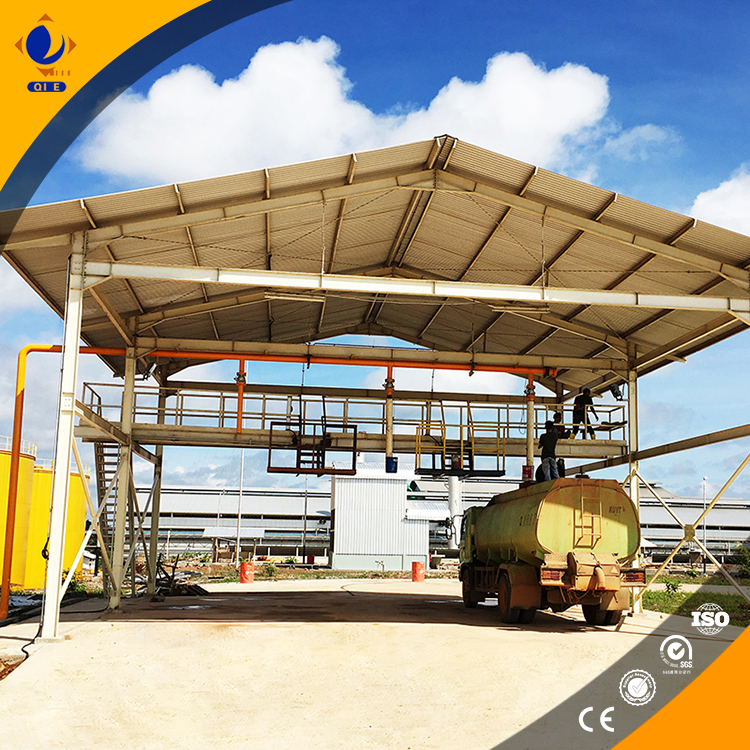
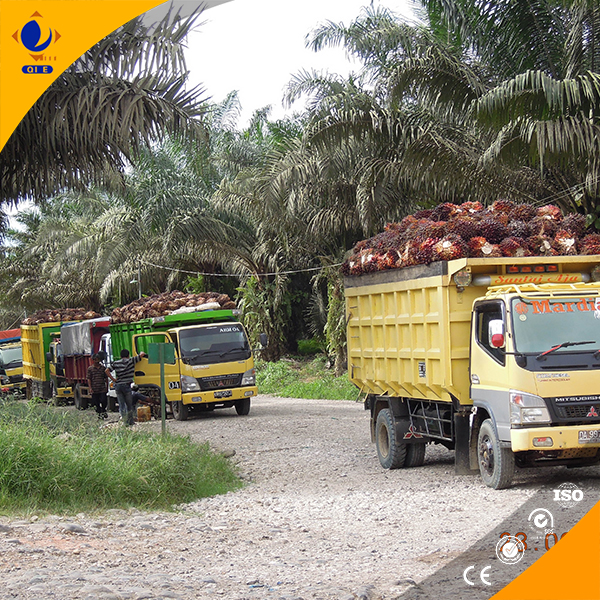
The ISO9001 quality management system is an important guarantee for standardizing the production process and controlling risks. Enterprises that comply with the ISO9001 standard can ensure that their production processes are standardized and traceable. This helps to reduce production risks and improve product quality. According to relevant data, enterprises implementing the ISO9001 quality management system can reduce production waste by up to 20% and improve customer satisfaction by up to 15%. As shown in Figure 3 (IMAGE-URL3, Alt: Role of ISO9001 quality management system in refining equipment production), the ISO9001 quality management system provides a solid foundation for the long - term development of enterprises.
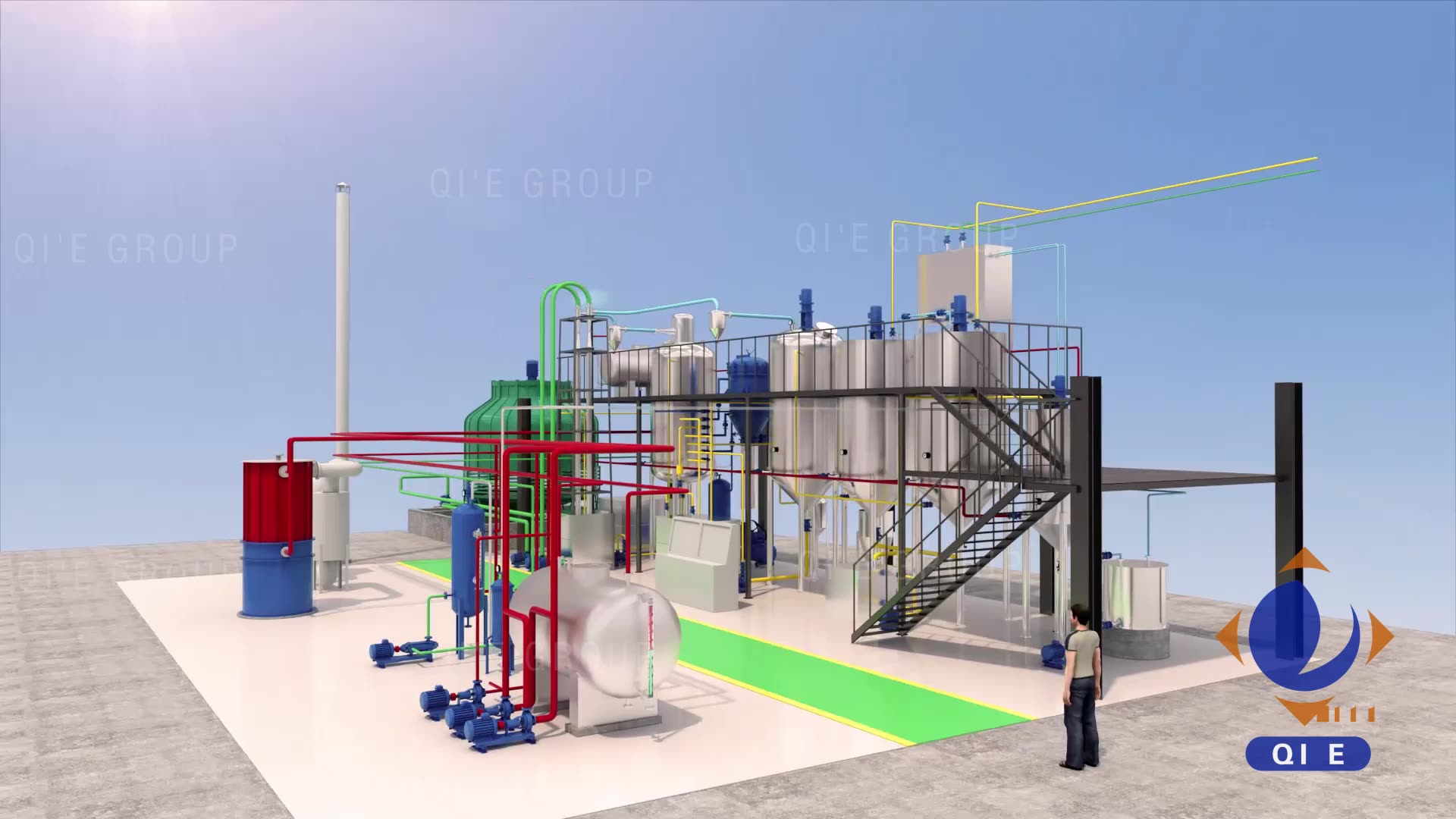
Comprehensive design, installation, and after - sales technical services are crucial for ensuring production safety and investment returns. Professional design and installation services can ensure that the equipment is properly installed and commissioned, reducing the risk of early failures. In addition, high - quality after - sales technical services can provide timely support and maintenance, ensuring the long - term stable operation of the equipment. Enterprises should choose suppliers that can provide comprehensive services to ensure the smooth progress of production and maximize investment returns.
To help small and medium - sized oil processing enterprises make more scientific decisions, here are five key technical questions to ask before purchasing refining equipment: 1. What is the actual production capacity of the equipment and how does it match my production scale? 2. What are the advantages of the automated control system and how does it improve operational convenience and safety? 3. What are the materials and brands of the core components and how do they affect the stability and service life of the equipment? 4. Does the equipment comply with the ISO9001 quality management system and how does it ensure production standardization and risk control? 5. What kind of design, installation, and after - sales technical services can the supplier provide?
By asking these questions, enterprises can more comprehensively evaluate the performance of the equipment, optimize production capacity configuration, and improve the purity of oil products and market competitiveness. If you want to learn more about refining equipment selection, get the "Refining Equipment Selection Self - Check Sheet".

 355
|
355
|
 Palm kernel oil production equipment selection
5 - 500 tons per day capacity configuration
Palm kernel oil extraction and refining equipment
Automated oil production equipment
Installation guide for grain and oil processing equipment
Palm kernel oil production equipment selection
5 - 500 tons per day capacity configuration
Palm kernel oil extraction and refining equipment
Automated oil production equipment
Installation guide for grain and oil processing equipment
 394
|
palm oil extraction process
automated oil press machine
304 stainless steel equipment
energy-efficient palm oil processing
oil yield optimization
394
|
palm oil extraction process
automated oil press machine
304 stainless steel equipment
energy-efficient palm oil processing
oil yield optimization
 175
|
palm oil refining equipment
PLC control system
automated grain and oil machinery
intelligent monitoring system
food-grade production standards
175
|
palm oil refining equipment
PLC control system
automated grain and oil machinery
intelligent monitoring system
food-grade production standards
 246
|
palm fruit moisture control
non-standard palm oil processing equipment
palm fruit pre-treatment technology
oil yield optimization
humidity-resistant processing systems
246
|
palm fruit moisture control
non-standard palm oil processing equipment
palm fruit pre-treatment technology
oil yield optimization
humidity-resistant processing systems
 468
|
Palm kernel oil equipment installation specifications
Palm kernel oil extraction equipment selection
Refining equipment safety standards
Oil processing equipment commissioning
Automated oil mill construction guide
468
|
Palm kernel oil equipment installation specifications
Palm kernel oil extraction equipment selection
Refining equipment safety standards
Oil processing equipment commissioning
Automated oil mill construction guide