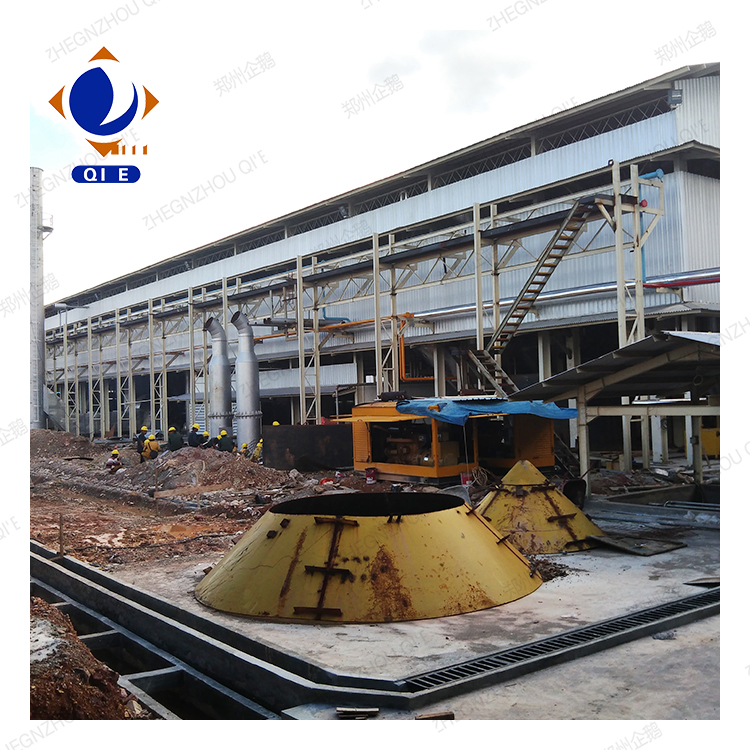
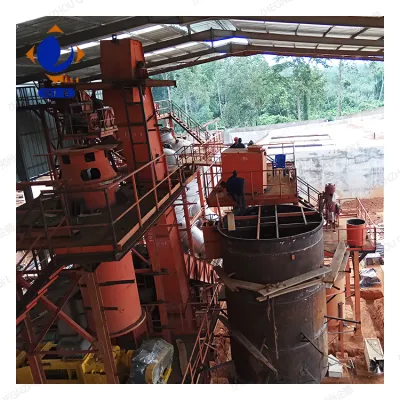
South America's rainy season presents unique technical challenges for palm oil producers. Variability in palm fruit moisture content—often fluctuating between 50% and 70%—significantly impacts pressing stability, leading to reduced oil yield and inconsistent product quality. Traditional steam cooking processes, designed for more uniform moisture profiles commonly found in Asian or African harvests, struggle to maintain operational efficiency under these conditions. This article unpacks a tested three-step optimization approach to steam cooking temperature curves, validated by QIE Group’s extensive experience in overseas projects, which successfully stabilizes palm oil extraction in high-moisture environments.
Palm fruits harvested in tropical Asia typically exhibit stable moisture content near 60%, whereas African regions show moderate variability spanning 55% to 65%. However, in South America, especially during the rainy season, moisture spikes can reach 70% or more, introducing challenges in heat transfer and steam penetration during pre-treatment.
| Region | Average Moisture Content (%) | Moisture Fluctuation Range (%) |
|---|---|---|
| Tropical Asia | 60 | ±5 |
| Sub-Saharan Africa | 60 | ±10 |
| South America (Rainy Season) | 65 | ±15 |
These differences necessitate adaptive processing techniques for each region. Particularly, the increased moisture in South American palm fruit demands nuanced steam cooking protocols to prevent inefficiencies such as heat loss, equipment clogging, and suboptimal oil release.
QIE Group approach integrates precision temperature control at each stage of the steam cooking process. The three key elements of this methodology include:
By integrating sensors that monitor initial palm fruit moisture content, operators can set preheating temperatures to optimal ranges (~85–95°C) that avoid premature thermal damage while beginning effective moisture evaporation.
Automated systems adjust steam pressure and flow rates in real-time to respond to ongoing moisture level fluctuations. This ensures uniform heat distribution and prevents undercooking or overheating, which traditionally cause blockages and oil separation inconsistency.
The heating curve is divided into stages, rising gradually from preheat to full cook temperature (~115–125°C) in controlled increments. This tact avoids rapid temperature spikes that can induce focal burning or equipment fouling.
Implementation of these steps has shown remarkable performance improvements. In a recent case study at a Brazilian palm oil processing plant, adoption of this optimized steam cooking curve yielded:
Customer Case Brief: “After integrating QIE Group’s steam temperature curve customization and upgrading parts to 304 stainless steel combined with an automatic temperature feedback system, our processing line’s stability during the rainy season improved dramatically. Oil yields increased by 8%, and unplanned stoppages were slashed by over half.” – Operations Manager, Brazilian Plant
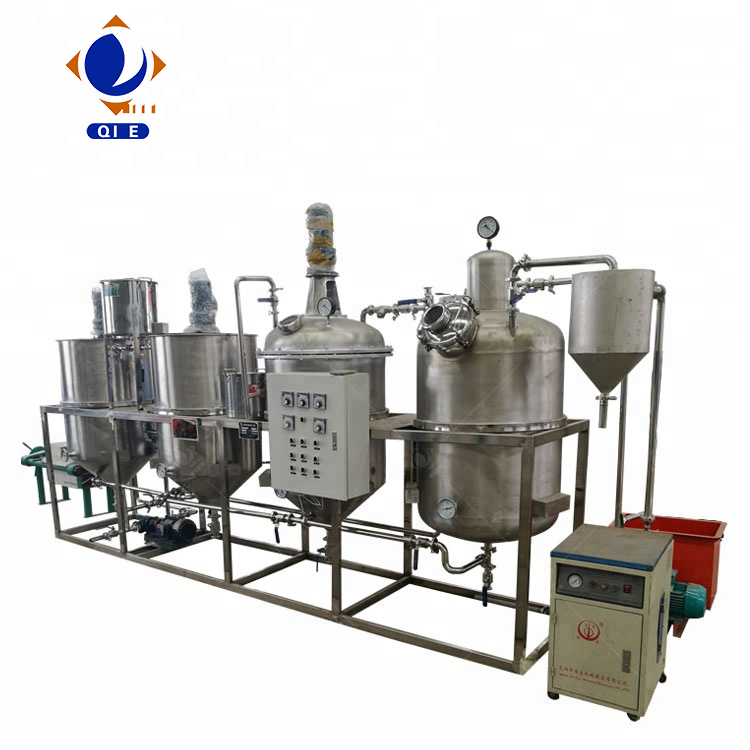
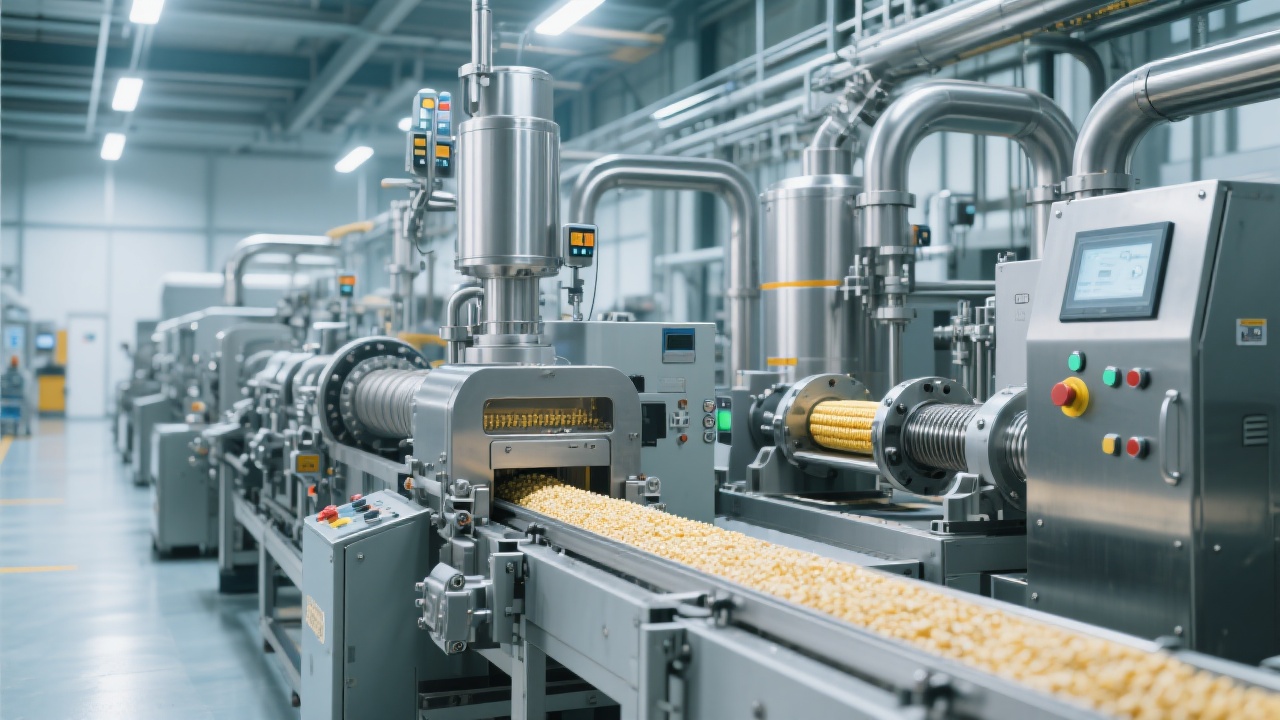
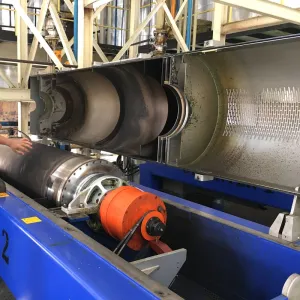
To match the rigors of high-humidity processing, the equipment incorporates non-standard designs using 304-grade stainless steel components, renowned for corrosion resistance and ease of cleaning. Coupled with fully automated feedback loops that adjust temperature curves dynamically based on real-time sensor data, this ensures optimal thermal efficiency and mechanical reliability.
To assist operators on-site, QIE Group developed a simplified fault diagnosis checklist ensuring rapid response to common steam cooking issues:
This logic tree streamlines maintenance efforts and reduces downtime—a critical factor during peak harvesting periods.

 308
|
308
|
 palm oil refining equipment
efficient palm oil processing equipment
fully automated PLC control system
energy-efficient refining equipment
palm oil processing enterprise benefit enhancement
palm oil refining equipment
efficient palm oil processing equipment
fully automated PLC control system
energy-efficient refining equipment
palm oil processing enterprise benefit enhancement
 113
|
crude palm oil refining equipment
energy-efficient equipment
PLC automated control
palm oil processing equipment
production cost reduction
113
|
crude palm oil refining equipment
energy-efficient equipment
PLC automated control
palm oil processing equipment
production cost reduction
 479
|
Automation control system
Palm oil pressing
PLC control
Energy saving and consumption reduction
Intelligent manufacturing
479
|
Automation control system
Palm oil pressing
PLC control
Energy saving and consumption reduction
Intelligent manufacturing
 159
|
palm oil extraction technology
automatic palm oil press equipment
energy-efficient oil pressing machinery
304 stainless steel榨油设备
palm kernel oil processing optimization
159
|
palm oil extraction technology
automatic palm oil press equipment
energy-efficient oil pressing machinery
304 stainless steel榨油设备
palm kernel oil processing optimization
 222
|
palm fruit preprocessing
extreme climate resistant equipment
palm oil production optimization
automated control systems
equipment maintenance troubleshooting
222
|
palm fruit preprocessing
extreme climate resistant equipment
palm oil production optimization
automated control systems
equipment maintenance troubleshooting