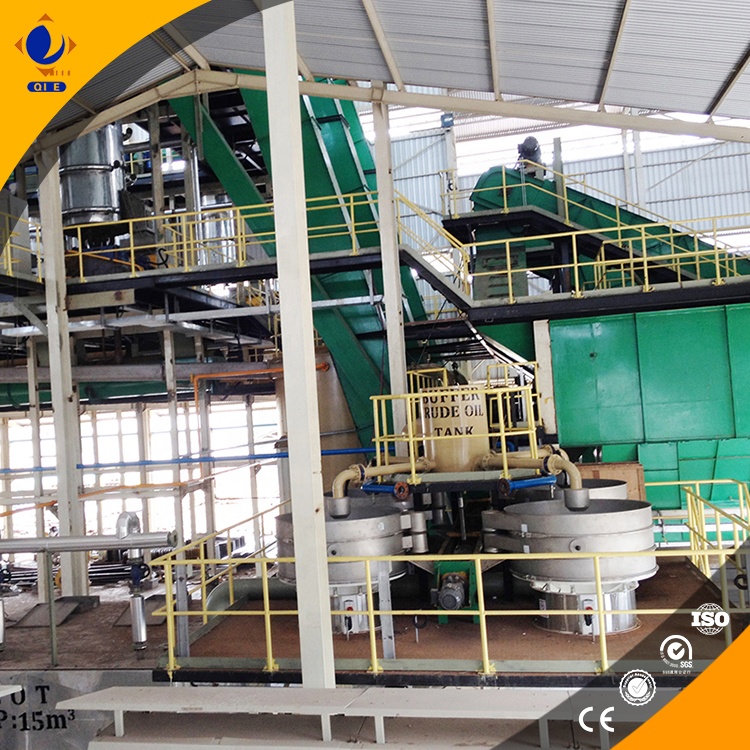
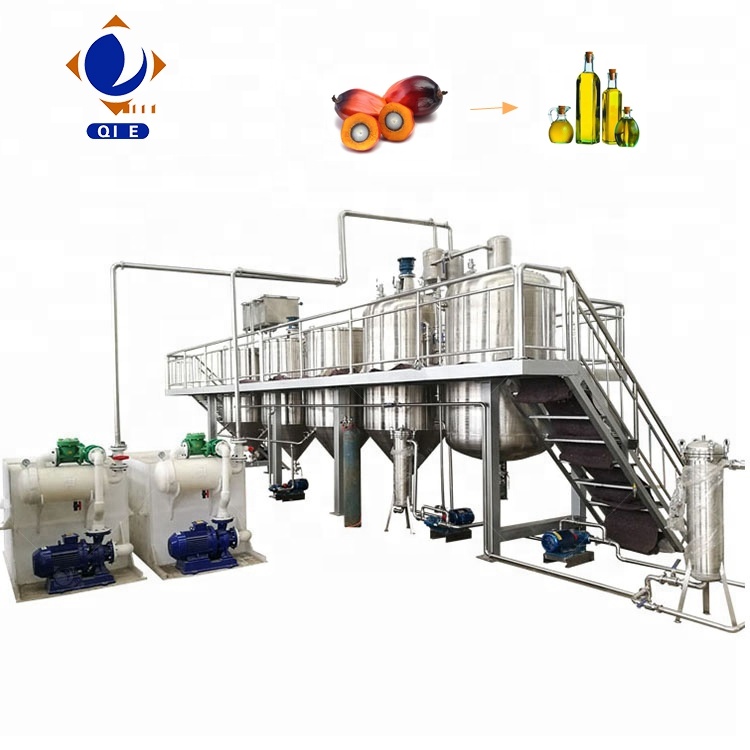
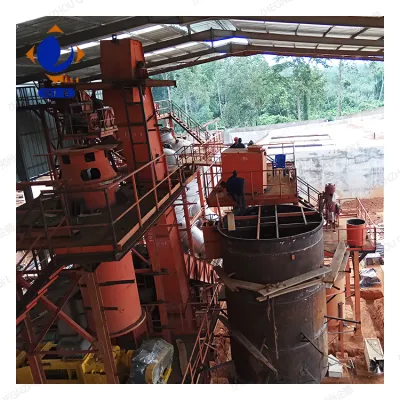
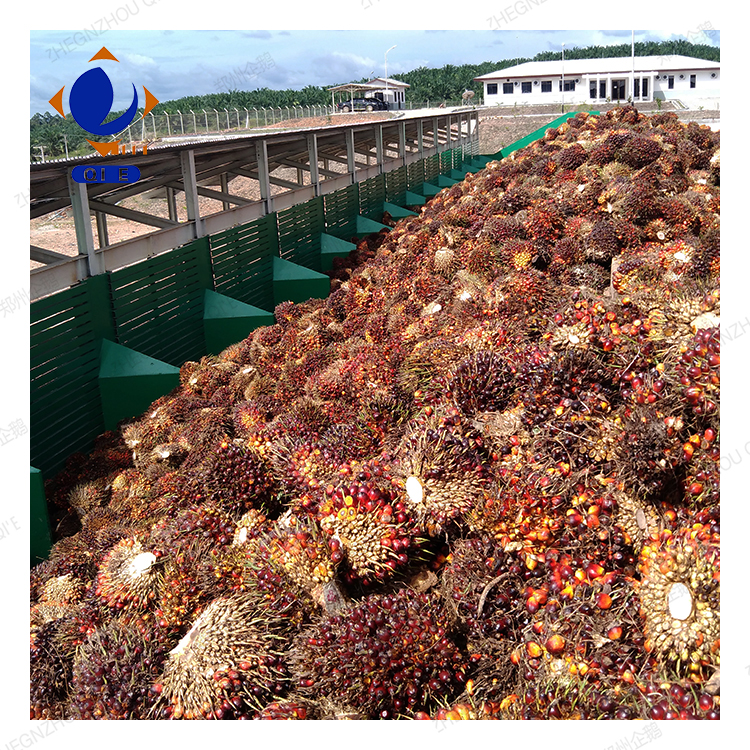
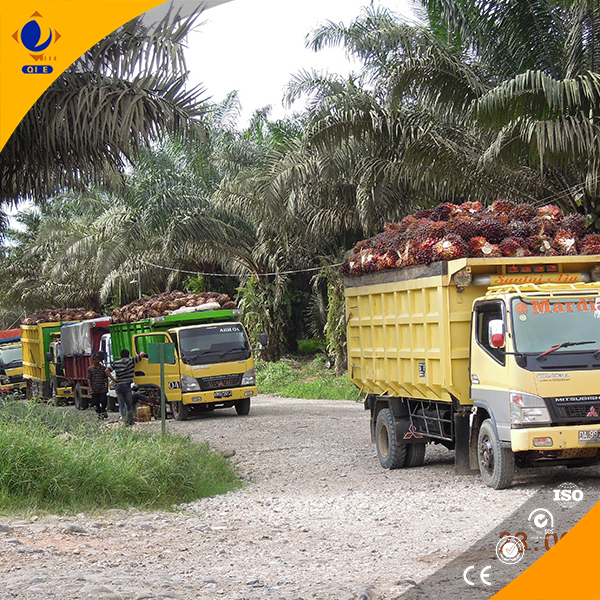
During the rainy season in South America, palm fruits present unique challenges to the palm oil processing industry. The high moisture content and abundant impurities in palm fruits during this period often lead to frequent blockages in the cleaning system, reduced crushing efficiency, and ultimately, affect the stable operation of the entire production line. This article aims to provide in - depth analysis and practical solutions to these issues.
The high humidity in South American rainy seasons significantly increases the moisture content of palm fruits. On average, the moisture content of palm fruits in South America during the rainy season can reach up to 30% - 35%, compared to 15% - 20% in dry seasons. This high moisture content makes the impurities stickier, causing them to clog the screens and pipes in the cleaning system. As a result, the cleaning efficiency drops by about 20% - 30%, and the crushing efficiency also decreases, leading to uneven crushing and reduced overall productivity.
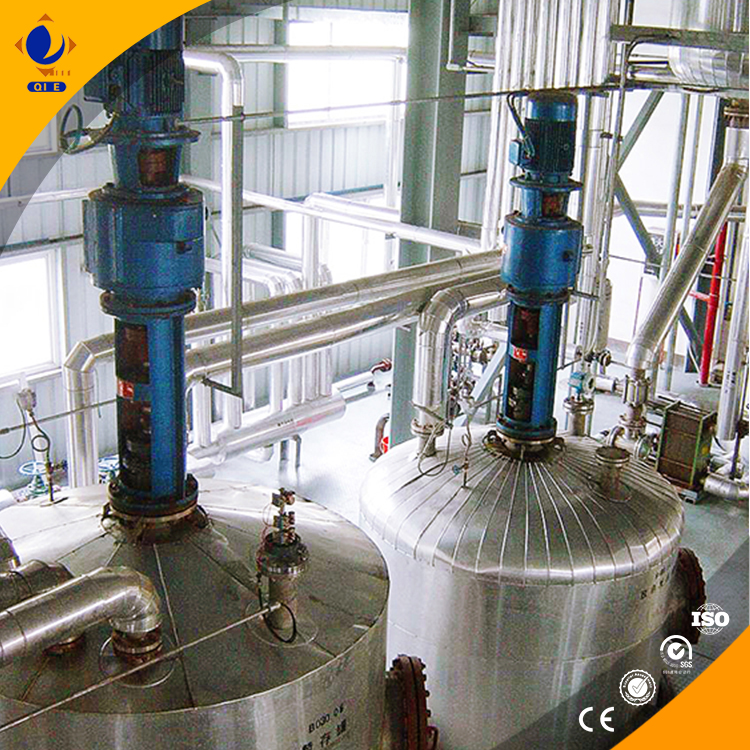
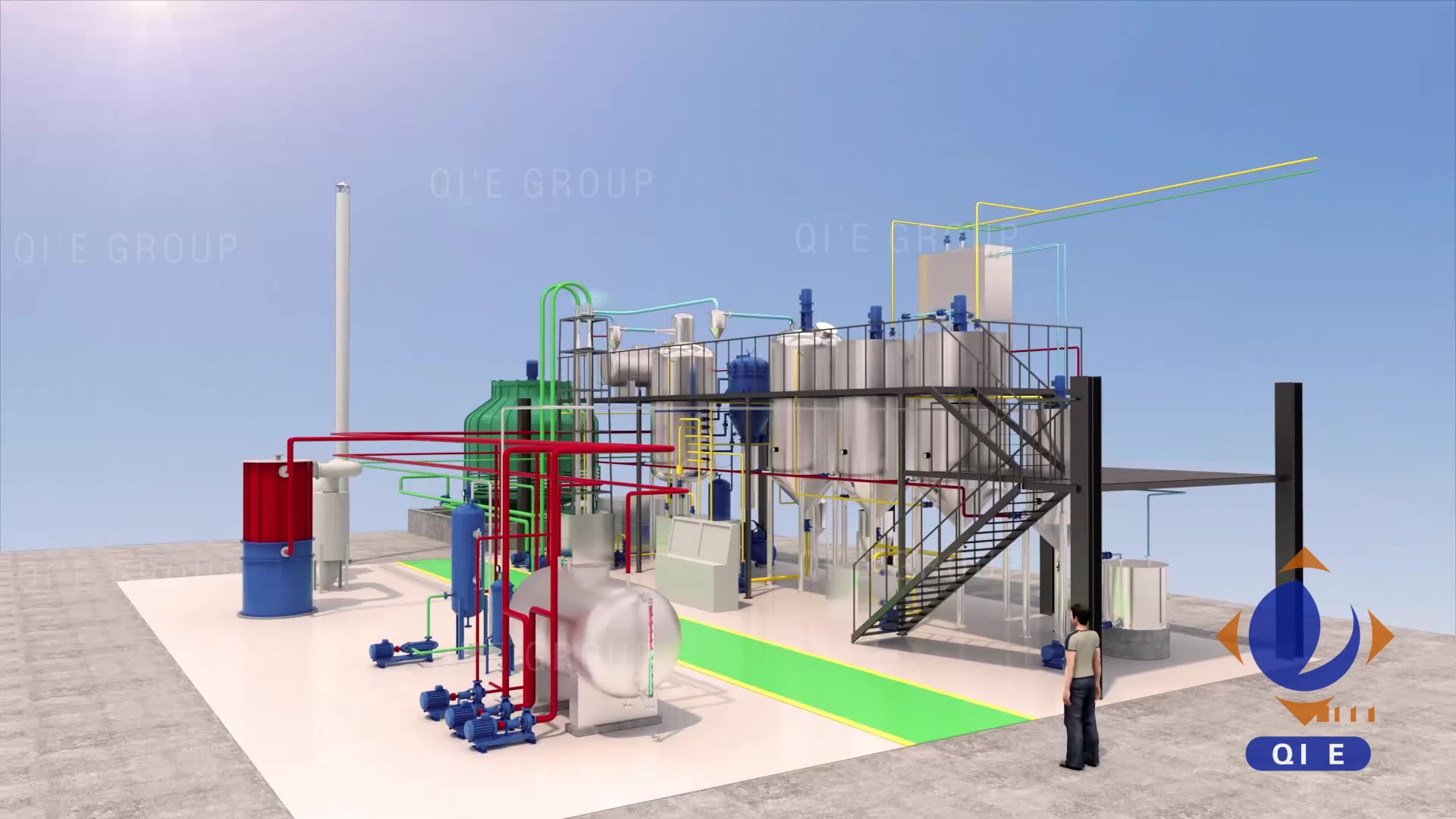
To address the challenges in the extreme environment of South American rainy seasons, the selection of anti - rust materials and the design of automatic control systems are crucial. For example, using stainless steel materials with high corrosion resistance can effectively prevent rusting in high - humidity environments. The automatic control system, such as an automatically adjustable spray system, can adjust the water pressure and flow rate according to the moisture content and impurity level of palm fruits, ensuring efficient cleaning under different conditions.
| Region | Moisture Content (%) | Recommended Cooking Temperature (°C) |
|---|---|---|
| Northern South America | 32 - 35 | 105 - 110 |
| Central South America | 30 - 32 | 102 - 105 |
| Southern South America | 28 - 30 | 98 - 102 |
For common problems such as blockages and uneven oil output, a clear diagnosis logic is essential. For blockages, first check the inlet and outlet of the cleaning system, then the pipes and screens. A simple checklist can be used to record the inspection results. For uneven oil output, factors such as the crushing degree, moisture content, and cleaning effect need to be considered.
Several successful cases have demonstrated the effectiveness of non - standard customized cleaning solutions. For example, a palm oil processing plant in Brazil increased its oil output rate by 15% and extended the service life of its equipment by 20% after adopting our non - standard customized cleaning system. These cases highlight the value of localized solutions that take into account the specific characteristics of South American palm fruit processing.
"Since we implemented the non - standard customized cleaning system, our production line has become much more stable. The blockage problem has been greatly reduced, and the oil output rate has also increased significantly. It's really a great solution for our plant." - A manager of a palm oil processing plant in South America
In conclusion, by understanding the characteristics of palm fruits in South American rainy seasons and adopting non - standard customized cleaning solutions, palm oil processing plants can effectively solve the problems in the pretreatment process, improve the oil output rate, and extend the service life of equipment. If you are a palm oil processing plant manager in South America and want to optimize your pretreatment process, click here to download our whitepaper or schedule a consultation.
 153
|
153
|
 palm kernel oil extraction technology
energy-saving refining equipment
low solvent consumption oil production
green manufacturing solutions
residual oil reduction techniques
palm kernel oil extraction technology
energy-saving refining equipment
low solvent consumption oil production
green manufacturing solutions
residual oil reduction techniques
 67
|
Small - scale palm oil production line equipment
High - efficiency oil extraction equipment
Palm oil processing equipment
304 stainless steel oil press
Customized oil press
67
|
Small - scale palm oil production line equipment
High - efficiency oil extraction equipment
Palm oil processing equipment
304 stainless steel oil press
Customized oil press
 46
|
compact palm oil production line equipment
efficient eco-friendly oil press equipment
customized palm oil processing equipment
46
|
compact palm oil production line equipment
efficient eco-friendly oil press equipment
customized palm oil processing equipment
 52
|
oilseed preprocessing equipment
efficient plant oil production solutions
comprehensive oilseed processing services
52
|
oilseed preprocessing equipment
efficient plant oil production solutions
comprehensive oilseed processing services
 195
|
Palm oil pressing equipment energy - saving technology
Palm oil pressing equipment high - yield and low - consumption
Palm oil pressing process optimization
Palm oil pressing equipment energy consumption management
Palm oil pressing automated control system
195
|
Palm oil pressing equipment energy - saving technology
Palm oil pressing equipment high - yield and low - consumption
Palm oil pressing process optimization
Palm oil pressing equipment energy consumption management
Palm oil pressing automated control system