https://shmuker.oss-cn-hangzhou.aliyuncs.com/data/oss/65b068c3c2e9735675cac322/65b46cb67cfeb5177346777c/20240426173741/未标题-1_画板%201.png

Comprehensive Small-Scale Palm Oil Refining Process: Key Steps from Pretreatment to Deodorization
2026-03-24
QI ' E Group
Tutorial Guide
This article provides an in-depth analysis of the complete refining process for small-scale palm oil equipment, covering raw material pretreatment, essential refining stages such as impurity removal, bleaching, and deodorization, alongside critical operational points. It addresses common challenges including pigment residue, stubborn odors, and low oil yield by integrating equipment maintenance strategies and advanced control technologies like PLC automation. With detailed diagrams and practical guidance, this guide supports technical and production personnel in improving product quality and processing efficiency, aligning with sustainable and eco-friendly oil refining practices.
https://shmuker.oss-accelerate.aliyuncs.com/data/oss/common/20240703143941/20240703/24cb649f1f406a00aaa4b3a1ae229d27.jpg

Comprehensive Guide to Small-Scale Palm Oil Refining: From Preprocessing to Bleaching and Deodorization

Small-scale palm oil refining presents unique challenges that impact product quality and processing efficiency. With penguin Group's small-scale palm oil refining equipment leveraging advanced intermittent refining technology and PLC automatic control systems, producers can overcome issues such as pigment residues, persistent odors, and suboptimal oil yield while ensuring sustainable, eco-friendly operations. This article meticulously dissects every stage of the palm oil refining process, highlights operational best practices, and outlines critical maintenance strategies to empower both technical staff and production managers.

1. Preprocessing: The Foundation for Quality Refining

Preprocessing raw palm oil plays a pivotal role in removing coarse impurities such as fruit fibers, suspended solids, and moisture. Typical protocols recommend heating the crude oil to 70-80°C to reduce viscosity for efficient sedimentation and filtration. Adherence to stringent operation guidelines—such as precise temperature control and timely sediment removal—minimizes downstream contamination and color deterioration. Applying small-scale palm oil refining equipment with integrated heating and filtration modules enhances process consistency and throughput.

2. Key Refining Stages: Removing Impurities, Bleaching, and Deodorization

The refining process encompasses multiple critical steps designed to elevate oil quality:

  • Degumming and Neutralization: Targets phospholipids and free fatty acids, utilizing caustic soda treatment controlled within pH 6.5-7.5 to prevent over-alkalization that reduces yield.
  • Bleaching: Activated clays or bleaching earths remove pigments such as carotenoids and chlorophyll. Optimal bleaching conditions include temperature of 90-105°C and contact time of 15-30 minutes under vacuum to avoid oxidation.
  • Deodorization: Steam stripping under high temperatures (220-260°C) and vacuum removes volatile compounds responsible for undesirable odors and tastes while preserving nutritional quality.

Employing PLC automatic control systems in penguin Group's equipment simplifies monitoring and fine-tuning these parameters in real time, significantly decreasing human error and optimizing output quality.
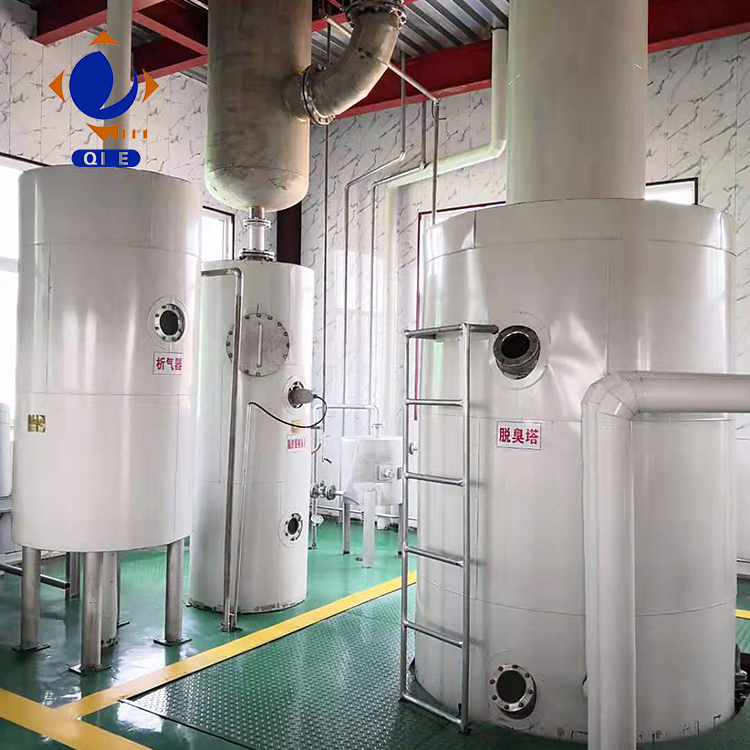
Flowchart illustrating the step-by-step small-scale palm oil refining process from preprocessing to deodorization

3. Troubleshooting Common Refining Challenges

Despite optimized processes, operators frequently encounter issues impacting product quality and efficiency:

  • Pigment Residue Persistence: Resolve by increasing bleaching clay dosage by 15-20%, ensuring correct clay activation, and extending vacuum contact time by 10-15 minutes.
  • Odor Retention: Eliminate by adjusting deodorization temperature within the standard range of 230-250°C and confirming steam quality (dry and oil-free).
  • Low Oil Yield: Address through meticulous neutralization pH control, reducing over-alkalization, and optimizing sedimentation intervals during preprocessing to capture more recoverable oil.

Penguin Group provides technical support packages including onsite diagnostics and parameter calibration to assist producers facing persistent refining problems.

4. Equipment Maintenance for Long-Term Stable Operation

Regular maintenance is indispensable for maintaining efficiency and extending equipment lifespan:

  • Frequent inspection and replacement of filtration mesh and bleaching earth filters to prevent clogging.
  • Routine calibration of sensors and PLC components for precise automated control.
  • Scheduled cleaning of deodorizer chambers to avoid buildup of residues affecting steam permeability.
  • Lubrication and mechanical inspection of agitators and pumps to prevent operational failure.

Preventive maintenance reduces downtime and preserves refining performance, crucial for achieving sustainably high-quality palm oil output.
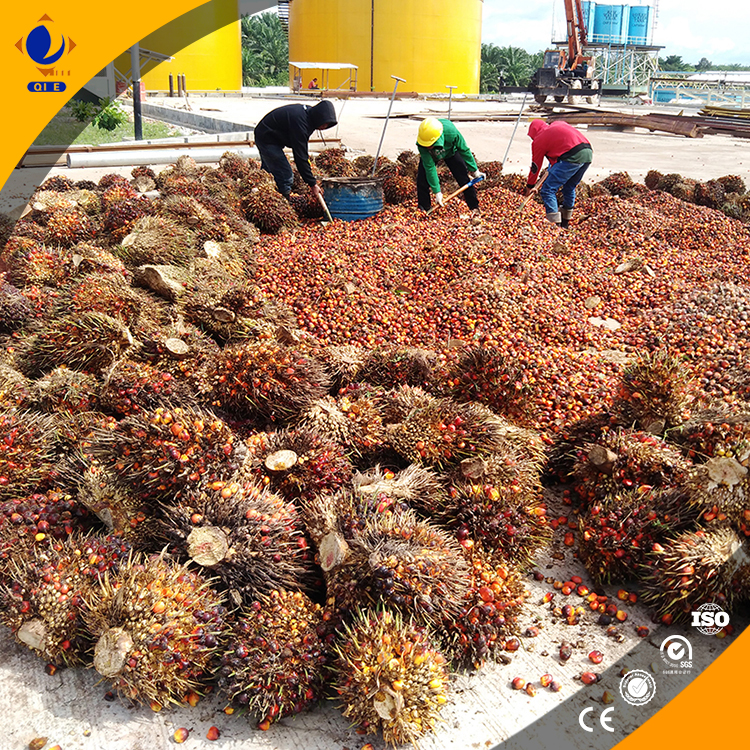
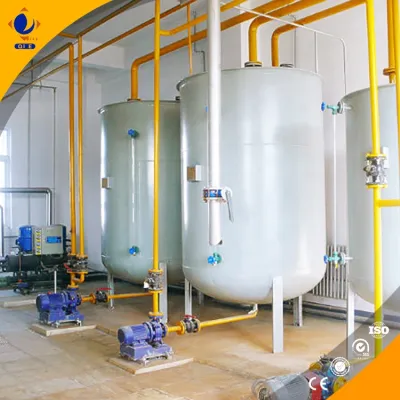
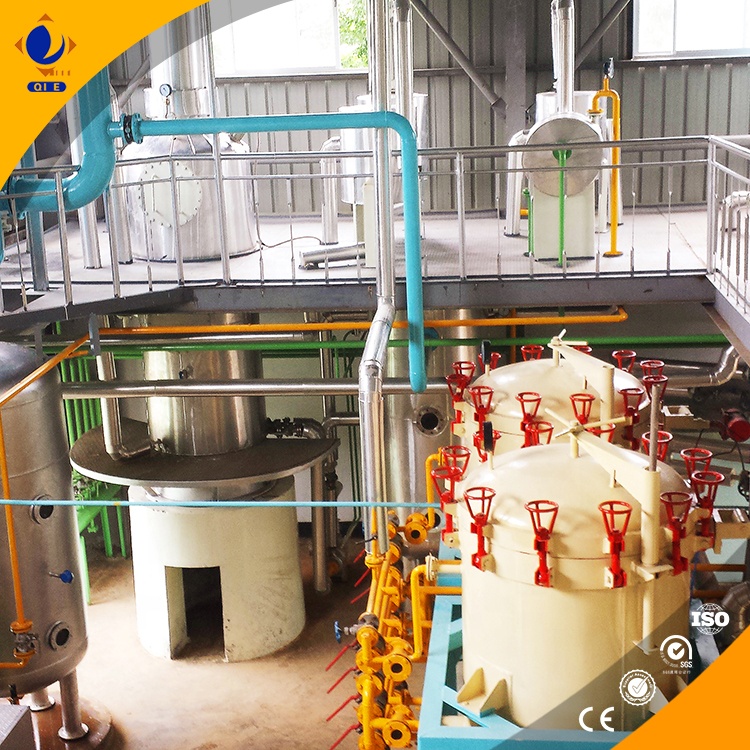
Diagram showing key components and maintenance points of small-scale palm oil refining equipment

5. How Intermittent Refining Enhances Efficiency and Emissions Control

Compared to continuous refining systems, intermittent refining technology deployed in penguin Group's palm oil processors offers distinct advantages:

  • Lower energy consumption by operating refining stages at optimized intervals, cutting power use by up to 15-20%.
  • Improved control over reaction times, which reduces thermal stress on oil and diminishes formation of unwanted trans fats.
  • Enhanced waste gas management, minimizing volatile organic compound emissions consistent with environmental regulations.

These features make it attractive for producers targeting both quality and green certifications.
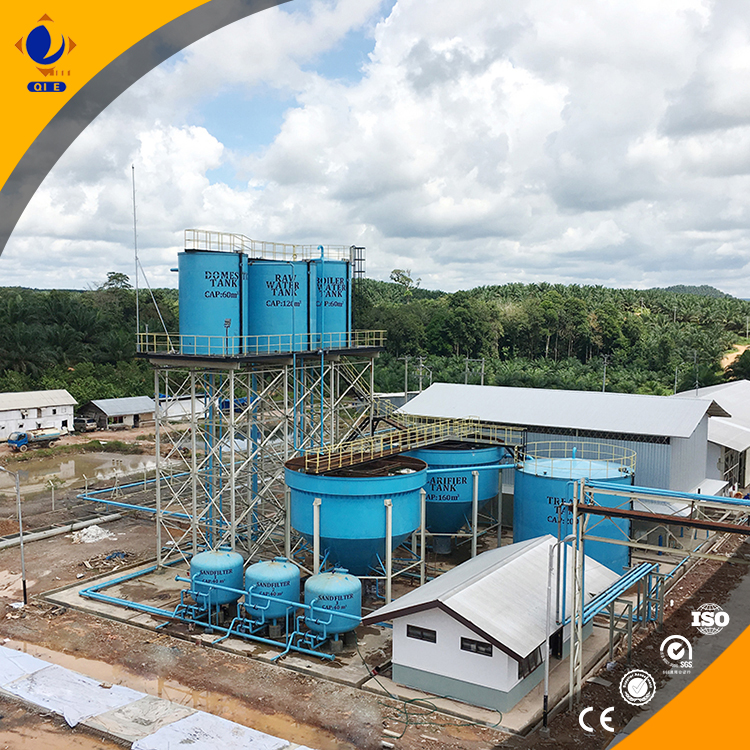
Chart comparing energy consumption and emissions between intermittent and continuous palm oil refining technologies

Discover how penguin Group’s advanced small-scale palm oil refining equipment can transform your production quality and efficiency—Contact us today!

Recommended Products
Related Reading
https://shmuker.oss-accelerate.aliyuncs.com/data/oss/common/20240703143956/20240703/6a9b829d687cb4a6710794469699d753.jpg
2026-03-23 | https://shmuker.oss-accelerate.aliyuncs.com/tmp/temporary/60ec5bd7f8d5a86c84ef79f2/60ec5bdcf8d5a86c84ef7a9a/20240305161110/eye.png 79 | https://shmuker.oss-accelerate.aliyuncs.com/tmp/temporary/60ec5bd7f8d5a86c84ef79f2/60ec5bdcf8d5a86c84ef7a9a/20240305160636/lable.png small palm oil refining equipment batch refining process energy saving high-efficiency motor and gearbox optimization palm oil refining energy efficiency refinery heat recovery and insulation
https://shmuker.oss-accelerate.aliyuncs.com/data/oss/common/20240703104358/20240703/4df7cef1ed3c572de70855ba593d59ee.jpg
2026-02-06 | https://shmuker.oss-accelerate.aliyuncs.com/tmp/temporary/60ec5bd7f8d5a86c84ef79f2/60ec5bdcf8d5a86c84ef7a9a/20240305161110/eye.png 460 | https://shmuker.oss-accelerate.aliyuncs.com/tmp/temporary/60ec5bd7f8d5a86c84ef79f2/60ec5bdcf8d5a86c84ef7a9a/20240305160636/lable.png palm kernel oil refining phospholipid removal technology oil automation control system export quality palm kernel oil refining equipment optimization
https://shmuker.oss-accelerate.aliyuncs.com/data/oss/common/20240702105157/20240702/2a1198928bb5db1c61d6da1f6129f18e.jpg
2026-03-18 | https://shmuker.oss-accelerate.aliyuncs.com/tmp/temporary/60ec5bd7f8d5a86c84ef79f2/60ec5bdcf8d5a86c84ef7a9a/20240305161110/eye.png 173 | https://shmuker.oss-accelerate.aliyuncs.com/tmp/temporary/60ec5bd7f8d5a86c84ef79f2/60ec5bdcf8d5a86c84ef7a9a/20240305160636/lable.png palm oil refining motor selection palm oil equipment cooling optimization automated palm oil refining equipment fault diagnosis high-load continuous operation
https://shmuker.oss-accelerate.aliyuncs.com/data/oss/common/20240702104917/20240702/a896b8c9fd9cc3496ac44c990844f6cc.jpg
2026-03-02 | https://shmuker.oss-accelerate.aliyuncs.com/tmp/temporary/60ec5bd7f8d5a86c84ef79f2/60ec5bdcf8d5a86c84ef7a9a/20240305161110/eye.png 443 | https://shmuker.oss-accelerate.aliyuncs.com/tmp/temporary/60ec5bd7f8d5a86c84ef79f2/60ec5bdcf8d5a86c84ef7a9a/20240305160636/lable.png palm oil refining equipment 1-2000 tpd palm oil refinery automation control system for edible oil bleaching and deodorization process optimization energy consumption steam 450 kg per ton
https://shmuker.oss-accelerate.aliyuncs.com/data/oss/common/20240703143941/20240703/24cb649f1f406a00aaa4b3a1ae229d27.jpg
2026-03-13 | https://shmuker.oss-accelerate.aliyuncs.com/tmp/temporary/60ec5bd7f8d5a86c84ef79f2/60ec5bdcf8d5a86c84ef7a9a/20240305161110/eye.png 308 | https://shmuker.oss-accelerate.aliyuncs.com/tmp/temporary/60ec5bd7f8d5a86c84ef79f2/60ec5bdcf8d5a86c84ef7a9a/20240305160636/lable.png palm oil refining technology degumming process deodorization energy saving palm oil refining equipment QIE Group
Hot Products
Popular articles
Recommended Reading
Contact us
Contact us
https://shmuker.oss-cn-hangzhou.aliyuncs.com/tmp/temporary/60ec5bd7f8d5a86c84ef79f2/60ec5bdcf8d5a86c84ef7a9a/thumb-prev.png