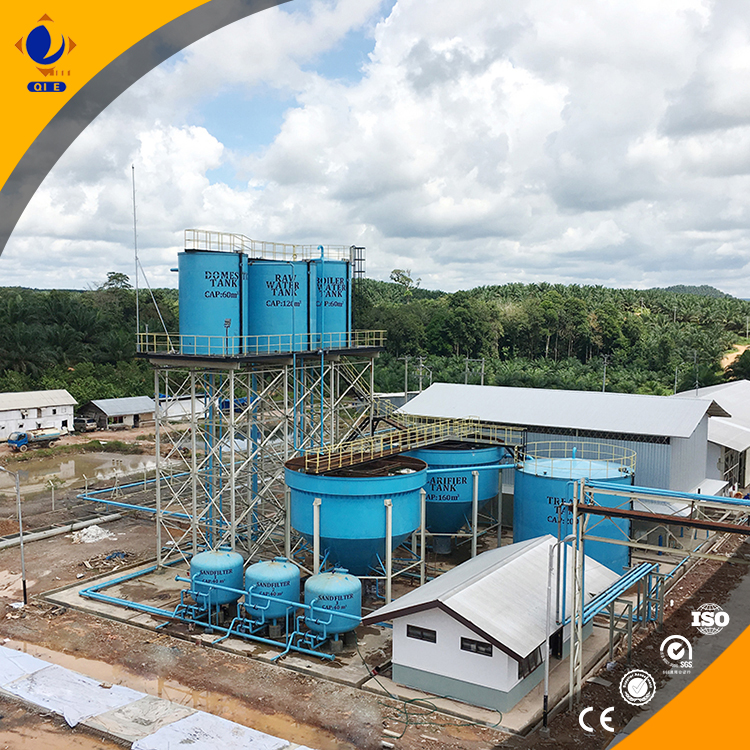
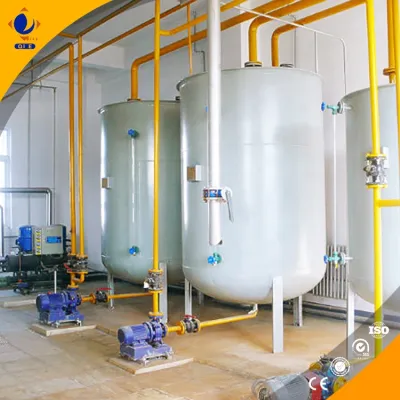
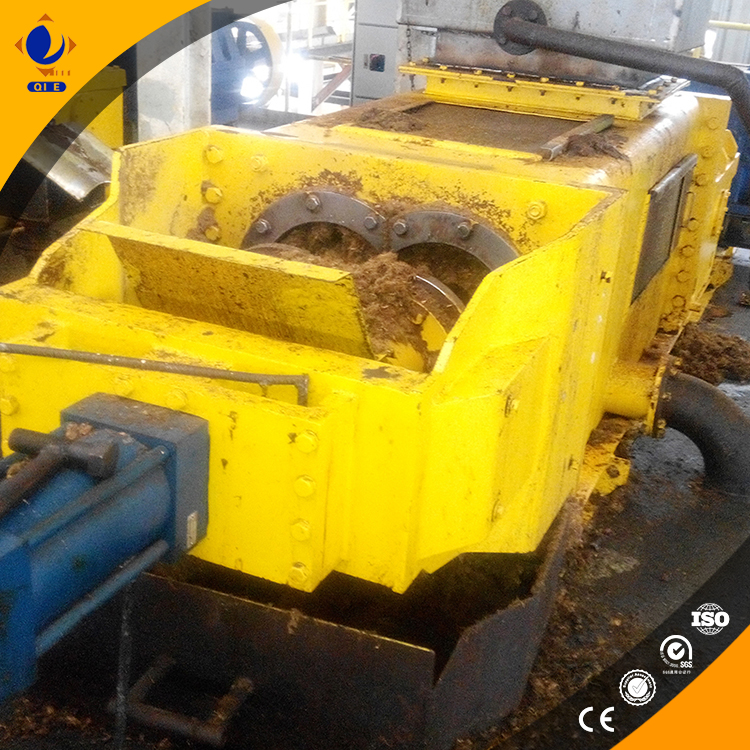
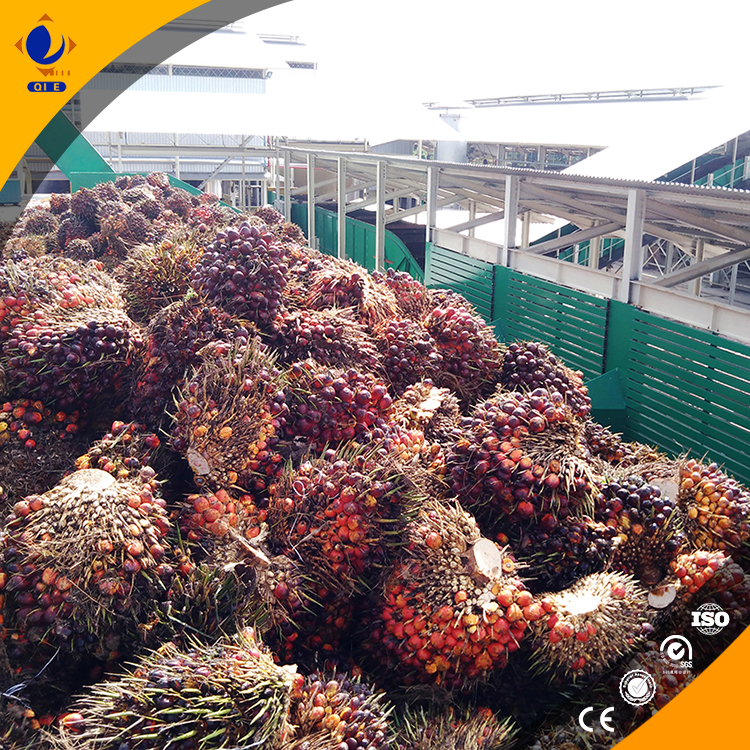
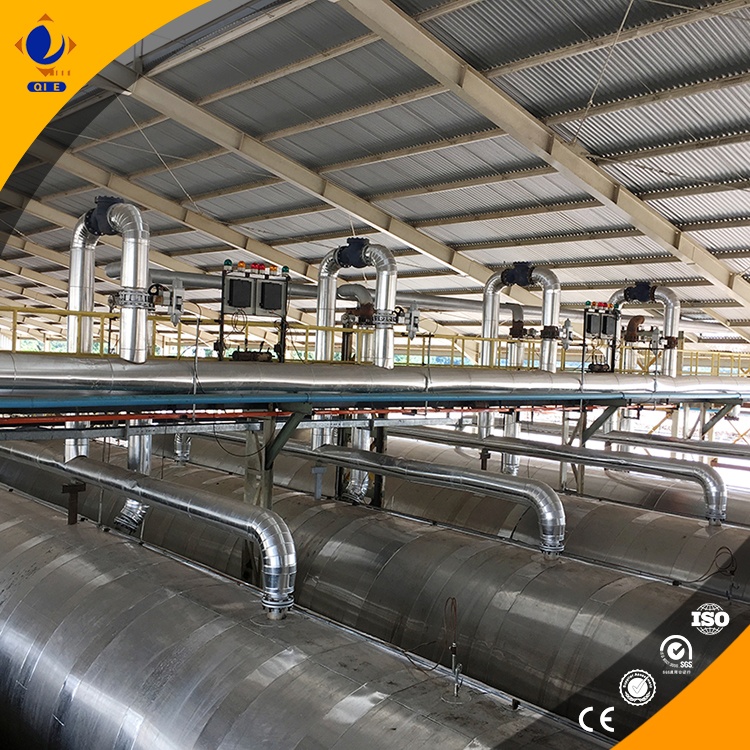
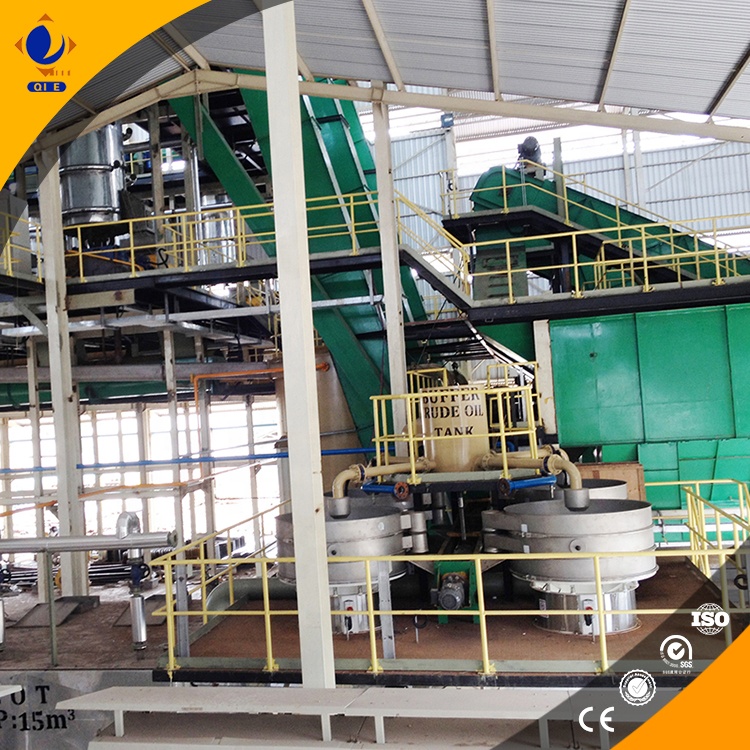
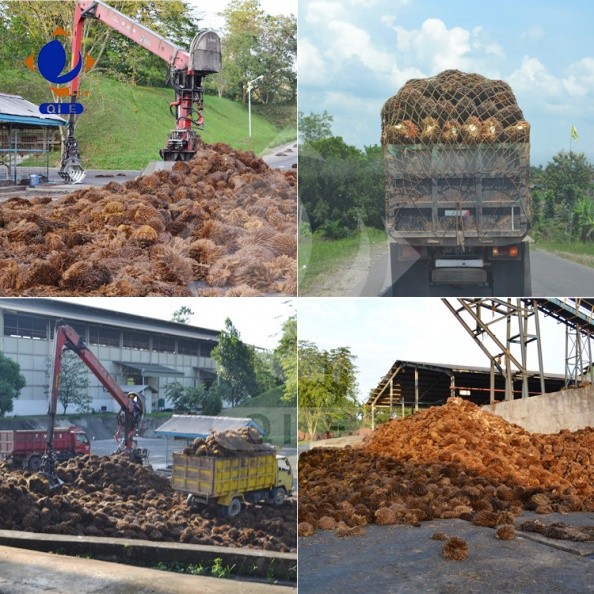
In the evolving palm oil industry, small-scale palm oil refining equipment plays a critical role in expanding production capacity while addressing environmental and economic concerns. This guide explores energy efficiency optimization strategies that can boost productivity and reduce operational costs simultaneously. From innovative intermittent refining processes to advanced motor technologies and design optimizations, these solutions promise sustainable advantages for palm oil processors and procurement decision-makers alike.
Energy consumption constitutes approximately 40% to 60% of total operating costs in palm oil refining plants. For small-scale operations, which often face limited budgets and infrastructure, optimizing energy use is vital not only to reduce expenses but also to comply with increasing environmental regulations. Improving energy efficiency supports:
The shift from continuous to intermittent refining processes offers notable energy savings. By refining in carefully timed batches, energy input aligns precisely with processing needs, eliminating wasteful standby power. Recent studies indicate intermittent refining can reduce energy consumption by up to 20% compared to traditional methods.
Complementing process innovations, high-efficiency electric motors equipped with variable frequency drives (VFDs) optimize power use by adjusting speeds according to load demand. Integration of high-grade gearboxes further enhances mechanical energy transfer, with friction losses minimized below 5%, significantly lowering electricity bills without compromising performance.
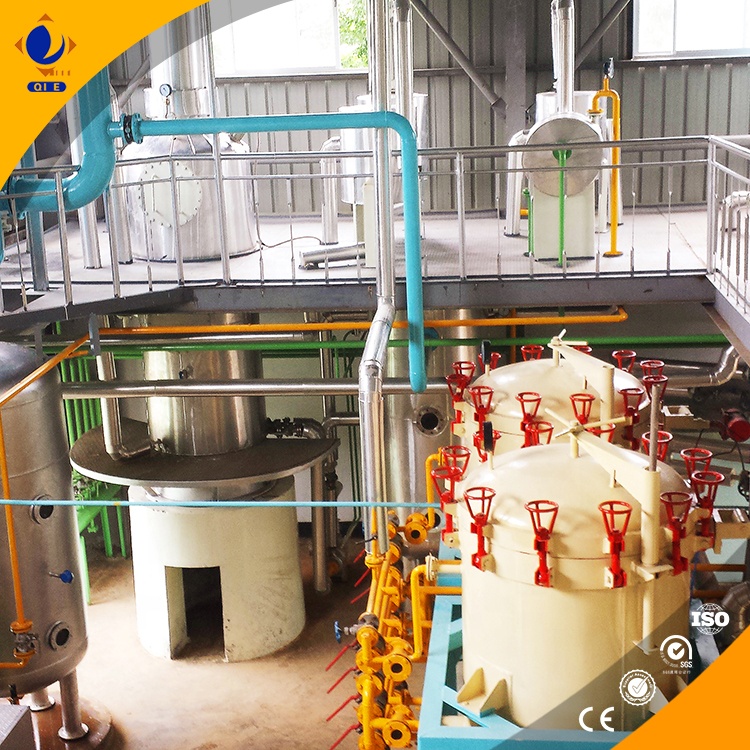
Equipment design profoundly impacts energy consumption. Compact layouts reduce heat dissipation, while optimized heat exchanger surfaces improve thermal recycling rates. Using corrosion-resistant materials like stainless steel with precise welding joints enhances heat retention by 12%-18%, decreasing the need for supplemental heating.
Modular design approaches allow operators to tailor refining stages to specific batches, avoiding energy waste on processing unnecessary volumes. Furthermore, insulation improvements around refining chambers reduce heat loss by nearly 15%, contributing to overall system efficiency.
Quality assurance of key components such as motors, bearings, and control systems ensures energy optimization translates into consistent output. Regular maintenance protocols—including lubrication schedules, vibration analysis, and real-time monitoring—prolong working life and prevent energy spikes caused by equipment wear.
A 2023 case study by Penguin Group demonstrated that implementing predictive maintenance reduced unexpected downtime by 25%, simultaneously saving 10% in energy costs annually.
Practical steps for operators to enhance energy efficiency include:
These measures, combined, can decrease energy consumption by 15%-25%, yielding tangible impact on production costs.
A leading palm oil processor in Southeast Asia upgraded their small-scale refining line with Penguin Group’s energy optimization solutions. Within six months, the plant recorded:
These results underscore the practical benefits of integrating innovative energy-saving technologies, system design, and proactive maintenance.

 50
|
50
|
 palm kernel oil refining
phospholipid removal technology
food safety in oil processing
screw press extraction
automated oil refining system
palm kernel oil refining
phospholipid removal technology
food safety in oil processing
screw press extraction
automated oil refining system
 348
|
Palm kernel oil refining
Screw pressing technology
Automated control system
Phospholipid extraction
Oil processing technology
348
|
Palm kernel oil refining
Screw pressing technology
Automated control system
Phospholipid extraction
Oil processing technology
 190
|
palm oil refining equipment
automation control system
bleaching and deodorization process
steam consumption optimization
spent bleaching earth reduction
190
|
palm oil refining equipment
automation control system
bleaching and deodorization process
steam consumption optimization
spent bleaching earth reduction
 173
|
palm oil refining motor selection
palm oil equipment cooling optimization
automated palm oil refining
equipment fault diagnosis
high-load continuous operation
173
|
palm oil refining motor selection
palm oil equipment cooling optimization
automated palm oil refining
equipment fault diagnosis
high-load continuous operation
 489
|
palm kernel oil refining process
palm kernel oil degumming technology
automated oil refining equipment
oil refining process optimization
palm kernel oil quality improvement
489
|
palm kernel oil refining process
palm kernel oil degumming technology
automated oil refining equipment
oil refining process optimization
palm kernel oil quality improvement