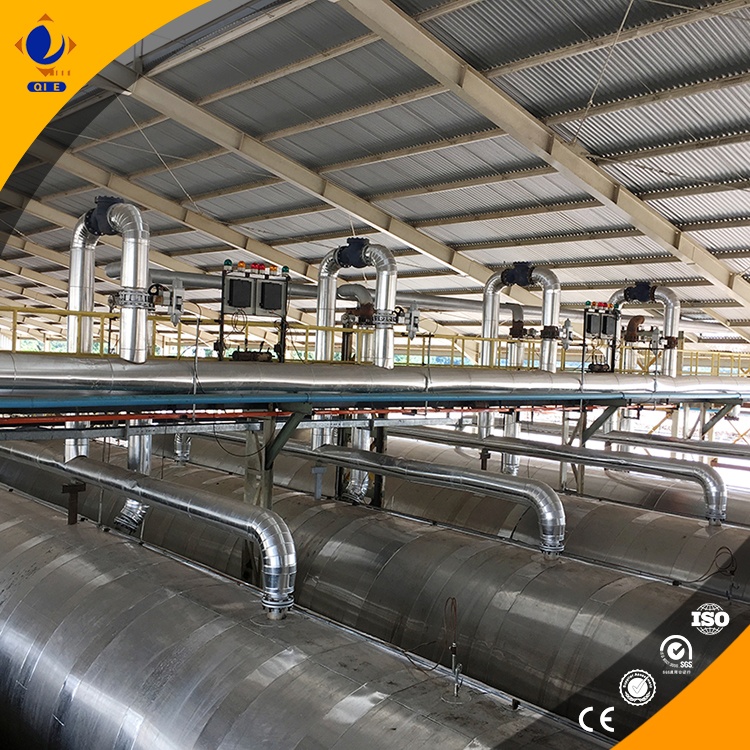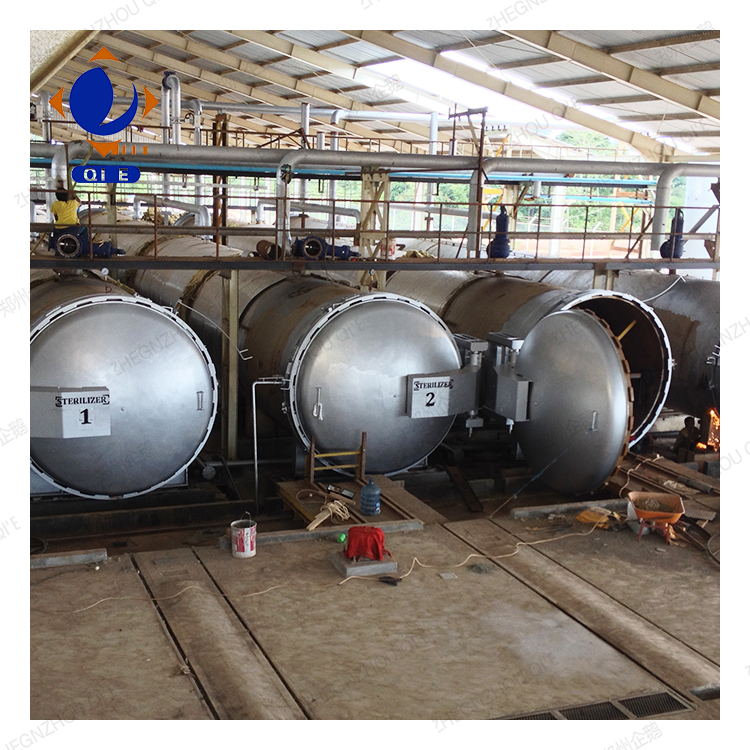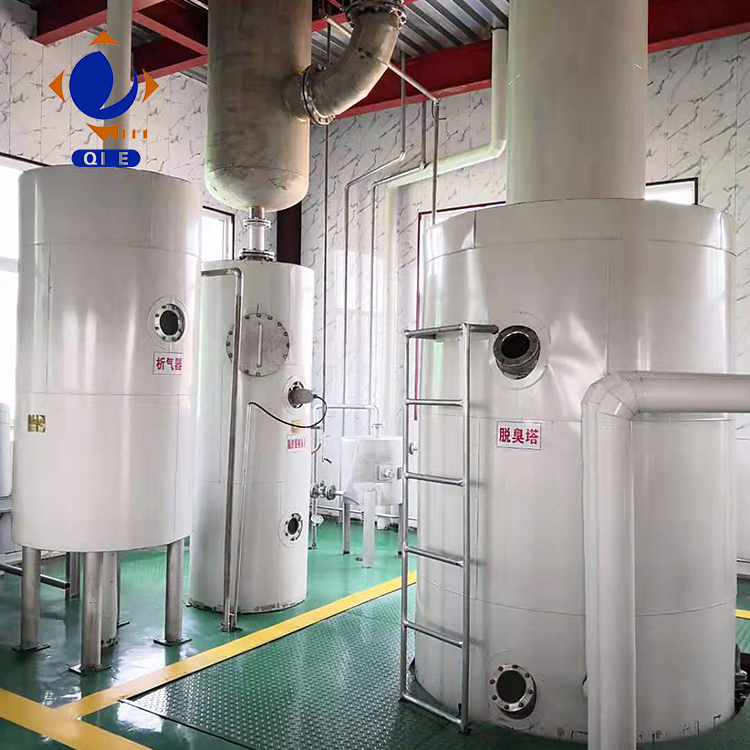
In today's competitive edible oil processing industry, energy costs represent 25-35% of total operational expenses for small to medium palm oil refineries. As global energy prices continue to fluctuate and environmental regulations become stricter, optimizing energy consumption has become a critical factor for sustainable profitability. This article explores proven strategies for energy reduction in small-scale palm oil refining operations, with a detailed comparison between batch and continuous processing technologies.
"Energy efficiency in palm oil refining isn't just about reducing costs—it's about securing operational stability and environmental compliance. Our analysis of over 50 small-scale refineries across Southeast Asia shows that optimized processes can reduce energy consumption by 28-35% while improving product quality."
— Dr. Martin Chen, Process Engineering Specialist at International Palm Oil Technology Institute
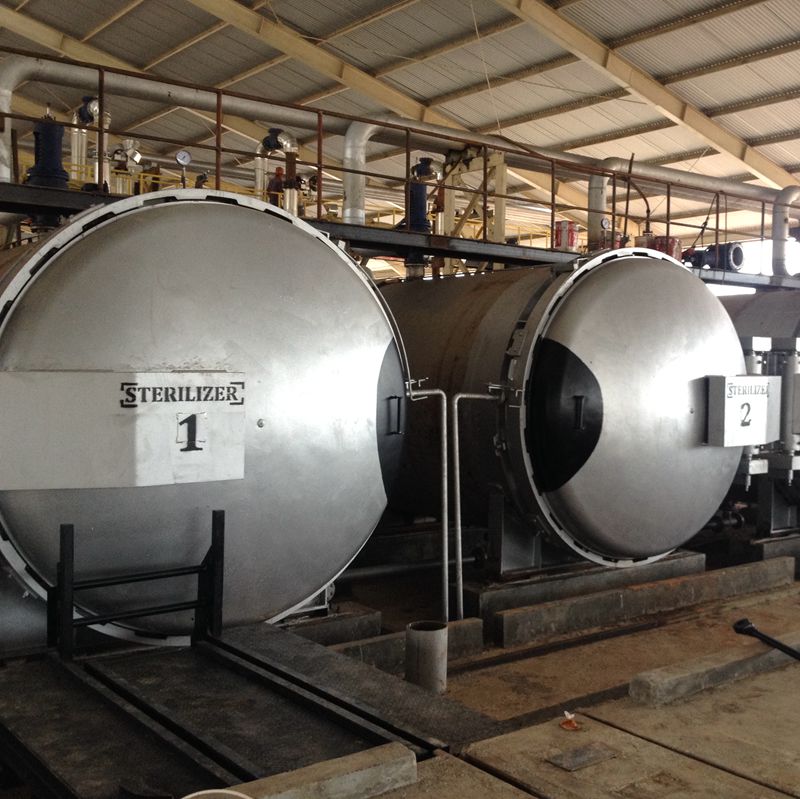
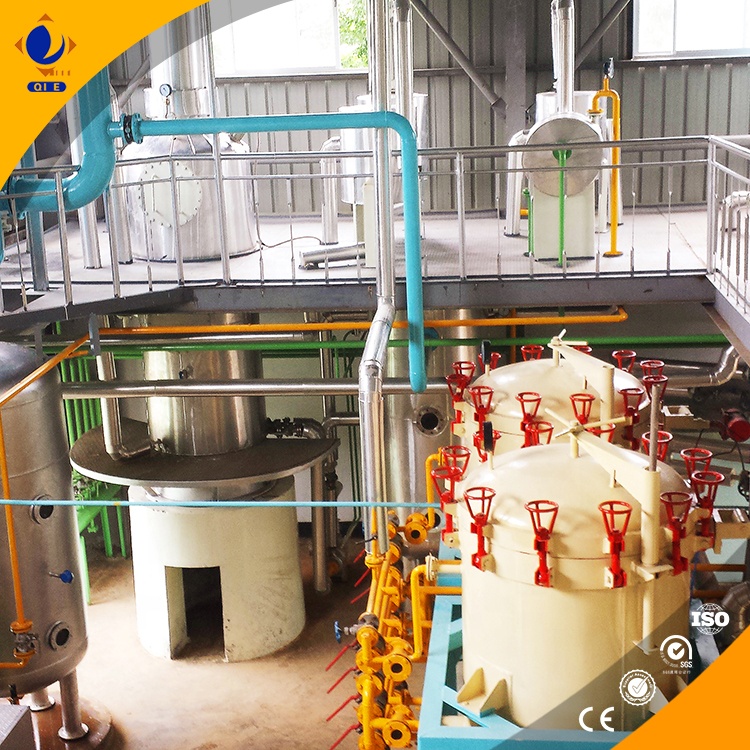
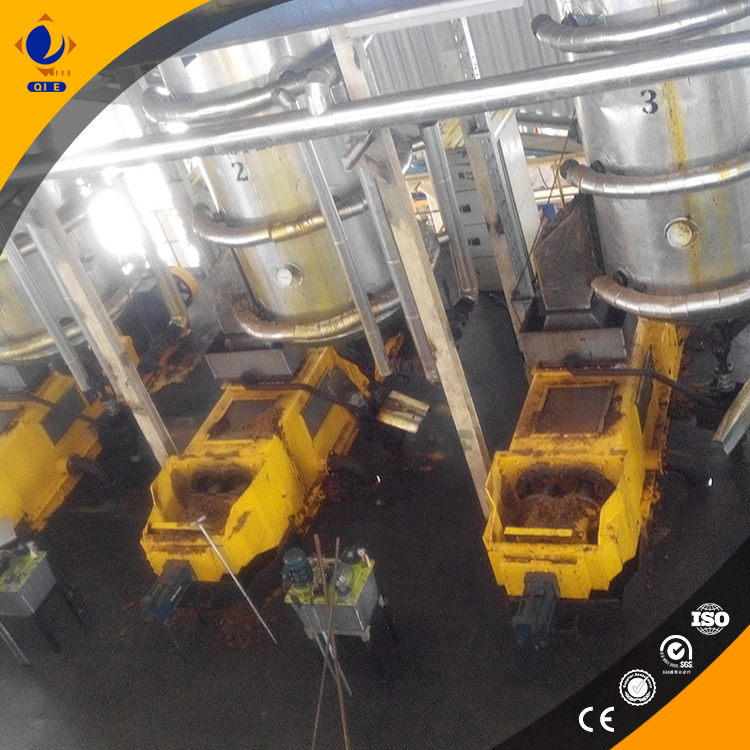
Modern small-scale palm oil refining equipment incorporates several critical innovations that significantly reduce energy usage without compromising production quality:
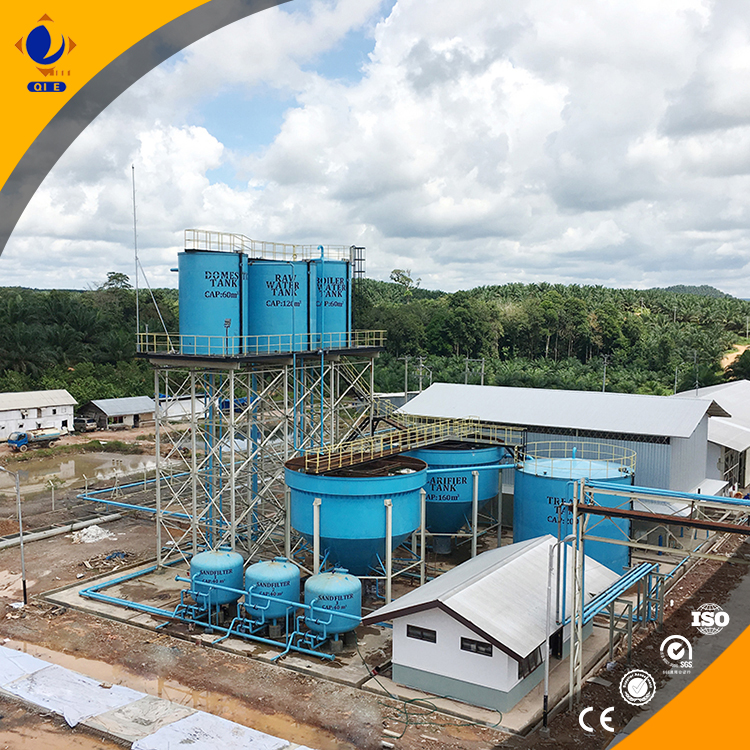
The choice between batch and continuous refining processes significantly impacts energy consumption, operational flexibility, and overall efficiency. Let's examine the key differences:
| Performance Metric | Batch Process | Continuous Process |
|---|---|---|
| Specific Energy Consumption (kWh/ton) | 85-110 kWh/ton | 55-75 kWh/ton |
| Heat Recovery Potential | Limited (10-15%) | High (25-35%) |
| Processing Time per Batch | 4-6 hours | Continuous flow |
| Flexibility for Small Batches | Excellent | Limited |
| Typical Energy Savings Potential | 15-20% | 25-35% |
While continuous processes generally offer superior energy efficiency for consistent production volumes, batch processes remain advantageous for smaller operations with variable production needs or limited capital investment. The 企鹅集团 (Penguin Group) offers both configurations with energy-optimized designs tailored to specific operational requirements.
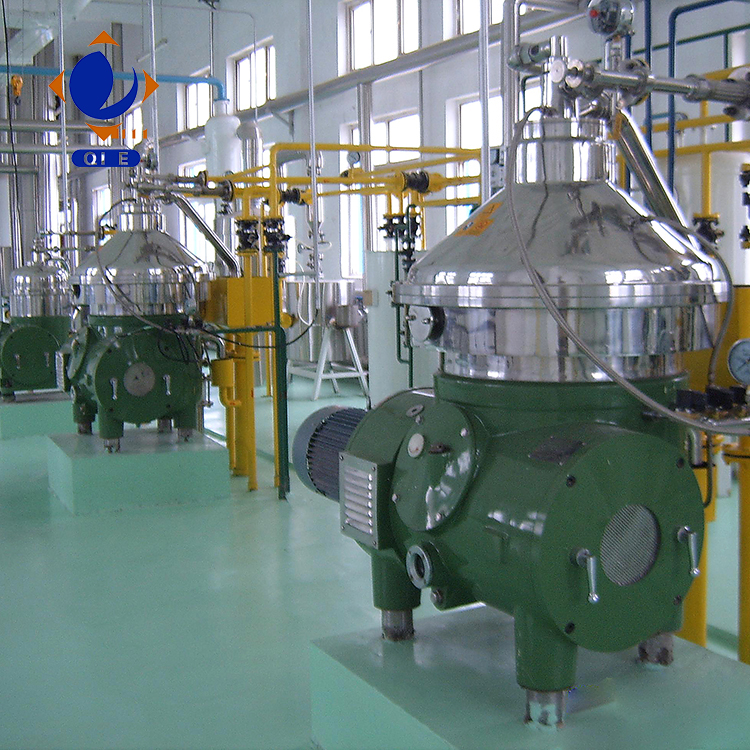
Beyond equipment selection, operational practices play a crucial role in achieving significant energy savings. Implement these proven techniques to optimize your refining process:
A mid-sized palm oil processor in Johor, Malaysia, recently upgraded their 10-ton/day batch refining line with 企鹅集团 (Penguin Group)'s energy-optimized equipment and process controls. The results after six months of operation were impressive:
"The upgrade has transformed our operation," commented the plant manager. "Not only have we significantly reduced our monthly energy bills, but the consistent product quality has allowed us to enter higher-value markets previously inaccessible with our old equipment."
Discover how 企鹅集团 (Penguin Group)'s energy-efficient palm oil refining solutions can transform your operation's profitability while improving environmental performance.
Get Your Custom Energy Efficiency AssessmentAs energy costs continue to rise and environmental concerns grow, investing in energy-efficient palm oil refining technology is no longer optional—it's essential for long-term business sustainability. By combining the right equipment selection with optimized operational practices, small to medium-scale processors can achieve significant cost savings while improving product quality and market competitiveness.
The key is to approach energy efficiency holistically—considering not just individual components but the entire production system. Whether you operate a batch or continuous process, targeted investments in energy-saving technologies typically deliver ROI within 12-24 months, making them some of the most attractive capital investments in the palm oil processing industry today.

 348
|
348
|
 Palm kernel oil refining
Screw pressing technology
Automated control system
Phospholipid extraction
Oil processing technology
Palm kernel oil refining
Screw pressing technology
Automated control system
Phospholipid extraction
Oil processing technology
 370
|
palm kernel oil refining automation
refining equipment stability
oil processing automation systems
palm oil production optimization
intelligent control in oil refining
370
|
palm kernel oil refining automation
refining equipment stability
oil processing automation systems
palm oil production optimization
intelligent control in oil refining
 380
|
palm oil refining process
palm oil bleaching
palm oil deodorization
palm oil quality control
automated palm oil equipment
380
|
palm oil refining process
palm oil bleaching
palm oil deodorization
palm oil quality control
automated palm oil equipment
 431
|
Automated refining equipment
Cost control in small and medium-sized oil mills
Palm kernel oil refining technology
Reduction of equipment maintenance risks
Improvement of oil purity
431
|
Automated refining equipment
Cost control in small and medium-sized oil mills
Palm kernel oil refining technology
Reduction of equipment maintenance risks
Improvement of oil purity
 285
|
industrial palm oil refining machine
scalable palm oil production
automated palm oil equipment
ISO9001 palm oil machinery
energy-efficient refining technology
285
|
industrial palm oil refining machine
scalable palm oil production
automated palm oil equipment
ISO9001 palm oil machinery
energy-efficient refining technology