Penguin Group | Technical Knowledge for Decision Makers
For small and mid-sized palm oil refiners, energy cost is rarely “just a utility bill.” It is the hidden variable shaping refining yield, product consistency, and compliance margins—especially when facilities operate with limited steam capacity, fluctuating grid quality, or strict emission targets. This article breaks down the most practical energy-saving technologies in small palm oil refining equipment, with a focus on batch (intermittent) refining, drive-train efficiency (motors and gearboxes), structural heat-loss reduction, and reliability of core components (pressure vessels, pumps, PLC).
In decision-stage procurement, “energy-saving” should be evaluated as a system outcome, not a single feature. For compact palm oil refining lines, the major controllable energy sinks typically include: heat losses in vessels and piping, unnecessary circulation and throttling losses in pumping, oversizing in motors, and unstable temperature/pressure control that forces longer cycle times.
| Energy Use Item | Typical Share | Primary Lever |
|---|---|---|
| Heating (deodorization / drying / temperature ramps) | 45–65% | Insulation + heat recovery + stable temperature profiles |
| Vacuum system & condensers | 10–20% | Leak-tightness + correct sizing + cooling stability |
| Pumping & circulation (oil, water, soapstock) | 8–15% | Low-pressure-drop routing + VFD control + pump selection |
| Agitation / mixing | 3–8% | Impeller design + gearbox efficiency + right RPM range |
| Standby losses (hot tanks, idle heaters, long hold times) | 5–12% | Cycle discipline + automation + insulation |
Reference ranges reflect common small-batch palm oil refining conditions. Actual shares vary by deodorization temperature, vacuum quality, and utility configuration.
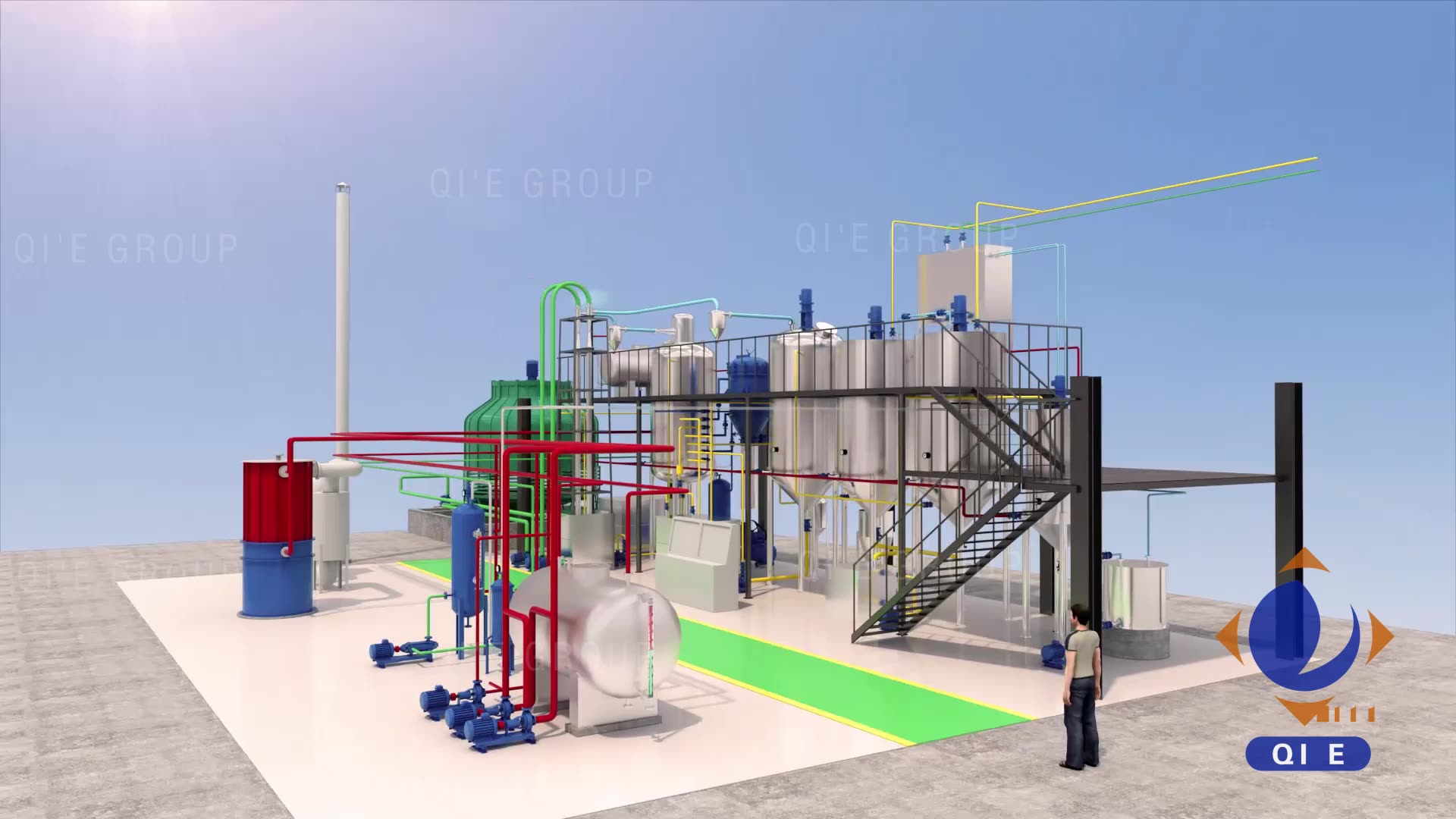
For many SMEs, intermittent refining is not a “downgrade” from continuous refining—it is an optimization choice aligned with real constraints: variable crude palm oil quality, frequent product switching, and limited steam/electricity headroom. When designed properly, batch systems can reduce wasteful rework and stabilize quality, which indirectly improves energy intensity (kWh per ton refined).
From an investment perspective, buyers should ask not only “How many tons per day?” but also: How many kWh and how much steam per ton at our target color, FFA, and odor specs? In many field setups, a well-engineered small batch line can often achieve 8–18% lower electricity consumption versus older, poorly controlled batch units—primarily through reduced pumping losses, improved insulation, and shorter effective operating hours.
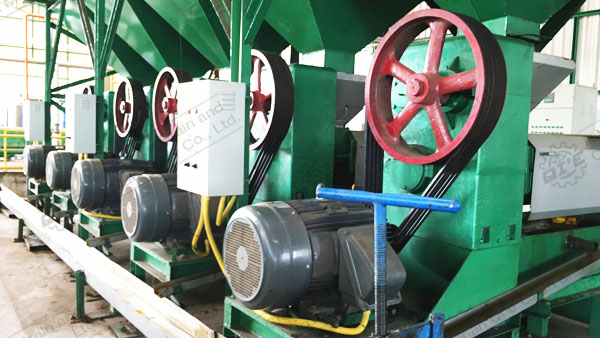
In small palm oil refining equipment, drive systems run across long shifts with frequent starts, varying load, and sometimes unstable voltage. A common mistake is focusing on nameplate power only. The more relevant questions are: efficiency at partial load, gearbox losses under real torque, and whether speed control is used to avoid valve throttling.
Motors (IE3/IE4 where feasible): Upgrading from older IE1/IE2-class motors can often reduce motor energy by 3–7% for the same duty cycle, especially with stable power and correct sizing.
Gearboxes with verified efficiency: Quality gearing, correct lubrication, and alignment reduce losses and heat generation, improving uptime and lowering kWh.
VFD (Variable Frequency Drive): For pumps and agitators, VFDs can reduce energy significantly in partial-load operation—often 15–35% on the affected drives—by matching flow/RPM to process demand.
The range depends on whether throttling control is replaced by speed control and how often equipment runs below design flow.
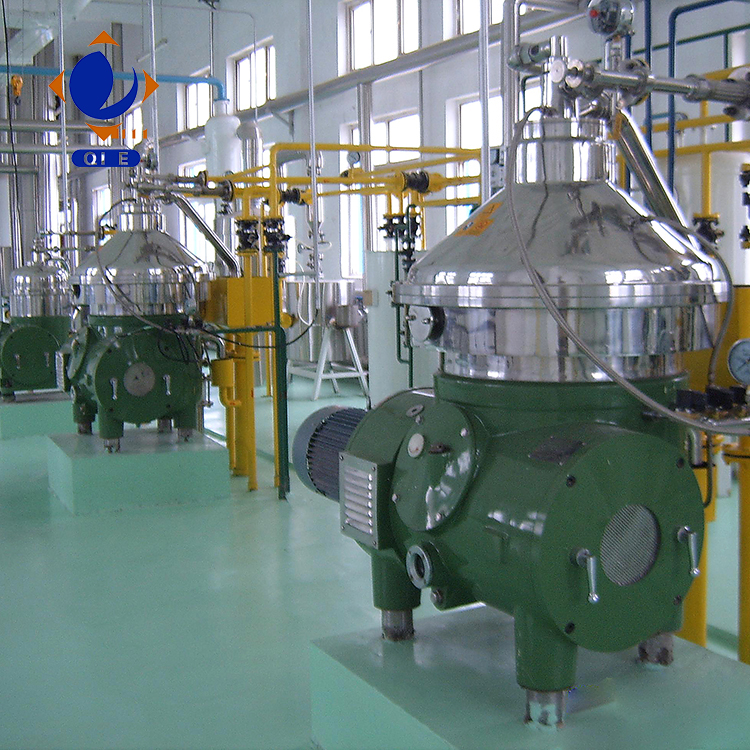
The fastest ROI improvements in many small refineries are often mechanical and layout-driven: insulation, short piping runs, reduced elbows, correct pipe diameter, and a clean separation of hot/cold zones. These reduce both heat demand and pumping head.
| Optimization | What it changes | Common impact (reference) |
|---|---|---|
| Upgraded insulation (vessels + hot lines) | Less radiant/convective heat loss | Steam/thermal demand down 5–12% |
| Compact routing & lower pressure-drop fittings | Lower pump head, less throttling | Pumping energy down 8–20% |
| Heat integration (where applicable) | Recover sensible heat from outgoing streams | Overall energy down 3–10% |
| Reduced idle time via automation | Less standby heating & vacuum running | Electricity down 4–9% |
These are conservative reference ranges often seen when modernizing older small lines; the actual outcome depends on baseline condition.
For procurement teams, a reliable indicator of real engineering effort is whether the supplier can present pressure-drop logic (pump selection vs. routing) and thermal boundary design (insulation spec, cladding, cold bridges) rather than generic “energy-saving” claims.
Energy efficiency is fragile: a small vacuum leak, a worn pump, or drifting temperature sensors can quietly add hours to each batch. That is why decision makers often evaluate core components as “maintenance topics,” while in reality they are energy topics.
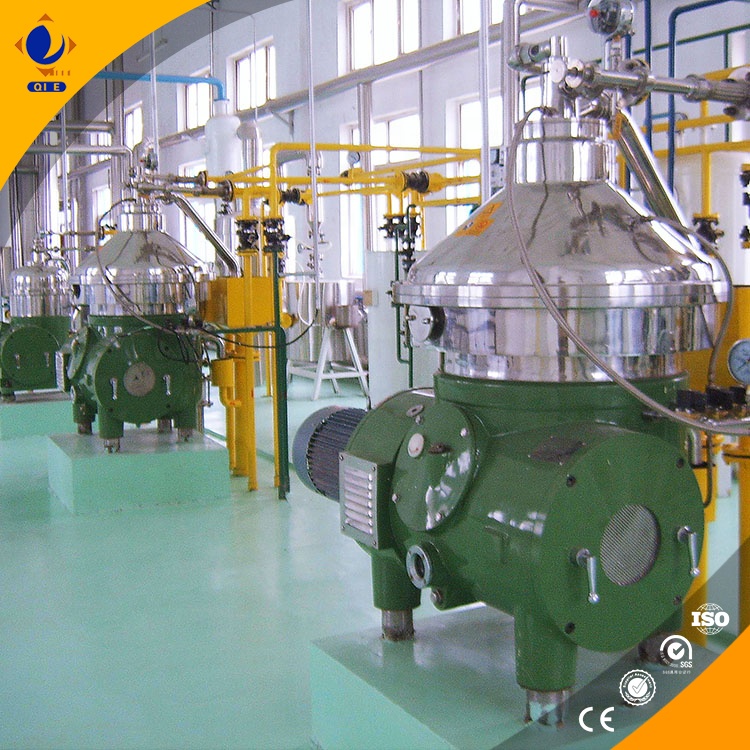
Even with excellent hardware, daily efficiency is largely shaped by how operators run temperature ramps, vacuum stability, and pumping pressure. The goal is not aggressive cutting—it is repeatable control that keeps quality stable while minimizing unnecessary time at high energy states.
Temperature ramps: avoid repeated overshoot. A stable ramp typically reduces batch time and can cut heating energy by 3–8% versus “manual chasing” behavior.
Pump discharge pressure: run at the lowest pressure that still achieves required flow and separation. Excess pressure usually becomes heat and noise—pure loss.
Vacuum discipline: check leak points and condenser stability first, before extending deodorization time. Longer time is the most expensive “fix.”
If batch time increases →
  Check vacuum stability (leaks / condenser temp) →
    If vacuum unstable: fix leaks / cooling first
    Else: verify temperature sensor calibration & PID behavior →
      If oscillation: tune control / reduce overshoot →
        Then adjust agitation RPM & pump flow to match process needs
This logic tends to reduce “time-based” troubleshooting that silently inflates kWh/ton.
To help procurement teams compare options, the following model uses conservative reference values for a small refinery. Exact performance depends on local steam cost, electricity tariff, crude oil quality (FFA, moisture), and target specs.
| Metric | Conventional setup | Optimized setup | Typical improvement |
|---|---|---|---|
| Electricity (kWh/ton refined) | 55–75 | 45–62 | ~10–20% |
| Steam / thermal demand (kg steam/ton) | 220–320 | 190–280 | ~8–15% |
| Neutral oil loss to soapstock (%) | 0.8–1.6 | 0.6–1.2 | ~0.2–0.4 pts |
| CO₂ reduction potential (kg CO₂/ton refined)* | — | — | ~6–18 |
*CO₂ reference assumes grid factor ~0.55 kg CO₂/kWh and electricity savings of ~10–25 kWh/ton; steam-related CO₂ depends on boiler fuel and is not included here.
Energy-saving claims become credible when backed by traceable quality management and compliance thinking. In many export-facing markets, refiners increasingly need documented equipment quality, process repeatability, and maintenance records to support audits and sustainability reporting.
Small palm oil refining equipment with strong energy logic tends to perform best when plants handle mixed crude quality, run multiple SKUs, or operate in locations where utilities are constrained. For these users, the advantage is not only lower kWh/ton—it is predictable output quality with fewer corrective cycles.
A decision-ready comparison usually comes down to whether the supplier can convert efficiency into verifiable parameters. Penguin Group typically recommends buyers request answers in measurable terms:

 450
|
450
|
 palm oil automation control
PLC system debugging
palm oil equipment alarm codes
intelligent monitoring for oil processing machinery
pressing and refining equipment maintenance
175
|
palm oil refining equipment
PLC control system
automated grain and oil machinery
intelligent monitoring system
food-grade production standards
430
|
Palm oil refining
PLC control system
Automation control
Remote operation and maintenance
Quality traceability
palm oil automation control
PLC system debugging
palm oil equipment alarm codes
intelligent monitoring for oil processing machinery
pressing and refining equipment maintenance
175
|
palm oil refining equipment
PLC control system
automated grain and oil machinery
intelligent monitoring system
food-grade production standards
430
|
Palm oil refining
PLC control system
Automation control
Remote operation and maintenance
Quality traceability
 41
|
PLC control in palm oil refining
temperature pressure closed-loop control
automated refining equipment
PLC application in oil processing
palm oil refining process optimization
222
|
palm fruit preprocessing
extreme climate resistant equipment
palm oil production optimization
automated control systems
equipment maintenance troubleshooting
41
|
PLC control in palm oil refining
temperature pressure closed-loop control
automated refining equipment
PLC application in oil processing
palm oil refining process optimization
222
|
palm fruit preprocessing
extreme climate resistant equipment
palm oil production optimization
automated control systems
equipment maintenance troubleshooting