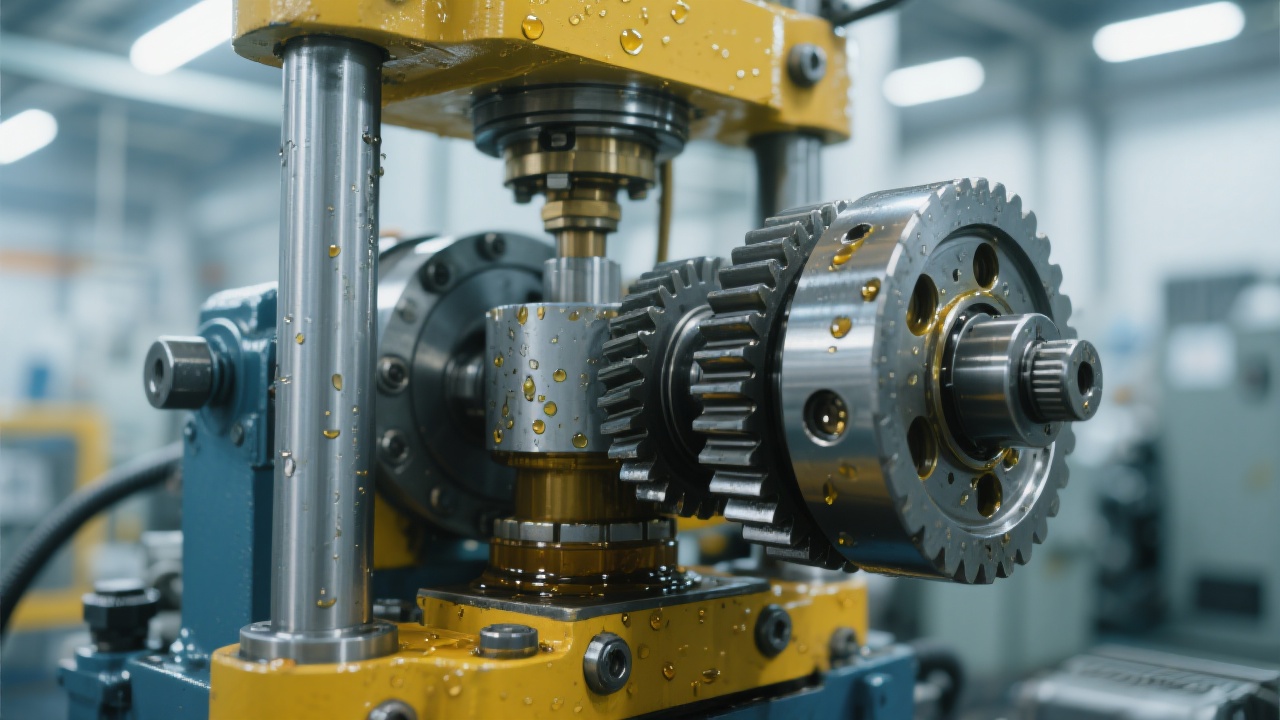
As a technical leader or procurement decision-maker in a small or medium-sized oil processing enterprise, you're likely well aware of the numerous challenges you face. Frequent equipment breakdowns can lead to significant production disruptions. In fact, according to industry data, a certain region's small and medium-sized oil mills experience an average of 3.5 unplanned breakdowns per year, resulting in an average loss of 15 days of production time.
Insufficient oil purity is another major headache. Low - quality oil products can damage your brand reputation and limit your market share. And high labor costs are squeezing your profit margins. Many enterprises are spending up to 30% of their total operating costs on labor, which is a substantial burden.
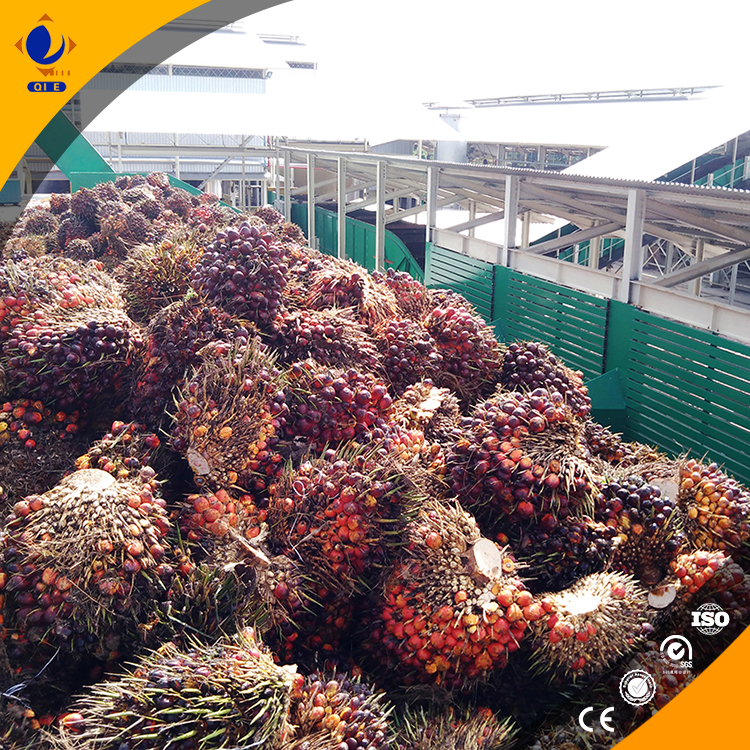
When it comes to selecting refining equipment, the processing capacity is a critical factor. Let's take a look at the difference between a 10 - ton - per - day and a 20 - ton - per - day processing capacity. A small oil mill with a relatively stable market demand of around 8 - 12 tons per day may find that a 10 - ton - per - day equipment is a good fit. It can meet the daily production needs without over - investing in excessive capacity.
On the other hand, if your enterprise is planning for expansion or has a fluctuating market demand that can reach up to 18 - 22 tons per day, a 20 - ton - per - day equipment would be more appropriate. A real - world case shows that an oil mill initially chose a 10 - ton - per - day equipment. As its market share grew, it had to stop production for 2 months to upgrade the equipment, causing a loss of potential business opportunities.
To better visualize the relationship between processing capacity and production planning, we recommend creating an information chart. This chart can compare different processing capacities, corresponding production costs, and potential revenue under various market scenarios.
The materials of core components such as pumps, gears, bearings, and engines have a profound impact on the equipment's lifespan and maintenance costs. High - quality materials can significantly extend the service life of the components. For example, a pump made of high - grade stainless steel may have an average service life of 8 - 10 years, while a pump made of ordinary steel may only last 3 - 5 years.
Using brand - original parts is also crucial. Brand - original parts are designed to fit perfectly with the equipment, ensuring optimal performance. In contrast, non - original parts may lead to increased wear and tear, higher failure rates, and ultimately, more frequent and costly maintenance. A study found that oil mills using non - original parts spend 40% more on maintenance over a 5 - year period compared to those using brand - original parts.
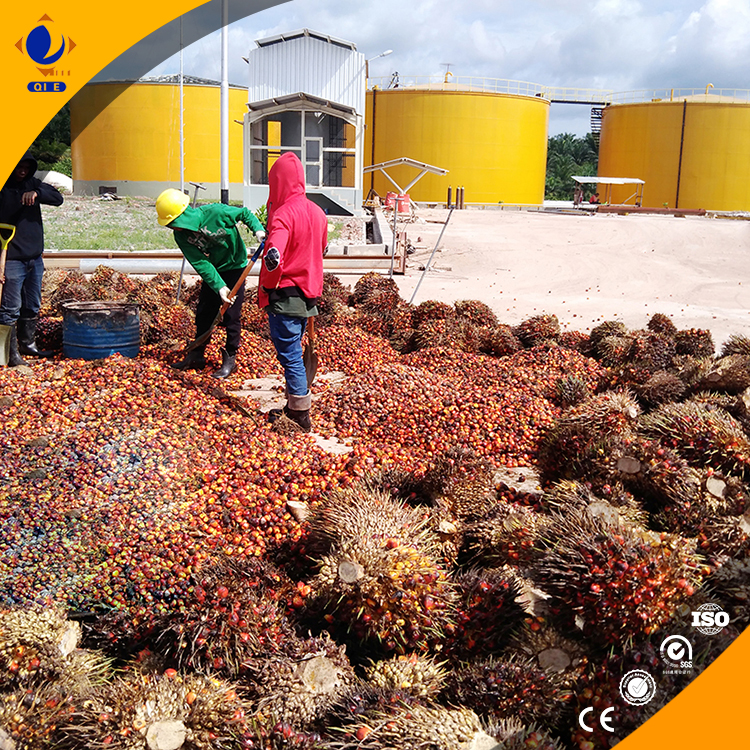
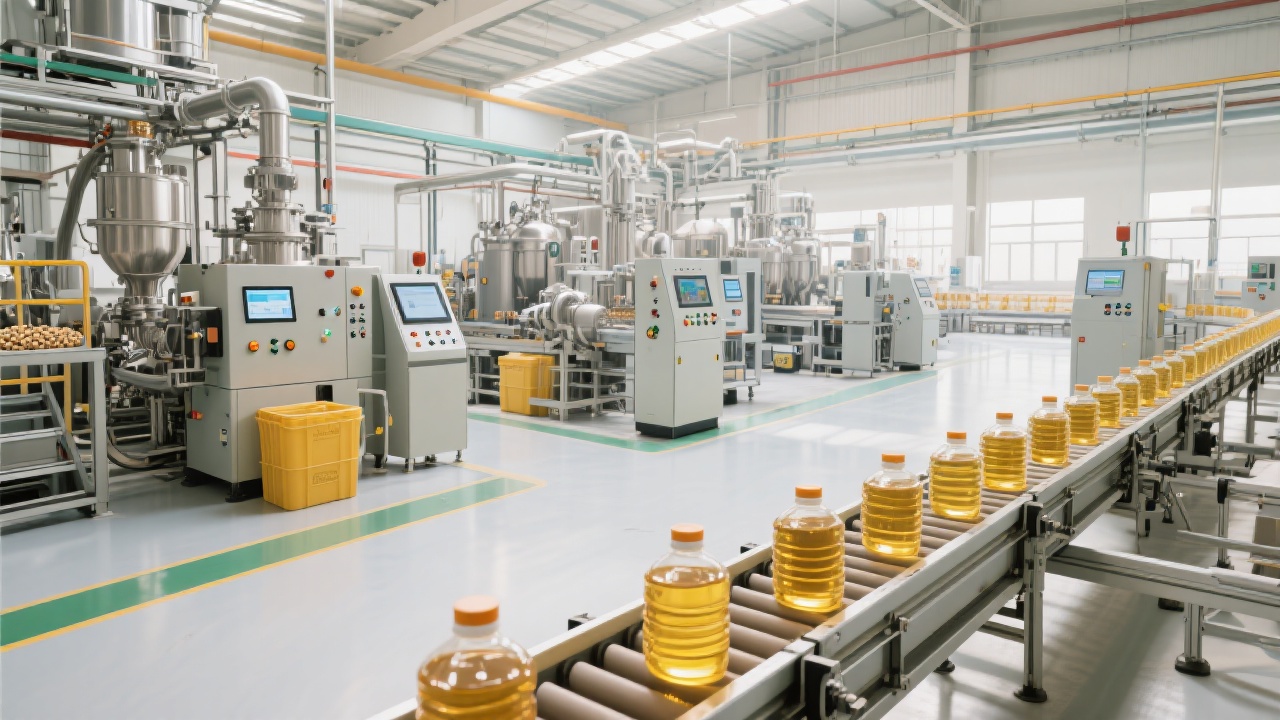
Automated control systems are revolutionizing the oil refining industry. They can significantly reduce operational errors. Manual operations are prone to human error, especially during long - shift work. An automated system can perform tasks with high precision, ensuring consistent product quality.
Moreover, automated control systems can reduce the reliance on human labor. This not only cuts down on labor costs but also improves workplace safety. By minimizing the need for workers to operate in high - risk areas, the risk of accidents is greatly reduced. In addition, these systems can maintain a stable production process, resulting in more consistent product quality, which is highly valued by customers.
The ISO 9001 quality management system is not just a compliance label. It plays a vital role in standardizing production processes and controlling risks. A well - implemented ISO 9001 system can ensure that every step of the production process is carried out according to strict standards, reducing the likelihood of quality issues.
It also helps in identifying and mitigating potential risks. For example, through regular audits and process improvements, enterprises can prevent equipment failures and product quality problems before they occur. Many oil processing enterprises with ISO 9001 certification have reported a 20% reduction in product rejection rates and a 15% increase in customer satisfaction.
Before making a purchase decision, it's essential to ask the right questions. Here are 5 technical questions that can help you rationally evaluate the equipment's performance and service capabilities:
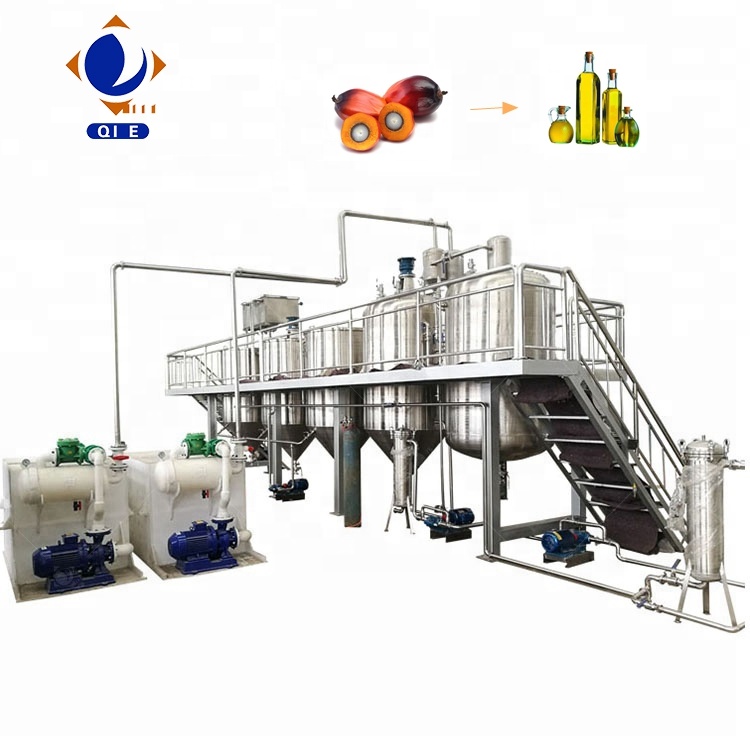
Making the right choice in refining equipment is crucial for the long - term success of your small or medium-sized oil processing enterprise. By understanding these key factors and asking the right questions, you can avoid costly mistakes and improve your market competitiveness.

 440
|
440
|
 palm fruit pretreatment
high humidity washing technology
palm oil extraction equipment
customized processing machinery
cooking temperature optimization
palm fruit pretreatment
high humidity washing technology
palm oil extraction equipment
customized processing machinery
cooking temperature optimization
 394
|
palm kernel oil refining equipment
energy-efficient palm oil refining solutions
cost-effective palm oil refining technology
394
|
palm kernel oil refining equipment
energy-efficient palm oil refining solutions
cost-effective palm oil refining technology
 153
|
palm kernel oil extraction technology
energy-saving refining equipment
low solvent consumption oil production
green manufacturing solutions
residual oil reduction techniques
153
|
palm kernel oil extraction technology
energy-saving refining equipment
low solvent consumption oil production
green manufacturing solutions
residual oil reduction techniques
 369
|
palm kernel oil refining automation
refining equipment stability
oil processing automation systems
palm oil production optimization
intelligent control in oil refining
369
|
palm kernel oil refining automation
refining equipment stability
oil processing automation systems
palm oil production optimization
intelligent control in oil refining
 397
|
PLC palm kernel oil equipment
automation control system
intelligent adjustment technology
palm kernel oil extraction process
equipment reliability
397
|
PLC palm kernel oil equipment
automation control system
intelligent adjustment technology
palm kernel oil extraction process
equipment reliability