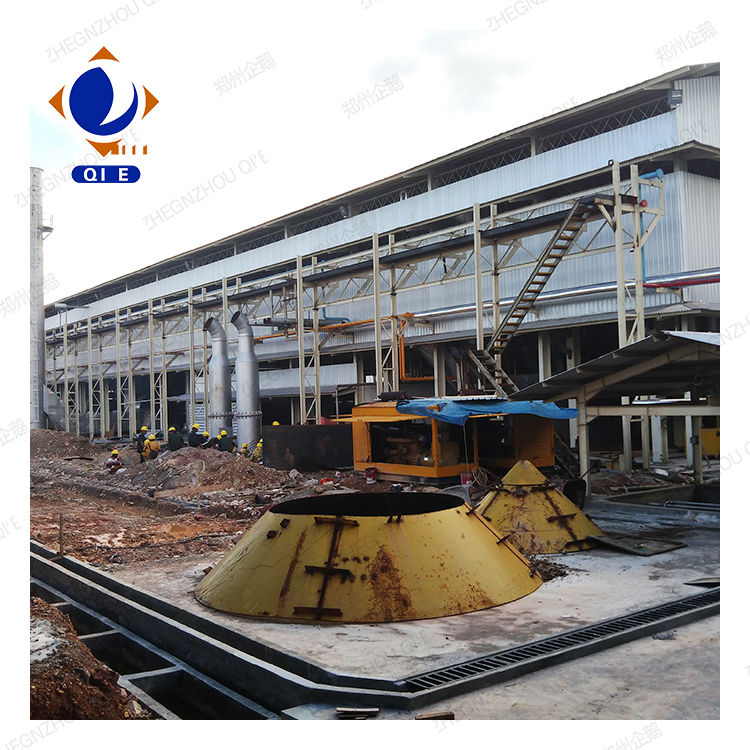
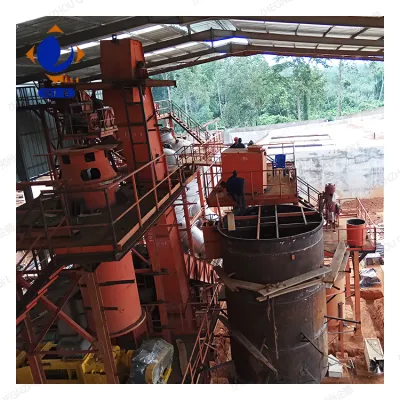
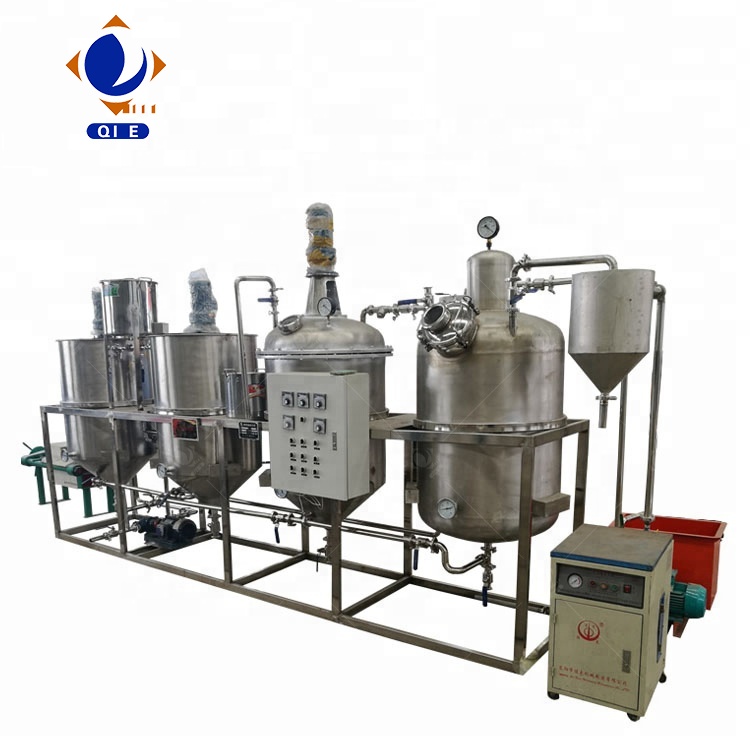
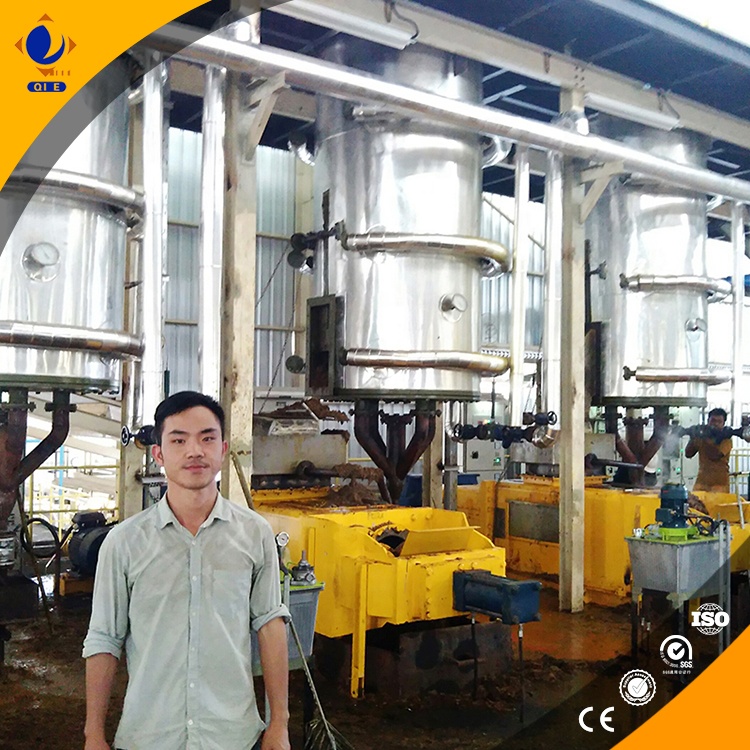
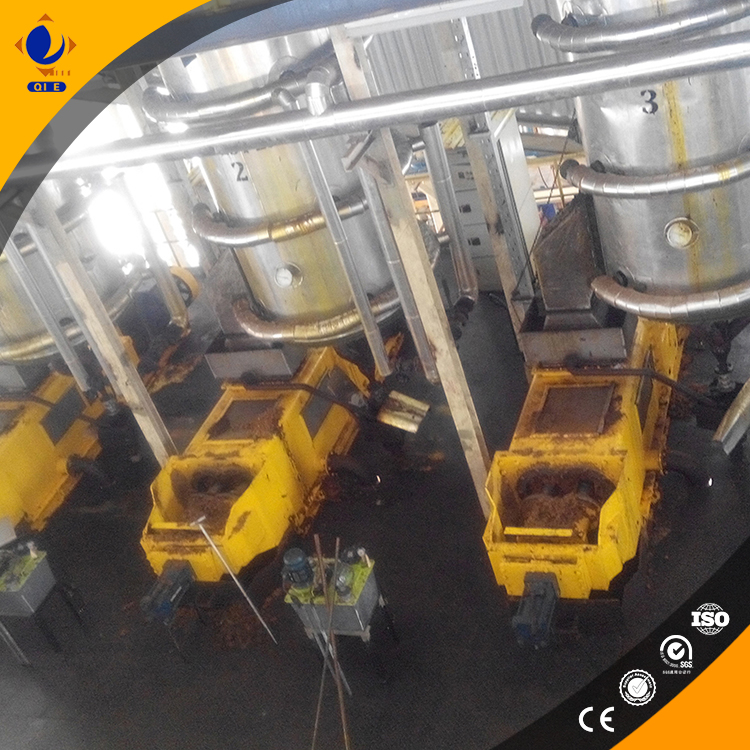
In the competitive world of palm oil processing, uptime isn’t just a goal—it’s a business imperative. A single unplanned shutdown can cost up to $5,000 per hour in lost production and quality degradation. That’s where modern remote monitoring and maintenance technologies come in—not as a luxury, but as a necessity for continuous, safe, and compliant operations.
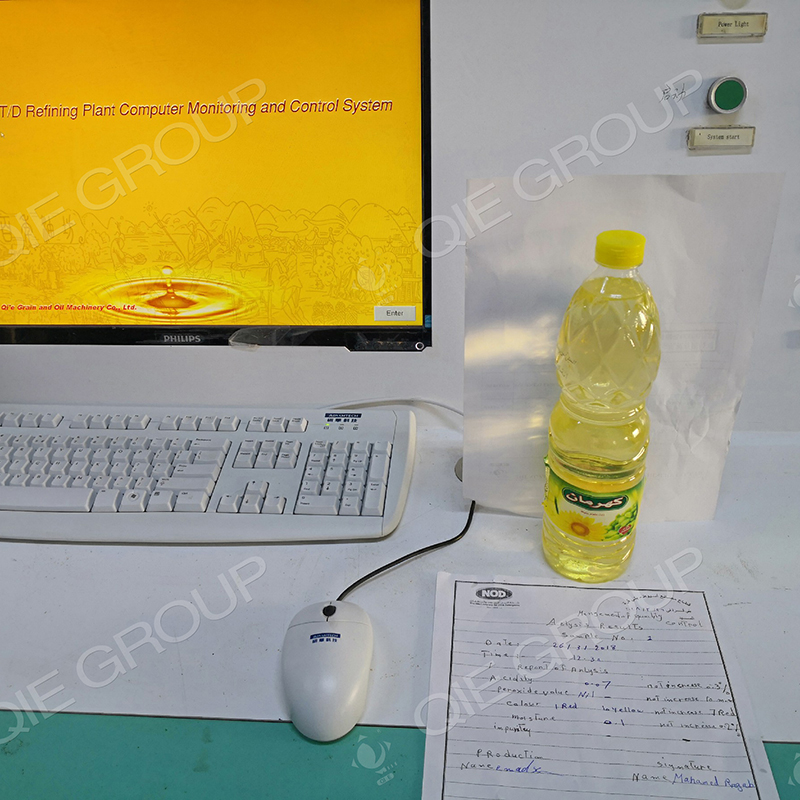
At the heart of reliable palm oil refining lies the Programmable Logic Controller (PLC) system. These intelligent controllers monitor critical parameters such as temperature (±0.5°C accuracy), pressure (up to 15 bar), and flow rate (±2% deviation). According to data from over 400 installations across Southeast Asia, systems using real-time PLC feedback reduce abnormal process deviations by 67% compared to manual oversight.
“We’ve cut our average response time from 4 hours to under 30 minutes since implementing remote diagnostics. It’s not just faster—it’s more predictable.”
—— *Rajiv Mehta, Senior Process Engineer, PT Sinar Mas Agroindustri*
A recent case involving a 120-ton-per-day palm oil refinery in Malaysia illustrates this power. An unexpected alarm (code E-102) triggered during night shift operations—indicating a potential valve misalignment in the deodorizer unit. Instead of waiting for on-site engineers, the remote team accessed live sensor logs via cloud-based SCADA software. Within 22 minutes, they identified an incorrect actuator signal caused by a faulty relay. The fix was remotely initiated, avoiding a full-line stoppage that would have cost ~$8,000 in downtime.
This level of responsiveness is now standard for forward-thinking processors who prioritize food-grade safety standards like HACCP and ISO 22000. By integrating automated data logging with batch tracking, manufacturers gain full traceability—from raw crude palm oil to final refined product.
Remote monitoring isn't just about fixing issues—it's about preventing them. With daily data collection from over 10,000 sensors across multiple plants, predictive analytics tools can flag early signs of wear or inefficiency. For example, a consistent 3% increase in steam consumption over three days often precedes mechanical failure in evaporators by 7–10 days. This allows proactive scheduling instead of reactive firefighting.
For buyers looking to scale sustainably, these insights translate into better compliance, lower waste, and improved ROI on capital equipment. In fact, companies leveraging smart monitoring report a 22% reduction in maintenance costs within one year.
Ready to optimize your palm oil refining operation?
Download our free Equipment Technical Manual & Remote Maintenance Guide—used by top-tier producers in Indonesia, Nigeria, and Brazil—to learn how to implement best practices in real-world conditions.
Get Your Free Guide Now
 403
|
403
|
 palm fruit preprocessing equipment
corrosion-resistant materials for agro-processing
automatic control systems in oil palm mills
extreme climate agricultural machinery
palm oil processing optimization
palm fruit preprocessing equipment
corrosion-resistant materials for agro-processing
automatic control systems in oil palm mills
extreme climate agricultural machinery
palm oil processing optimization
 380
|
palm oil refining equipment
advanced extraction processes
automated PLC control system
380
|
palm oil refining equipment
advanced extraction processes
automated PLC control system
 67
|
palm oil refining equipment
energy-efficient palm oil processing
advanced PLC control systems
67
|
palm oil refining equipment
energy-efficient palm oil processing
advanced PLC control systems
 312
|
efficient palm oil refining equipment
Penguin Group
palm oil processing
production efficiency enhancement
energy-saving and environmentally friendly
increased competitive edge
312
|
efficient palm oil refining equipment
Penguin Group
palm oil processing
production efficiency enhancement
energy-saving and environmentally friendly
increased competitive edge
 99
|
PLC automation control system
palm kernel oil extraction process
closed-loop control in oil processing
industrial automation for edible oils
smart sensor network in food processing
99
|
PLC automation control system
palm kernel oil extraction process
closed-loop control in oil processing
industrial automation for edible oils
smart sensor network in food processing