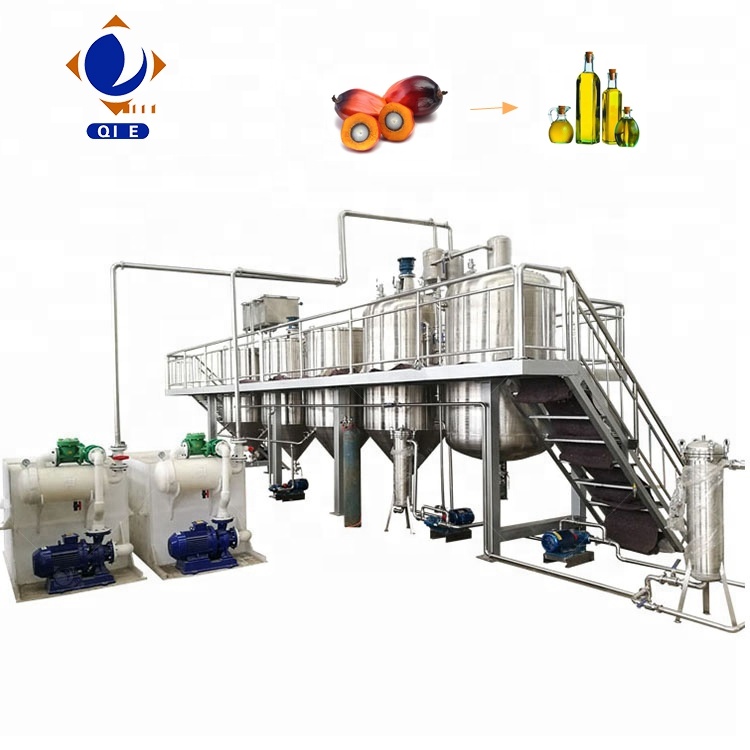
In the competitive palm oil processing industry, uptime isn’t just a goal—it’s a necessity. One of our clients, Qingping Group, recently upgraded their refining line with an intelligent PLC-based control system that reduced unplanned downtime by up to 40% over six months, according to internal data from their operations team.
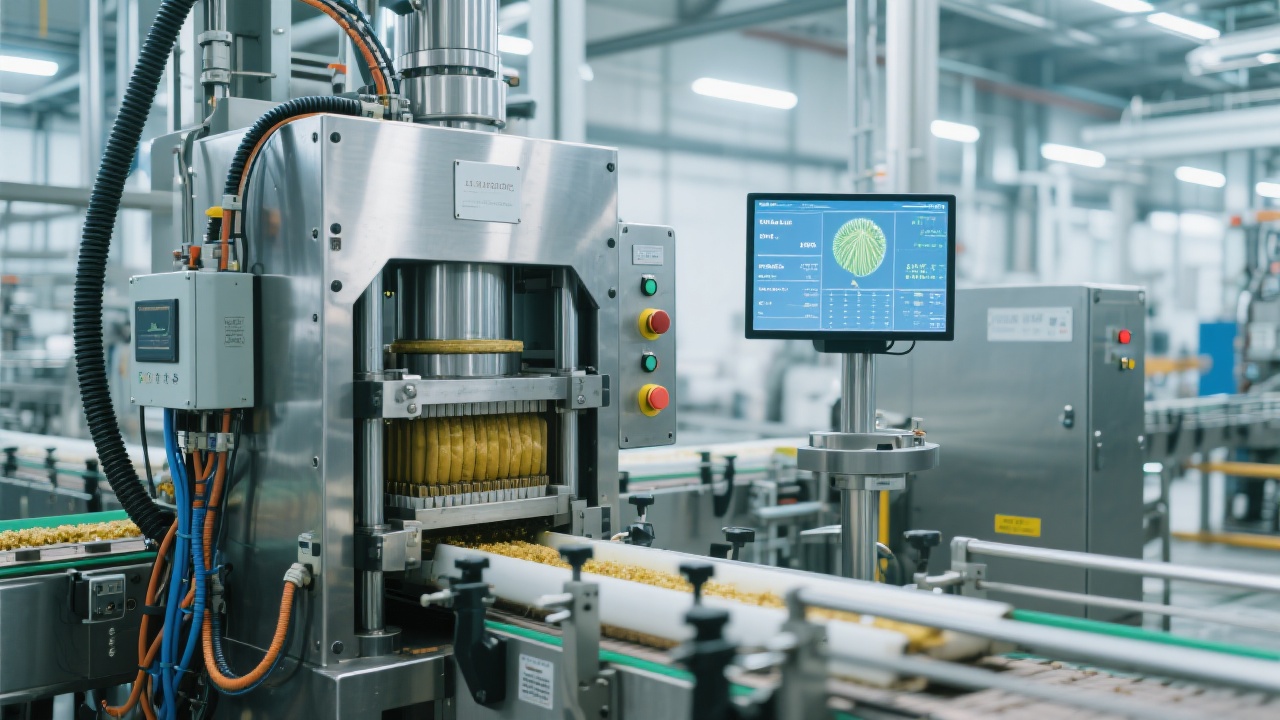
The new system integrates temperature, pressure, and flow sensors across critical zones—pre-heating, extraction, and bleaching stages—with real-time feedback loops controlled by industrial-grade PLCs. For example, when the vacuum level in the degumming unit drops below 90% of setpoint, the system automatically adjusts steam input within seconds—not waiting for manual intervention.
This kind of automation doesn’t just improve consistency—it builds trust. In one case, a sensor detected a minor leak in the oil transfer pipeline during off-peak hours. The system triggered an alert, logged the event, and sent a notification to both on-site engineers and remote support teams. By the time the technician arrived, they had already reviewed the diagnostic log and brought the right tools. No production delay occurred.
Every batch now comes with a digital twin—complete with timestamps, process parameters, and environmental conditions (like ambient humidity). This is more than compliance; it’s a powerful tool for quality assurance. If a customer reports off-taste or cloudiness, the plant can trace back to exactly which tank, shift, and even operator was involved—all within minutes.
Industry standards like ISO 22000 and HACCP require this level of documentation. But beyond regulation, smart data helps plants identify subtle patterns—such as how a 2°C variation in pre-treatment temperature affects downstream clarity. Over time, these insights drive continuous improvement.
Pro Tip: Don’t wait for failures. Set up predictive thresholds based on historical performance—not just factory defaults. Our engineers recommend starting with 3 key metrics per unit: temperature stability, pressure variance, and flow consistency.
With global supply chains under constant pressure, having access to expert support without travel is a game-changer. In Q4 2023, we helped a Malaysian client resolve a complex alarm code (E-124) remotely—saving them nearly $1,200 in travel costs and 3 days of lost production.
Our remote diagnostics platform allows certified technicians to view live dashboards, run simulated tests, and even guide local staff through troubleshooting steps via secure video links. It’s not magic—it’s engineering made practical.
Looking ahead, the next wave of innovation lies in edge computing and machine learning models trained on real-world palm oil data. Imagine a system that learns from thousands of batches to predict optimal settings for each raw material source—or flags anomalies before they become failures.
For processors ready to scale, this isn't just about efficiency—it's about resilience. As climate variability increases and labor shortages persist, automation becomes less of a luxury and more of a survival strategy.
Get our free whitepaper: “5 Steps to Implementing a Reliable Remote Monitoring System for Palm Oil Processing.” Includes checklists, sample alarm codes, and setup timelines.
Download Now – Free Access
 228
|
228
|
 Palm acid oil refining equipment
Energy-efficient environmental technology
Fully automated PLC control system
Palm oil processing
Production cost reduction
Palm acid oil refining equipment
Energy-efficient environmental technology
Fully automated PLC control system
Palm oil processing
Production cost reduction
 467
|
palm fruit pre-treatment process
steaming temperature curve design
African palm oil processing
oil yield improvement technology
customized processing equipment
467
|
palm fruit pre-treatment process
steaming temperature curve design
African palm oil processing
oil yield improvement technology
customized processing equipment
 67
|
palm oil refining equipment
energy-efficient palm oil processing
advanced PLC control systems
67
|
palm oil refining equipment
energy-efficient palm oil processing
advanced PLC control systems
 201
|
Palm Kernel Oil Automation
PLC Control Systems
Intelligent Adjustment Technology
Production Line Stability
Palm Kernel Oil Extraction Equipment
201
|
Palm Kernel Oil Automation
PLC Control Systems
Intelligent Adjustment Technology
Production Line Stability
Palm Kernel Oil Extraction Equipment
 298
|
palm oil refining equipment
energy-efficient oil processing
automated palm oil production
298
|
palm oil refining equipment
energy-efficient oil processing
automated palm oil production