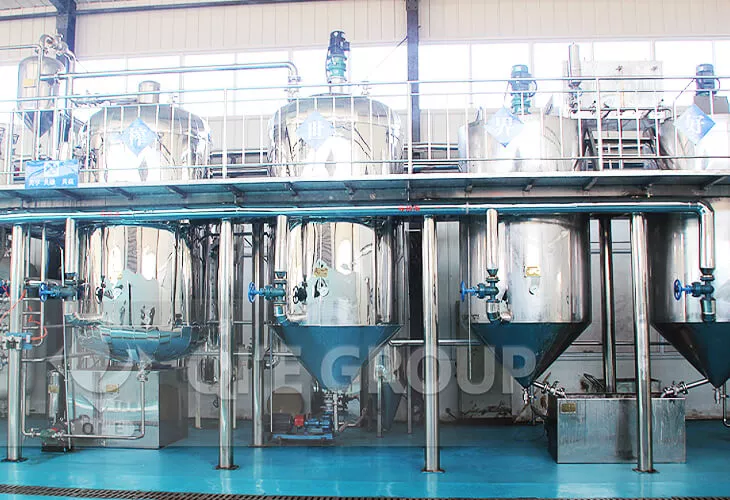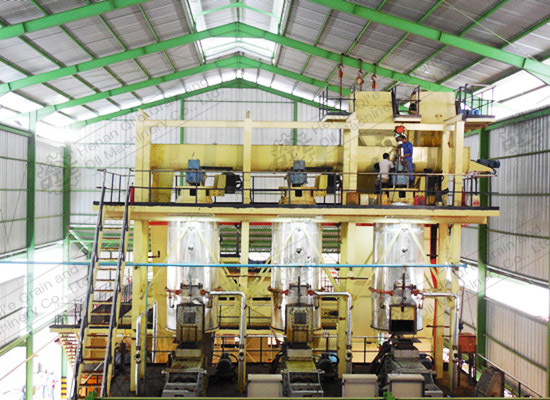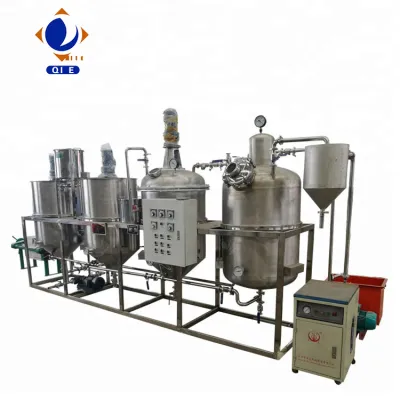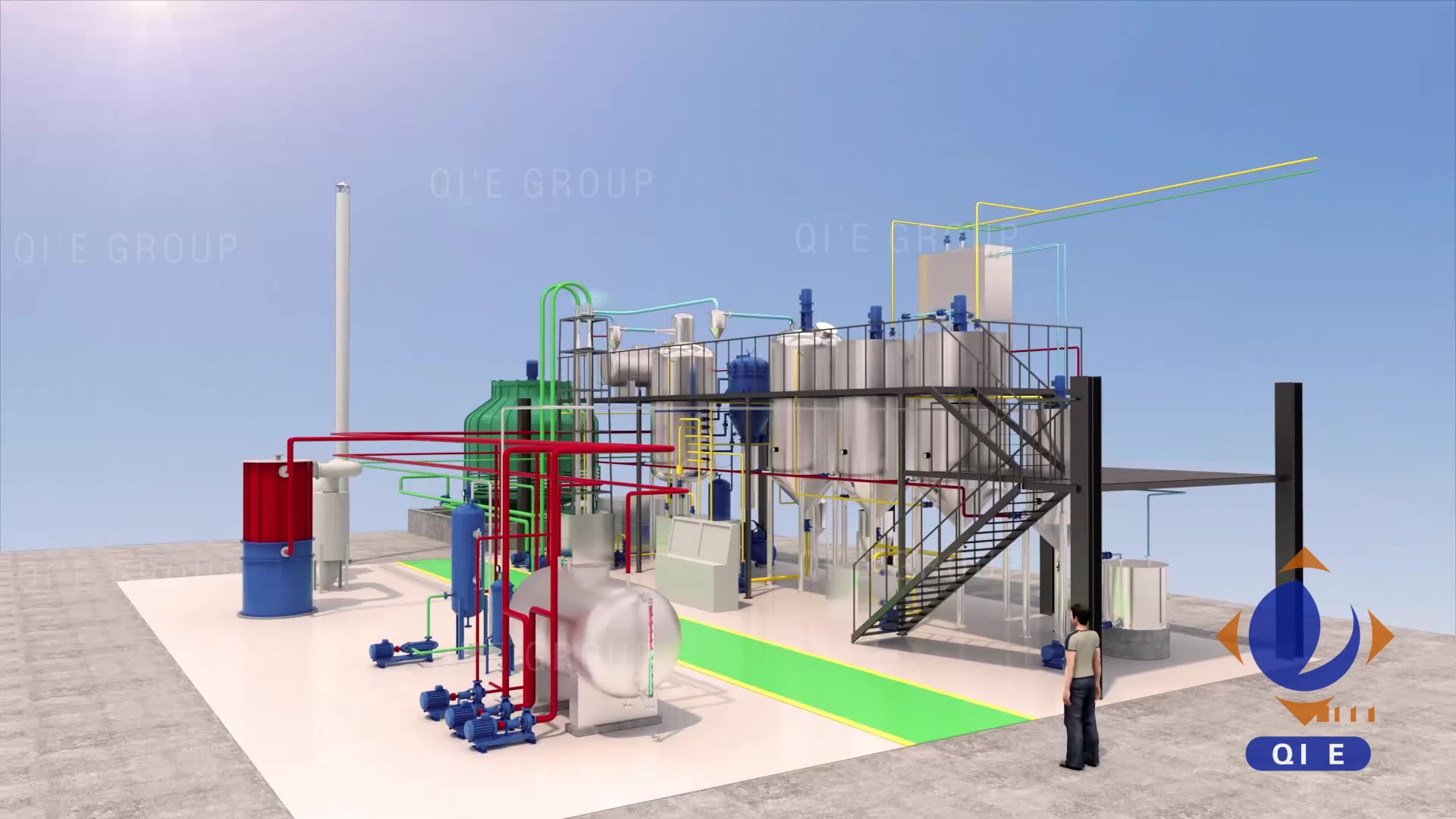
Are you a technical leader or procurement decision-maker in a small or medium-sized oil factory? Have you ever encountered production stops or customer losses due to equipment failures? In today's highly competitive market, controlling costs and reducing risks are crucial for the survival and development of small and medium-sized oil factories. This is where automated refining equipment comes into play, offering a solution to these challenges. Let's take a closer look at how this technology can transform your operations.
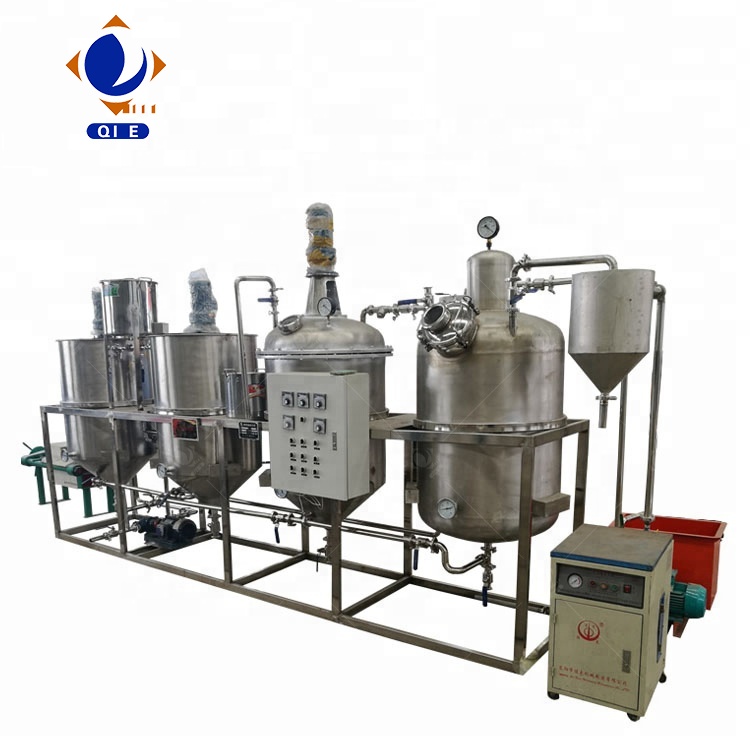
Selecting the right production capacity is fundamental for small and medium-sized oil factories. For instance, consider the difference between a 10 - ton - per - day and a 20 - ton - per - day palm kernel oil refining equipment. The 10 - ton - per - day model is more suitable for small - scale production or factories with limited market demand. Industry data shows that small and medium-sized oil factories usually have production volumes ranging from 5 to 20 tons per day. Choosing equipment that matches your actual production needs can prevent over - investment and idle capacity, ensuring that every penny is spent wisely.
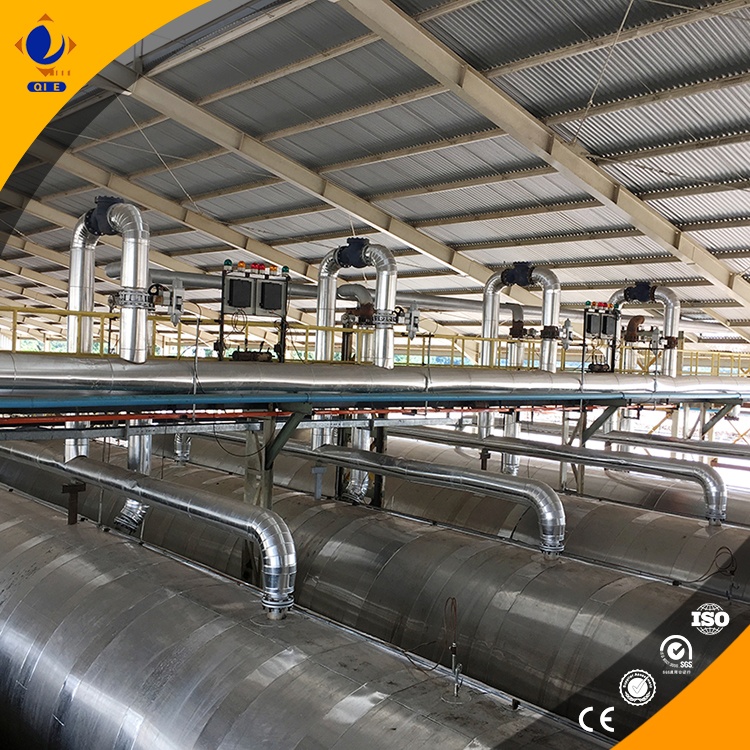
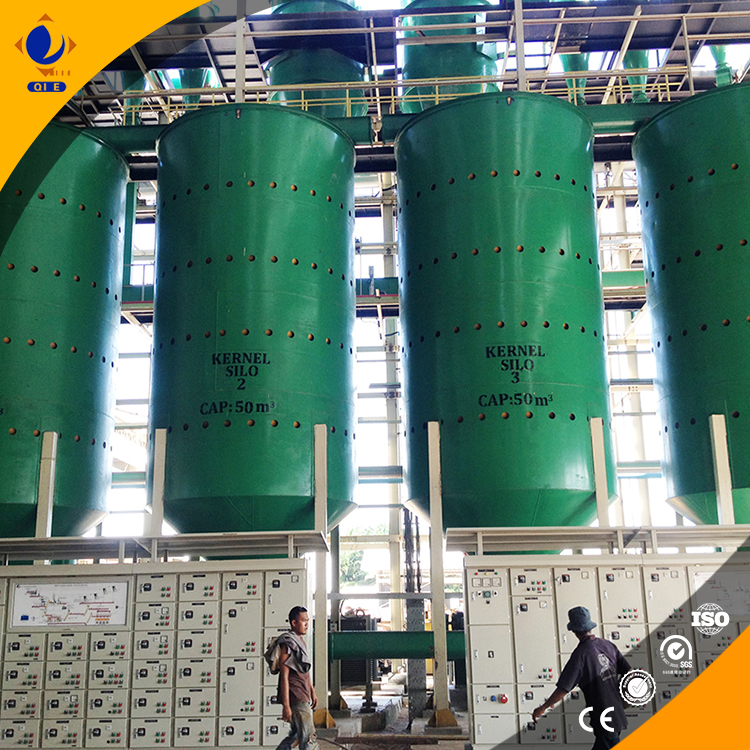
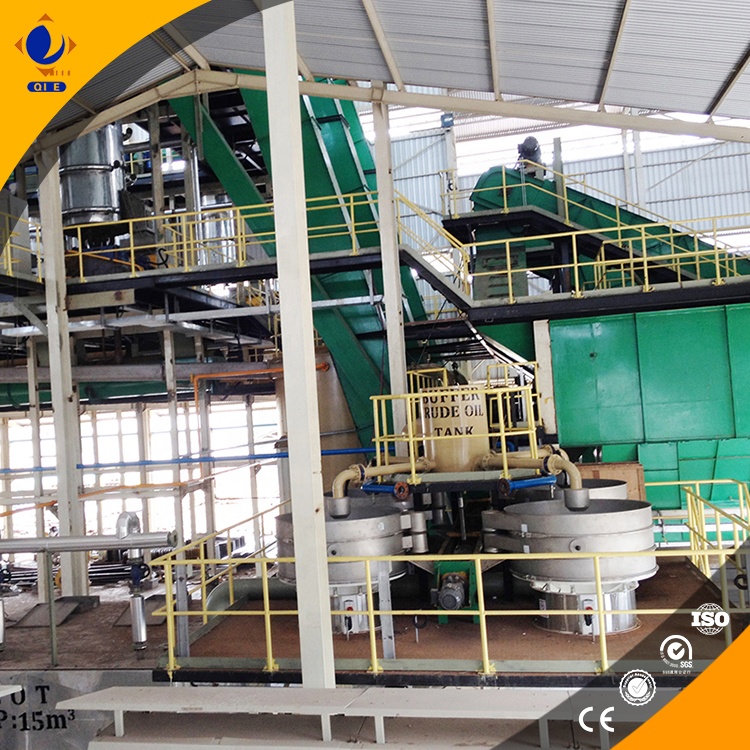
The automation level of refining equipment directly impacts labor costs. Highly automated equipment can significantly reduce the need for manual operation. Research indicates that factories using fully automated palm kernel oil refining equipment can reduce labor costs by up to 40% compared to those using semi - automated or manual equipment. With an intelligent control system, the equipment can automatically adjust parameters, monitor production processes, and detect and handle faults, minimizing human errors and improving production efficiency.
The materials of core components such as pumps, gears, and bearings play a vital role in the service life of the equipment. High - quality materials can resist wear, corrosion, and high - temperature damage. For example, the average replacement cycle of equipment with high - quality core components is about 5 - 7 years, while that of equipment with low - quality components is only 2 - 3 years. By investing in equipment with superior core components, you can reduce the frequency of equipment replacement and lower maintenance costs in the long run.
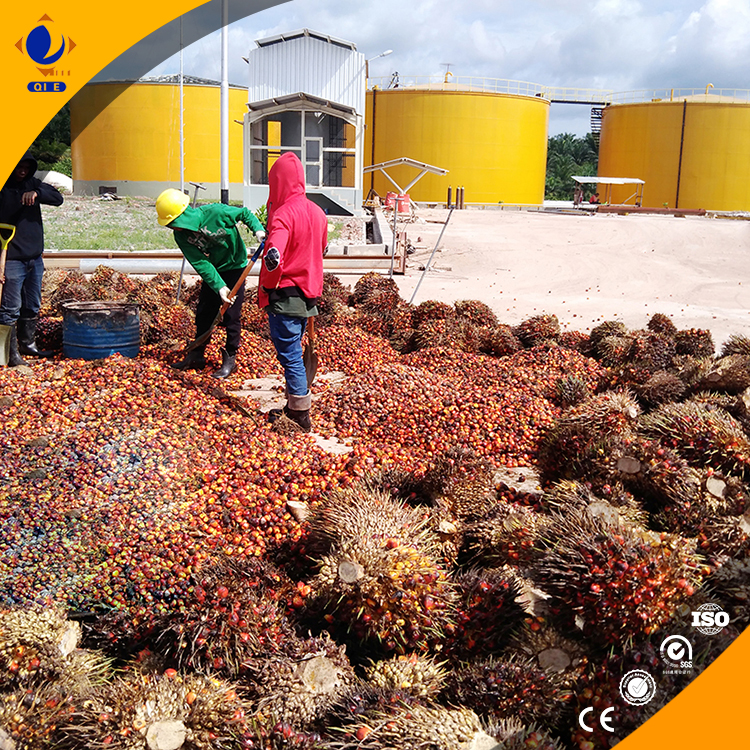
An equipment with an ISO9001 quality system provides long - term stability. This quality management system ensures that every step of the equipment production process is strictly controlled, from design and manufacturing to installation and after - sales service. Factories using equipment with ISO9001 certification have a 30% lower chance of experiencing major production disruptions compared to those without such certification, ensuring continuous and stable production.
When evaluating the investment in refining equipment, it's essential to look at the data. For example, comparing the oil extraction rate of different equipment can help you understand their efficiency. On average, advanced palm kernel oil refining equipment can achieve an oil extraction rate of 85% - 90%, while traditional equipment only reaches 70% - 75%. This difference directly affects the output and profit of your factory. Moreover, analyzing the cost - effectiveness ratio by considering factors such as purchase price, operation cost, and maintenance cost can help you make a more rational investment decision.
Before making a purchase, here are 5 technical questions you must ask:
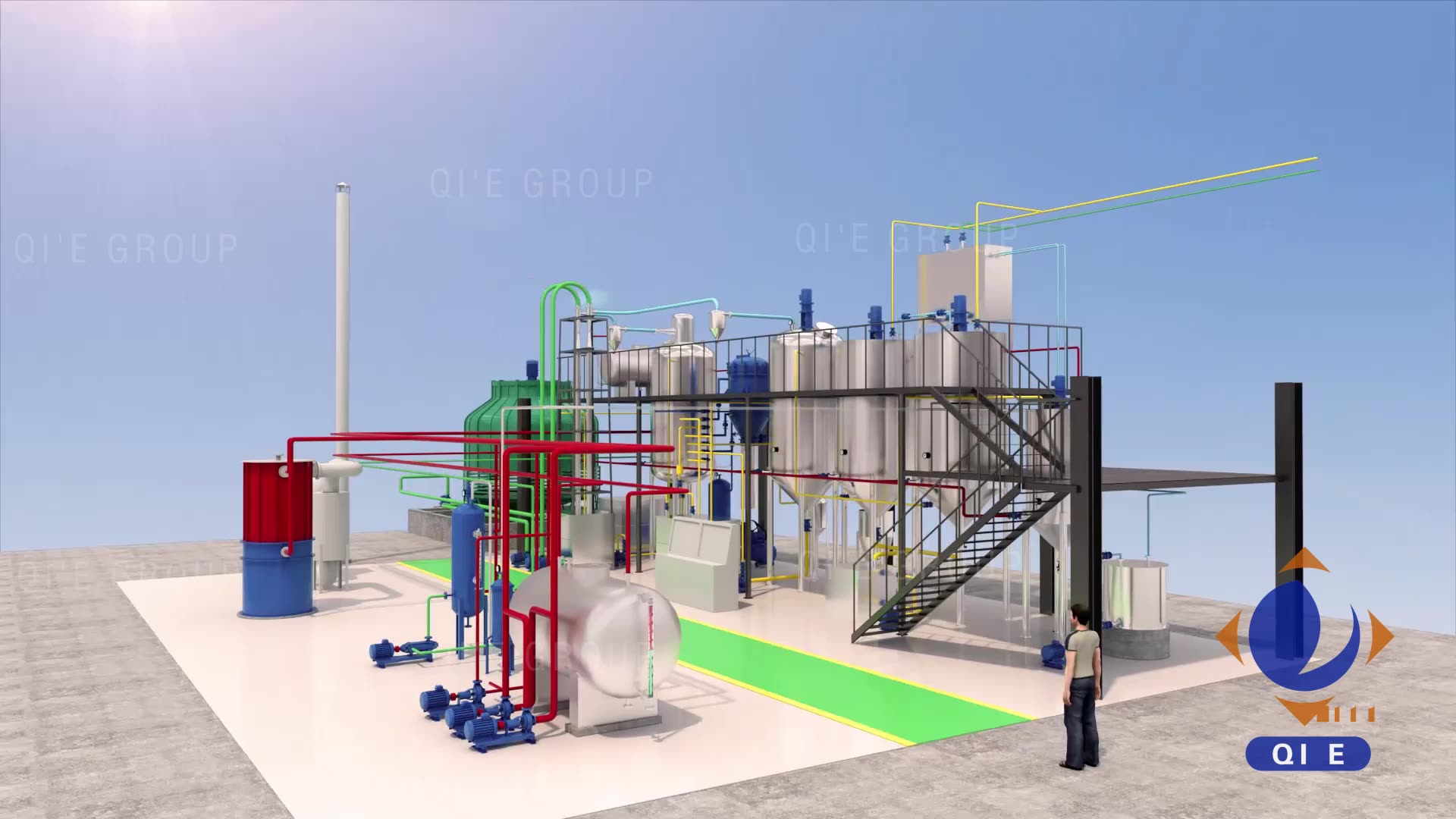
Making the right decision on refining equipment can significantly reduce your factory's operating costs and maintenance risks, while improving production capacity and product quality. If you want to learn more about how to select the most suitable refining equipment for your factory, click the button below to download our Refining Equipment Selection Self - Check Table.

 394
|
394
|
 palm kernel oil refining equipment
energy-efficient palm oil refining solutions
cost-effective palm oil refining technology
palm kernel oil refining equipment
energy-efficient palm oil refining solutions
cost-effective palm oil refining technology
 304
|
Crude Palm Oil Refining Equipment
Energy-Efficient Equipment
Palm Oil Processing Equipment
Refining Process Optimization
Industrial Energy-Saving Technology
304
|
Crude Palm Oil Refining Equipment
Energy-Efficient Equipment
Palm Oil Processing Equipment
Refining Process Optimization
Industrial Energy-Saving Technology
 357
|
palm fruit preprocessing
palm oil extraction efficiency
rain season palm oil processing
non-standardized oil press equipment
palm oil yield optimization
357
|
palm fruit preprocessing
palm oil extraction efficiency
rain season palm oil processing
non-standardized oil press equipment
palm oil yield optimization
 349
|
palm oil pressing equipment energy efficiency
palm oil press optimization
palm oil processing heat recovery
automated control in oil extraction
palm oil pressing equipment parts upgrade
349
|
palm oil pressing equipment energy efficiency
palm oil press optimization
palm oil processing heat recovery
automated control in oil extraction
palm oil pressing equipment parts upgrade
 214
|
palm oil pressing equipment
energy-efficient oil extraction
heat recovery system
automated control in oil press
equipment optimization for palm oil processing
214
|
palm oil pressing equipment
energy-efficient oil extraction
heat recovery system
automated control in oil press
equipment optimization for palm oil processing