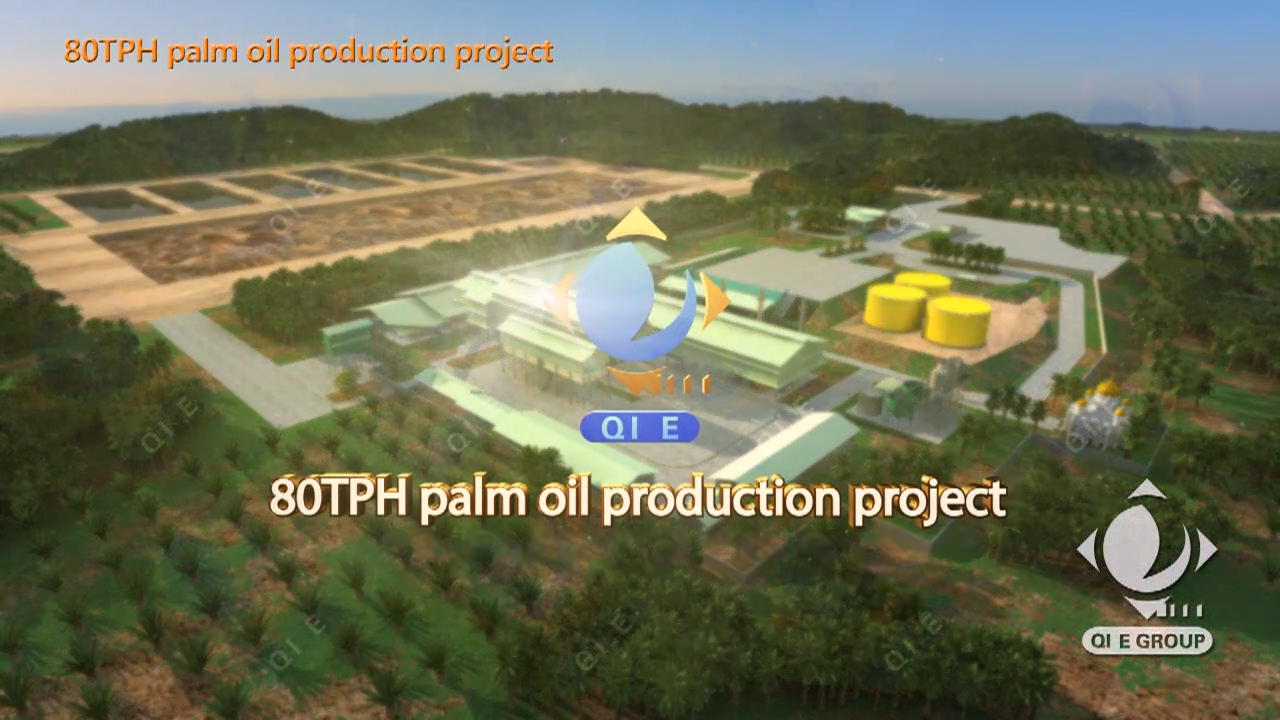
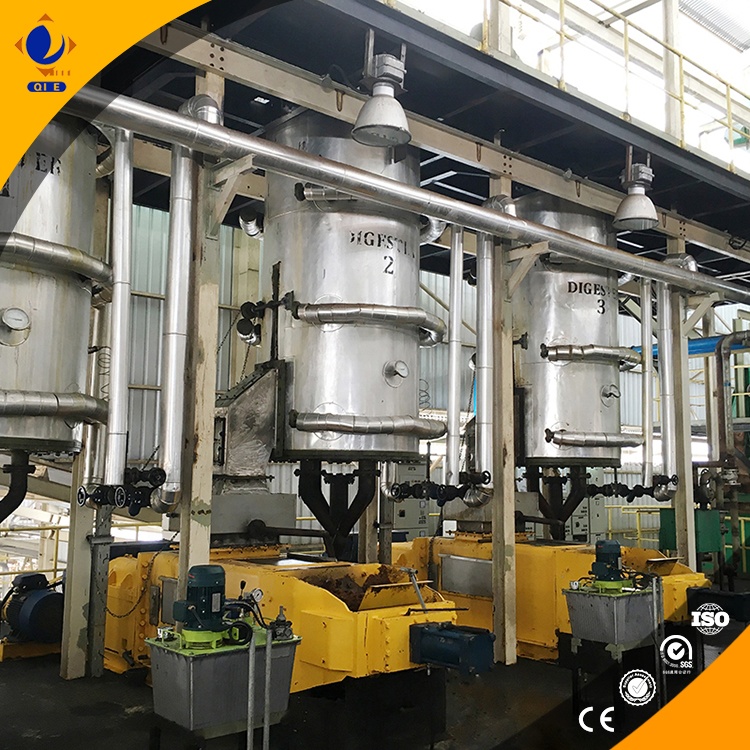
Palm oil mills located across Asia, Africa, and South America often encounter severe operational challenges due to the variable and extreme climatic conditions endemic to these regions. High equipment wear, inconsistent oil yield, and quality fluctuations frequently stem from suboptimal preprocessing of the palm fruit bunches. This article delves into the vital preprocessing stages—washing, crushing, and steaming—and how their optimization can substantially mitigate device degradation, enhance oil extraction rates, and stabilize product quality despite harsh environmental stressors.
Palm fresh fruit bunches (FFB) across different tropical areas exhibit notable variability in moisture content and impurity levels. Asian plantations, for example, commonly present FFB moisture of 50-55%, while African counterparts often exceed 58%, influenced by heavier rainfall patterns. South American supplies vary greatly depending on harvest seasonality, with moisture fluctuations between 48% and 60%. Additionally, dirt, sand, and fibrous residues differ substantially due to local farming practices and soil types.
These disparities directly affect preprocessing. Excessive moisture challenges washer and steamer performance, causing energy inefficiencies and accelerating corrosion, especially when standard equipment materials lack climate resilience. Meanwhile, uneven impurities raise risks of clogging crushers and pipework, resulting in frequent downtime and maintenance costs.
Washing is critical to remove dirt and sand that can damage downstream machinery. Adjusting the spray pressure of washing systems to the exact impurity load not only improves cleanliness but reduces water consumption and pump strain. Our research indicates that lowering spray pressure by 15-20% during dry periods prevents machinery erosion without sacrificing cleaning effectiveness.
Employing corrosion-resistant materials such as high-grade stainless steel 316 or polymer composites for washing tanks and piping significantly extends equipment lifespan. Automated clogging sensors paired with feedback control systems enable real-time pressure adjustments, maintaining optimal cleaning without manual intervention.
Crushing efficiency influences oil release profoundly. Selecting knife blades tailored to local fiber toughness and impurity composition drastically reduces blade wear, with field data showing a 25% increase in blade life when hardened alloys are applied in African facilities compared to standard carbon steel.
Additionally, equipment featuring modular knife assemblies allows rapid replacement and reduces downtime. Incorporating automatic adjustment mechanisms compensates for blade wear, sustaining consistent crushing force and particle size distribution, which correlates to a 10-12% improvement in oil extraction rate.
Steaming plays a pivotal role in loosening oil-bearing cells for extraction. Maintaining precise temperature control between 135°C and 145°C, with a standard steaming duration of 60-90 minutes, maximizes oil liberation without degrading quality. Oversteaming leads to free fatty acid spikes and equipment scaling; understeaming reduces yield.
Advanced sensors integrated with PLCs (Programmable Logic Controllers) automate temperature regulation while monitoring steam pressure deviations induced by ambient climatic changes, reducing human error. Implementation cases in South American mills reveal energy savings of approximately 8-10% and a 3-5% increase in extracted oil when such control systems are deployed.
Blockages in washing or crushing lines arise primarily from inadequate pre-sorting and ineffective impurity removal, leading to frequent mechanical damages and downtime. Scheduled impurity inspection protocols complement equipment upgrades and have resulted in a documented 30% reduction in clog-related interruptions.
Uneven oil output is often a symptom of inconsistent crushing particle size or steaming faults. Regular calibration of crushing knives and steaming parameters, assisted by automated systems, have proven essential in stabilizing output quality and meeting international standards.
Customizing preprocessing equipment with corrosion-resistant alloys and integrating automated adjustment systems addresses challenges unique to each locale’s climate and raw material variability. This non-standardized approach is crucial, as “one-size-fits-all” equipment frequently underperforms under regional stressors.
Our case studies demonstrate that mills investing in sensor-equipped, adaptive preprocessing lines reduce unplanned maintenance by up to 40% and boost annual throughput by 6-8%, translating into meaningful cost savings and competitive edge.
Download our comprehensive whitepaper to explore the latest advances in extreme climate-adaptive preprocessing systems and learn how to implement practical solutions that maximize efficiency and product quality in your plant.
Download Whitepaper »
 491
|
491
|
 palm oil refining technology
energy-efficient refining equipment
automated PLC control system
palm oil refining technology
energy-efficient refining equipment
automated PLC control system
 338
|
PLC automation control system for palm kernel oil processing
intelligent regulation technology in oil extraction
palm kernel oil refining equipment optimization
automated oil processing plant solutions
industrial control system for edible oil production
338
|
PLC automation control system for palm kernel oil processing
intelligent regulation technology in oil extraction
palm kernel oil refining equipment optimization
automated oil processing plant solutions
industrial control system for edible oil production
 366
|
palm kernel oil equipment
oil extraction machine
palm kernel oil production line
equipment commissioning issues
industrial oil processing maintenance
366
|
palm kernel oil equipment
oil extraction machine
palm kernel oil production line
equipment commissioning issues
industrial oil processing maintenance
 117
|
palm oil processing energy efficiency
palm oil mill energy optimization
efficient palm oil extraction technology
palm oil pressing equipment upgrade
palm oil plant energy management
117
|
palm oil processing energy efficiency
palm oil mill energy optimization
efficient palm oil extraction technology
palm oil pressing equipment upgrade
palm oil plant energy management
 208
|
["Palm Oil Refining Equipment"
"Energy Saving Refining System"
"PLC Control for Oil Processing"
"Efficient Palm Oil Production"
"Crude Palm Oil Refining Technology"]
208
|
["Palm Oil Refining Equipment"
"Energy Saving Refining System"
"PLC Control for Oil Processing"
"Efficient Palm Oil Production"
"Crude Palm Oil Refining Technology"]