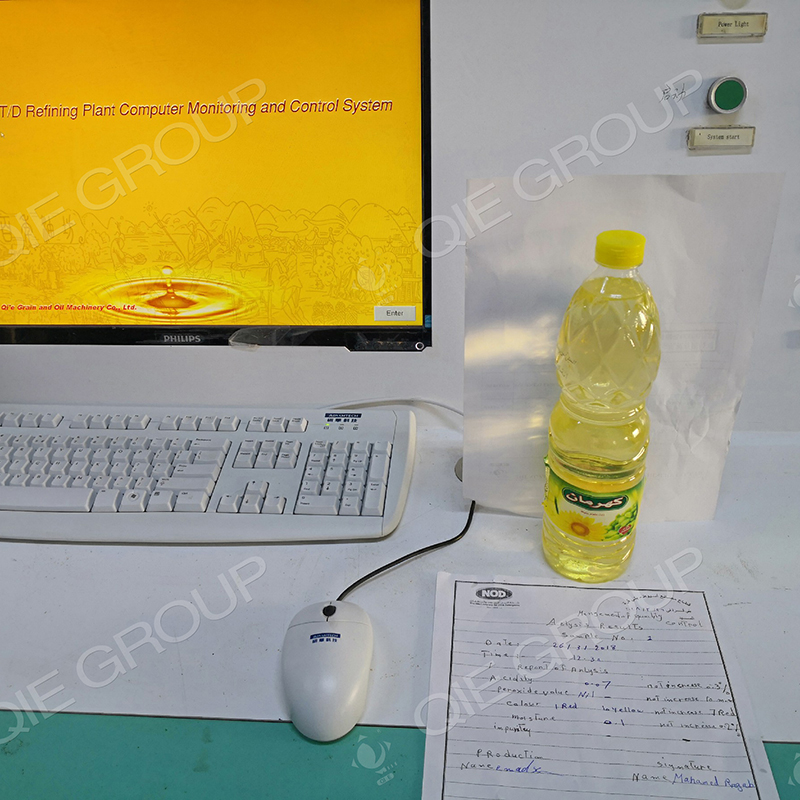
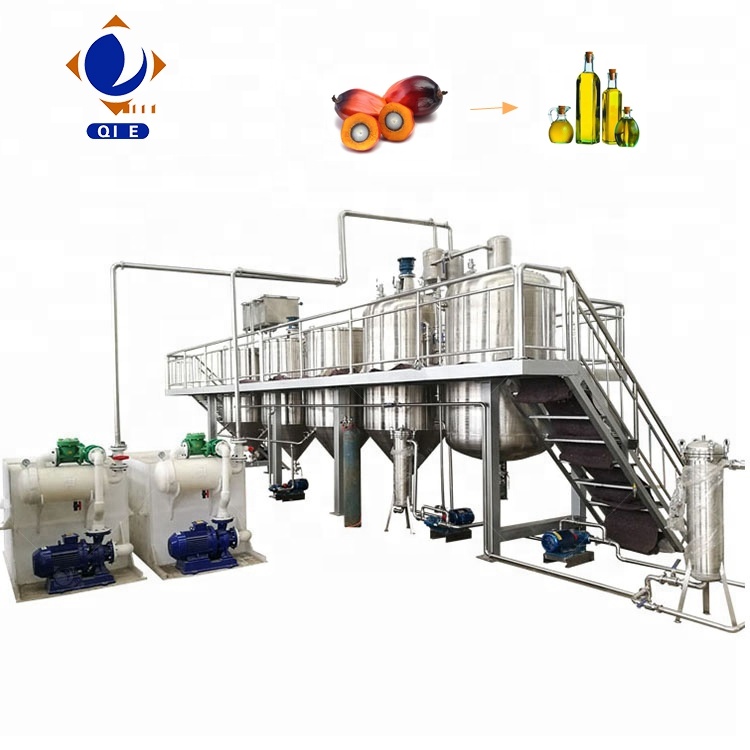
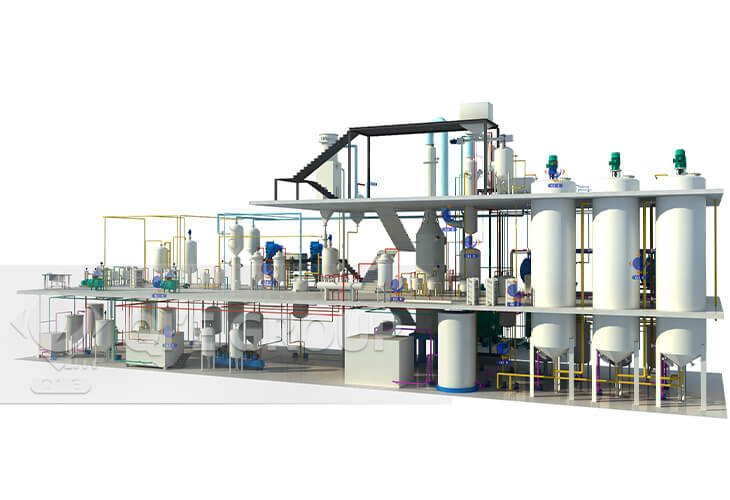
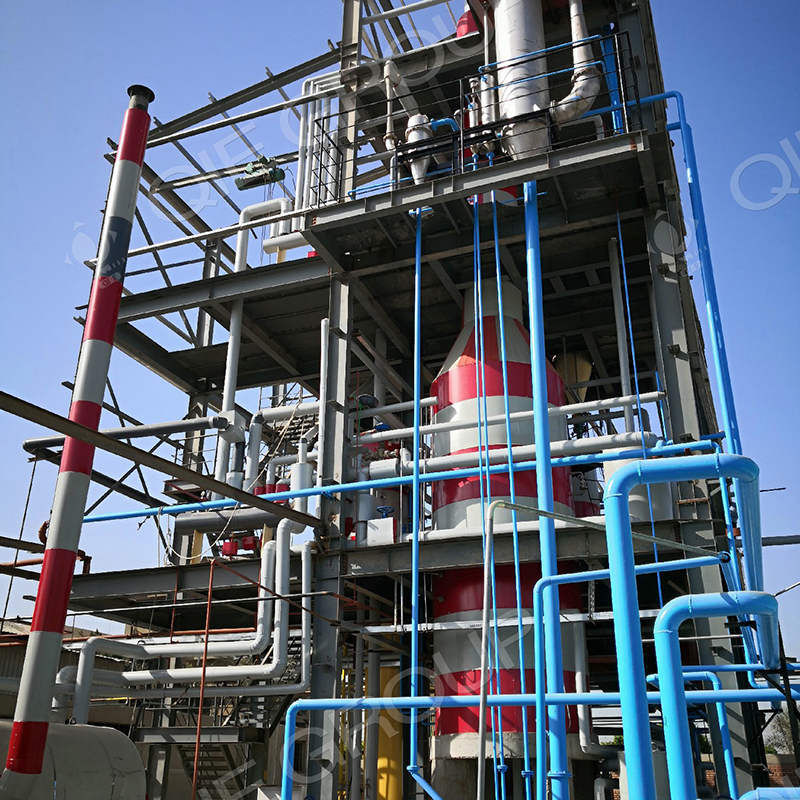
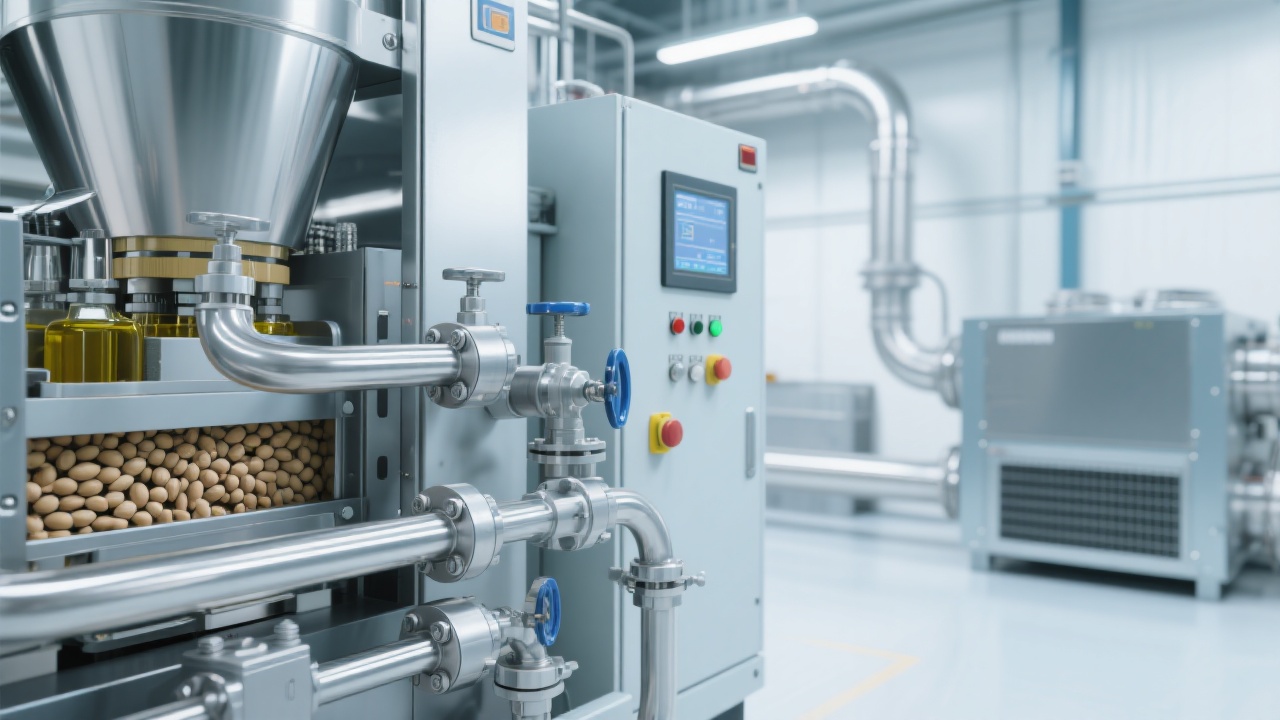
Today’s palm oil production faces increasing demands to improve process efficiency, ensure product consistency, and reduce energy consumption. The integration of Programmable Logic Controller (PLC) automation into palm oil extraction machinery—especially units processing 10 to 500 tons per day—provides producers with unprecedented control over critical operational parameters. From precision pressure regulation to real-time motor speed adjustments, PLC systems underpin a smarter, more stable, and energy-efficient production environment.
At the heart of PLC automation lies comprehensive real-time monitoring and dynamic adjustment capabilities. Critical parameters such as pressure, temperature, and motor speed are continuously tracked by sensors feeding data to the PLC unit. This allows for:
| Parameter | Optimal Range | Impact on Process |
|---|---|---|
| Pressure (Bar) | 20 - 35 | Maximizes oil extraction rate while protecting equipment |
| Temperature (°C) | 55 - 60 | Prevents thermal degradation, maintains oil quality |
| Motor Speed (RPM) | 45 - 60 | Ensures consistent pressing force and reduces mechanical stress |
Manual operation in palm oil pressing often introduces variability—from inconsistent pressure settings to delayed responses to equipment anomalies. PLC systems sharply reduce these risks by automating controls based on precise algorithmic thresholds and sensor inputs. This results in:
Data logs generated by PLC controllers facilitate trend analysis and predictive maintenance planning—extending equipment lifespan while sustaining stable production.
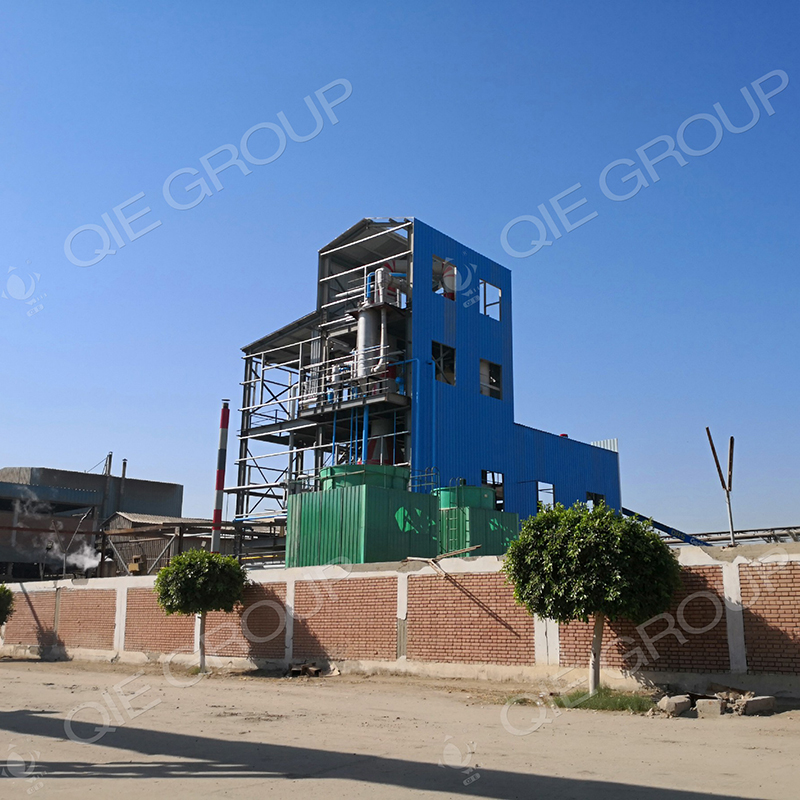
Smart control of pressing operations directly correlates to significant energy savings and improved product uniformity. For instance, a 250-ton/day palm oil pressing facility reported:
| Energy Consumption Reduction | 12% less electricity usage |
| Oil Yield Consistency | Variance reduced by 9% |
| Downtime Decrease | 15% fewer unscheduled stops |
These gains are enabled by PLC’s capacity to finely optimize pressing cycles, avoid process overrun, and automatically adjust energy-intensive elements like motor operation—providing measurable bottom-line benefits.
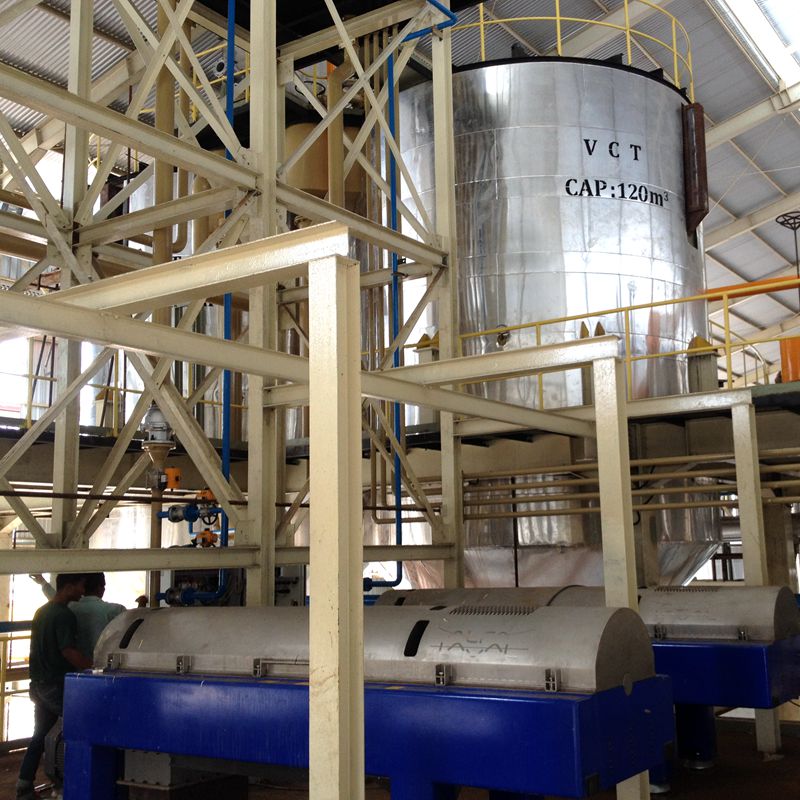
Continuous digital monitoring enables operators to have a comprehensive view of plant performance and environmental conditions through intuitive dashboards. This transparency supports rapid decision-making and quality assurance. Typical PLC-driven data capabilities include:
Ultimately, such data richness transforms raw production metrics into actionable insights that continuously elevate operational performance.
 430
|
430
|
 palm oil pressing equipment efficiency
304 stainless steel oil press advantages
high-efficiency palm oil processing units
African palm oil industry solutions
automated palm oil extraction technology
palm oil pressing equipment efficiency
304 stainless steel oil press advantages
high-efficiency palm oil processing units
African palm oil industry solutions
automated palm oil extraction technology
 71
|
Palm kernel oil production equipment selection
Palm kernel oil extraction equipment installation essentials
Automated refining equipment technical guide
Grain and oil processing equipment maintenance plan
Palm kernel oil production line configuration
71
|
Palm kernel oil production equipment selection
Palm kernel oil extraction equipment installation essentials
Automated refining equipment technical guide
Grain and oil processing equipment maintenance plan
Palm kernel oil production line configuration
 424
|
Automation control system
PLC palm kernel oil equipment
Intelligent adjustment technology
Palm kernel oil extraction equipment
Grain and oil processing automation
424
|
Automation control system
PLC palm kernel oil equipment
Intelligent adjustment technology
Palm kernel oil extraction equipment
Grain and oil processing automation
 432
|
palm crude oil refining equipment
palm oil processing machinery
palm oil refining technology
energy-efficient refining equipment
PLC controlled refining systems
432
|
palm crude oil refining equipment
palm oil processing machinery
palm oil refining technology
energy-efficient refining equipment
PLC controlled refining systems
 371
|
palm oil refining equipment
efficient palm oil processing equipment
fully automated PLC control system
energy-efficient refining equipment
enhancing palm oil processing efficiency
371
|
palm oil refining equipment
efficient palm oil processing equipment
fully automated PLC control system
energy-efficient refining equipment
enhancing palm oil processing efficiency