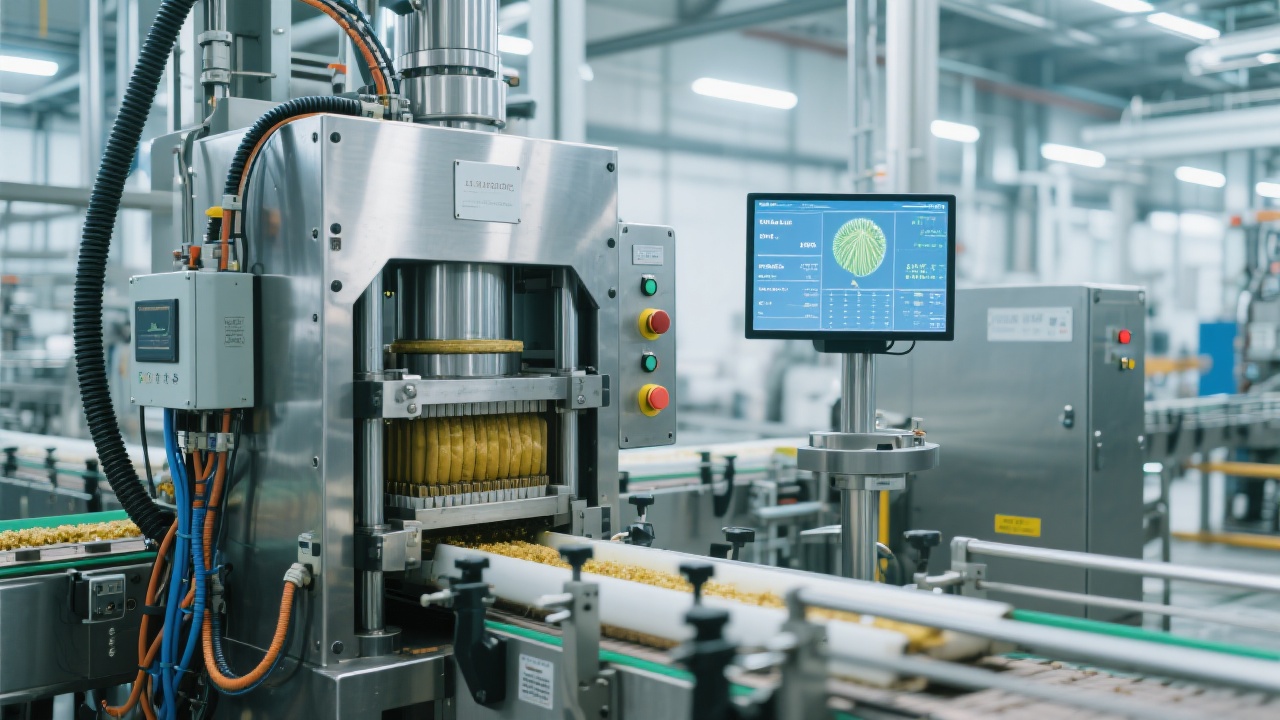
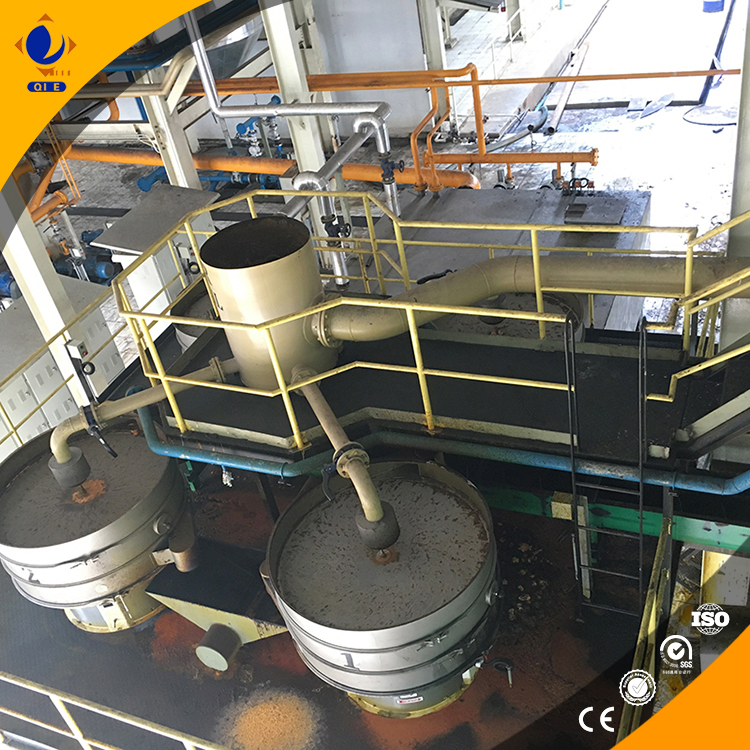
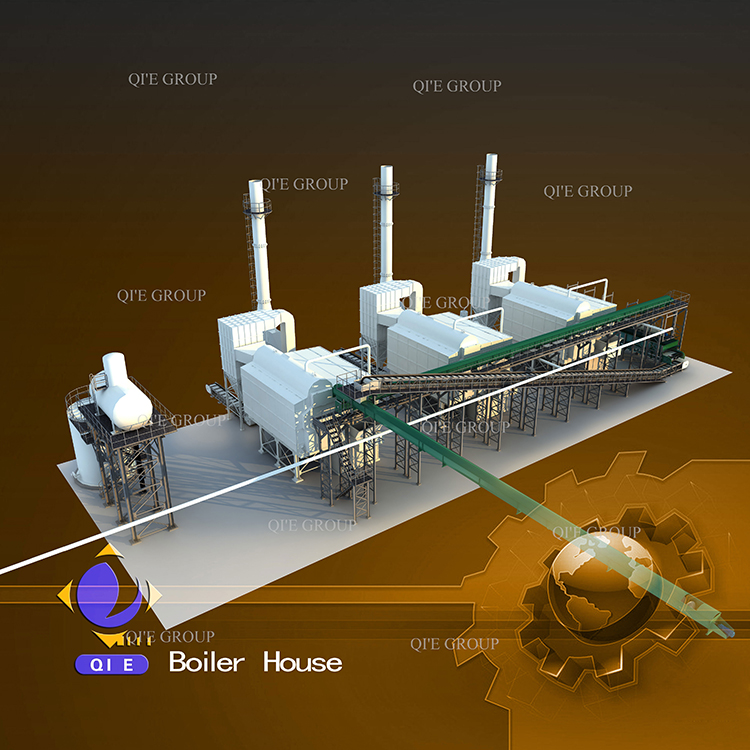
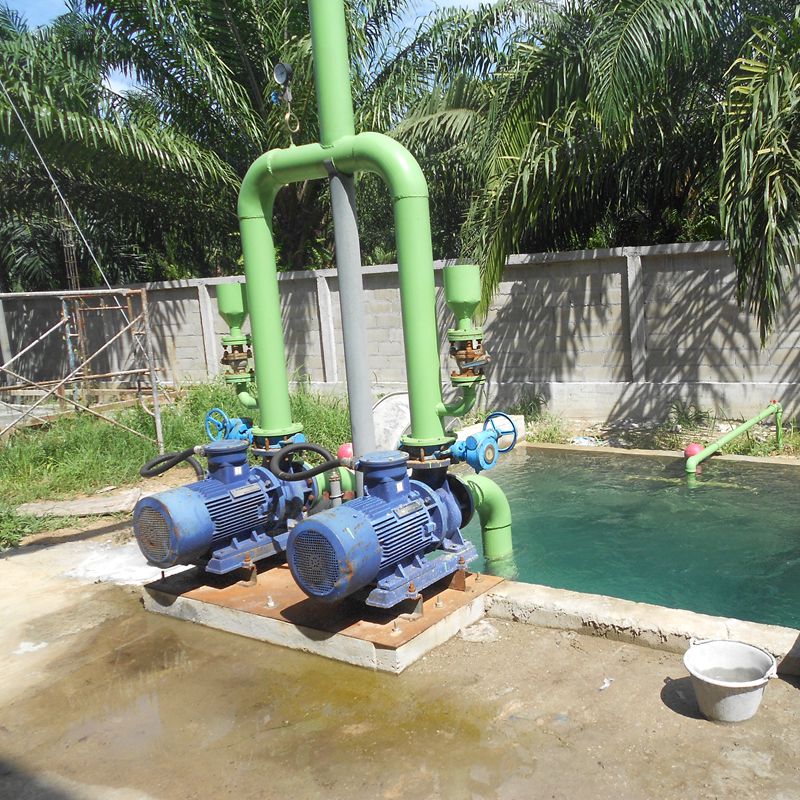
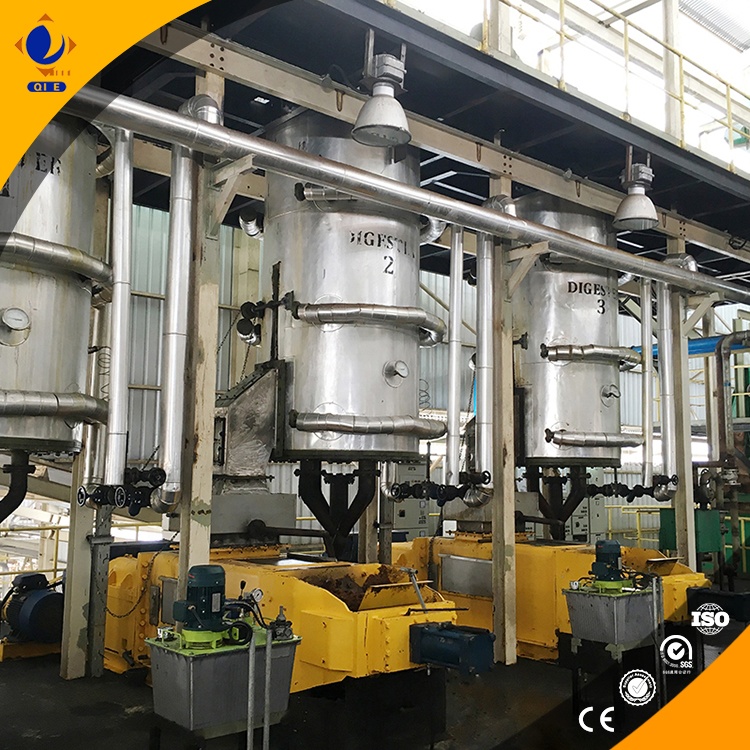
Palm oil refining is a complex, multi-parameter industrial process demanding precise control to ensure product quality, yield, and compliance with food-grade standards. Programmable Logic Controllers (PLCs), as the backbone of automation, enable real-time monitoring and adjustment of critical variables such as temperature, pressure, and flow rate — transforming traditional refining into a smart, data-driven production system.
At the heart of the refining line, the PLC orchestrates various interconnected modules, including:
“PLC tuning precision is the key to stabilizing refining quality under varying raw material conditions. Experience shows that small adjustments in PID parameters can significantly reduce off-spec batches.” — Senior Automation Engineer
Engineers deployed in the field frequently encounter alarms triggered by deviations or sensor errors. Mastery of alarm codes is critical for swift diagnosis — for example, E-101 indicates a temperature sensor failure at the bleaching unit, whereas P-207 flags pump overcurrent issues.
Effective troubleshooting usually follows these steps:
Have you ever encountered persistent alarms impacting your refining line operations? Share your experience with us.
A robust PLC ecosystem integrates with Supervisory Control and Data Acquisition (SCADA) systems that archive comprehensive batch-level production data. This archival mechanism supports:
Illustrative data metrics show that facilities integrating these systems reduce product recalls by up to 40% within the first year.
Modern PLC configurations support remote monitoring and control functionalities. Through secured VPN connections, technicians can:
According to industry surveys, remote maintenance adoption has decreased unscheduled downtime by approximately 25%, significantly improving continuous production runs.
The integration of artificial intelligence into PLC ecosystems marks the next industrial revolution in palm oil refining. Machine learning models can analyze historical and real-time process data to:
Early adopters report up to 30% improvements in operational efficiency and enhanced product consistency by leveraging these advanced automation technologies.

 403
|
403
|
 palm fruit preprocessing equipment
corrosion-resistant materials for agro-processing
automatic control systems in oil palm mills
extreme climate agricultural machinery
palm oil processing optimization
palm fruit preprocessing equipment
corrosion-resistant materials for agro-processing
automatic control systems in oil palm mills
extreme climate agricultural machinery
palm oil processing optimization
 475
|
Palm oil automation equipment
PLC control system
Food-grade palm oil production
Quality traceability system
Intelligent pressing and refining
475
|
Palm oil automation equipment
PLC control system
Food-grade palm oil production
Quality traceability system
Intelligent pressing and refining
 52
|
oilseed preprocessing equipment
efficient plant oil production solutions
comprehensive oilseed processing services
97
|
Palm fruit pretreatment
Palm oil pressing equipment
Fault diagnosis
Non - standard customized equipment
Automation control
52
|
oilseed preprocessing equipment
efficient plant oil production solutions
comprehensive oilseed processing services
97
|
Palm fruit pretreatment
Palm oil pressing equipment
Fault diagnosis
Non - standard customized equipment
Automation control
 400
|
efficient palm oil refining equipment
palm oil processing companies
production challenges resolution
equipment features
business benefit enhancement
actual usage case studies
400
|
efficient palm oil refining equipment
palm oil processing companies
production challenges resolution
equipment features
business benefit enhancement
actual usage case studies