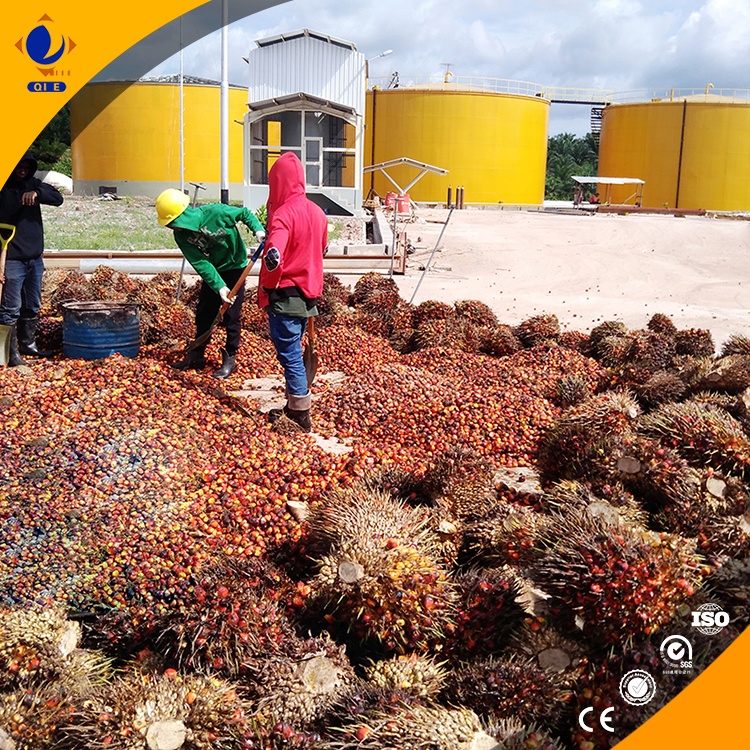
In the competitive landscape of palm oil processing, precision and efficiency are no longer optional—they're essential for sustainable profitability. As global demand for high-quality edible oils continues to rise, processors face mounting pressure to optimize production while maintaining consistent product quality and adhering to increasingly stringent regulatory standards.
For decades, many palm oil refineries have relied on manual monitoring and control systems, where operators make real-time decisions based on analog gauges and personal experience. While this approach has kept plants running, it comes with significant drawbacks that directly impact the bottom line:
These challenges came to light during a recent industry survey where 73% of palm oil processors identified "inconsistent product quality" and "high energy costs" as their top operational concerns. The solution? PLC-based closed-loop control systems that transform how palm oil refineries operate.
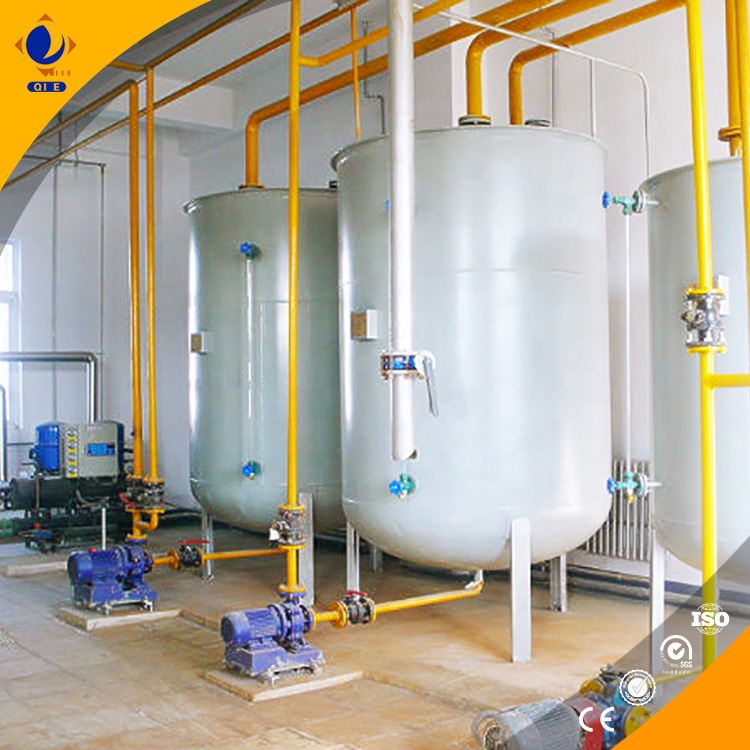
Programmable Logic Controller (PLC) systems bring industrial-grade precision to palm oil refining through a sophisticated closed-loop control mechanism. This technology creates an intelligent feedback loop that maintains optimal process conditions automatically, without constant human intervention.
The PLC control system operates through three essential stages that work together seamlessly:
High-precision sensors strategically placed throughout the refining line continuously monitor critical parameters: temperature (±0.1°C accuracy), pressure (±0.2 bar resolution), flow rates, and oil quality metrics. This data streams to the PLC at intervals as short as 100 milliseconds.
The PLC compares incoming data against predefined optimal setpoints. Using advanced control algorithms (PID, fuzzy logic, or model predictive control), it calculates necessary adjustments to maintain process parameters within tight tolerances.
Based on the PLC's calculations, the system automatically adjusts valves, heaters, coolers, and pumps to maintain optimal conditions. This closed-loop response happens in milliseconds, far faster than any human operator could react.
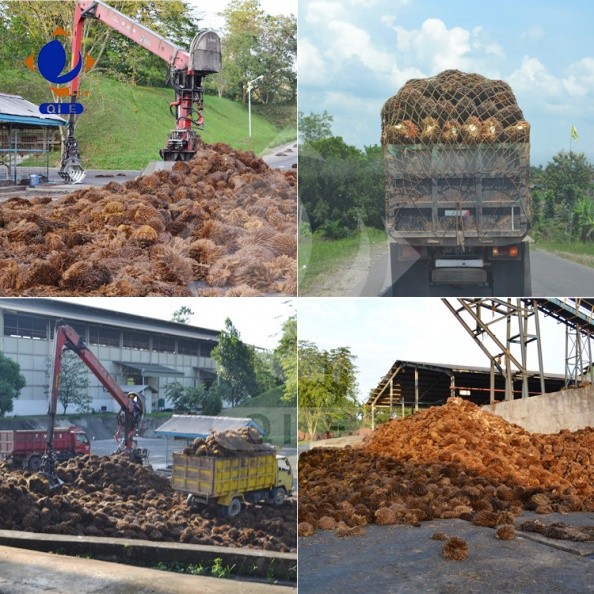
The implementation of PLC control systems delivers measurable improvements across key performance indicators. Case studies from palm oil refineries of various sizes demonstrate consistent benefits:
| Performance Metric | Average Improvement |
|---|---|
| Energy Consumption | -12% |
| Product Consistency | +23% |
| Maintenance Costs | -18% |
| Labor Requirements | -35% |
| Production Yield | +3.2% |
One notable example comes from a mid-sized palm oil refinery in Malaysia that upgraded to a penguin group PLC control system. Within six months of implementation, they documented an 11.7% reduction in energy costs, a 27% decrease in product quality variations, and a 32% reduction in operator intervention requirements during the deodorization process alone.
Not all palm oil refineries require the same level of automation. The optimal PLC configuration depends on your production scale, existing infrastructure, and business goals:
A single-stage PLC system with basic HMI provides essential control for key process points. This cost-effective solution typically delivers ROI within 12-18 months through energy savings alone.
Distributed PLC architecture with advanced HMI and data logging capabilities offers comprehensive control across the entire production line, enabling detailed performance analysis and optimization.
SCADA-integrated PLC systems provide enterprise-level visibility and control, with features for predictive maintenance, remote monitoring, and integration with ERP systems for end-to-end process optimization.
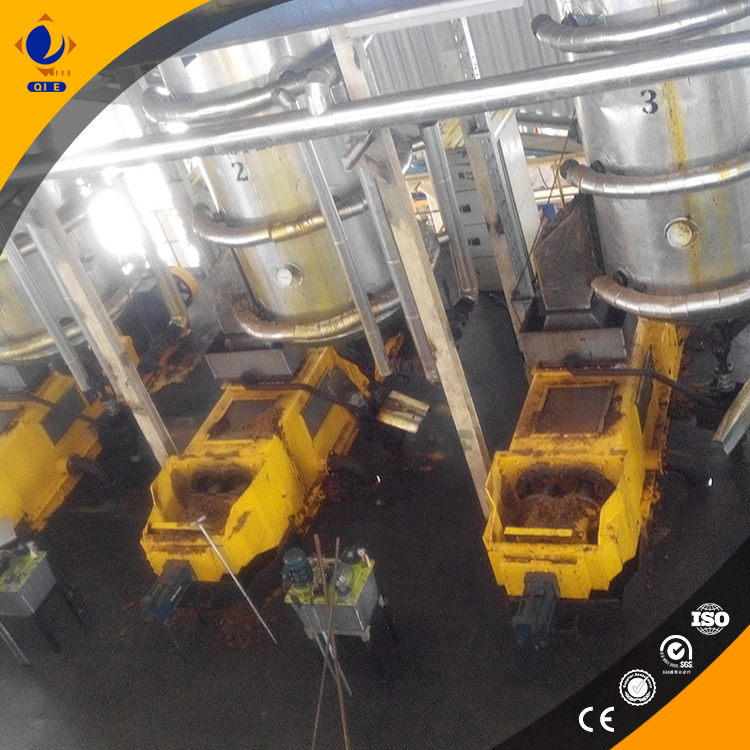
Implementing PLC control systems represents a significant step toward operational excellence, but the transition requires careful planning. Successful implementations typically follow a structured approach:
Many processors worry about the upfront investment required for automation. However, industry data shows that PLC control systems typically achieve full ROI within 18-36 months, with ongoing savings continuing for the system's 10-15 year lifespan.
Download our comprehensive guide to understand how PLC control systems can specifically benefit your operation.
Get Your Free "Palm Oil Refining Automation Guide"As palm oil processing continues to evolve, the gap between automated and manually controlled facilities widens. Processors who invest in PLC control systems today are positioning themselves for long-term competitiveness, sustainability, and profitability in an increasingly demanding global market. The question isn't whether to automate, but how soon you can start reaping the benefits.

 381
|
381
|
 Automated control system
PLC palm kernel oil equipment
Intelligent adjustment technology
Palm kernel oil extraction equipment
Production efficiency improvement
Automated control system
PLC palm kernel oil equipment
Intelligent adjustment technology
Palm kernel oil extraction equipment
Production efficiency improvement
 499
|
automated palm oil processing equipment
PLC control system for oil press
continuous production optimization
energy-efficient oil extraction
smart manufacturing in palm oil industry
499
|
automated palm oil processing equipment
PLC control system for oil press
continuous production optimization
energy-efficient oil extraction
smart manufacturing in palm oil industry
 43
|
automated palm oil processing
PLC control system
energy efficient oil extraction
smart manufacturing in palm oil
emission reduction technology
43
|
automated palm oil processing
PLC control system
energy efficient oil extraction
smart manufacturing in palm oil
emission reduction technology
 317
|
Palm oil refining equipment
Efficient palm oil processing equipment
Energy-saving and environmentally friendly palm oil equipment
317
|
Palm oil refining equipment
Efficient palm oil processing equipment
Energy-saving and environmentally friendly palm oil equipment
 420
|
palm oil refining equipment
efficient palm oil processing equipment
energy-saving environmentally friendly refining device
420
|
palm oil refining equipment
efficient palm oil processing equipment
energy-saving environmentally friendly refining device