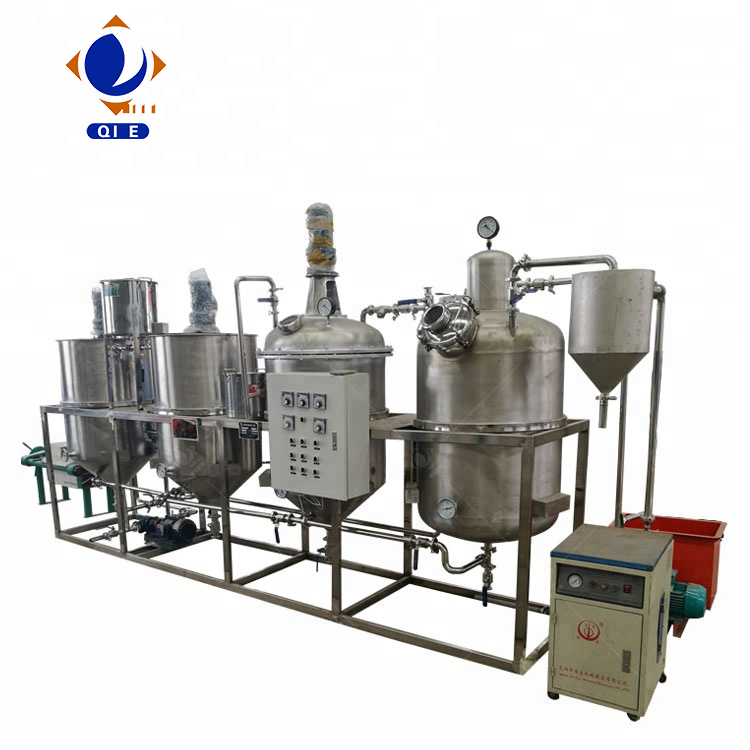
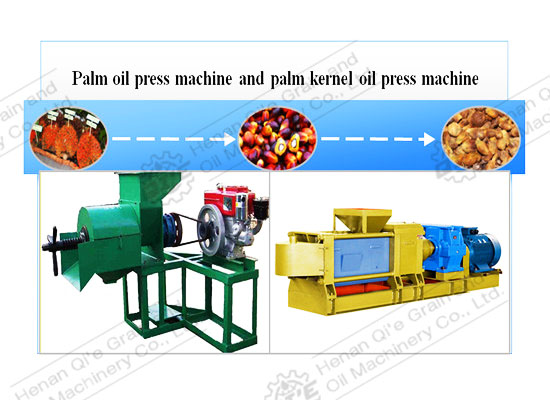
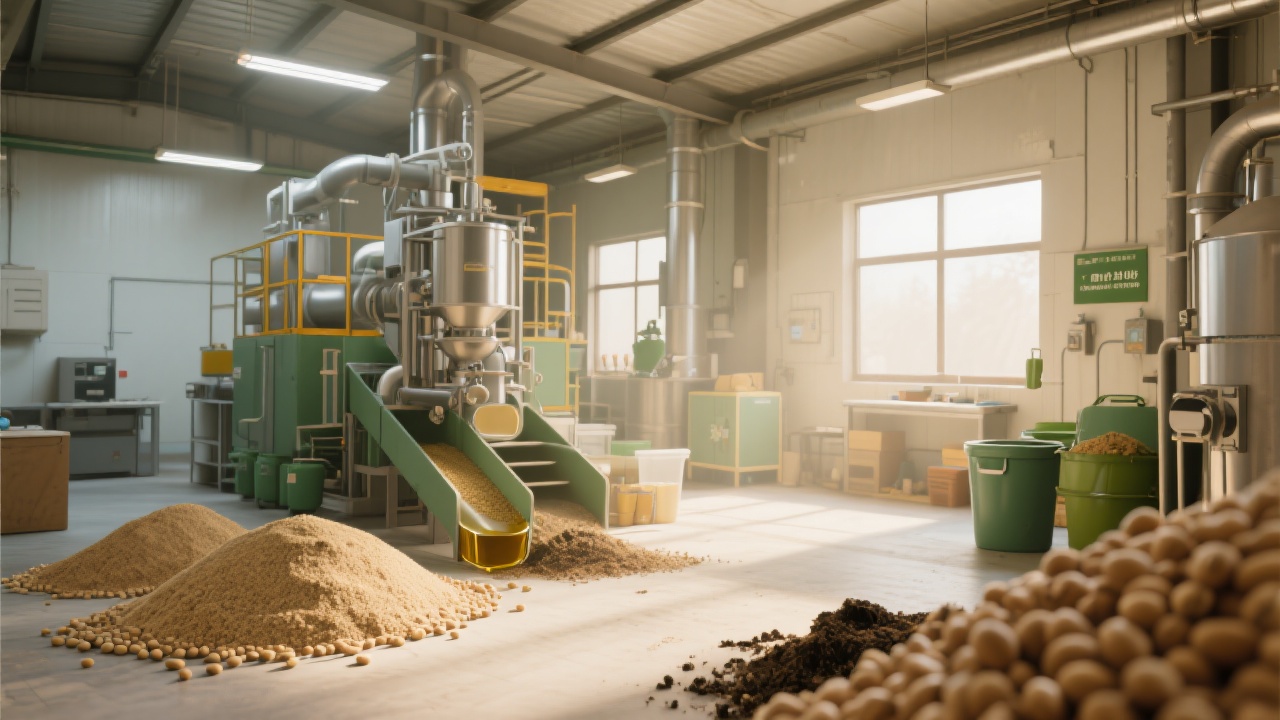
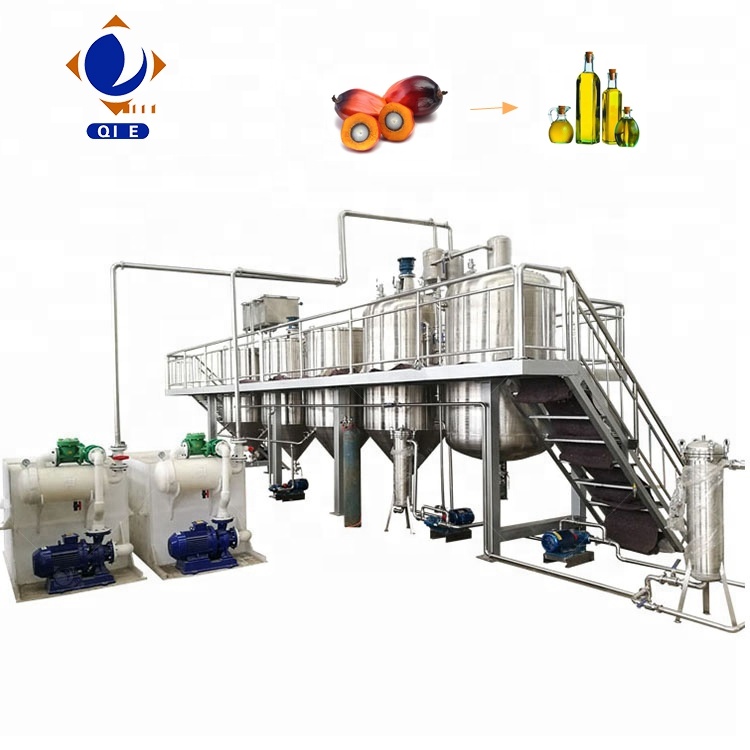
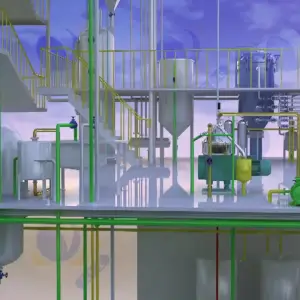
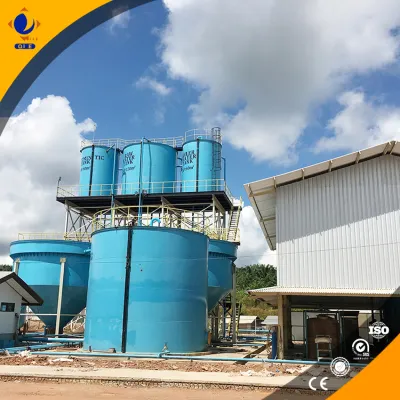
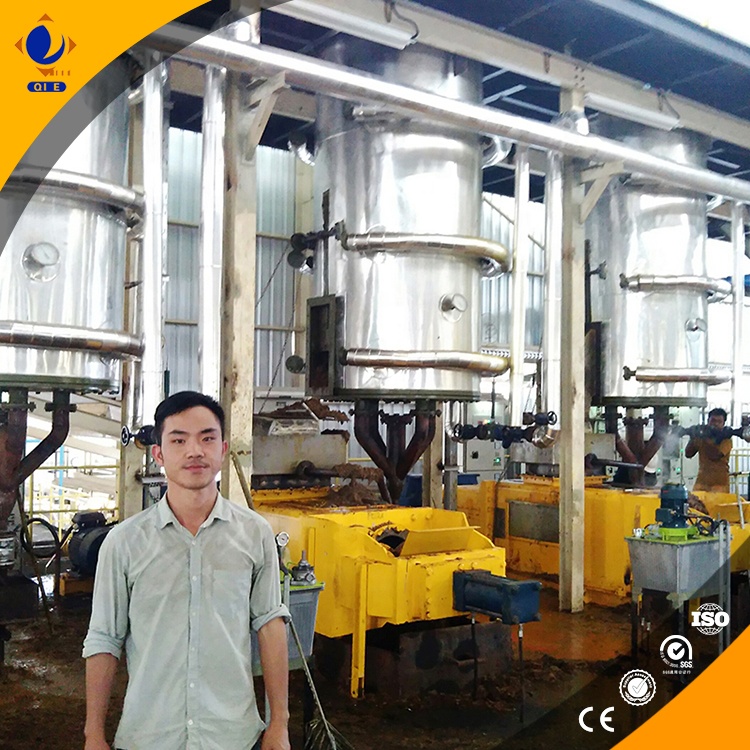
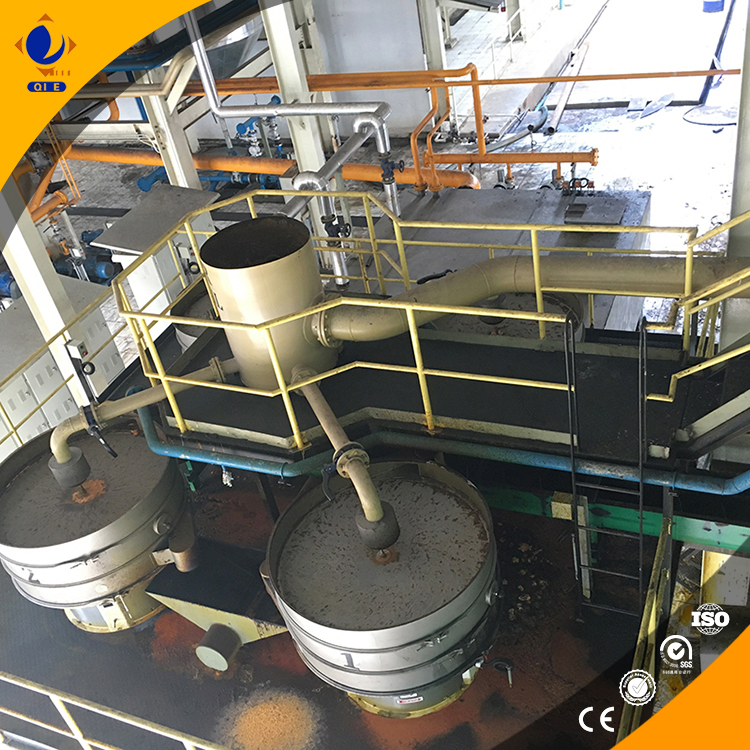
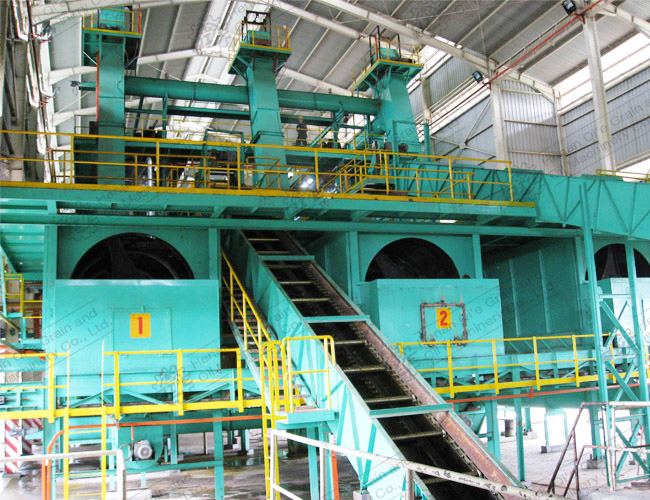
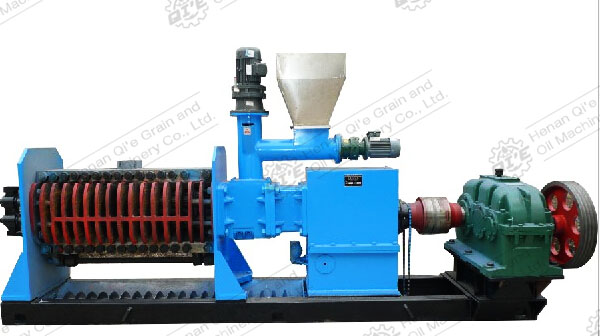
In the competitive landscape of palm oil processing, ensuring system stability while minimizing operational costs is paramount for long-term profitability and sustainable growth. The PENGUIN Group’s cutting-edge palm oil processing units with a capacity range of 10 to 500 tons per day leverage advanced PLC (Programmable Logic Controller) systems integrated with innovative energy-saving designs to address these industry challenges. This article delves into how these technologies collectively optimize performance, durability, and hygiene standards while supporting diverse raw materials such as palm fruit bunches and palm kernels.
Central to the PENGUIN Group’s palm oil machinery is the sophisticated PLC control system — a technological cornerstone that dramatically improves system automation, accuracy, and reliability. By continuously monitoring and adjusting operational parameters such as temperature, pressure, and rotational speed, the PLC ensures optimal extraction efficiency and protects vital components from mechanical stress and overload.
The automated control reduces the need for manual intervention, thus lowering human error and enabling consistent product quality. Industry data indicate that PLC-controlled olive and palm oil processing facilities can cut downtime by up to 25%, leading to an estimated 15-20% decrease in maintenance costs annually. Real-time diagnostics and predictive maintenance alerts further enhance uptime, empowering decision-makers with actionable insights to anticipate and mitigate potential failures.
Energy consumption represents a substantial portion of total processing costs in palm oil production, sometimes exceeding 30% of operational expenses. The PENGUIN palm oil units address this with an integrated energy-saving design that optimizes the use of electrical and thermal resources. Through intelligent load management, adaptive motor controls, and thermal insulation innovations, these machines reduce energy wastage without compromising processing throughput.
Case studies from Southeast Asia highlight that factories adopting similar energy-efficient systems report utility cost reductions of up to 18%, contributing directly to improved return on investment. Moreover, reduced fuel consumption aligns with increasingly stringent environmental regulations and corporate sustainability goals, enhancing brand value in global markets.
Constructed from food-grade 304 stainless steel, the PENGUIN palm oil press units exemplify superior durability and hygienic safety. This material choice not only withstands corrosive fruit acids and high moisture levels but also simplifies cleaning processes, minimizing contamination risks.
Stainless steel surfaces ensure compliance with international food safety standards, an essential feature for enterprises targeting export markets. Maintenance intervals are extended by 30-40% compared to conventional iron or carbon steel equipment, reducing unforeseen downtime and repair costs.
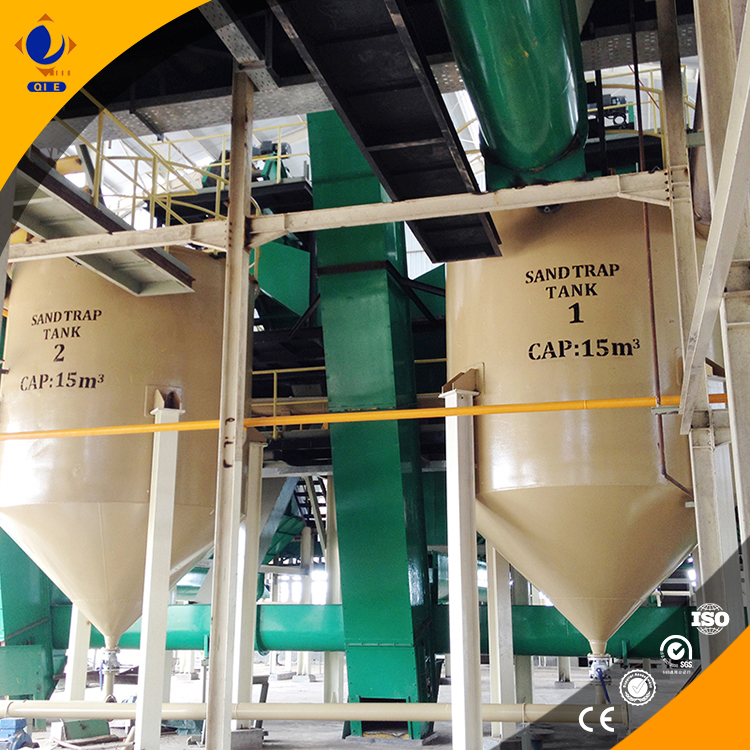
Flexibility is critical in palm oil production as different raw materials require specialized processing approaches. The PENGUIN units are engineered to efficiently process both palm fruit bunches and individual kernels, adapting mechanical pressure and thermal treatment parameters accordingly.
This adaptability has been validated by extensive trials in varied operational environments, resulting in oil extraction efficiencies exceeding 25% for palm fruit bunches and over 60% for palm kernels—benchmarks that position these units ahead of many industry peers.
Adherence to ISO9001:2000 quality management standards confirms the PENGUIN Group’s commitment to rigorous production protocols and continuous improvement. This certification, globally recognized, provides manufacturers and processors the confidence that the machinery meets stringent performance and safety criteria.
Enforcing consistent quality controls results in minimized defects and enhanced product life cycles, directly reducing risk and operational interruptions. Furthermore, compliance facilitates smoother regulatory approvals in export destinations, expanding market access.
| Key Feature | Benefit | Impact |
|---|---|---|
| PLC Automatic Control | Enhanced system stability & precision | 25% downtime reduction, 15-20% maintenance cost savings |
| Energy-Efficient Design | Reduced power usage & emissions | Up to 18% lower energy costs |
| 304 Stainless Steel Construction | Long-lasting durability & hygienic safety | 30-40% extended maintenance intervals |
| ISO9001:2000 Certified Quality | Reliable performance & international compliance | Smooth market entry & reduced operational risk |

Globally, PENGUIN palm oil units have been deployed across Southeast Asia, Africa, and South America, tailored to local raw material characteristics and processing requirements. In Malaysia, a leading palm oil producer reported a 22% increase in daily throughput within six months of commissioning the new unit, alongside a 16% decline in energy consumption.
Similarly, a West African buyer experienced a 30% improvement in oil purity rates and was able to reduce waste disposal costs through more efficient residue separation — results attributed directly to the machine’s precise control systems and corrosion-resistant design.
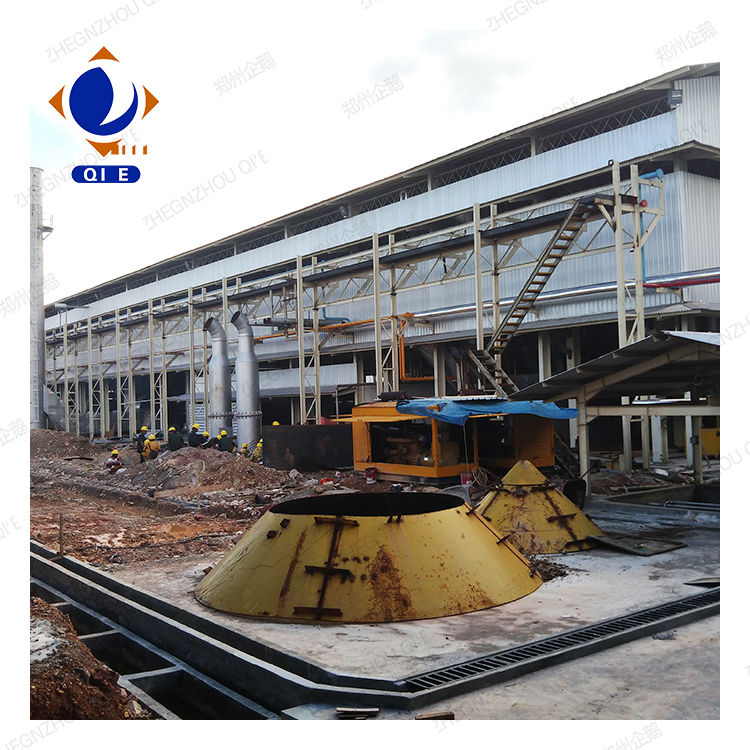
Alongside these performance advantages, PENGUIN offers a comprehensive after-sales service network, including remote diagnostics, part replacements, and operator training, ensuring clients maximize equipment uptime and ROI.
 212
|
212
|
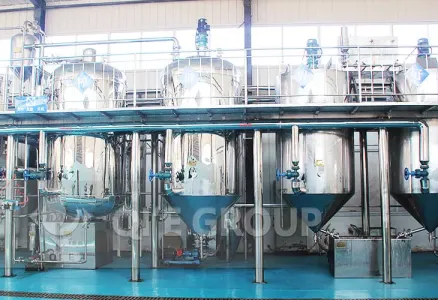
 palm oil refining equipment
energy-efficient refining system
automated PLC control palm oil
palm oil refining equipment
energy-efficient refining system
automated PLC control palm oil
 236
|
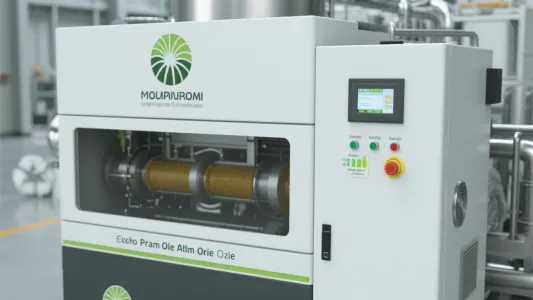
palm oil automation system
PLC control in oil pressing
smart palm oil processing
reducing human error in oil mills
energy-efficient oil extraction technology
236
|
palm oil automation system
PLC control in oil pressing
smart palm oil processing
reducing human error in oil mills
energy-efficient oil extraction technology
 451
|
Palm oil pressing equipment
304 stainless steel corrosion resistance
Food safety equipment
Automated oil extraction unit
Energy - saving palm oil production
451
|
Palm oil pressing equipment
304 stainless steel corrosion resistance
Food safety equipment
Automated oil extraction unit
Energy - saving palm oil production
 294
|
palm oil extraction process
high automation palm oil press
304 stainless steel oil press
energy-efficient palm oil processing
oil separation in palm oil production
294
|
palm oil extraction process
high automation palm oil press
304 stainless steel oil press
energy-efficient palm oil processing
oil separation in palm oil production
 202
|
palm crude oil refining equipment
energy - saving and environmental - friendly equipment
fully automatic PLC control
oil refining process
green production equipment
202
|
palm crude oil refining equipment
energy - saving and environmental - friendly equipment
fully automatic PLC control
oil refining process
green production equipment