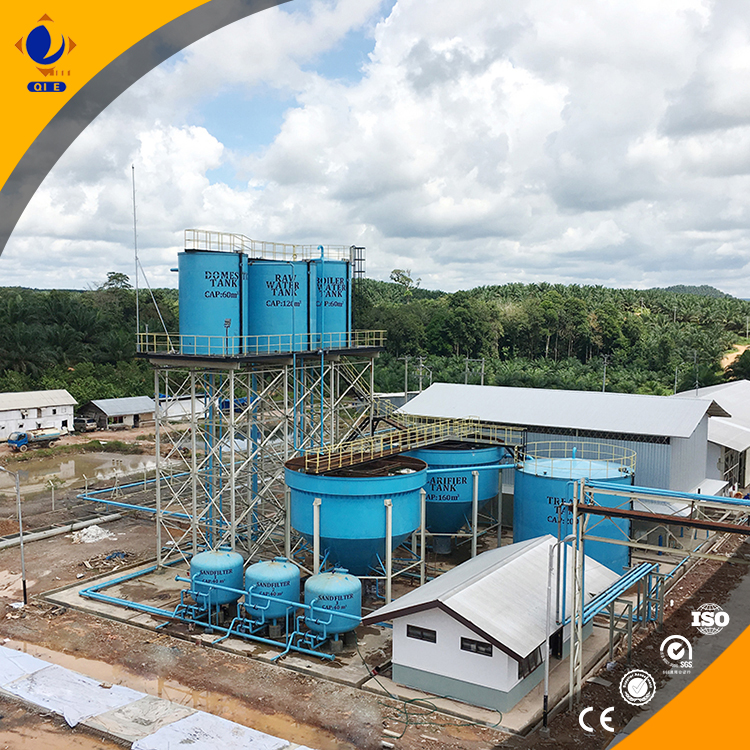
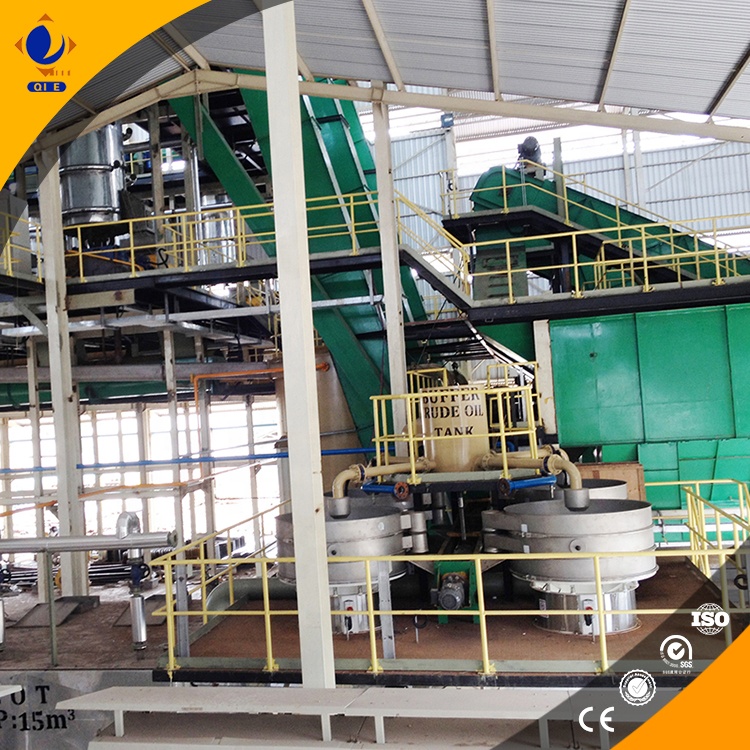
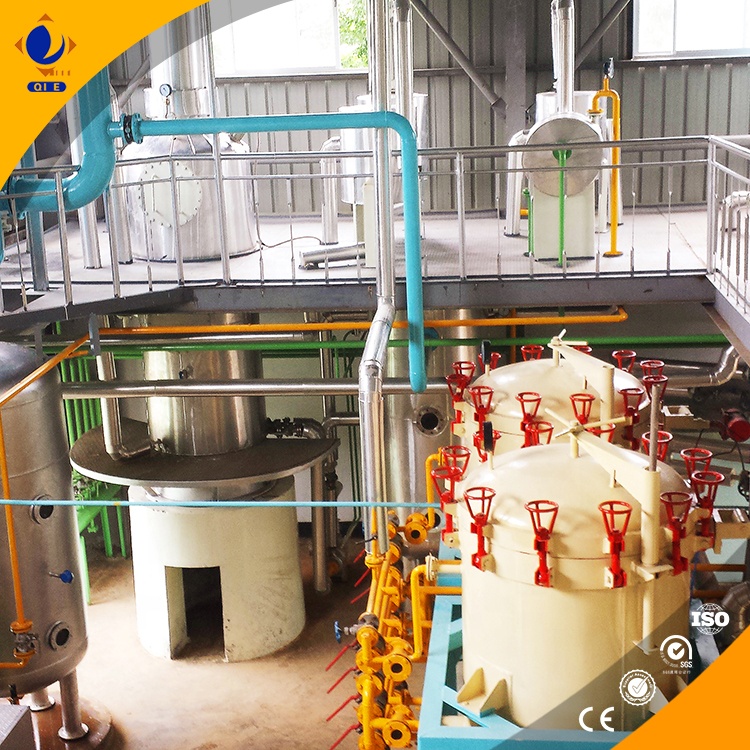
In the competitive landscape of palm oil processing, manufacturers worldwide face the dual challenge of meeting increasing production demands while maintaining product quality and reducing operational costs. Traditional manual control systems, once the industry standard, now struggle to keep pace with these requirements, often resulting in inconsistent output, higher energy consumption, and increased waste. This comprehensive guide explores how Programmable Logic Controller (PLC) technology is revolutionizing palm oil refining operations, delivering unprecedented levels of precision, efficiency, and reliability.
"The global palm oil processing market is projected to grow at a CAGR of 5.2% from 2023 to 2028, driven by increasing demand for edible oils and biofuels. Automation technologies like PLC systems are becoming essential investments for processors seeking to remain competitive in this expanding market." — Industry Research Report, 2023
Palm oil refining is a complex process requiring precise control of multiple variables across several stages, from degumming and neutralization to bleaching and deodorization. Conventional manual control methods present significant limitations:
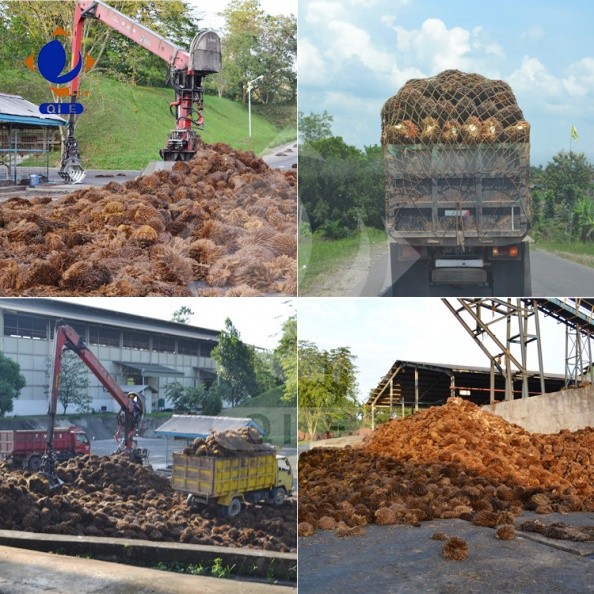
Programmable Logic Controllers (PLCs) have emerged as the cornerstone of modern palm oil refining automation, offering sophisticated control capabilities that address the limitations of traditional systems. These industrial computers excel at managing complex processes with high precision, reliability, and flexibility.
PLC systems deliver exceptional value across all stages of palm oil refining by precisely controlling temperature, pressure, and flow. Let's examine their application in key processes:
The neutralization stage requires precise control of caustic soda addition and reaction temperature to remove free fatty acids. PLC systems maintain the optimal temperature range of 75-85°C while automatically adjusting chemical dosage based on real-time fatty acid analysis, reducing chemical usage by an average of 8-12%.
In the bleaching process, PLCs control the temperature profile (typically 90-110°C) and vacuum levels, ensuring optimal bleaching earth performance. This precision reduces bleaching earth consumption by up to 15% while improving color consistency.
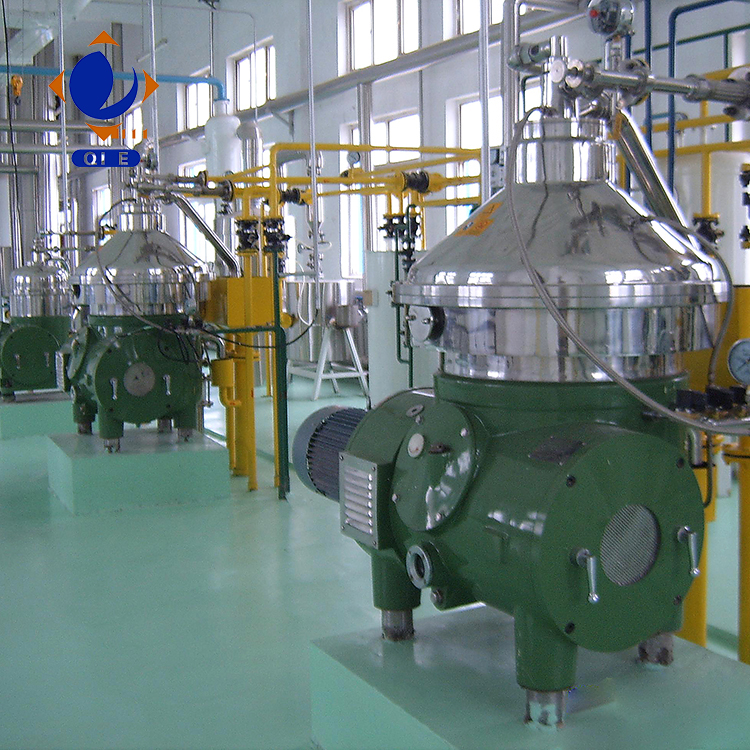
The deodorization stage, critical for achieving the desired flavor and shelf life, requires precise temperature control (typically 220-260°C) under high vacuum. PLC systems maintain temperature stability within ±1°C, ensuring complete removal of volatile components while minimizing oil degradation.
Selecting the appropriate PLC configuration depends on production capacity, process complexity, and future expansion plans. Here are tailored recommendations for common operation scales:
| Production Scale | PLC Configuration | Key Features | Typical ROI Period |
|---|---|---|---|
| Small Scale (5-20 TPD) | Entry-level PLC with basic I/O modules | Temperature & flow control, basic data logging | 8-12 months |
| Medium Scale (20-100 TPD) | Mid-range PLC with expanded I/O and HMI | Advanced process control, recipe management, energy monitoring | 10-14 months |
| Large Scale (100+ TPD) | High-performance PLC with SCADA integration | Full process automation, remote monitoring, predictive maintenance | 12-18 months |
A mid-sized palm oil processor in Malaysia recently upgraded their 50 TPD refining line with a PLC control system, resulting in impressive operational improvements:
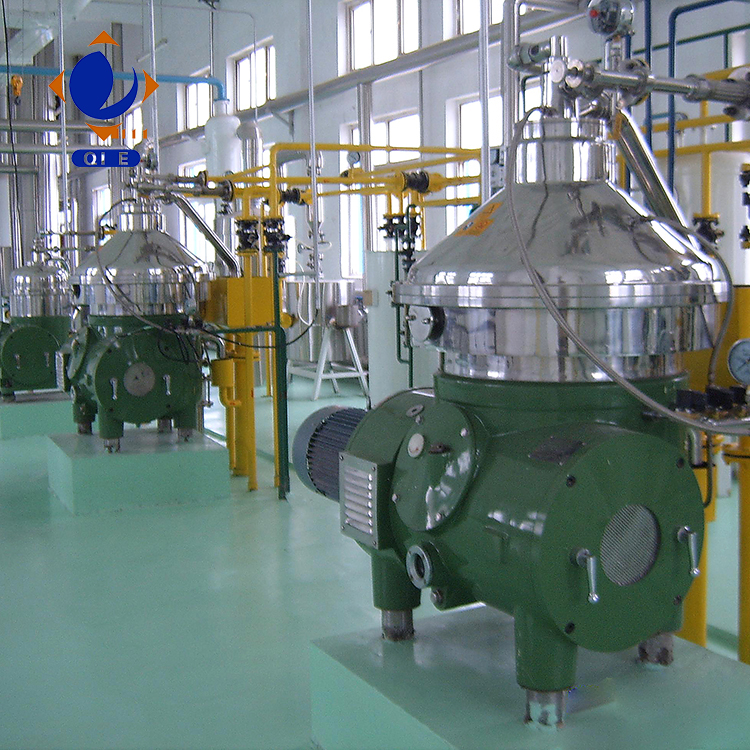
While PLC technology offers significant benefits, successful implementation requires careful planning and consideration of several factors:
Ensure compatibility with existing equipment and future expansion plans to maximize investment value.
Comprehensive operator and maintenance training is critical for realizing full system potential.
Implement appropriate cybersecurity measures to protect sensitive process data.
Gain expert insights and practical guidance for implementing PLC automation in your facility with our comprehensive resource.
Download Your Free Copy of "The Palm Oil Refining Automation Upgrade Guide"As the palm oil industry continues to evolve, PLC automation is no longer an option but a necessity for processors seeking to remain competitive. By providing precise control over critical process parameters, these systems deliver substantial improvements in product quality, operational efficiency, and profitability. Whether you operate a small-scale facility or a large industrial complex, the right PLC solution can transform your operations and position your business for long-term success in the global market.
When considering automation options, look for experienced providers like 企鹅集团 (Penguin Group) that offer tailored solutions designed specifically for palm oil refining applications. Their expertise in both process engineering and automation technology ensures that you receive a system that meets your unique operational requirements and delivers maximum return on investment.
 431
|
431
|
 Automated refining equipment
Cost control in small and medium-sized oil mills
Palm kernel oil refining technology
Reduction of equipment maintenance risks
Improvement of oil purity
Automated refining equipment
Cost control in small and medium-sized oil mills
Palm kernel oil refining technology
Reduction of equipment maintenance risks
Improvement of oil purity
 180
|
palm oil refining PLC control
PLC automation for edible oil refinery
temperature pressure flow control system
closed-loop process control
smart factory palm oil refining
180
|
palm oil refining PLC control
PLC automation for edible oil refinery
temperature pressure flow control system
closed-loop process control
smart factory palm oil refining
 184
|
industrial palm oil refining machine
palm oil refining equipment
palm oil bleaching and deodorization system
modular palm oil refinery plant
ISO9001 palm oil processing machinery
184
|
industrial palm oil refining machine
palm oil refining equipment
palm oil bleaching and deodorization system
modular palm oil refinery plant
ISO9001 palm oil processing machinery
 209
|
Palm fruit pretreatment
Moisture content impact
Fiber content
Non - standard customized equipment
Palm oil processing technology
209
|
Palm fruit pretreatment
Moisture content impact
Fiber content
Non - standard customized equipment
Palm oil processing technology
 421
|
Grain and oil processing efficiency improvement
Palm kernel oil refining process
Refining equipment parameter control
Oil yield optimization
Application of automated control systems in oil mills
421
|
Grain and oil processing efficiency improvement
Palm kernel oil refining process
Refining equipment parameter control
Oil yield optimization
Application of automated control systems in oil mills