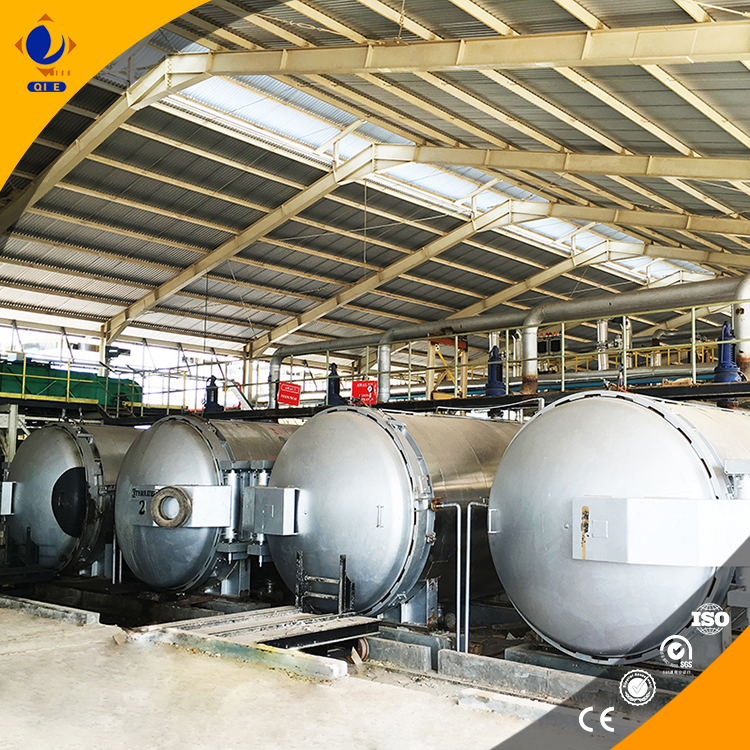
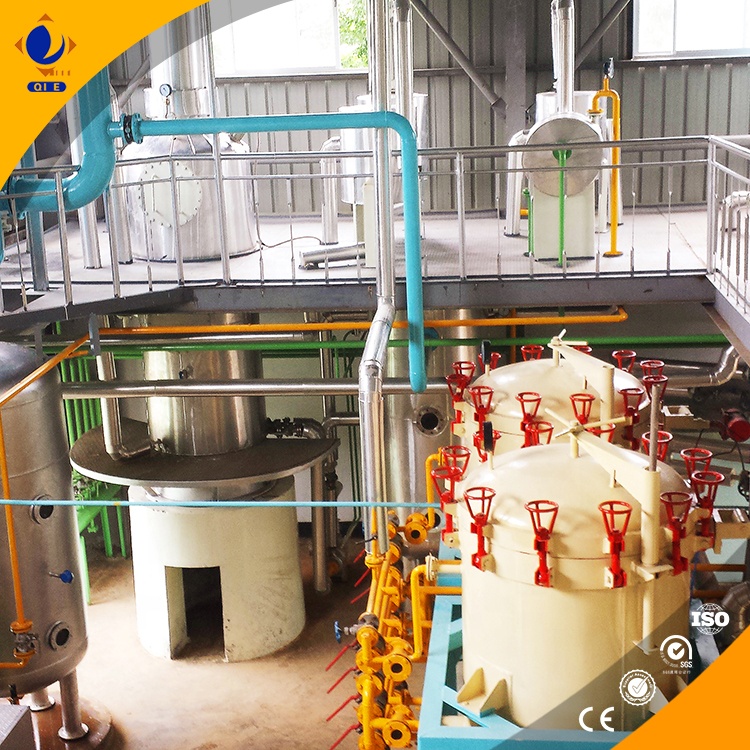
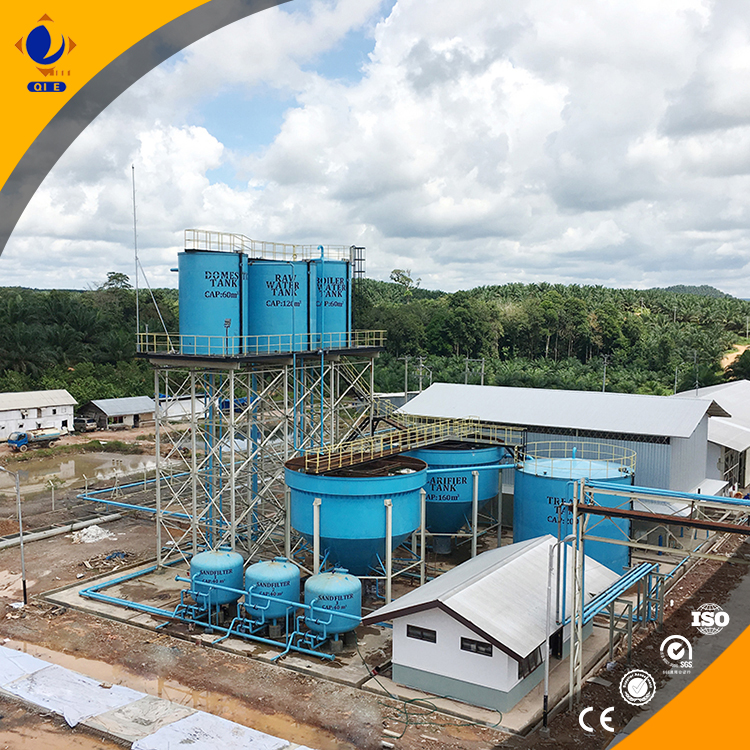
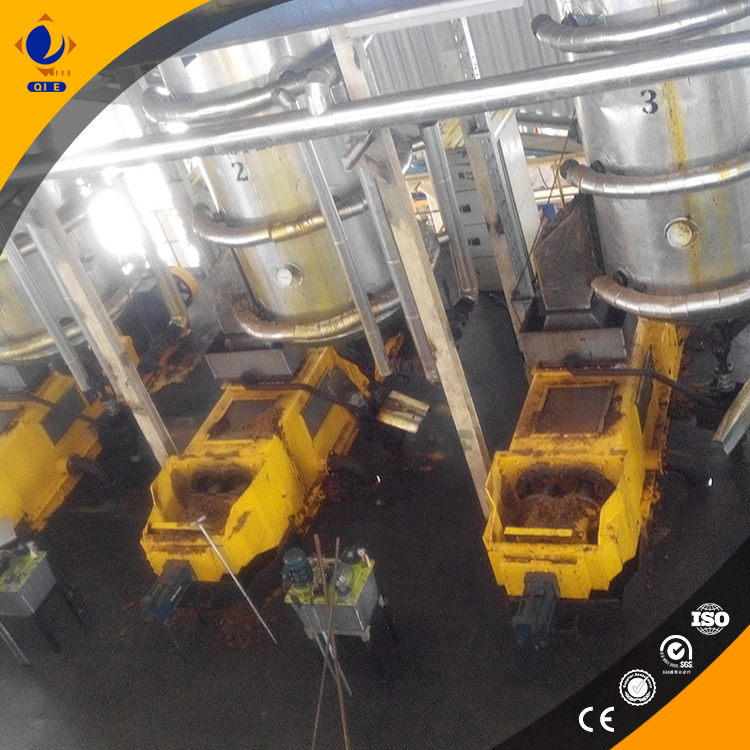
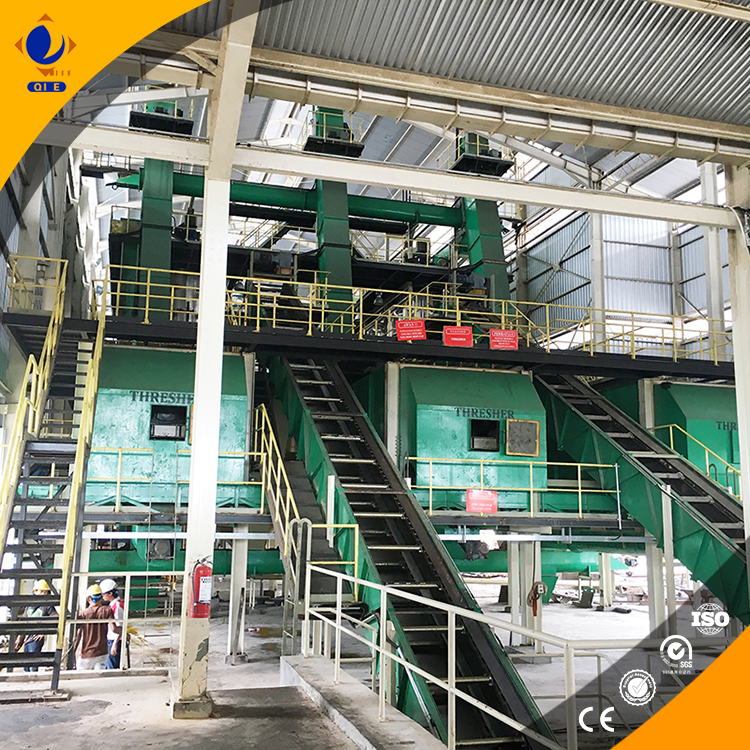
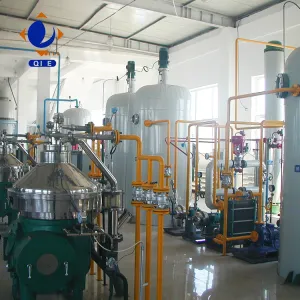
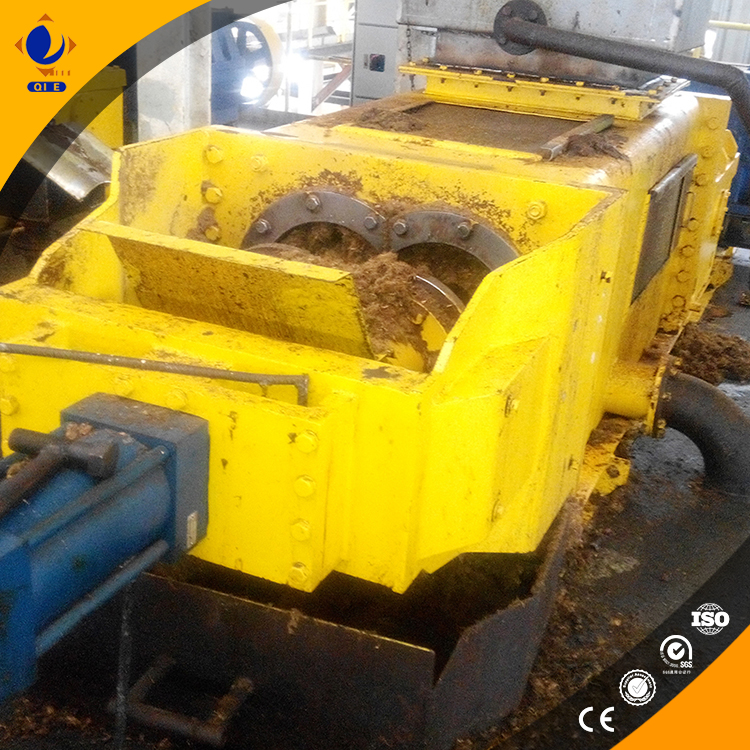
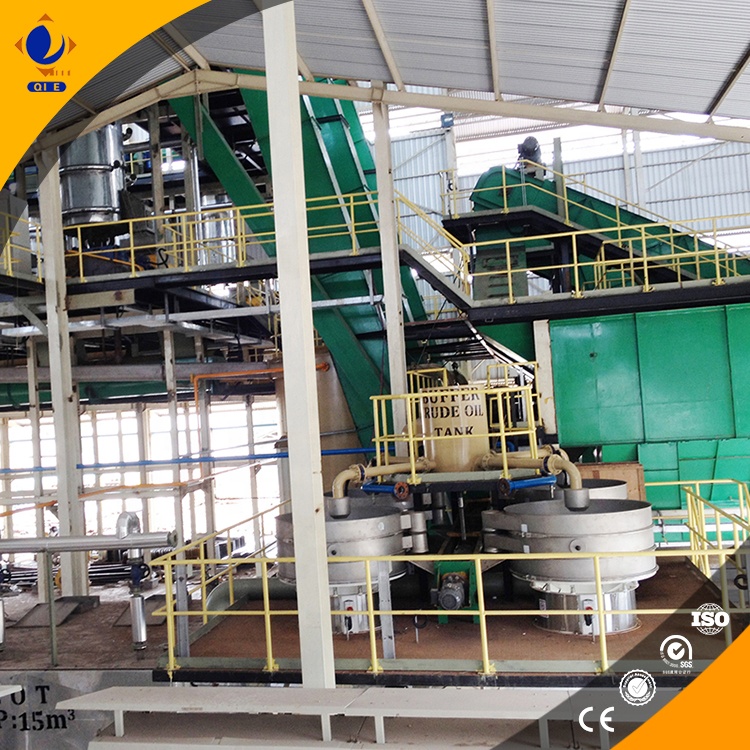
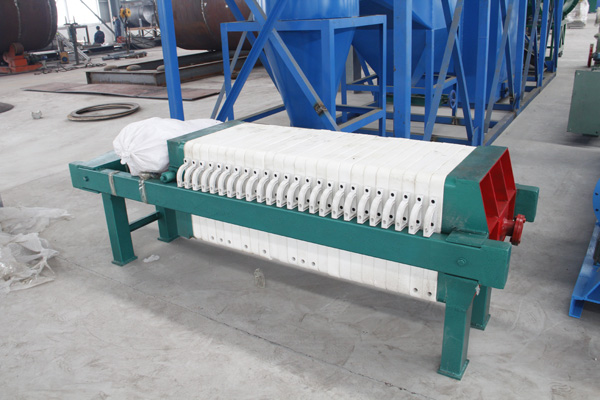
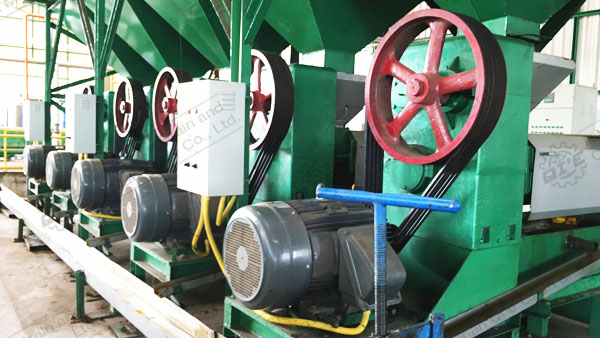
In the food processing industry, the fractionation of plant oils holds critical importance for producing high-quality specialty fats such as margarine, shortening, and specialty cooking oils. This guide elaborates on the entire process of plant oil fractionation systems, focusing on four core stages: raw material pre-treatment, cooling crystallization, centrifugal separation, and solvent recovery. By dissecting essential equipment selection criteria—highlighting continuous versus batch fractionators—alongside precise temperature curve settings and impurity control techniques, this overview equips engineers and technical professionals with actionable knowledge to optimize system stability and product quality.
Pre-treatment ensures raw plant oil meets the necessary criteria before entering crystallization, significantly affecting downstream separation performance. Key operations include degumming, bleaching, and de-waxing to remove phospholipids, pigments, and waxes respectively. Maintaining oil temperature between 60°C and 80°C optimizes viscosity, enhancing solvent penetration and crystal formation during cooling.
Proper impurity removal not only prevents fouling and blockage in fractionators but also reduces downstream emulsification risks, thereby improving both yield and operational longevity.
This stage is the cornerstone of effective fractionation. Precise control of cooling rates and crystallization temperature profiles dictates crystal morphology and size, directly impacting separation efficiency.
A typical temperature curve lowers the oil temperature gradually from 40°C to around 20°C over 4–6 hours, allowing uniform crystal growth. Crystallization time and solvent dosage (commonly 30%-40% volume of oil) must be calibrated to balance yield versus product purity.
“Selecting the proper cooling profile not only boosts separation but also enhances energy efficiency, reducing operating costs by up to 15%,” notes a senior engineer at Penguin Group.
The centrifugal separator is the heart of the fractionation process, separating solid crystals (stearin) from liquid oil (olein). Equipment selection hinges on production scale, desired throughput, and product specifications.
| Aspect | Continuous Centrifuge | Batch (Intermittent) Centrifuge |
|---|---|---|
| Throughput | High (up to 30 tons/hour) | Low to Medium (up to 10 tons/hour) |
| Product Consistency | Steady, continuous flow | Variable, requires batch control |
| Operational Flexibility | Less flexible for variety changes | Highly flexible for product variation |
| Energy Consumption | Generally more efficient | Higher relative consumption |
Selecting the wrong type can lead to frequent shutdowns or quality inconsistencies. Engineering teams should evaluate production scale, product complexity, and maintenance capacity to inform decisions.
Post-separation, solvents used (typically hexane or similar food-grade solvents) must be efficiently recovered to meet environmental standards and reduce costs. Multi-stage distillation and condensation systems optimize solvent reclaim rates, reaching recovery efficiencies above 98%.
Maintaining proper temperature control in solvent recovery units ensures minimized solvent degradation and reduces energy consumption, playing a pivotal role in comprehensive plant oil fractionation system sustainability.
Operational challenges such as centrifuge blockage, oil emulsification, and abnormal energy consumption often affect plant oil fractionation lines. Effective troubleshooting revolves around systematic root cause analysis and preventive maintenance:
“Our field reports confirm that integrating real-time sensor feedback can reduce downtime by up to 20%, enhancing overall plant reliability,” shares a lead process engineer with decades of fractionation expertise.
Controlled cooling rates, solvent purity, and effective removal of impurities during pre-treatment directly influence crystal formation, resulting in superior product texture and stability.
Consider production volume, desired product consistency, and process flexibility. Continuous centrifuges suit large-scale, uniform production; batch systems offer more flexibility for specialty products.
Optimizing temperature profiles, routinely maintaining equipment, and employing real-time monitoring tools are fundamental to reducing energy waste during fractionation.
Leveraging proven technological parameters alongside expert equipment selection enables the production of high-grade plant fractionated oils. The adherence to detailed control strategies—from pre-treatment through solvent recovery—not only boosts yield but safeguards product integrity vital for market competitiveness. Integrating these insights can significantly streamline operations within the plant oil processing sector.

 52
|
52
|
 palm kernel oil refining
phospholipid removal technology
food safety in oil processing
screw press extraction
automated oil refining system
palm kernel oil refining
phospholipid removal technology
food safety in oil processing
screw press extraction
automated oil refining system
 466
|
small-scale palm oil refining equipment
energy efficiency optimization
intermittent refining process
high-efficiency motor
equipment energy-saving solutions
466
|
small-scale palm oil refining equipment
energy efficiency optimization
intermittent refining process
high-efficiency motor
equipment energy-saving solutions
 348
|
Palm kernel oil refining
Screw pressing technology
Automated control system
Phospholipid extraction
Oil processing technology
348
|
Palm kernel oil refining
Screw pressing technology
Automated control system
Phospholipid extraction
Oil processing technology
 189
|
vegetable oil fractionation equipment
continuous fractionation machine
batch fractionation
cooling crystallization process
edible oil processing technology
48
|
palm oil refining equipment component selection
palm oil motor sizing continuous duty
high temperature oil pump materials
bearing fatigue life and lubrication
PLC condition monitoring for refining equipment
189
|
vegetable oil fractionation equipment
continuous fractionation machine
batch fractionation
cooling crystallization process
edible oil processing technology
48
|
palm oil refining equipment component selection
palm oil motor sizing continuous duty
high temperature oil pump materials
bearing fatigue life and lubrication
PLC condition monitoring for refining equipment