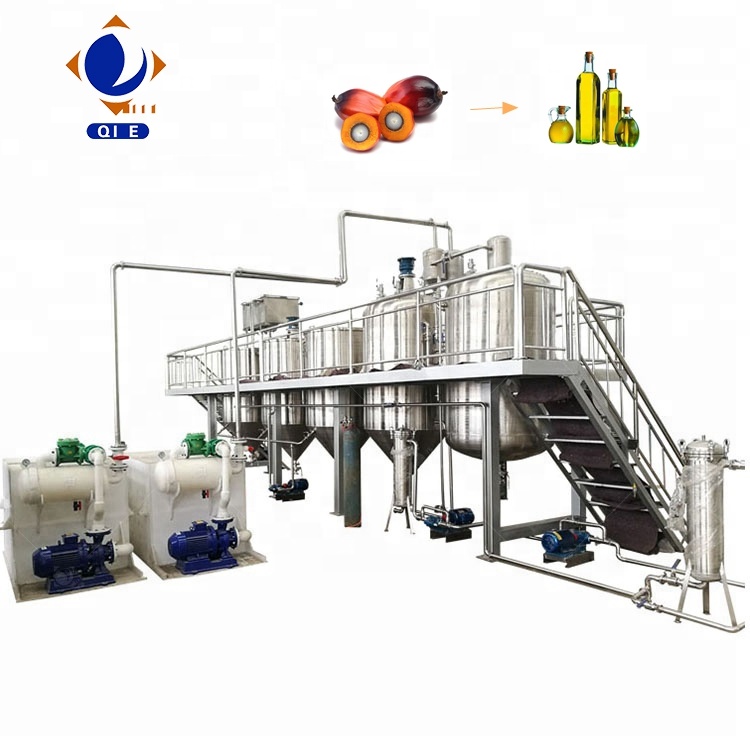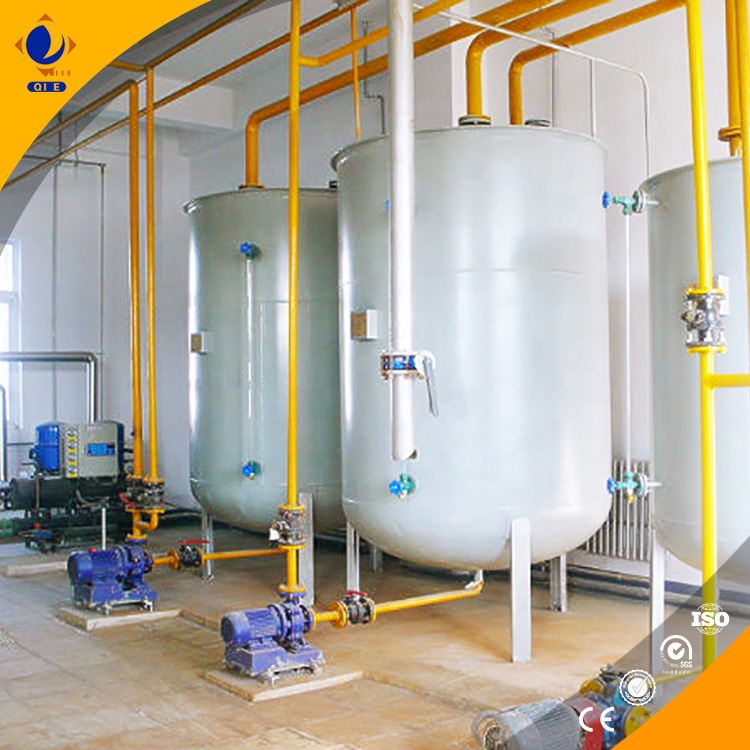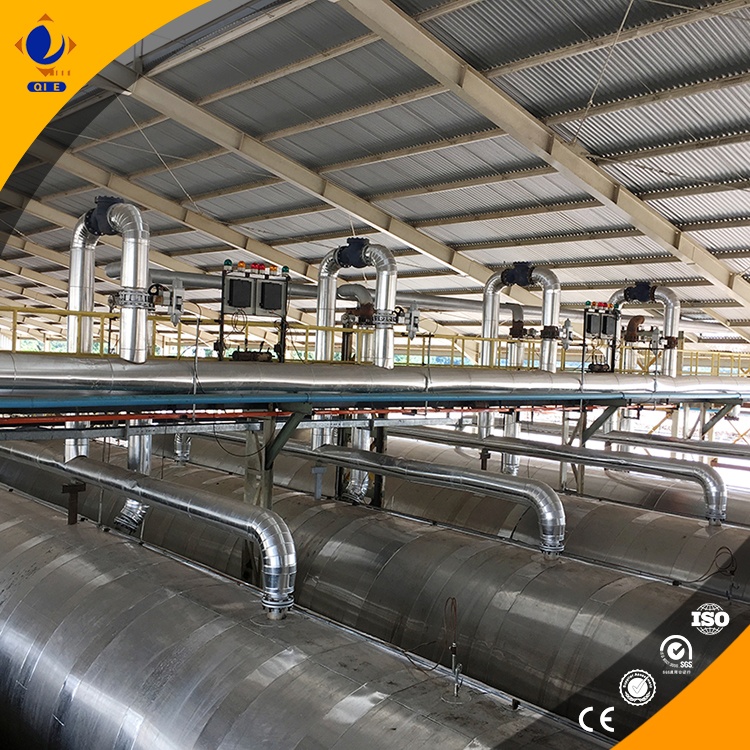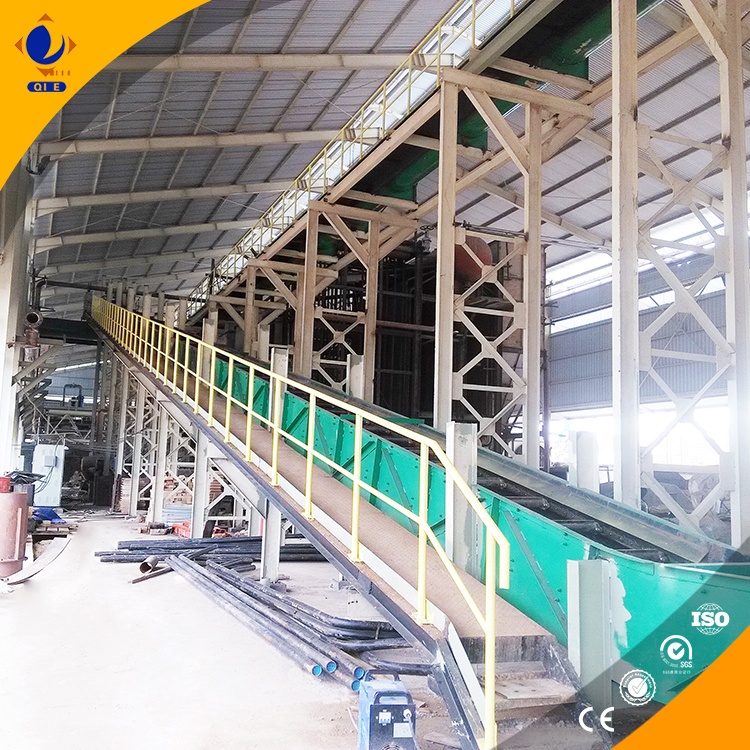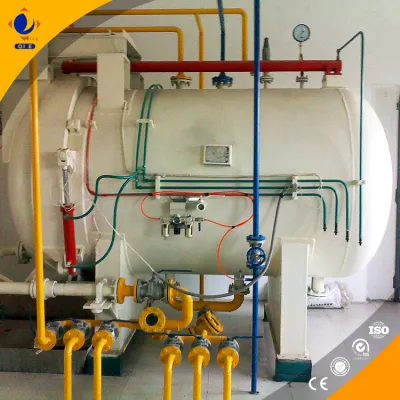
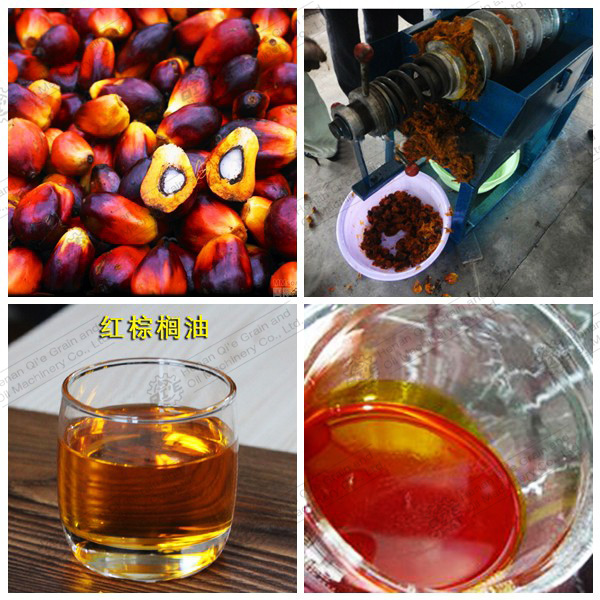
Vegetable oil fractionation stands as a pivotal technology in the edible oil industry, directly influencing product quality, utilization efficiency, and market competitiveness. By systematically dissecting its core technological principles and operational parameters, food processing enterprises and oil mills can address inherent challenges such as uneven crystallization and low yield. This article explores the nuanced mechanisms of physical fractionation, crystallization control, and filtration separation, with a focused lens on palm oil, rapeseed oil, and sunflower seed oil – providing actionable insights grounded in practical case studies.
Physical fractionation is the initial and most critical step where temperature control dictates the separation of oil fractions based on their melting points. Precision in maintaining temperature gradients between 5°C to 20°C is essential depending on oil type—palm oil typically requires a narrower range to segregate solid stearin and liquid olein fractions effectively.
The residence time within the crystallizers influences crystal growth and size distribution. Empirically, a span of 2 to 8 hours allows optimal crystal formation, balancing between high yield and purity. For example, ISO 5555 and AOCS methodologies recommend monitoring the crystallization curve to define residence time accurately, minimizing over or under-crystallization risks.
Crystallization kinetics determines crystal morphology and distribution, directly impacting filterability and final oil clarity. Introducing seed crystals at a controlled concentration (typically 0.1-1% by weight) fosters uniform nucleation, thus preventing heterogeneous crystal growth.
Cooling rates are optimized between 0.5°C to 1.5°C per hour depending on oil composition. Rapeseed oil's high unsaturation necessitates a gentler cooling curve to avoid fine crystal population that hinders filtration, whereas palm oil tolerates slightly faster cooling without compromising crystal integrity.
Filtration parameters such as pressure differential and filter media porosity critically impact oil clarity and yield. Operating at 0.6 to 1.2 bar pressure ensures efficient separation of solid triglycerides without forcing fines through the filter bed.
Equipment design, including filter leaf size and angle, affects throughput and cleaning cycles. Practical implementations have realized 2-5% improvements in oil recovery when optimizing filtration cycles guided by differential pressure monitoring.
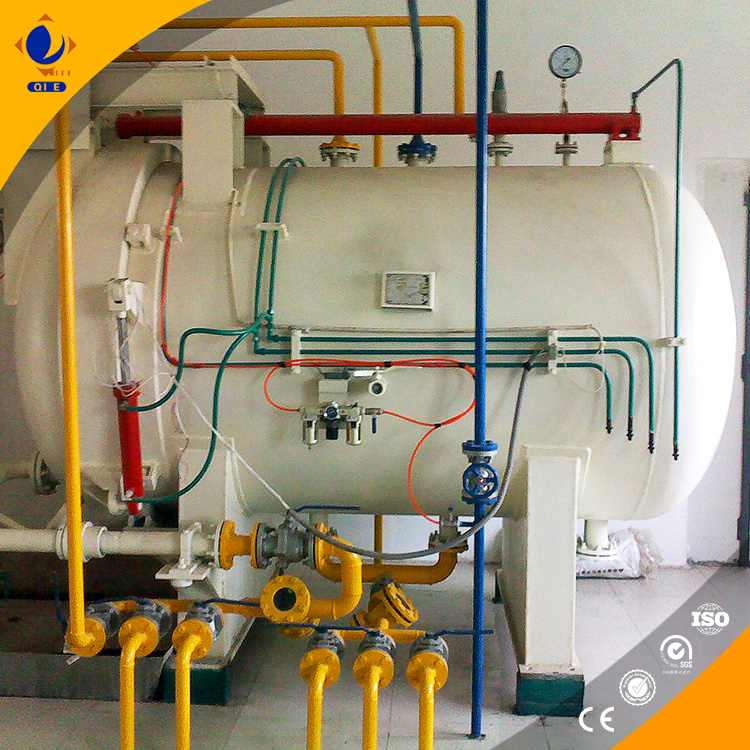
Each vegetable oil exhibits distinct behavior under identical fractionation regimes. Palm oil’s higher saturated fat content leads to faster crystallization and more robust crystal lattices, demanding tighter process controls.
Rapeseed oil, with higher unsaturation and variable fatty acid profiles, often requires incremental seed crystal dosing and stepwise cooling to mitigate the formation of fine crystal pockets causing filtration blockages. Sunflower seed oil's moderate saturation permits more flexible processing but requires vigilant temperature monitoring due to its sensitivity to polymorphic transitions.
Uneven crystallization is primarily caused by improper seed crystal distribution or fluctuating cooling rates. Solutions encompass automated seed dosing systems and programmable cooling tanks with real-time temperature feedback loops. Low oil recovery often results from suboptimal filtration pressure or inadequate retention times, rectifiable through calibrated process controls and volumetric throughput adjustments.
Implementing these solutions consistently aligns with industry standards such as ISO 5555 and leverages real-time inline monitoring technology, translating directly into improved oil purity, higher yield, and enhanced product stability.
Unlock the full potential of your oil fractionation process with proven, scalable technical solutions that enhance oil purity and maximize yield. Integrate advanced crystallization protocols and filtration optimization strategies to strengthen your competitive stance in global oil export markets.
Explore Customized Vegetable Oil Fractionation TechnologiesYour insights and experiences are invaluable to the continuous advancement of vegetable oil fractionation technology. Join the conversation to refine best practices and foster innovation across the industry.

 404
|
404
|
 palm fruit preprocessing equipment
corrosion-resistant materials for agro-processing
automatic control systems in oil palm mills
extreme climate agricultural machinery
palm oil processing optimization
175
|
palm oil automation
PLC control system
remote maintenance
process monitoring
quality traceability
palm fruit preprocessing equipment
corrosion-resistant materials for agro-processing
automatic control systems in oil palm mills
extreme climate agricultural machinery
palm oil processing optimization
175
|
palm oil automation
PLC control system
remote maintenance
process monitoring
quality traceability
 431
|
Automated refining equipment
Cost control in small and medium-sized oil mills
Palm kernel oil refining technology
Reduction of equipment maintenance risks
Improvement of oil purity
175
|
palm oil refining equipment
PLC control system
automated grain and oil machinery
intelligent monitoring system
food-grade production standards
377
|
palm oil automation control
PLC alarm codes
palm oil processing equipment
industrial process monitoring
remote maintenance technology
431
|
Automated refining equipment
Cost control in small and medium-sized oil mills
Palm kernel oil refining technology
Reduction of equipment maintenance risks
Improvement of oil purity
175
|
palm oil refining equipment
PLC control system
automated grain and oil machinery
intelligent monitoring system
food-grade production standards
377
|
palm oil automation control
PLC alarm codes
palm oil processing equipment
industrial process monitoring
remote maintenance technology