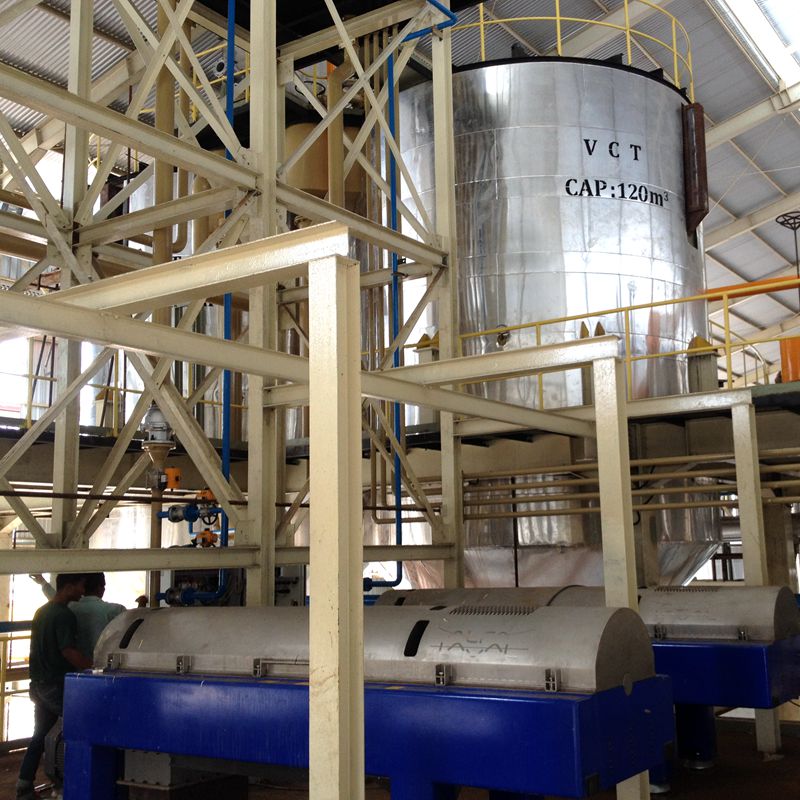
In the competitive landscape of edible oil production, refining efficiency and food safety are no longer optional—they’re non-negotiables. For palm kernel oil processors, phospholipid removal is a critical step that directly impacts final product quality, regulatory compliance, and operational profitability.
Phospholipids, naturally present in crude palm kernel oil, can cause issues during refining such as emulsification, increased soap stock formation, and reduced yield. According to the GB 2716-2018 Food Safety National Standard, total phospholipid content must be kept below 0.05% in refined oils to ensure consumer safety and shelf stability.
Advanced techniques like high-efficiency screw pressing (typically achieving 92–95% oil recovery) combined with automated control systems now allow processors to reduce phospholipid levels from ~0.3% to under 0.03%, significantly improving clarity, oxidative stability, and overall market value.

Modern refineries increasingly adopt intelligent control systems that monitor temperature, pressure, and pH in real time. These systems adjust parameters automatically—reducing human error by up to 40% and cutting energy consumption by 15–20% compared to manual operation.
For example, one Indonesian processor reported a 12% increase in daily throughput after implementing an integrated PLC-based automation system across their 10-ton-per-day palm kernel oil line. The result? Less waste, consistent output, and fewer rejected batches due to off-spec phospholipid levels.

As global demand for clean-label and sustainable oils rises, palm kernel oil producers must prioritize precision in every stage—from pre-treatment to final packaging. The synergy between advanced phospholipid removal methods and smart automation isn’t just about compliance—it’s about building trust with buyers and scaling sustainably.
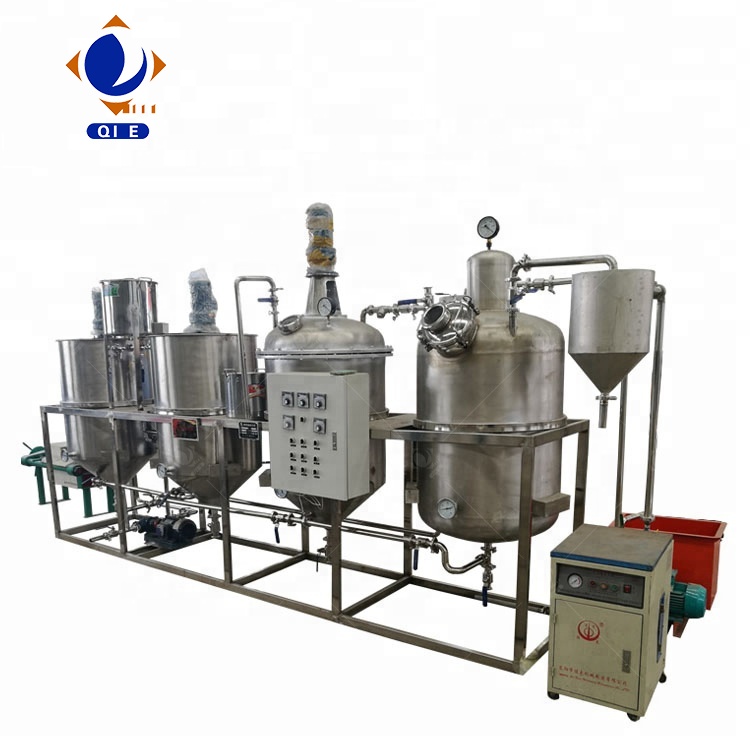
Discover how our 10-ton/day automated palm kernel oil refining solution delivers higher yields, safer products, and smarter operations—all backed by real-world performance data.
Learn More About Our Automated Refining Line →
 191
|
191
|
 Palm oil quality traceability
Data collection system
Batch management
Automated control system
PLC control
Palm oil quality traceability
Data collection system
Batch management
Automated control system
PLC control
 343
|
palm oil processing energy efficiency
heat recovery system optimization
automated oil extraction control
spiral press design improvement
ISO 9001 compliance in palm oil mills
343
|
palm oil processing energy efficiency
heat recovery system optimization
automated oil extraction control
spiral press design improvement
ISO 9001 compliance in palm oil mills
 232
|
palm oil pressing automation
PLC control system
energy-efficient palm oil extraction
production efficiency improvement
intelligent manufacturing technology
232
|
palm oil pressing automation
PLC control system
energy-efficient palm oil extraction
production efficiency improvement
intelligent manufacturing technology
 362
|
["Palm Crude Oil Refining Equipment"
"PLC Automation Control System"
"Palm Oil Processing Technology"
"Energy-Saving Equipment for Oil Refining"
"High-Efficiency Production Solutions"]
362
|
["Palm Crude Oil Refining Equipment"
"PLC Automation Control System"
"Palm Oil Processing Technology"
"Energy-Saving Equipment for Oil Refining"
"High-Efficiency Production Solutions"]
 190
|
smart regulation technology
palm kernel oil extraction efficiency
PLC control system for oil processing
automated oilseed refining equipment
industrial process optimization
190
|
smart regulation technology
palm kernel oil extraction efficiency
PLC control system for oil processing
automated oilseed refining equipment
industrial process optimization