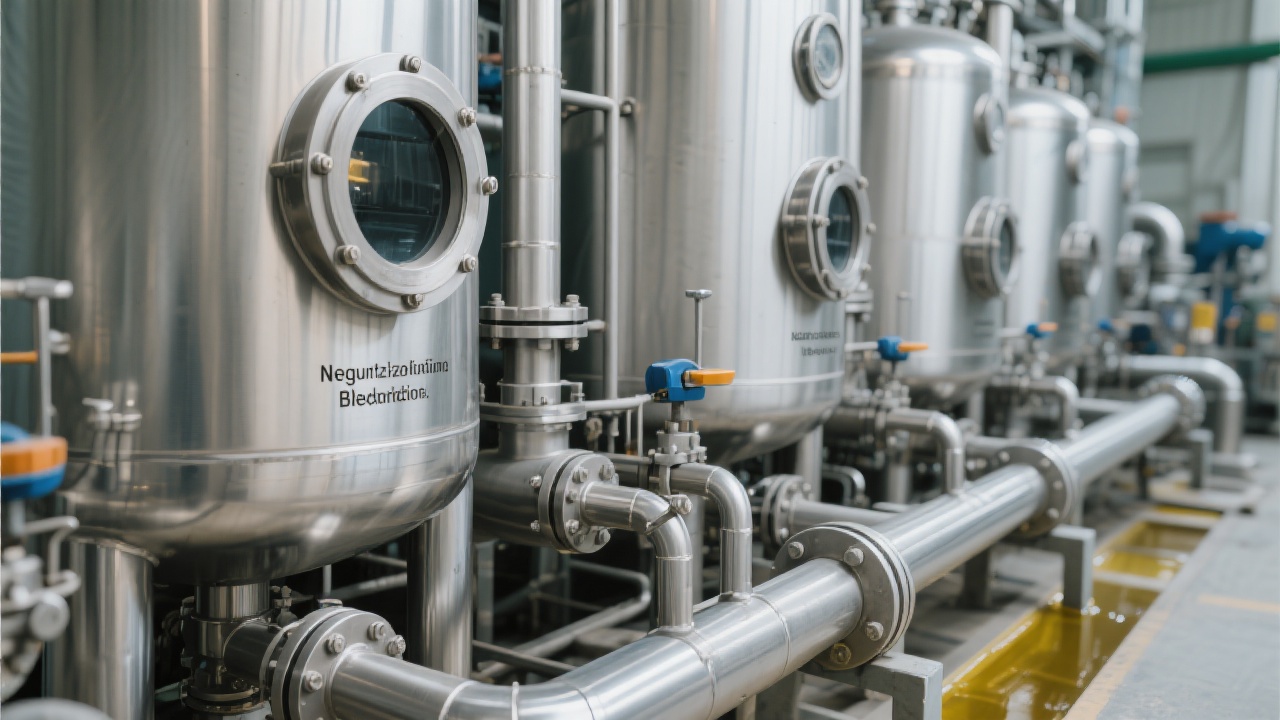
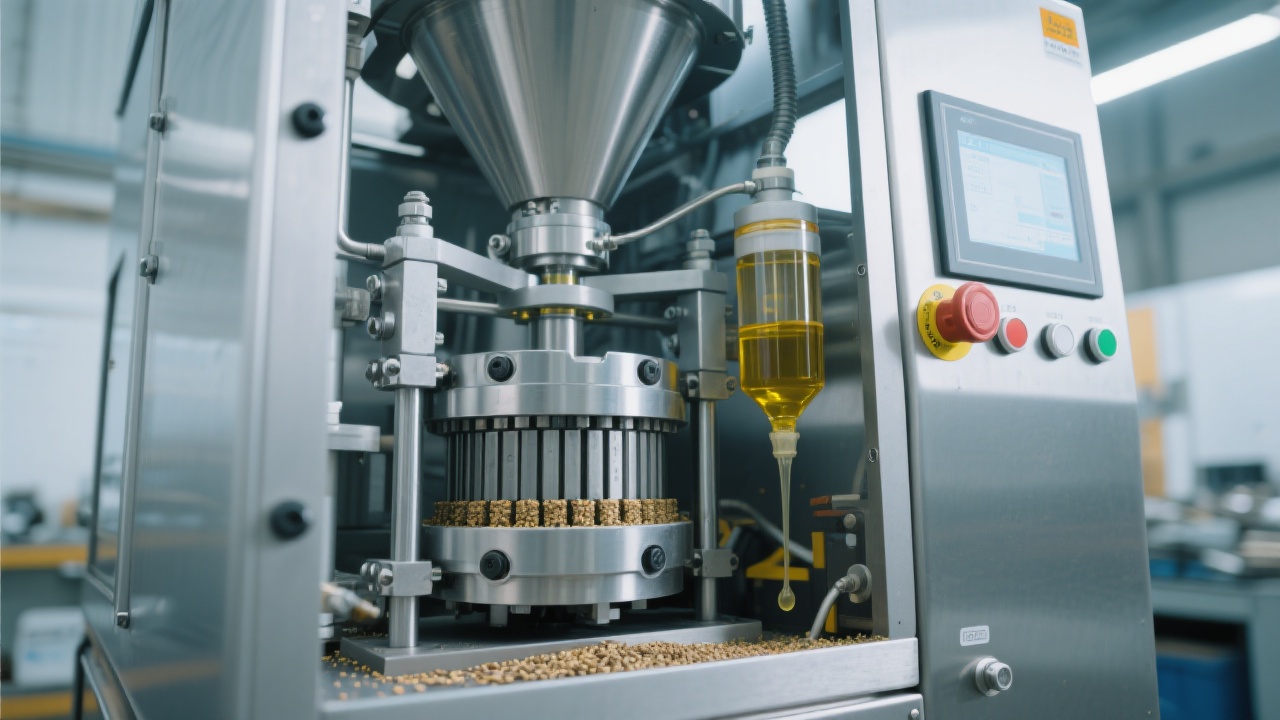
South American palm oil producers often face a frustrating challenge during the rainy season: high moisture content and increased impurities in fresh fruit bunches (FFBs) lead to inconsistent pressing efficiency and lower oil yields. But it doesn’t have to be this way.
By focusing on three critical preprocessing steps—cleaning optimization, crushing parameter tuning, and steam cooking temperature control—you can consistently improve oil extraction by over 10%, reduce waste, and adapt to extreme weather conditions without costly downtime.
Raw palm fruits from different regions vary significantly in composition:
| Region | Avg. Moisture Content (%) | Common Impurities |
|---|---|---|
| Asia (Malaysia/Indonesia) | 60–65% | Fruit fragments, small stems |
| Africa (Nigeria/Ghana) | 65–70% | Soil particles, leaves, sand |
| South America (Brazil/Colombia) | 70–75% | Mud, mold, organic debris |
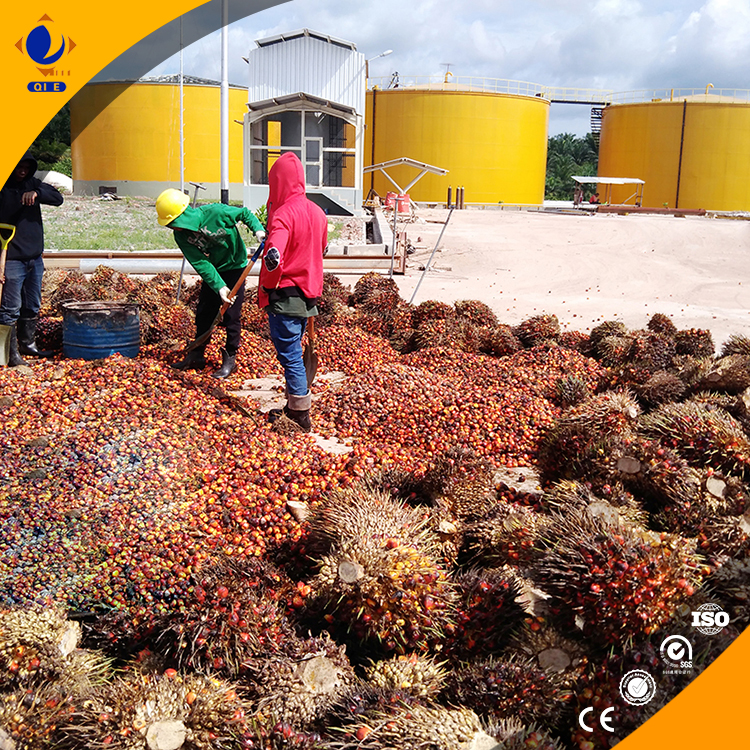
As shown above, South American FFBs are notably wetter and more contaminated than those from other regions—a direct cause of poor press performance. This is where targeted preprocessing makes all the difference.
1. Optimize Cleaning Pressure & Duration: Use adjustable water jets at 3–4 bar pressure for 4–6 minutes to remove surface mud and loose fibers. In Brazil, one mill reduced clogging by 40% after switching from manual scrubbing to automated high-pressure cleaning.
2. Adjust Crusher Settings Based on Fruit Size: For rain-soaked fruits, use dual-stage crushing with coarse-to-fine screens (e.g., 10mm → 3mm). A finer second pass increases cell rupture rate, boosting oil release. Test with a sample batch before full-scale implementation.
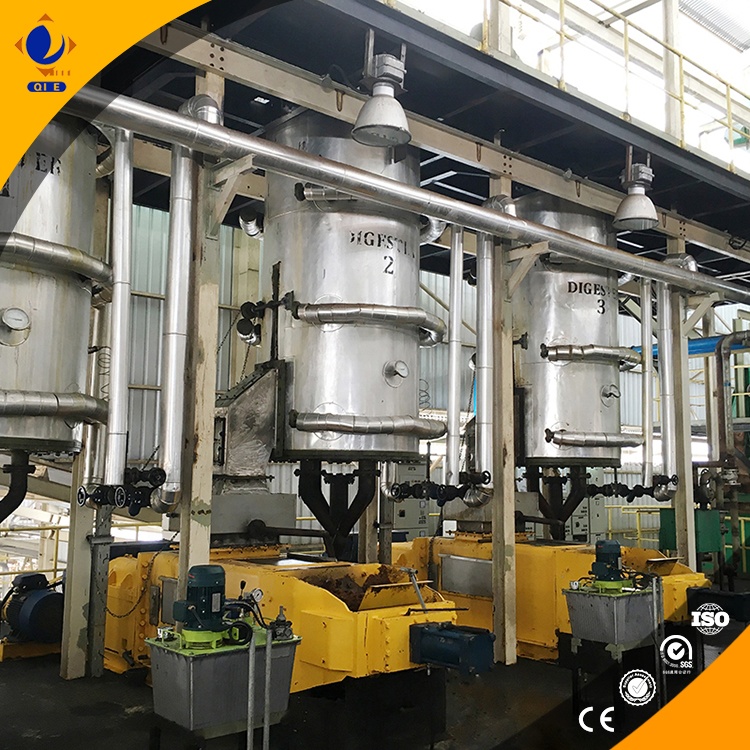
3. Control Steam Cooking Curve Precisely: Maintain 100–110°C for 30–45 minutes. Too hot? You risk protein denaturation; too cold? Oil remains trapped in cells. Install a PID-controlled steam system—it’s worth the investment.
These aren't just theoretical improvements—they’ve been validated in real-world mills across South America. One case study from a Colombian facility reported a 12% increase in yield within two weeks of implementing these protocols.
When humidity exceeds 85%, standard steel components corrode quickly. Consider using 304 stainless steel for contact surfaces and installing automatic feedback systems that adjust water flow and heat based on incoming fruit quality. These small changes prevent breakdowns and maintain consistency—even when the rain won’t stop.
💡 Tip: Keep a daily logbook. Operators who record moisture readings, cleaning times, and steam temps see faster improvements—and fewer complaints from buyers.
Download our free “Local Preprocessing Playbook” — tailored for South American conditions, with step-by-step checklists, equipment specs, and troubleshooting tips used by top mills.
Get the White Paper Now
 431
|
431
|
 palm oil pressing equipment efficiency
304 stainless steel oil press advantages
high-efficiency palm oil processing units
African palm oil industry solutions
automated palm oil extraction technology
palm oil pressing equipment efficiency
304 stainless steel oil press advantages
high-efficiency palm oil processing units
African palm oil industry solutions
automated palm oil extraction technology
 46
|
palm oil refining equipment
energy-efficient palm oil processing
automated oil extraction technology
46
|
palm oil refining equipment
energy-efficient palm oil processing
automated oil extraction technology
 417
|
["palm kernel oil extraction automation"
"PLC control system for oil processing"
"sensor technology in edible oil production"
"intelligent regulation in food processing"
"automated oil extraction equipment"]
417
|
["palm kernel oil extraction automation"
"PLC control system for oil processing"
"sensor technology in edible oil production"
"intelligent regulation in food processing"
"automated oil extraction equipment"]
 67
|
palm oil refining equipment
energy-efficient palm oil processing
advanced PLC control systems
67
|
palm oil refining equipment
energy-efficient palm oil processing
advanced PLC control systems
 296
|
small-scale palm oil production line
high-efficiency palm oil pressing equipment
palm oil processing technology
environmentally friendly oil extraction machines
food and beverage processing equipment
296
|
small-scale palm oil production line
high-efficiency palm oil pressing equipment
palm oil processing technology
environmentally friendly oil extraction machines
food and beverage processing equipment