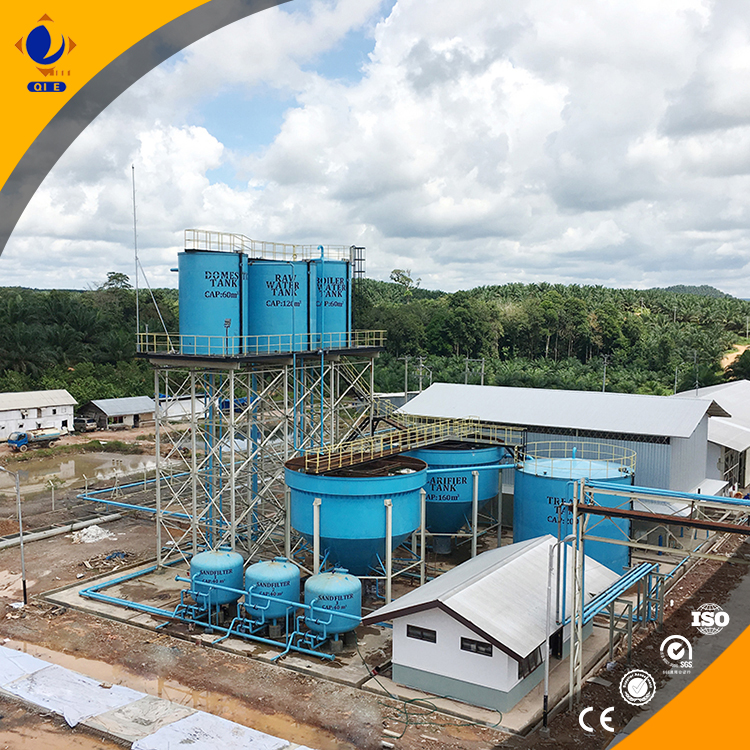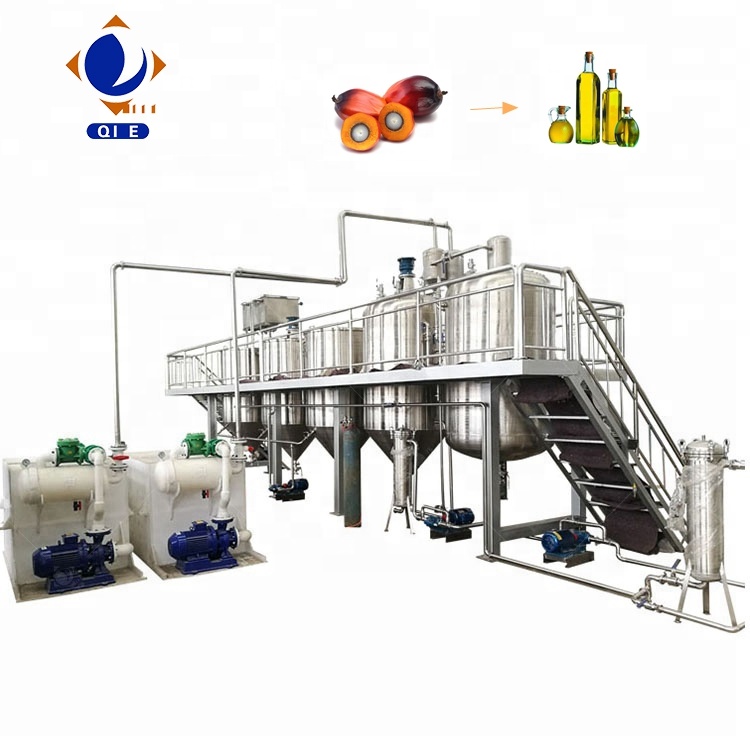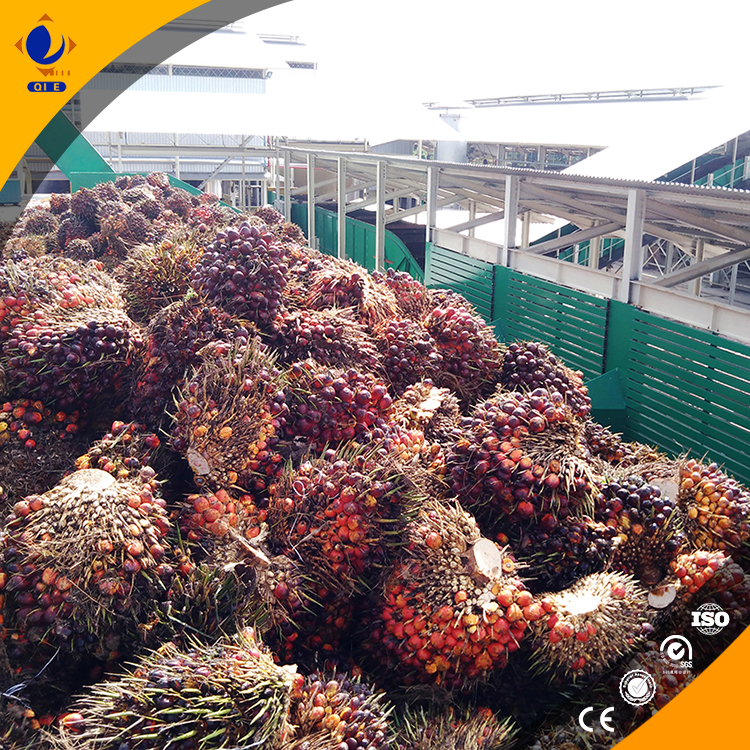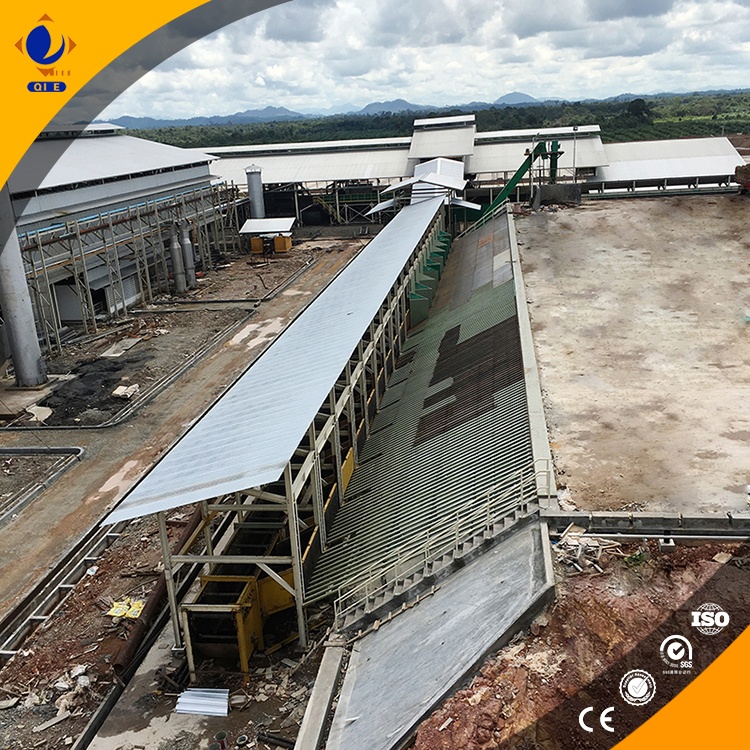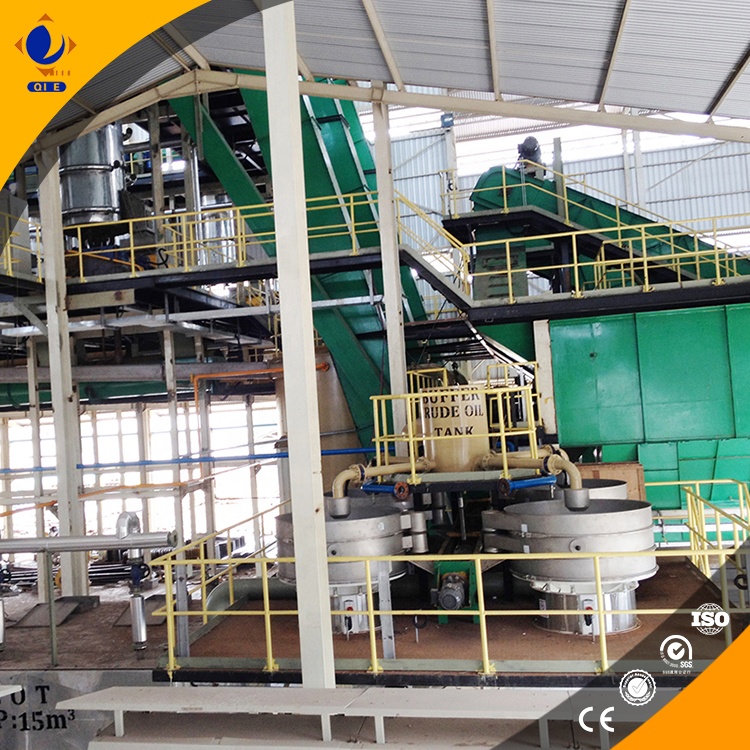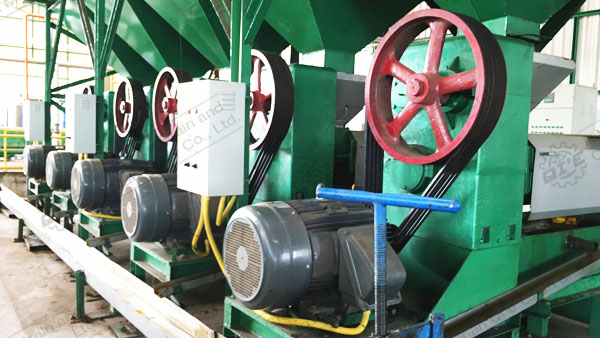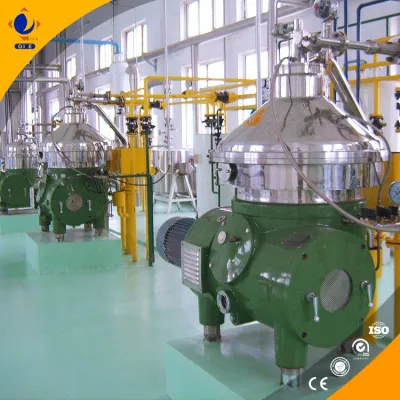
Palm oil stands as one of the most versatile and widely consumed vegetable oils globally, with applications spanning from food production to biofuel and cosmetics. According to industry reports, the global palm oil market is projected to reach $92.8 billion by 2025, growing at a CAGR of 5.3%. However, the journey from crude palm oil (CPO) to refined, bleached, and deodorized (RBD) palm oil requires sophisticated refining technology that balances efficiency, quality, and sustainability.
Crude palm oil contains various impurities including phospholipids, free fatty acids (FFA), pigments, and off-flavors that must be removed to meet international quality standards. The refining process typically consists of four critical stages: degumming, neutralization (deacidification), bleaching, and deodorization. Each stage plays a vital role in transforming raw palm oil into a high-quality end product suitable for human consumption and industrial applications.
Degumming is the initial step in palm oil refining, focused on removing phospholipids (gums) that can cause off-flavors, color development, and oxidation during storage. The process involves adding water (typically 2-3% of oil weight) to the crude palm oil, which hydrates the phospholipids, causing them to separate from the oil phase. Proper degumming can reduce phosphorus levels to below 10 ppm, significantly improving the efficiency of subsequent refining stages.
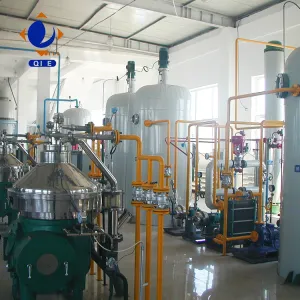
Modern degumming systems employ centrifugal separators that achieve gum separation efficiencies of over 98%, minimizing oil loss. Temperature control is critical during this stage, with optimal processing temperatures ranging from 70-85°C depending on the specific characteristics of the crude palm oil.
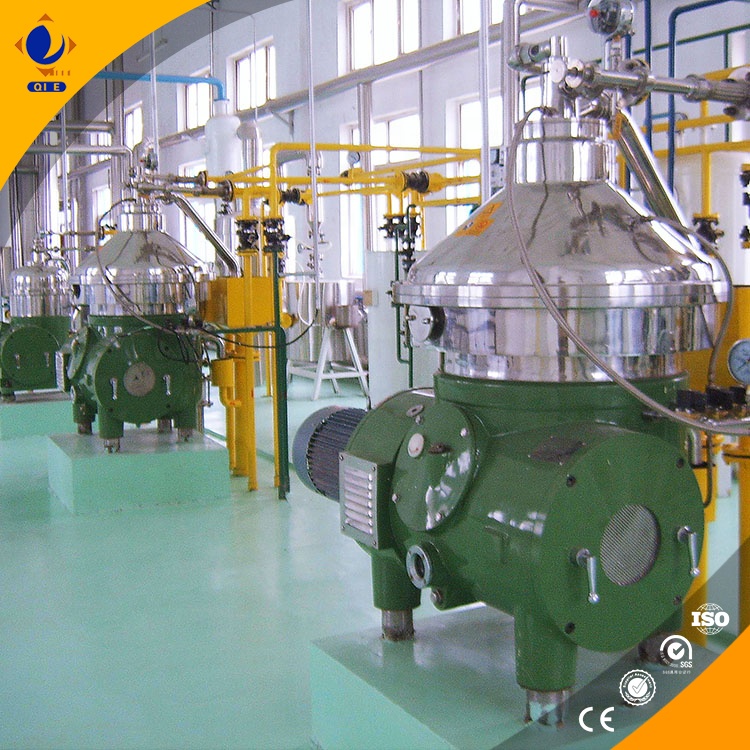
Neutralization, or deacidification, targets the reduction of free fatty acids through a chemical reaction with an alkaline solution (typically sodium hydroxide). The process involves carefully controlled addition of alkali, which reacts with FFA to form soapstock that can be separated by centrifugation. Well-executed neutralization can reduce FFA levels from 5-10% in crude palm oil to below 0.1% in refined oil.
The key to effective neutralization lies in precise alkali dosage and mixing intensity. Over-alkalization can lead to excessive oil loss, while under-alkalization leaves residual FFA that affects product quality. Modern systems utilize automated pH monitoring and dosing systems to maintain optimal conditions, reducing FFA removal time by up to 30% compared to traditional batch processes.
Bleaching is essential for removing carotenoids, chlorophyll, and other color pigments, as well as residual soap, trace metals, and oxidation products. The process involves mixing the oil with adsorbent materials such as activated clay (typically 1-3% by weight) and Fuller's earth under vacuum conditions at temperatures between 90-110°C.
Excessive Adsorbent Use: Using more than 3% clay increases oil loss and production costs. Solution: Optimize clay type and dosage based on initial oil quality.
Inadequate Vacuum: Poor vacuum leads to oxidation and color reversion. Solution: Maintain vacuum levels below 50 mbar throughout the process.
Insufficient Mixing: Leads to uneven bleaching and inconsistent color. Solution: Implement high-shear mixers with proper residence time control.
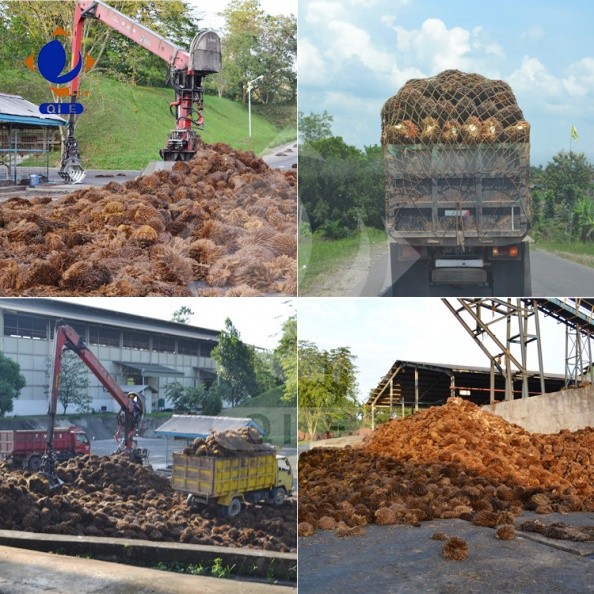
Deodorization is the final and most energy-intensive stage of palm oil refining, responsible for removing volatile compounds that cause off-flavors and odors. Traditional deodorization processes operate at high temperatures (220-260°C) under high vacuum (1-5 mbar) using steam stripping. This stage also removes remaining FFA (down to 0.05% or lower) and improves the oil's oxidative stability.
Steam heating technology has revolutionized deodorization efficiency, offering significant energy savings compared to traditional heating methods. Modern steam-injection systems can reduce energy consumption by 25-30% while improving heat transfer efficiency. The key to successful deodorization lies in balancing temperature, vacuum, and steam flow rate to achieve optimal results without causing thermal degradation of the oil.
The adoption of automation technology has transformed palm oil refining operations, enabling precise control of process parameters and consistent product quality. Automated systems can monitor and adjust key variables in real-time, including temperature, pressure, flow rates, and chemical dosages, reducing human error and process variability.
Penguin Group has been at the forefront of developing advanced automation solutions for palm oil refining. Their integrated control systems provide comprehensive process monitoring and optimization, resulting in: improved product consistency (reducing quality variations by up to 40%), increased throughput (typically 15-20% higher than manual operations), and reduced energy consumption (average savings of 18-25% compared to conventional systems).
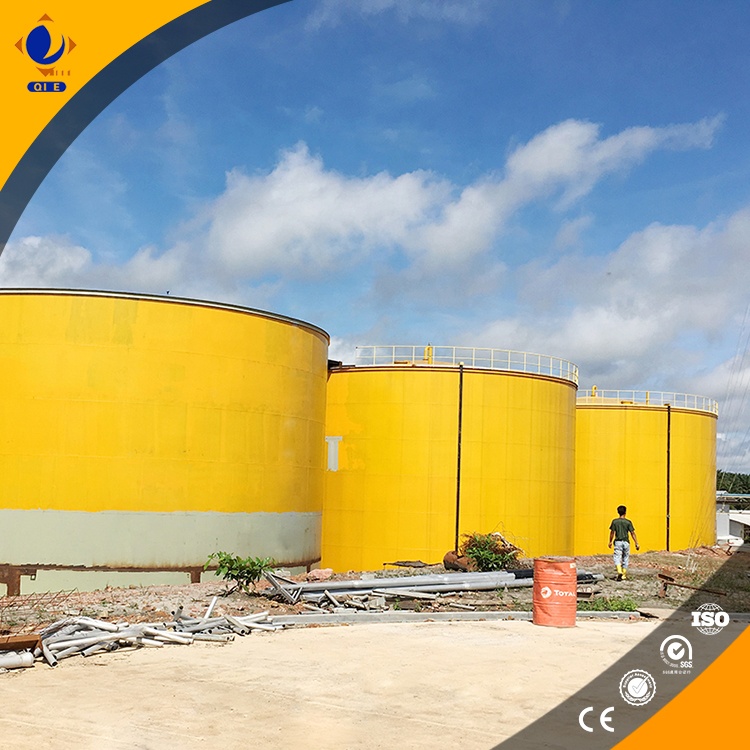
Discover how Penguin Group's advanced automation solutions can transform your palm oil refining operations, reducing costs while improving product quality and sustainability.
Explore Penguin Group's Palm Oil Refining TechnologiesEffective palm oil refining requires a deep understanding of each process stage and how they interact to produce high-quality end products. By implementing modern technologies and best practices in degumming, neutralization, bleaching, and deodorization, producers can achieve significant improvements in efficiency, product quality, and sustainability.
The integration of automation and advanced process control not only enhances operational efficiency but also provides valuable data insights for continuous improvement. As the palm oil industry continues to evolve, staying at the forefront of refining technology will be essential for meeting increasingly stringent quality standards and consumer expectations.
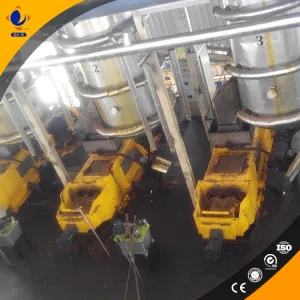
 366
|
366
|
 palm oil refining process
palm oil bleaching technology
palm oil deodorization control
edible oil quality standards
automated palm oil equipment
palm oil refining process
palm oil bleaching technology
palm oil deodorization control
edible oil quality standards
automated palm oil equipment
 178
|
remote monitoring palm oil equipment
PLC control technology
palm oil refining maintenance
automated oil processing systems
intelligent粮油 machinery
178
|
remote monitoring palm oil equipment
PLC control technology
palm oil refining maintenance
automated oil processing systems
intelligent粮油 machinery
 492
|
palm oil refining equipment
motor selection for high load
bearing fatigue strength
equipment maintenance
Qie Group automation
377
|
palm oil automation control
PLC alarm codes
palm oil processing equipment
industrial process monitoring
remote maintenance technology
98
|
Palm fruit pretreatment
Palm oil pressing equipment
Fault diagnosis
Non - standard customized equipment
Automation control
492
|
palm oil refining equipment
motor selection for high load
bearing fatigue strength
equipment maintenance
Qie Group automation
377
|
palm oil automation control
PLC alarm codes
palm oil processing equipment
industrial process monitoring
remote maintenance technology
98
|
Palm fruit pretreatment
Palm oil pressing equipment
Fault diagnosis
Non - standard customized equipment
Automation control