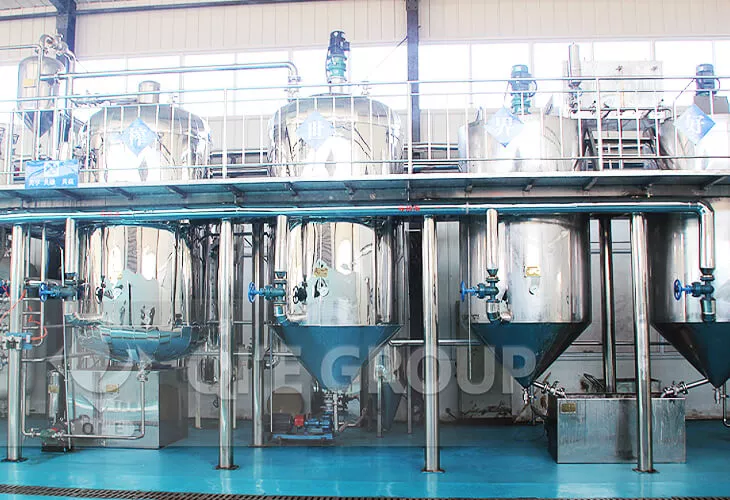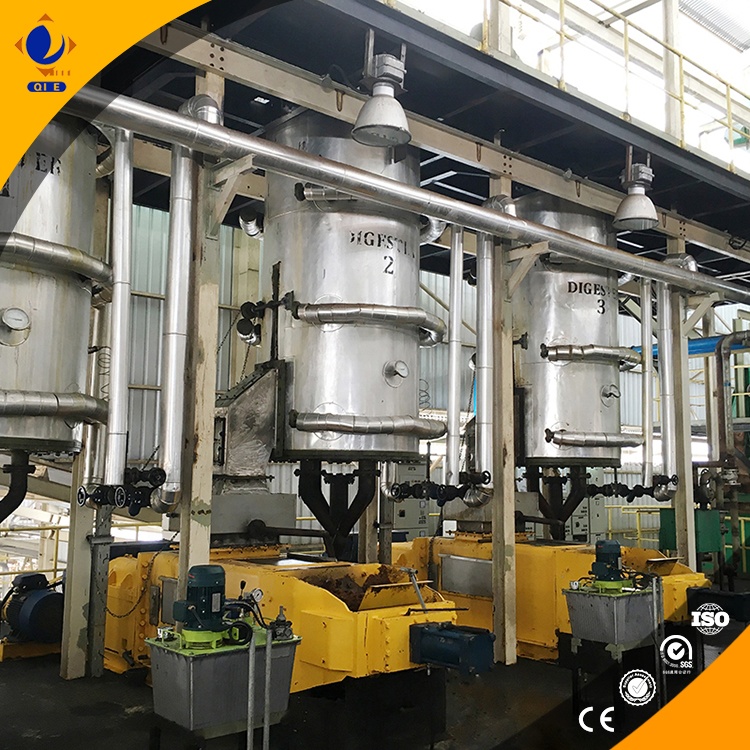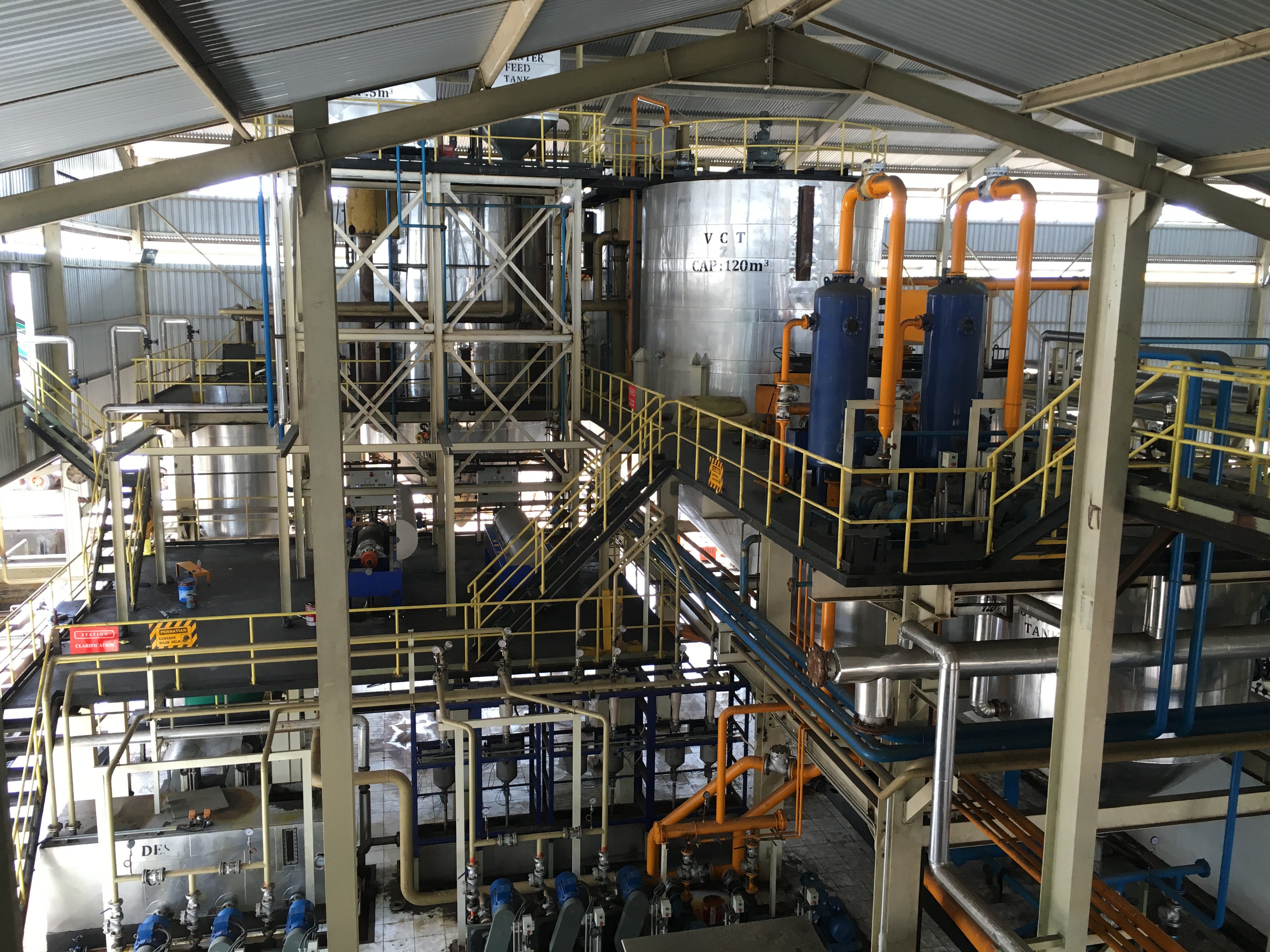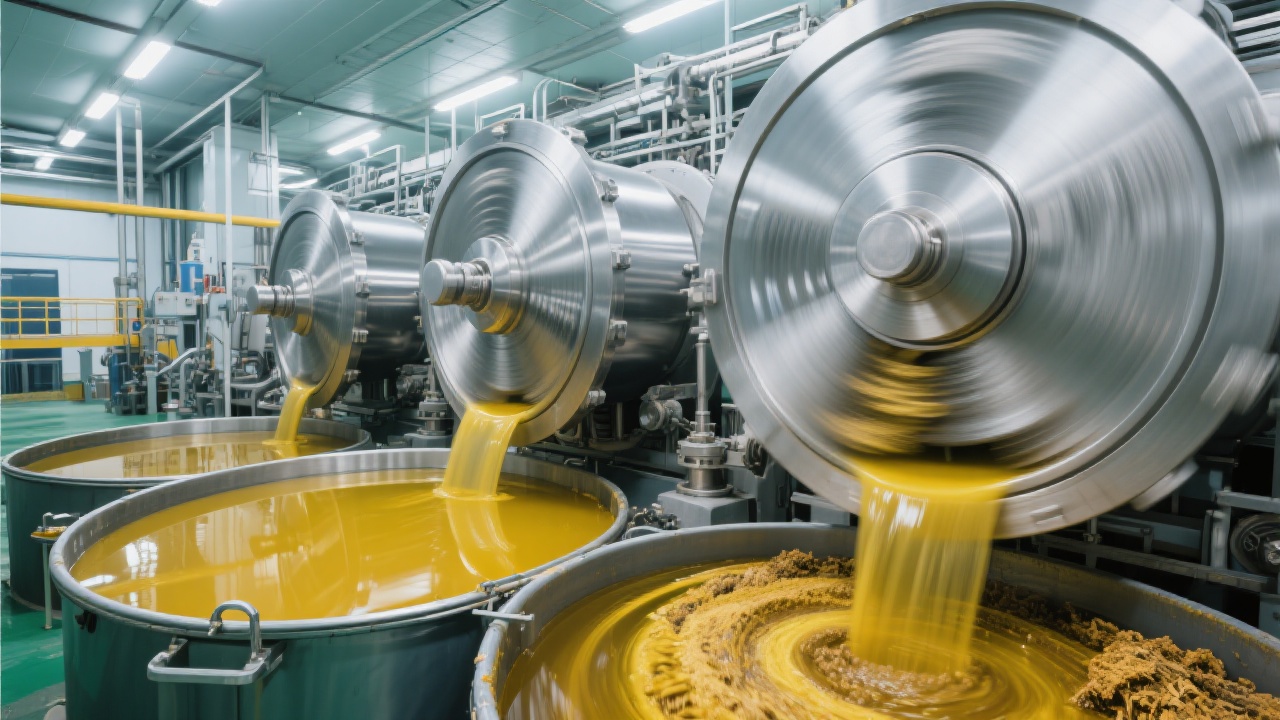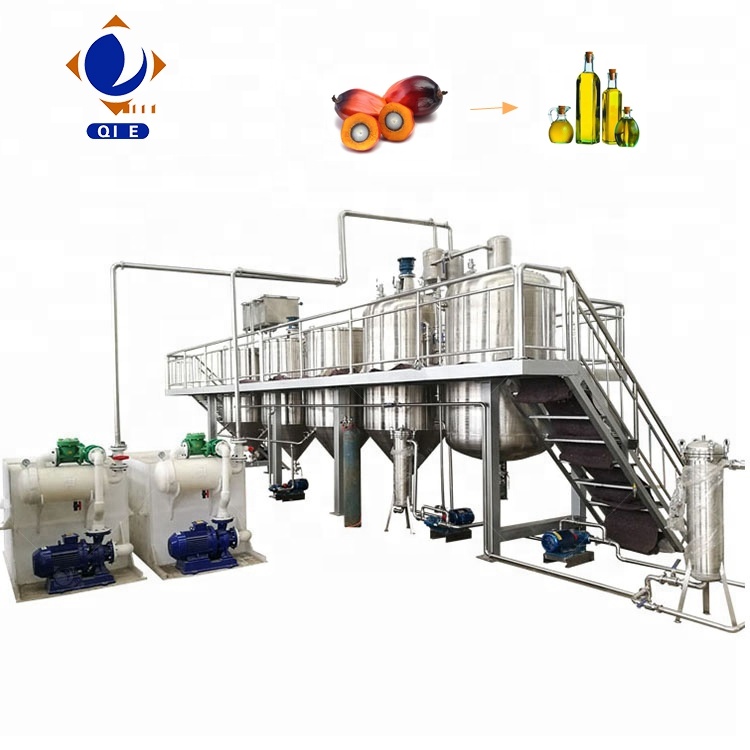
In the competitive edible oil industry, mastering palm oil refining technology is crucial for producing high-quality products that meet international standards. This comprehensive guide explores the complete palm oil refining process, from degumming to deodorization, highlighting energy-efficient practices and quality control measures that can significantly impact your bottom line.
Palm oil, with its unique fatty acid composition and high oxidative stability, requires specialized refining processes to transform crude palm oil (CPO) into a marketable product. According to industry data, proper refining can increase the market value of crude palm oil by 30-40% while extending shelf life from 3-6 months to 12-18 months.
Industry Insight:
Global palm oil production exceeds 75 million metric tons annually, with approximately 85% of this volume requiring some form of refining before reaching consumer markets.
Degumming is the critical first step that removes phospholipids (gums) which can negatively impact oil stability and further processing. The process typically involves adding 0.5-2% water at 60-80°C, followed by mixing and centrifugation. Proper degumming reduces phosphorus levels to below 10 ppm, ensuring optimal performance in subsequent refining stages.
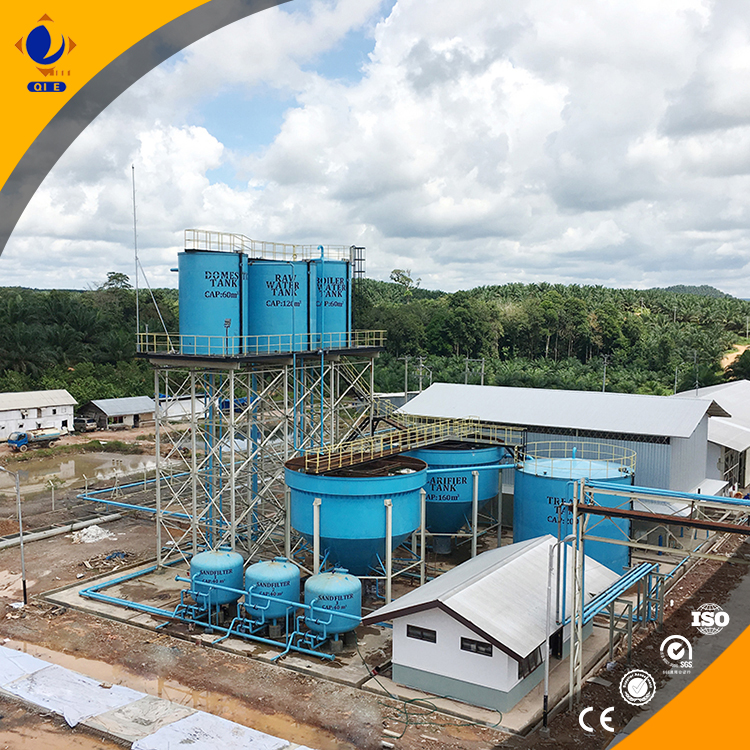
Crude palm oil typically contains 3-5% free fatty acids (FFAs) that must be reduced to below 0.1% for high-quality edible oil. The chemical neutralization process uses sodium hydroxide to convert FFAs into soapstock, which is then separated by centrifugation. Modern continuous refining systems can achieve FFA reduction efficiency of 98% or higher when properly calibrated.
Bleaching removes pigments, oxidation products, and remaining soap particles using adsorbent materials like activated clay (1-3% by weight) and activated carbon (0.1-0.5%). The process operates at 90-110°C under vacuum conditions to prevent oxidation. Proper bleaching reduces the oil's color from 30-40 Red to below 3 Red (Lovibond scale), significantly enhancing marketability.
Common Operational Mistake:
Excessive adsorbent usage (above 3.5%) does not improve bleaching efficiency but increases oil loss by 0.5-1.0% and raises processing costs. Optimize based on crude oil quality rather than using fixed dosages.
Deodorization removes volatile compounds that cause off-flavors and odors, operating at high temperatures (220-260°C) under high vacuum (1-5 mbar). This stage also reduces FFAs to below 0.05% and destroys any remaining peroxides.
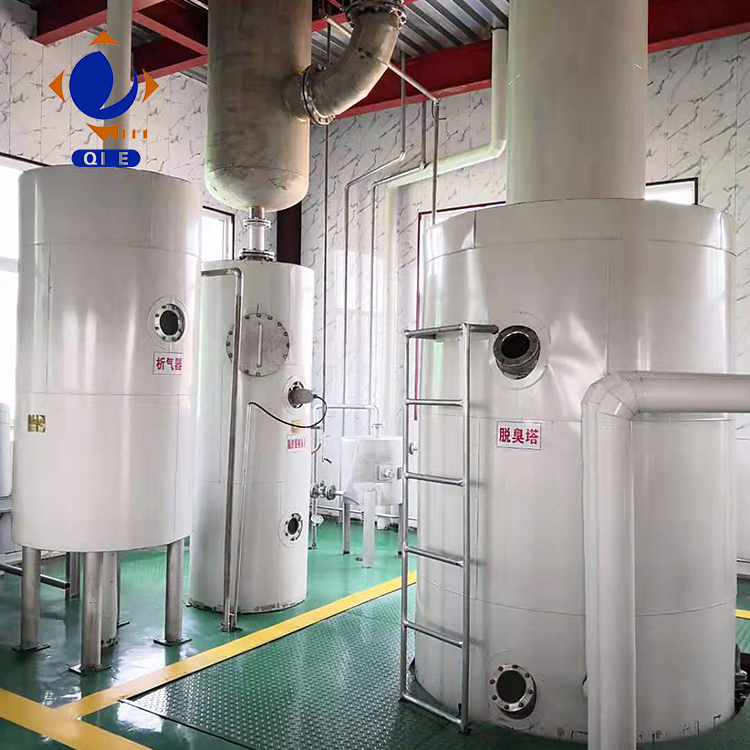
Steam heating represents the most energy-efficient method for deodorization, offering significant advantages over other heating systems:
Implementing CCPs throughout the refining process is essential for consistent product quality. Key monitoring points include:
| Process Stage | Critical Control Point | Target Value |
|---|---|---|
| Degumming | Phosphorus Content | < 10 ppm |
| Neutralization | Free Fatty Acids | < 0.1% |
| Bleaching | Color (Lovibond) | < 3 Red |
| Deodorization | Peroxide Value | < 1 meq/kg |
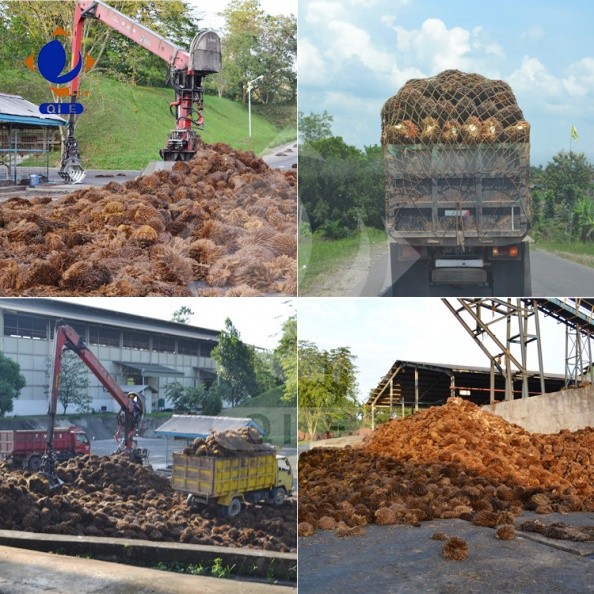
Modern palm oil refining operations increasingly rely on automation to maintain process consistency and optimize resource usage. PLC (Programmable Logic Controller) systems provide real-time monitoring and adjustment of critical parameters, reducing human error and ensuring product uniformity.
Automated systems can typically reduce oil losses by 1-2% compared to manual operations while improving product consistency. They also enable remote monitoring and diagnostics, minimizing downtime and maintenance costs.
Discover how 企鹅集团 (Penguin Group)'s advanced automation solutions can transform your refining operations, enhancing product quality while reducing energy consumption and operational costs.
Explore QIE-4030KW Automation SystemBy implementing the right combination of process knowledge, quality control measures, and automation technology, palm oil processors can achieve significant improvements in both product quality and operational efficiency. The integration of energy-efficient technologies like steam heating in deodorization not only reduces environmental impact but also provides substantial cost savings over the long term.
Continuous learning and adaptation to new technologies will remain essential in this competitive industry, where even small improvements in process efficiency can translate to significant market advantages.

 423
|
423
|
 palm oil refining equipment
energy - saving and environmental - friendly design
palm oil processing
fully - automatic PLC control
palm oil refining technology
palm oil refining equipment
energy - saving and environmental - friendly design
palm oil processing
fully - automatic PLC control
palm oil refining technology
 113
|
crude palm oil refining equipment
energy-efficient equipment
PLC automated control
palm oil processing equipment
production cost reduction
113
|
crude palm oil refining equipment
energy-efficient equipment
PLC automated control
palm oil processing equipment
production cost reduction
 181
|
Automated palm oil pressing
PLC control system
Intelligent manufacturing
Energy conservation and emission reduction
Production efficiency improvement
181
|
Automated palm oil pressing
PLC control system
Intelligent manufacturing
Energy conservation and emission reduction
Production efficiency improvement
 178
|
remote monitoring palm oil equipment
PLC control technology
palm oil refining maintenance
automated oil processing systems
intelligent粮油 machinery
178
|
remote monitoring palm oil equipment
PLC control technology
palm oil refining maintenance
automated oil processing systems
intelligent粮油 machinery
 202
|
palm crude oil refining equipment
energy - saving and environmental - friendly equipment
fully automatic PLC control
oil refining process
green production equipment
202
|
palm crude oil refining equipment
energy - saving and environmental - friendly equipment
fully automatic PLC control
oil refining process
green production equipment