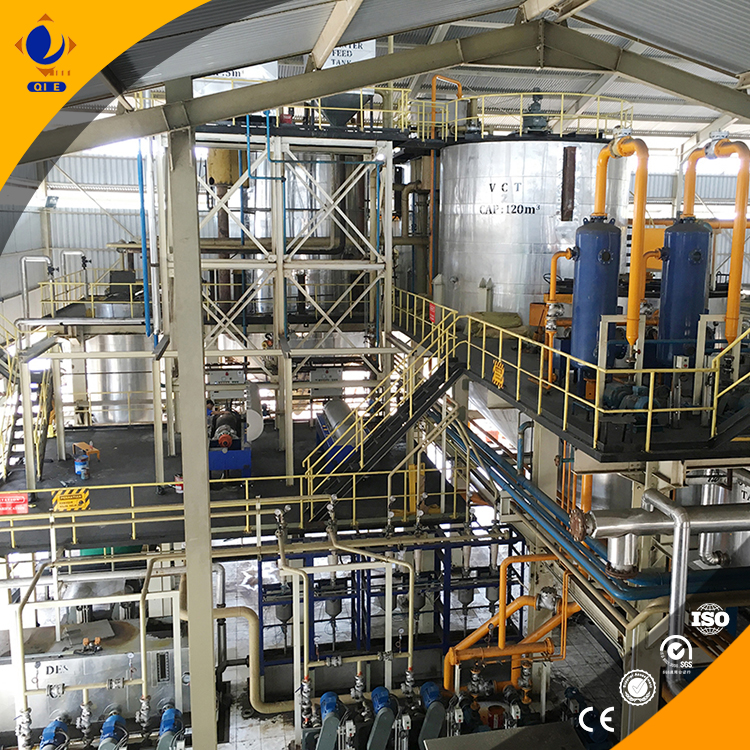
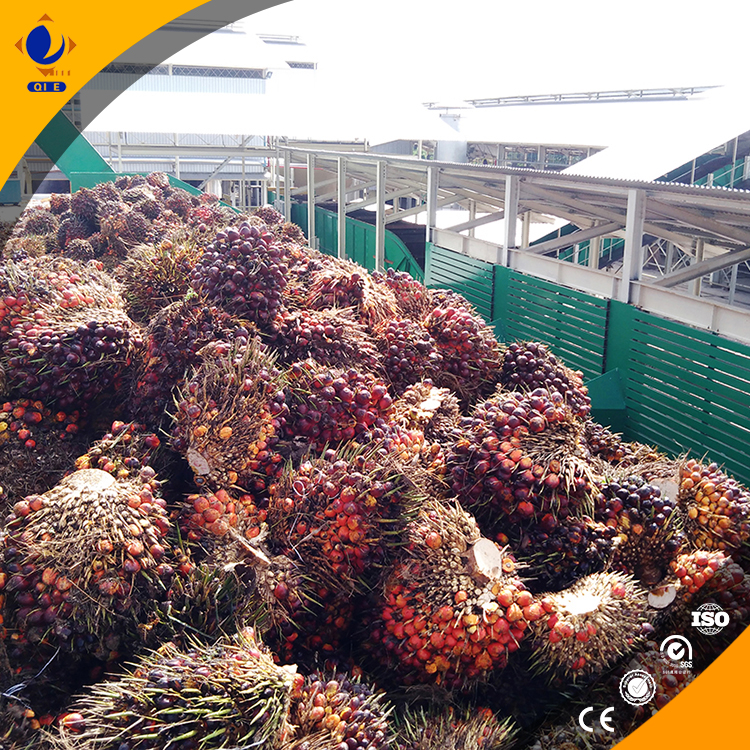
Palm oil stands as one of the most widely consumed vegetable oils globally, with annual production exceeding 75 million metric tons. However, crude palm oil requires sophisticated refining to meet international quality standards and consumer expectations. This comprehensive guide explores the entire palm oil refining process, focusing on critical control points and energy-saving technologies that can significantly impact your production efficiency and bottom line.
Industry Insight:
According to the Malaysian Palm Oil Board, properly refined palm oil can achieve up to 98% retention of beneficial tocotrienols while reducing free fatty acids to less than 0.1%, dramatically increasing product value and marketability.
The refining process begins with degumming, a critical step that removes phospholipids and other胶质 impurities. These impurities, if not properly removed, can cause off-flavors, reduce shelf life, and interfere with subsequent processing stages.
Optimal degumming typically involves adding 0.5-1.2% water by weight to the crude palm oil, followed by gentle agitation at 60-75°C for 20-30 minutes. The key control points include temperature stability (±2°C) and precise water dosage, as excessive water can lead to oil loss during separation.
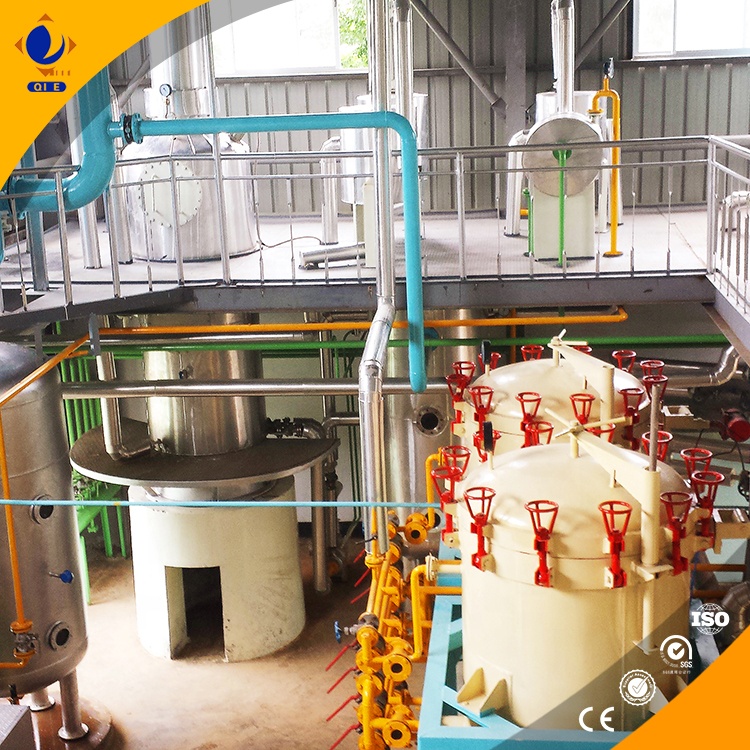
Deacidification addresses the free fatty acid (FFA) content, which directly impacts oil quality and shelf life. Crude palm oil typically contains 4-6% FFA, which must be reduced to below 0.15% for premium edible oil applications.
Two primary methods are employed: chemical neutralization using caustic soda and physical refining via steam stripping. Physical refining, increasingly preferred for palm oil, operates at 230-260°C under vacuum conditions, effectively removing FFAs without producing soapstock. This method reduces waste by up to 80% compared to chemical refining while preserving more natural oil components.
Common Pitfall:
Many processors overlook the importance of uniform temperature distribution during deacidification. Temperature variations greater than 5°C can result in uneven FFA removal, with some batches exceeding quality specifications by 0.08-0.12%.
Bleaching removes carotenoids, chlorophyll, and other pigments, while also adsorbing oxidation products and trace metals. The selection of bleaching earth type and dosage significantly impacts both oil quality and processing costs.
Typical bleaching processes use 1.5-3% activated clay by oil weight, processed at 90-110°C under vacuum. Modern systems incorporate pressure leaf filters that reduce bleaching earth consumption by 20-30% compared to traditional filter presses, while achieving better color reduction (from 30-40 to 3-5 Rosi Lovibond units).
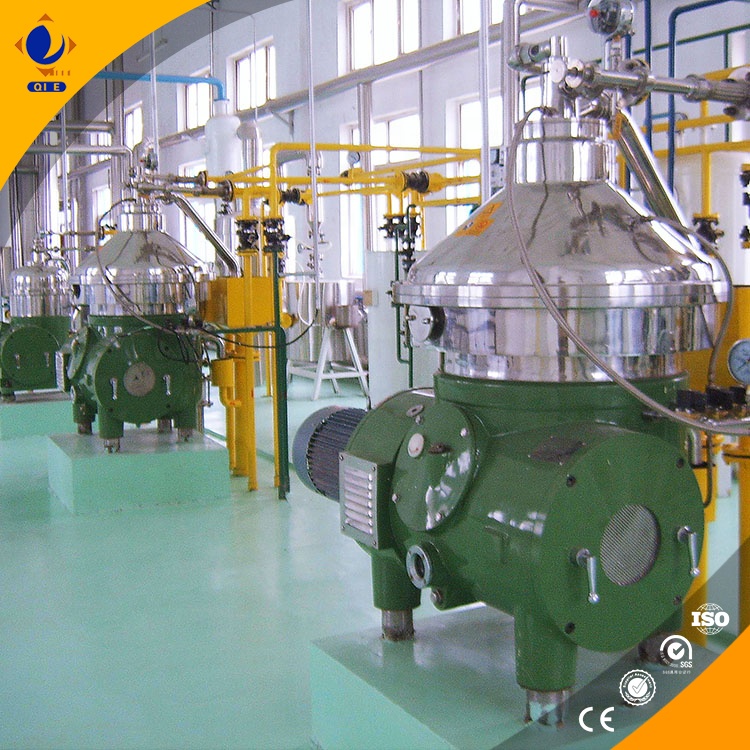
Deodorization removes volatile compounds responsible for off-flavors and odors, while also destroying any remaining peroxides. This stage represents the highest energy consumption in the refining process, typically accounting for 40-50% of total energy usage.
Steam heating technology offers significant advantages in deodorization efficiency. By optimizing steam injection patterns and operating at 240-260°C under high vacuum (≤3 mbar), modern systems can reduce energy consumption by 25-35% compared to conventional methods. Key parameters include steam quality (dryness fraction >0.95), residence time (30-60 minutes), and temperature uniformity.
A Southeast Asian palm oil mill implemented optimized steam deodorization technology and reported:
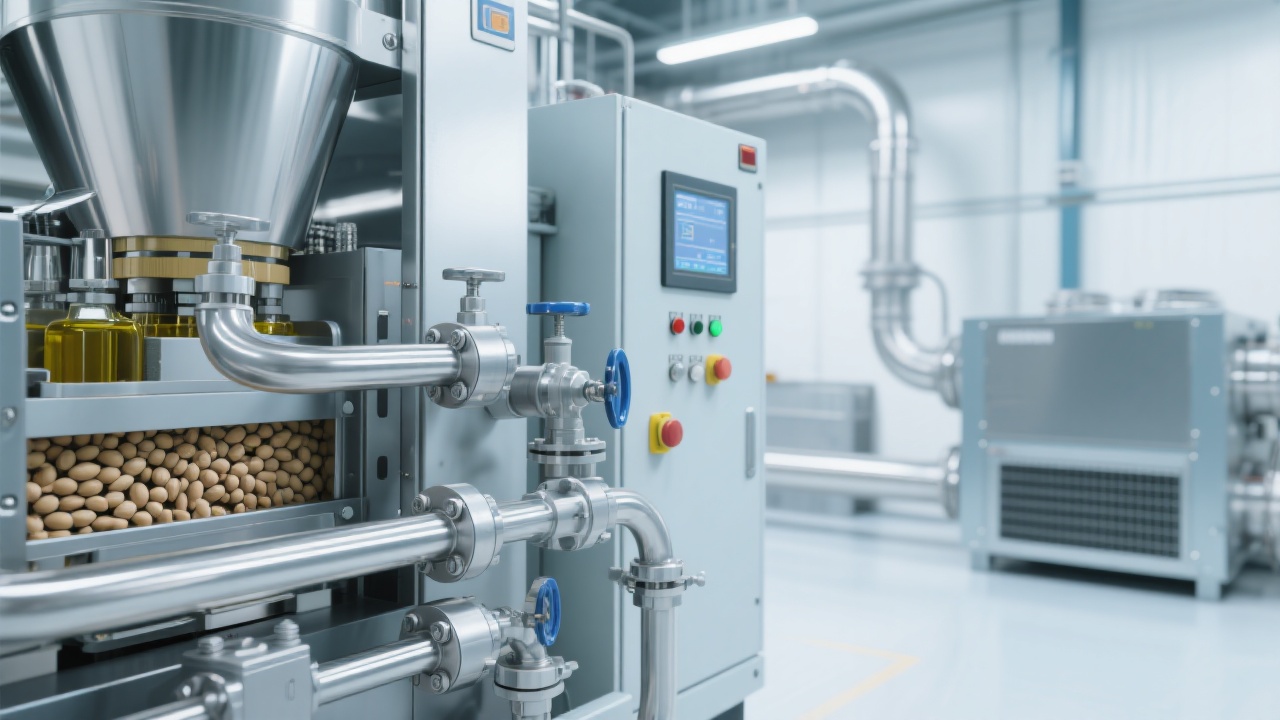
The integration of automation technology has revolutionized palm oil refining, enabling precise control over each process stage while reducing labor requirements and human error. Modern control systems can maintain process parameters within ±1°C for temperature and ±0.5% for chemical dosages, resulting in consistent product quality and reduced waste.
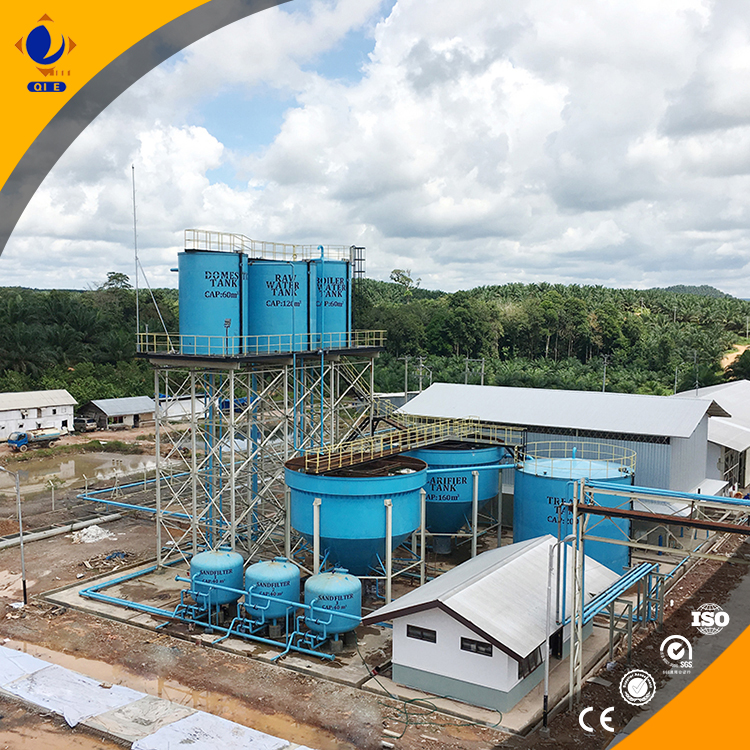
Consider this: a 1000 TPD palm oil refinery implementing advanced process automation typically experiences a 5-8% increase in overall yield, translating to additional annual revenue of $1.2-1.8 million based on current market prices. The reduction in energy consumption and waste further enhances profitability.
Discover how 企鹅集团 (Penguin Group) QIE-4030KW automated palm oil refining equipment can elevate your production efficiency, product quality, and profitability.
Explore Our Automation SolutionsAs the palm oil industry continues to evolve, staying ahead requires not just understanding the refining process but implementing the latest technological advancements. From degumming to deodorization, each stage presents opportunities for optimization that can significantly impact your bottom line. By focusing on precise control, energy efficiency, and automation, producers can meet the growing demand for high-quality palm oil while maintaining competitive advantage in the global marketplace.

 191
|
191
|
 small-scale palm oil refining machine Nigeria
palm oil quality improvement equipment
efficient palm oil refining solutions
small-scale palm oil refining machine Nigeria
palm oil quality improvement equipment
efficient palm oil refining solutions
 175
|
palm oil refining equipment
PLC control system
automated grain and oil machinery
intelligent monitoring system
food-grade production standards
175
|
palm oil refining equipment
PLC control system
automated grain and oil machinery
intelligent monitoring system
food-grade production standards
 338
|
PLC automation control system for palm kernel oil processing
intelligent regulation technology in oil extraction
palm kernel oil refining equipment optimization
automated oil processing plant solutions
industrial control system for edible oil production
338
|
PLC automation control system for palm kernel oil processing
intelligent regulation technology in oil extraction
palm kernel oil refining equipment optimization
automated oil processing plant solutions
industrial control system for edible oil production
 190
|
smart regulation technology
palm kernel oil extraction efficiency
PLC control system for oil processing
automated oilseed refining equipment
industrial process optimization
190
|
smart regulation technology
palm kernel oil extraction efficiency
PLC control system for oil processing
automated oilseed refining equipment
industrial process optimization
 287
|
Energy-efficient and environmentally friendly crude palm oil refining equipment
Fully automated PLC control system
Palm oil processing machinery
Industrial energy-saving technologies
High-efficiency refining processes
287
|
Energy-efficient and environmentally friendly crude palm oil refining equipment
Fully automated PLC control system
Palm oil processing machinery
Industrial energy-saving technologies
High-efficiency refining processes