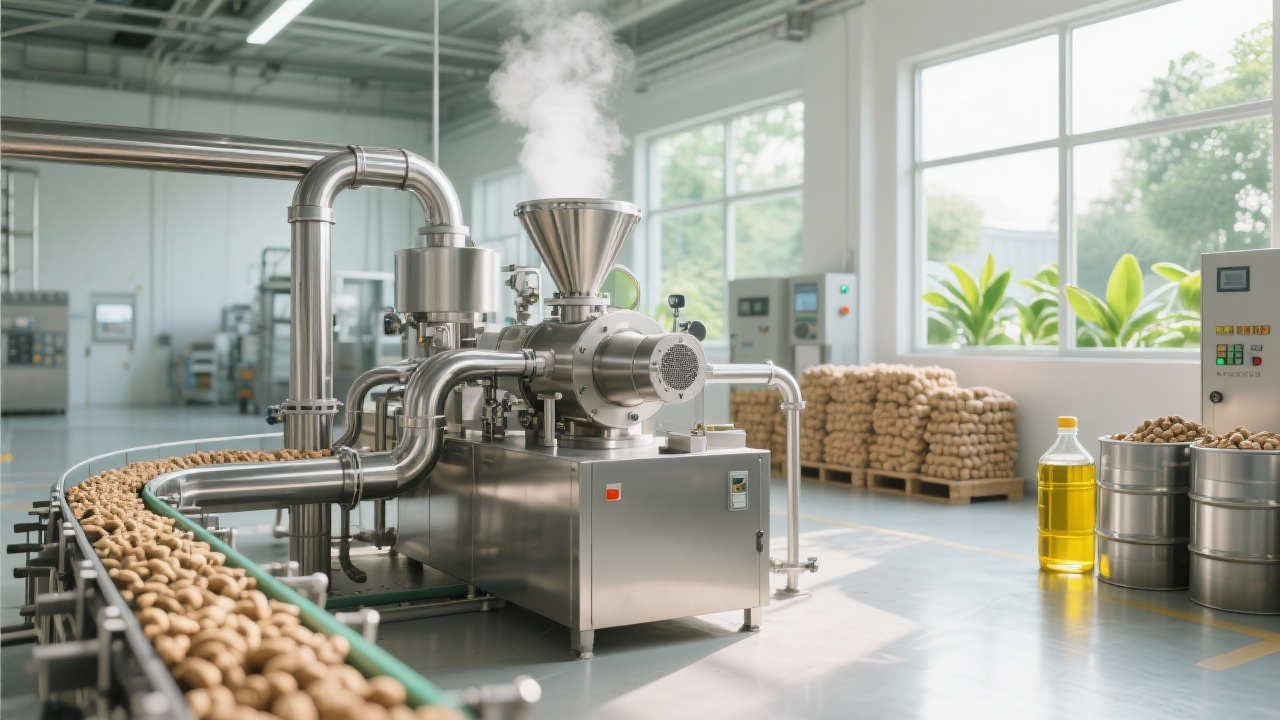
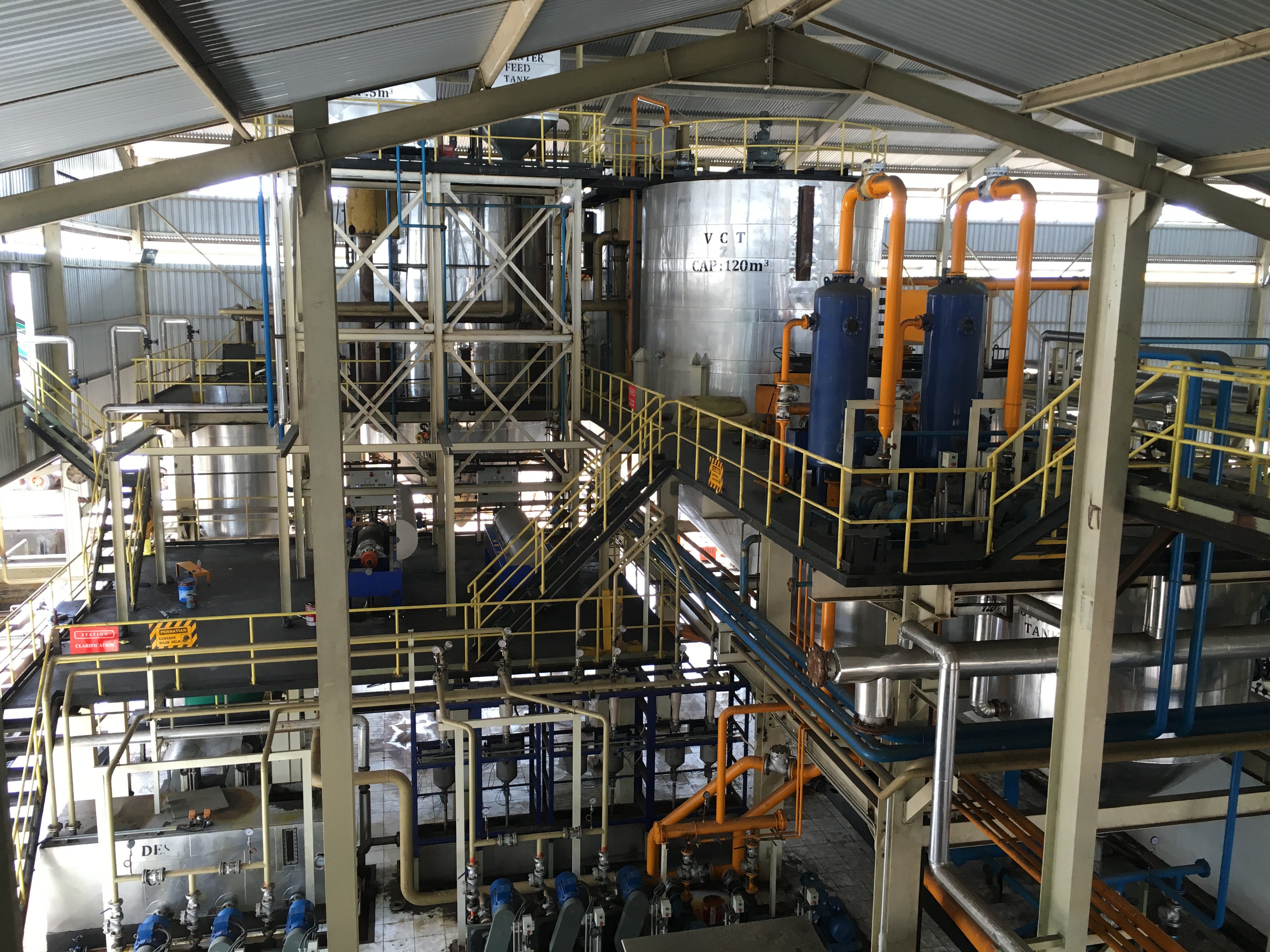
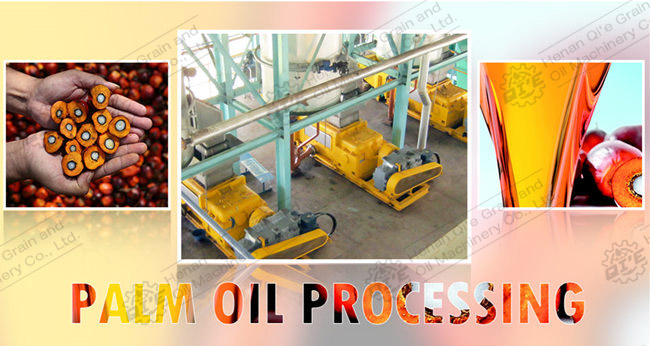
Palm oil refining is a sophisticated process that transforms crude palm oil into high-quality edible oil through a series of carefully controlled steps. Mastering this process requires not only technical knowledge but also practical experience in adjusting parameters based on raw material characteristics. In this comprehensive guide, we'll walk you through each stage of palm oil refining, highlighting critical control points and sharing industry best practices that optimize both product quality and production efficiency.
The palm oil refining process consists of several interconnected stages, each with its specific objectives and control parameters. From the initial crude oil feeding to the final deodorization step, every stage plays a crucial role in determining the quality of the end product. Let's explore each phase in detail.
Pre-treatment is the first critical step in palm oil refining, designed to remove impurities and prepare the crude oil for subsequent processing. This stage typically involves degumming and neutralization, which address the phospholipids and free fatty acids (FFA) present in the crude oil.
**Key Control Parameters:**
- Phosphoric acid dosage: 2-3 kg per ton of oil
- Mixing temperature: 70-80°C
- Retention time: 20-30 minutes
- pH control: 6.0-6.5
Proper pre-treatment significantly impacts downstream processes. In one case study at a Southeast Asian refinery, optimizing the phosphoric acid dosage from 2.5 kg to 2.8 kg per ton of oil reduced subsequent脱色土 consumption by 12%, demonstrating the interconnected nature of these process parameters.
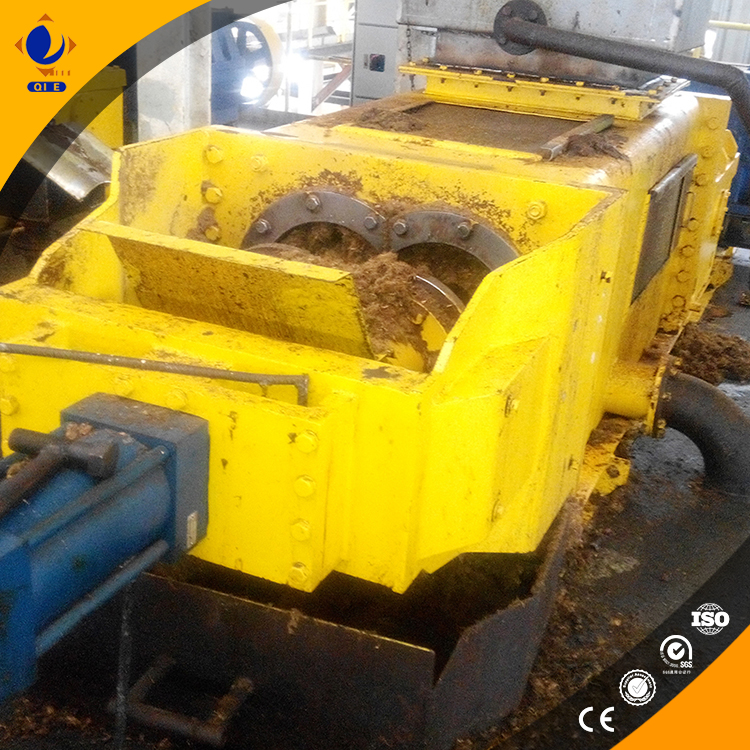
Neutralization follows pre-treatment and focuses on reducing the free fatty acid content through chemical reaction with an alkaline solution, typically sodium hydroxide. This process not only improves oil stability but also enhances its flavor and color characteristics.
The efficiency of neutralization depends on several factors, including alkali concentration, reaction temperature, and mixing intensity. Operators must carefully monitor the soap stock separation, as incomplete separation can lead to increased losses and reduced oil quality.
Bleaching is a critical stage where the oil's color is improved through the use of adsorbent materials, primarily bleaching earth. This process removes pigments, residual soap, and oxidation products, resulting in a lighter, more stable oil.
The optimal bleaching earth dosage typically ranges from 5-50 kg per ton of oil, depending on the initial color of the oil and the desired final color. For crude palm oil with a red value of 3.5-4.0, a dosage of 15-20 kg per ton is usually sufficient to achieve a red value below 1.0.
**Tip:** Pre-heating the bleaching earth to 100-110°C before addition can improve its adsorption capacity by 15-20%.
Deodorization is the final major step in palm oil refining, responsible for removing volatile compounds that affect taste and odor. This process is typically carried out under high temperature and vacuum conditions to minimize oil degradation while maximizing the removal of undesirable components.
**Critical Deodorization Parameters:**
- Temperature: 230-260°C
- Vacuum level: 2-5 mbar
- Stripping steam: 2-4% of oil weight
- Retention time: 60-90 minutes
- Deodorization loss: Ideally less than 0.5%
A well-optimized deodorization process not only improves oil quality but also extends shelf life. In a recent implementation at a African palm oil mill, precise control of temperature and vacuum reduced deodorization losses from 0.8% to 0.42%, resulting in significant annual savings.
Throughout the palm oil refining process, the协同控制 of temperature and pressure is paramount. These parameters influence reaction rates, separation efficiency, and energy consumption. Modern refining systems utilize advanced automation to maintain optimal conditions, adjusting in real-time to variations in feedstock quality.
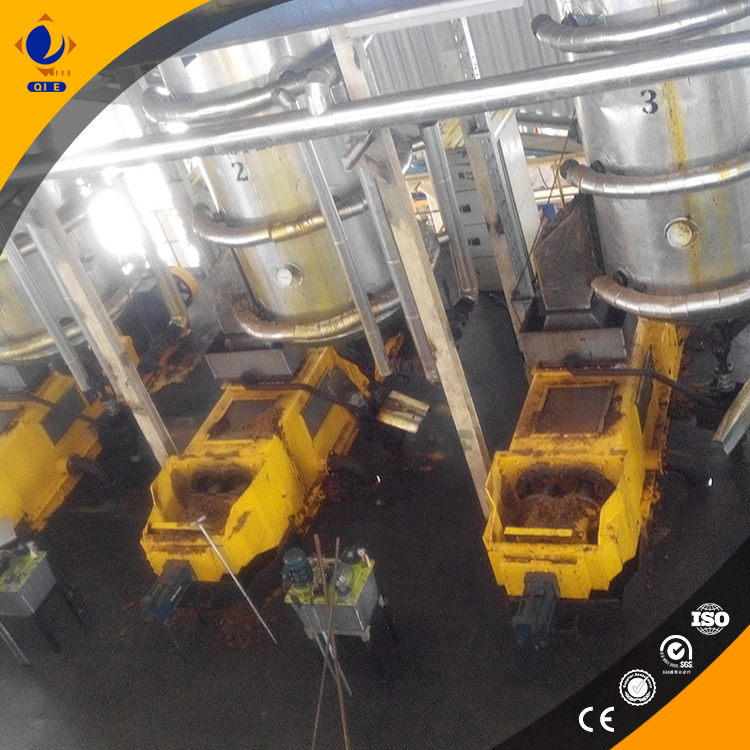
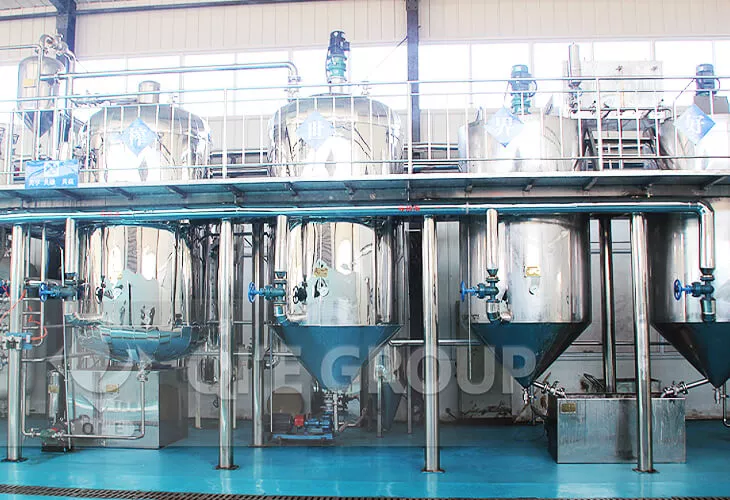
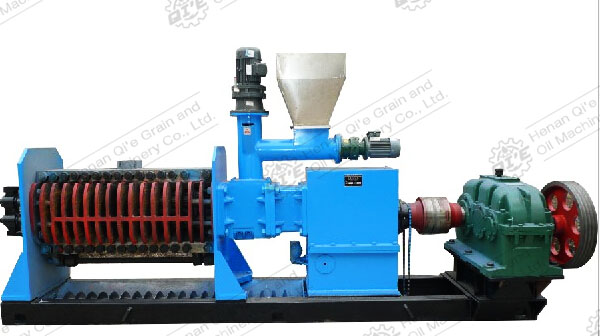
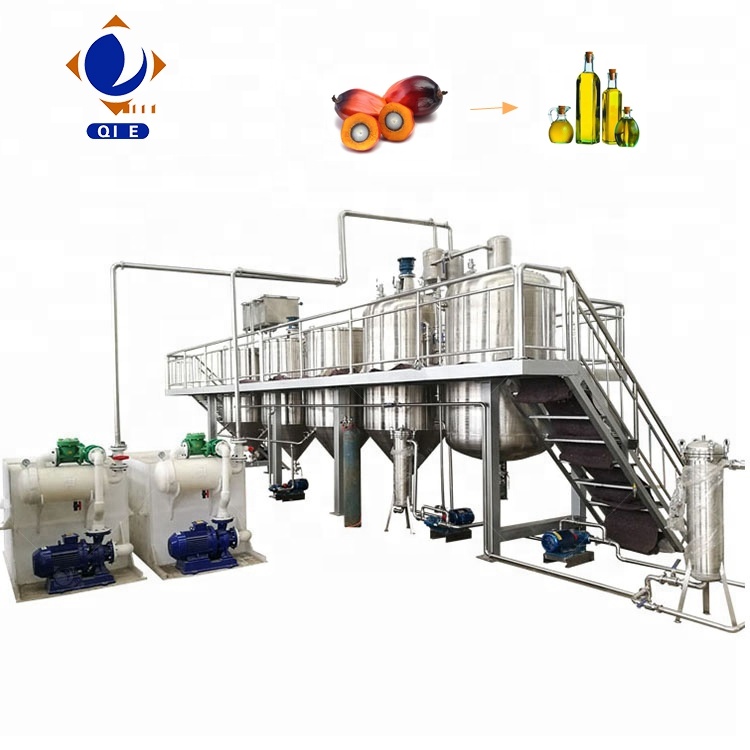
The choice of equipment significantly impacts refining efficiency, product quality, and operational costs. Modern palm oil refining lines integrate advanced technologies to automate key processes, reduce human error, and provide precise control over critical parameters.
企鹅集团 (QIE Group) offers state-of-the-art automated palm oil refining equipment designed to maximize efficiency while ensuring consistent product quality. Their systems feature intelligent process control, energy optimization, and modular designs that can be customized to specific production requirements, from small-scale operations to large industrial facilities.
Discover how 企鹅集团's automated palm oil refining equipment can help you achieve higher yields, better quality, and lower operational costs.
Download Our Palm Oil Refining Efficiency GuideSuccessful palm oil refining requires a combination of technical knowledge, practical experience, and the right equipment. By understanding and optimizing each stage of the process, producers can achieve consistent, high-quality products while maximizing operational efficiency. Whether you're new to palm oil processing or looking to upgrade your existing facility, focusing on these key control points will help you achieve your production goals.

 184
|
184
|
 industrial palm oil refining machine
palm oil refining equipment
palm oil bleaching and deodorization system
modular palm oil refinery plant
ISO9001 palm oil processing machinery
industrial palm oil refining machine
palm oil refining equipment
palm oil bleaching and deodorization system
modular palm oil refinery plant
ISO9001 palm oil processing machinery
 397
|
PLC palm kernel oil equipment
automation control system
intelligent adjustment technology
palm kernel oil extraction process
equipment reliability
397
|
PLC palm kernel oil equipment
automation control system
intelligent adjustment technology
palm kernel oil extraction process
equipment reliability
 437
|
["mustard oil production energy efficiency"
"oil press energy saving"
"equipment parameter optimization"
"green manufacturing in oil processing"
"energy consumption reduction in food industry"]
437
|
["mustard oil production energy efficiency"
"oil press energy saving"
"equipment parameter optimization"
"green manufacturing in oil processing"
"energy consumption reduction in food industry"]
 439
|
palm oil pre-processing solutions
non-standard custom equipment
corrosion-resistant materials
automatic temperature control system
overseas factory adaptation
439
|
palm oil pre-processing solutions
non-standard custom equipment
corrosion-resistant materials
automatic temperature control system
overseas factory adaptation
 79
|
Palm oil refining automation
PLC control system
Data acquisition quality traceability
Remote equipment operation and maintenance
Palm oil production stability
79
|
Palm oil refining automation
PLC control system
Data acquisition quality traceability
Remote equipment operation and maintenance
Palm oil production stability