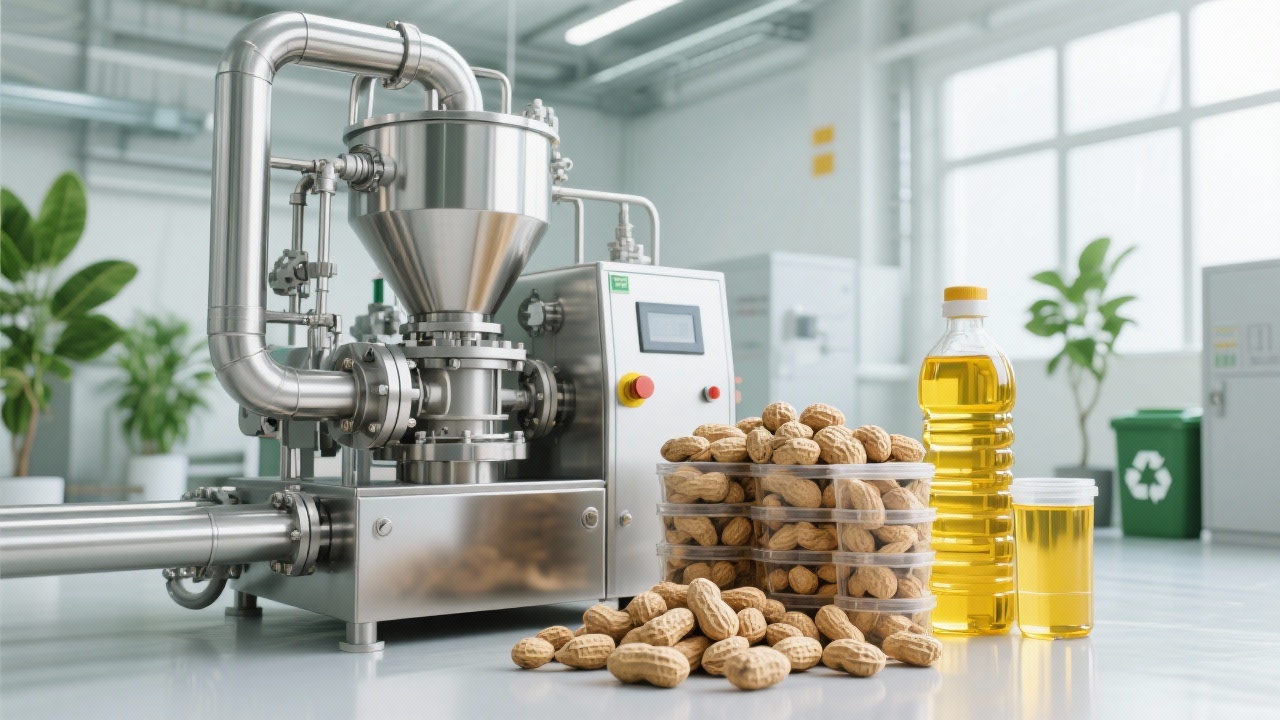
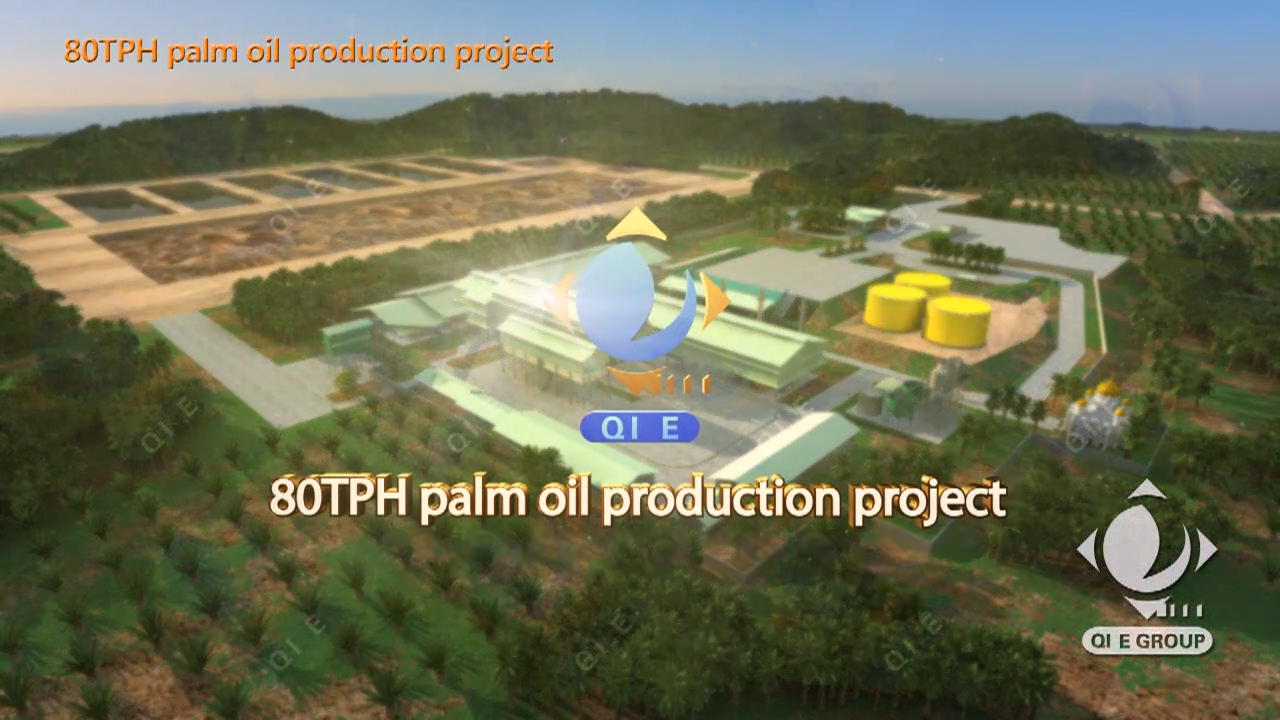
Whether you're new to palm oil processing or looking to optimize your existing operations, understanding the critical control points in the refining process is essential for producing high-quality edible oil that meets international standards. In this guide, we'll walk you through each stage of palm oil refining, highlighting the key parameters that impact your final product quality and yield.
Palm oil refining transforms crude palm oil (CPO) into a high-quality edible product by removing impurities, free fatty acids, pigments, and off-flavors. The process typically consists of four main stages: pre-treatment, neutralization, bleaching, and deodorization. Each stage requires precise control to ensure optimal results.
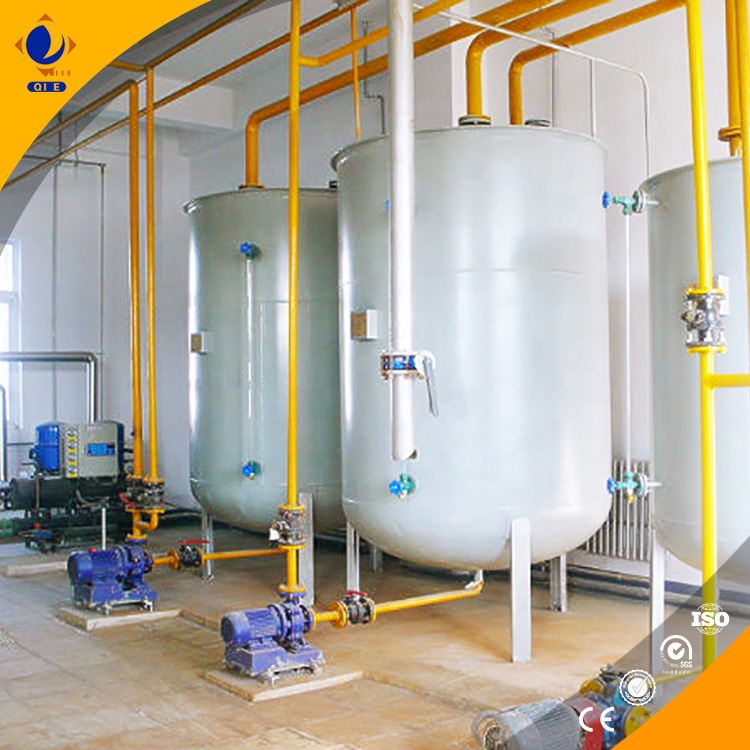
The pre-treatment stage prepares crude palm oil for refining by removing mechanical impurities and moisture. This critical first step significantly impacts subsequent processing efficiency.
Proper pre-treatment reduces processing time in subsequent stages by up to 20% and prevents equipment fouling. Have you ever experienced production delays due to inadequate pre-treatment? Many processors find that investing in this initial step pays significant dividends downstream.
Neutralization removes free fatty acids (FFA) that affect oil stability and flavor. The process involves adding an alkaline solution to convert FFAs into soapstock, which is then separated.
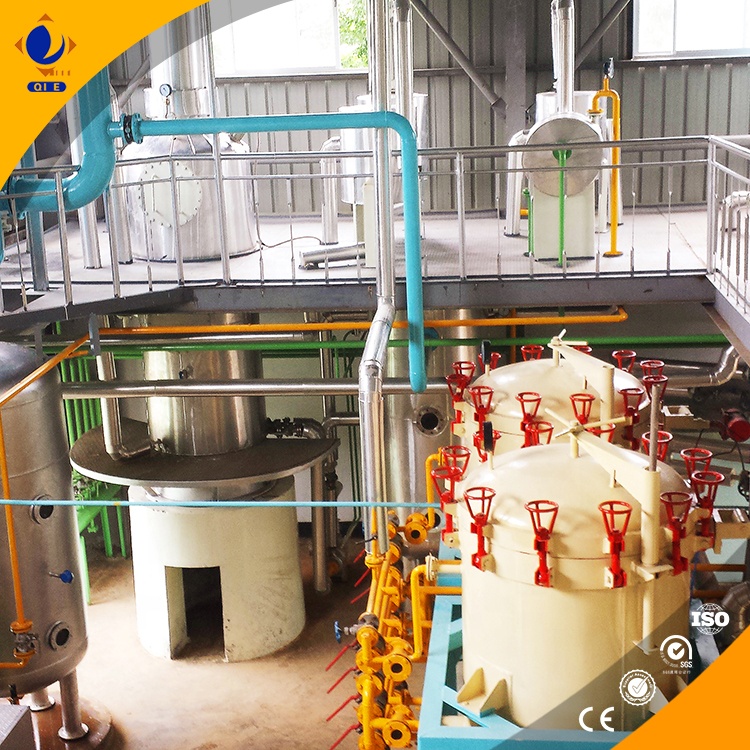
The goal is to reduce FFA levels to below 0.1% for premium edible oil. The exact amount of alkali required depends on the initial FFA content of your crude palm oil – a common challenge many processors face when dealing with variable feedstock quality.
Bleaching removes pigments, residual soap, and oxidation products using adsorbent materials. This stage significantly affects the oil's color, which is a critical quality parameter for consumers.
The most commonly used adsorbent is bleaching clay (activated earth), with typical dosages ranging from 5 to 50 kg per ton of oil, depending on the initial color and impurity levels. For palm oil, a dosage of 10-20 kg/T is usually sufficient to achieve a light yellow color with a Lovibond reading below 3.0 red.
Key bleaching conditions include:
Deodorization is the final and most energy-intensive stage of palm oil refining, where volatile compounds are removed through steam stripping under high temperature and vacuum.
To achieve optimal deodorization while minimizing oil loss and trans fatty acid formation:
Properly controlled deodorization results in less than 0.5% oil loss while producing a bland, odorless product with excellent shelf stability. Many processors struggle with balancing deodorization efficiency and energy costs – this is where modern equipment design makes a significant difference.
One of the greatest challenges in palm oil refining is adapting to variations in crude oil quality. Freshly harvested palm oil may have FFA levels as low as 2%, while poorly stored oil can exceed 10% FFA. This requires flexible process parameters.
For high-FFA crude oil, consider implementing a two-stage neutralization process or pre-acidification to improve soapstock separation. When processing oil with high chlorophyll content, increasing bleaching clay dosage by 50-100% may be necessary, though this increases processing costs.
What crude oil quality issues have you encountered in your operations? Many processors find that establishing a consistent crude oil specification with suppliers helps maintain more stable refining operations.
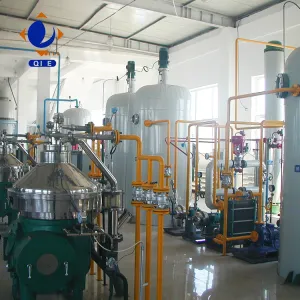
QIE Group advanced palm oil refining solutions are designed to handle variable feedstock while maintaining consistent product quality and maximizing yield. Our automated control systems precisely regulate temperature, pressure, and chemical dosages throughout the refining process, ensuring you can consistently produce 98-99% pure refined palm oil regardless of crude oil quality variations.
Discover QIE Group Palm Oil Refining SolutionsEven with proper process control, challenges can arise. Here are solutions to some common issues:
Remember that refining is an interconnected process – changes in one stage will affect others. Maintaining detailed process records helps identify correlations and optimize the entire system.
As you implement these process control strategies, you'll notice improvements in product consistency, yield, and operational efficiency. The key is to establish clear monitoring protocols for each critical control point and be prepared to adjust parameters as crude oil quality changes. What aspects of your palm oil refining process have been most challenging to control? Sometimes a fresh perspective on equipment configuration or process flow can reveal optimization opportunities you might have missed.

 102
|
102
|
 Automation control system
PLC palm kernel oil equipment
Intelligent adjustment technology
Palm kernel oil extraction equipment
Production efficiency improvement
Automation control system
PLC palm kernel oil equipment
Intelligent adjustment technology
Palm kernel oil extraction equipment
Production efficiency improvement
 444
|
palm oil press efficiency
304 stainless steel榨油机优势
efficient palm oil processing equipment
palm oil extraction technology
oilseed processing solutions
444
|
palm oil press efficiency
304 stainless steel榨油机优势
efficient palm oil processing equipment
palm oil extraction technology
oilseed processing solutions
 234
|
palm oil refining equipment
high-efficiency palm oil processing equipment
energy-efficient palm oil machinery
234
|
palm oil refining equipment
high-efficiency palm oil processing equipment
energy-efficient palm oil machinery
 185
|
efficient palm oil pressing equipment
palm oil production capacity increase
304 stainless steel palm oil press
palm oil processing plant Africa
high throughput palm oil machine
185
|
efficient palm oil pressing equipment
palm oil production capacity increase
304 stainless steel palm oil press
palm oil processing plant Africa
high throughput palm oil machine
 489
|
palm kernel oil refining process
palm kernel oil degumming technology
automated oil refining equipment
oil refining process optimization
palm kernel oil quality improvement
489
|
palm kernel oil refining process
palm kernel oil degumming technology
automated oil refining equipment
oil refining process optimization
palm kernel oil quality improvement