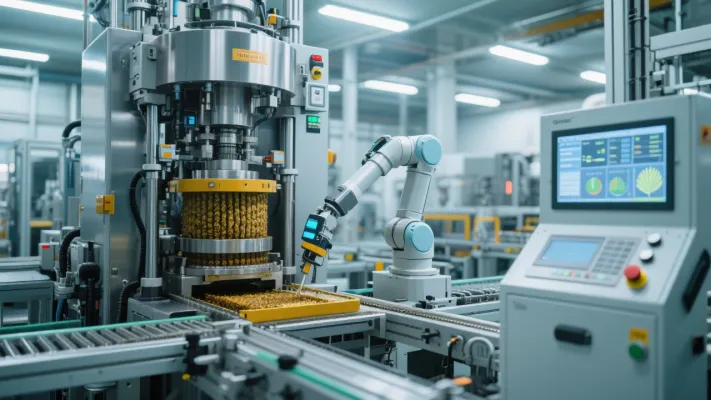
In modern palm oil refining, the difference between “running” and “running well” is often defined by control quality. When temperature drifts, vacuum becomes unstable, or flow fluctuates, the refinery pays in yield losses, off-spec color/odor, unplanned downtime, and energy waste. A well-designed PLC control system turns the refining line into a measurable, repeatable process—monitoring key signals in real time and correcting deviations before they become defects.
Traditional operator-centered control relies on experience, periodic checks, and manual valve adjustments. This approach can work for small batches, but it struggles when production scales or when raw material quality varies (FFA, moisture, impurities). In real plants, the most common problems linked to manual or semi-manual control include:
Engineering reality: palm oil refining is a multi-variable process. When temperature, pressure, and flow are adjusted independently by humans, the system becomes harder to stabilize—especially during start-up, load changes, or feedstock variability.
A Programmable Logic Controller (PLC) is the “real-time brain” of an automated refining line. It reads sensor inputs (temperature, pressure, flow, level), executes control logic (PID loops, interlocks, sequencing), and drives outputs (control valves, VFD pumps, heaters, vacuum systems) in milliseconds—24/7. In QIE Group automated palm oil refining equipment, PLC control is typically designed around three outcomes: stable quality, predictable throughput, and lower operational risk.
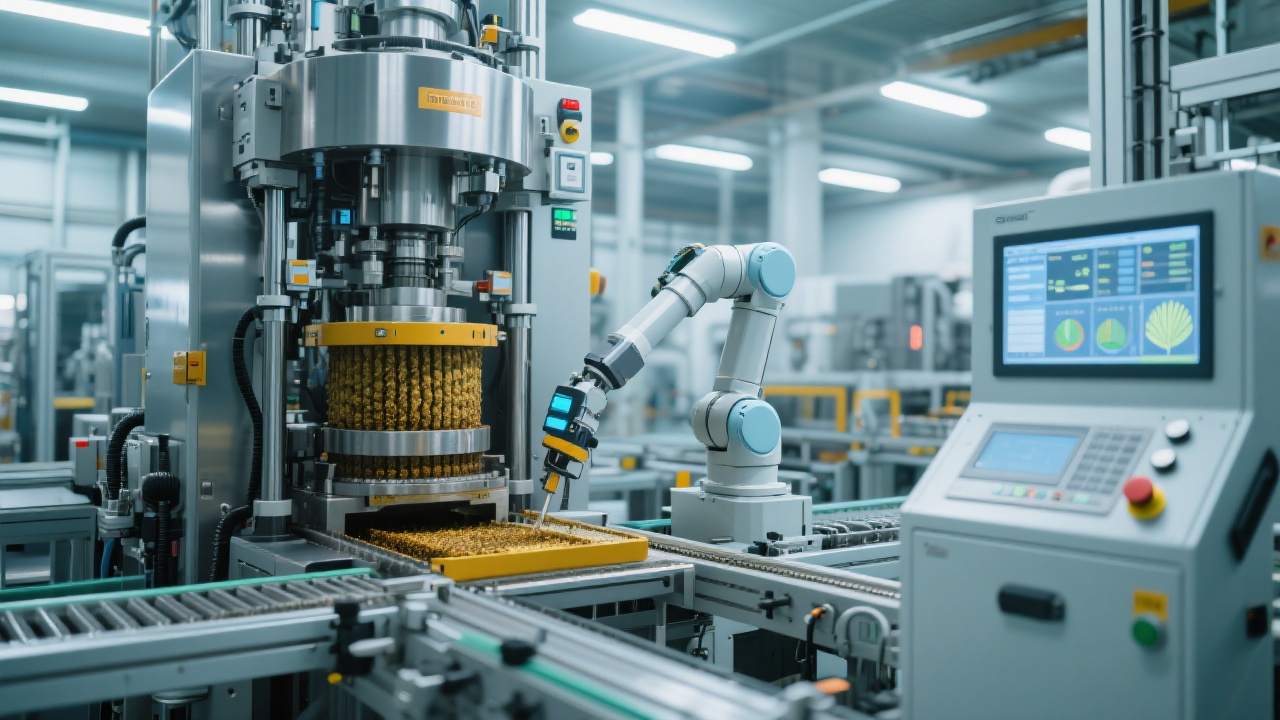
While each refinery’s configuration differs, most performance gains come from closing the loop on a few critical variables:
| Parameter | Typical PLC Action | Operational Impact |
|---|---|---|
| Temperature (heating stages, deodorization) | PID control of steam valves/heaters; ramp/soak profiles; anti-overshoot logic | More consistent color/odor results; less thermal stress; fewer off-spec batches |
| Pressure/Vacuum (deodorizer, stripping) | Vacuum stability control; leak detection alarms; interlocks for safe operation | Improved deodorization efficiency; fewer trips; reduced oxidation risk |
| Flow (feed, wash, steam, cooling) | Flowmeter feedback; VFD pump modulation; ratio control (e.g., dosing) | Stable residence time; better dosing accuracy; smoother load changes |
| Level (tanks, separators) | High/low alarms; pump sequencing; anti-dry-run protection | Lower risk of overflow/cavitation; reduced maintenance incidents |
The strongest advantage of PLC control is not “automation for automation’s sake.” It is the ability to keep the process inside a narrow operating window—minute after minute—despite disturbances. In many mid-to-large palm oil refineries, upgrading from manual/semi-manual to PLC-based closed-loop control commonly delivers:
A 300–600 TPD refinery upgrading to PLC closed-loop temperature + vacuum control often sees start-up stabilization time reduced from ~60–90 minutes to ~35–55 minutes, while maintaining tighter control bands (e.g., ±1–2°C in critical zones rather than ±3–5°C). The result is less reprocessing and more predictable daily output.
Palm oil refining includes multiple stages where deviations amplify downstream. PLC sequencing and interlocks are most valuable at transitions—start-up/shutdown, load changes, switching tanks, or when raw material specs fluctuate. A practical PLC strategy typically prioritizes:
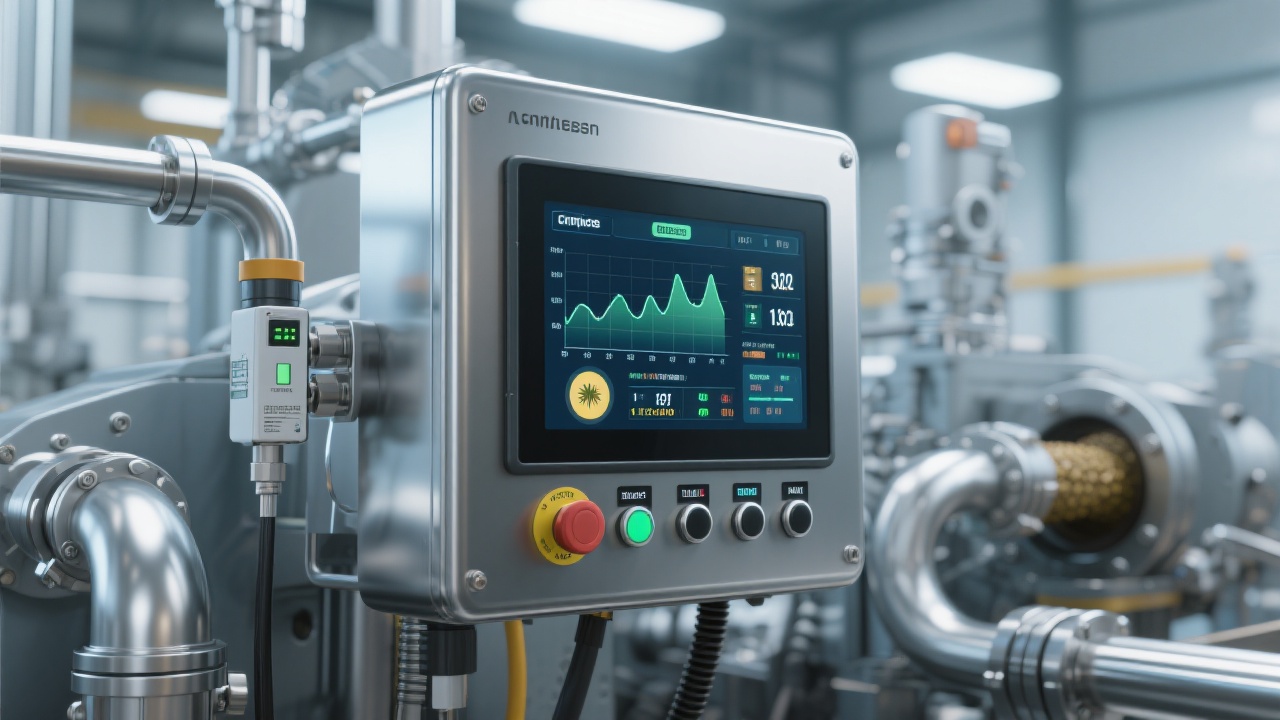
Not every refinery needs the same PLC architecture. Over-configuring wastes budget and complicates maintenance; under-configuring limits stability and data visibility. Below is a practical selection view for palm oil processing enterprises planning an automation upgrade.
| Line Size (Reference) | Recommended PLC Focus | Typical I/O & Features |
|---|---|---|
| Small (30–100 TPD) | Stable heating, safe interlocks, basic flow control | ~150–350 I/O; basic HMI; alarm history; recipe steps for repeatability |
| Mid (100–300 TPD) | Closed-loop temperature + vacuum; ratio control; better diagnostics | ~350–800 I/O; PID library; trend screens; event logging; remote support readiness |
| Large (300–1000+ TPD) | High availability, energy optimization, plant-wide integration | ~800–2000+ I/O; redundant PLC/network options; historian/SCADA; MES/ERP interfaces |
Selection tip for technical managers: prioritize signal quality (sensor accuracy, installation, calibration plan) before expanding logic complexity. A PLC can only control what it can measure reliably.
Refining lines operate with high temperatures, steam, vacuum systems, rotating equipment, and chemical handling in some setups. PLC safety logic is not just a convenience—it is often the difference between controlled shutdown and equipment damage. A robust PLC design commonly includes:
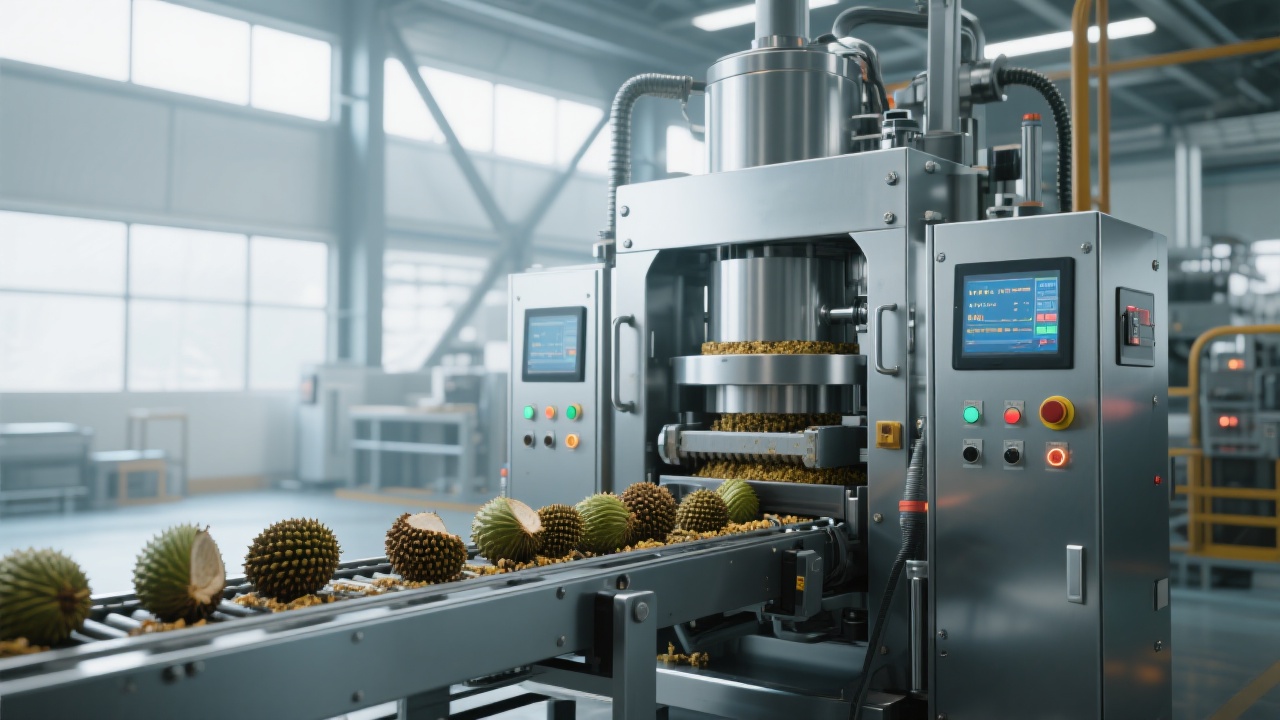
For plants considering an upgrade, the most effective strategy is usually phased implementation—targeting high-impact loops first, then expanding to advanced optimization. A pragmatic roadmap often looks like this:
Verify sensors, calibration, valve health, and wiring quality; define the top 10 instability events.
Implement PID for temperature and vacuum stability; add permissives/interlocks to reduce operator risk.
Trends, alarm rationalization, recipe handling, and event logs for troubleshooting and training.
Introduce advanced strategies (feed-forward, ratio control, soft sensors) once the base process is stable.
Download the PDF guide used by engineering and operations teams to align instrumentation, control loops, alarm strategy, and phased commissioning for palm oil refining lines.
Get the “Palm Oil Refining Automation Upgrade Guide” (PDF)Applicable for new lines and retrofit projects, including PLC control system scope planning and commissioning notes.
 236
|
236
|
 palm oil automation system
PLC control in oil pressing
smart palm oil processing
reducing human error in oil mills
energy-efficient oil extraction technology
palm oil automation system
PLC control in oil pressing
smart palm oil processing
reducing human error in oil mills
energy-efficient oil extraction technology
 285
|
industrial palm oil refining machine
scalable palm oil production
automated palm oil equipment
ISO9001 palm oil machinery
energy-efficient refining technology
285
|
industrial palm oil refining machine
scalable palm oil production
automated palm oil equipment
ISO9001 palm oil machinery
energy-efficient refining technology
 491
|
palm oil refining technology
energy-efficient refining equipment
automated PLC control system
491
|
palm oil refining technology
energy-efficient refining equipment
automated PLC control system
 425
|
Automation control system
PLC palm kernel oil equipment
Intelligent adjustment technology
Palm kernel oil extraction equipment
Grain and oil processing automation
425
|
Automation control system
PLC palm kernel oil equipment
Intelligent adjustment technology
Palm kernel oil extraction equipment
Grain and oil processing automation
 86
|
intelligent remote maintenance
automation control system
PLC control
palm oil refining equipment
quality traceability
86
|
intelligent remote maintenance
automation control system
PLC control
palm oil refining equipment
quality traceability