Palm oil refining is a complex, multi-stage process that significantly impacts the purity, stability, and overall quality of the final edible oil. Understanding and controlling each refining stage is essential for producing palm oil that meets international food safety standards and consumer expectations. This article presents an in-depth analysis of the entire palm oil refining process — from raw material intake and pretreatment to neutralization, bleaching, and deodorization — with a focus on critical parameters such as bleaching earth dosage, deodorization losses, phosphoric acid usage, and the synergistic control of temperature and pressure. By leveraging practical case studies and technical insights, operators and technicians can optimize their process to accommodate diverse feedstock characteristics and achieve superior product quality.
The refining process begins with meticulous raw palm oil intake and pretreatment. The feedstock’s acidity, moisture content, and impurities dictate the adjustments required for subsequent stages. Effective pretreatment ensures removal of suspended solids and free fatty acids (FFA) that could adversely affect downstream refining steps. Optimal raw material parameters typically include free fatty acids below 5% and moisture under 0.1%, which helps improve neutralization efficiency and decrease phosphoric acid consumption.
Neutralization involves the removal of free fatty acids (FFA) through caustic soda treatment combined with phosphoric acid addition, which protects oils from oxidation and metal-catalyzed degradation. The phosphoric acid dosage generally ranges from 20 to 40 ppm, depending on the FFA level and initial oil quality. Maintaining the neutralization temperature between 70°C and 80°C maximizes saponification efficiency while minimizing soap stock volume. Efficient washing cycles are imperative to eliminate residual soap and phospholipids, reducing the risk of foam formation during bleaching.
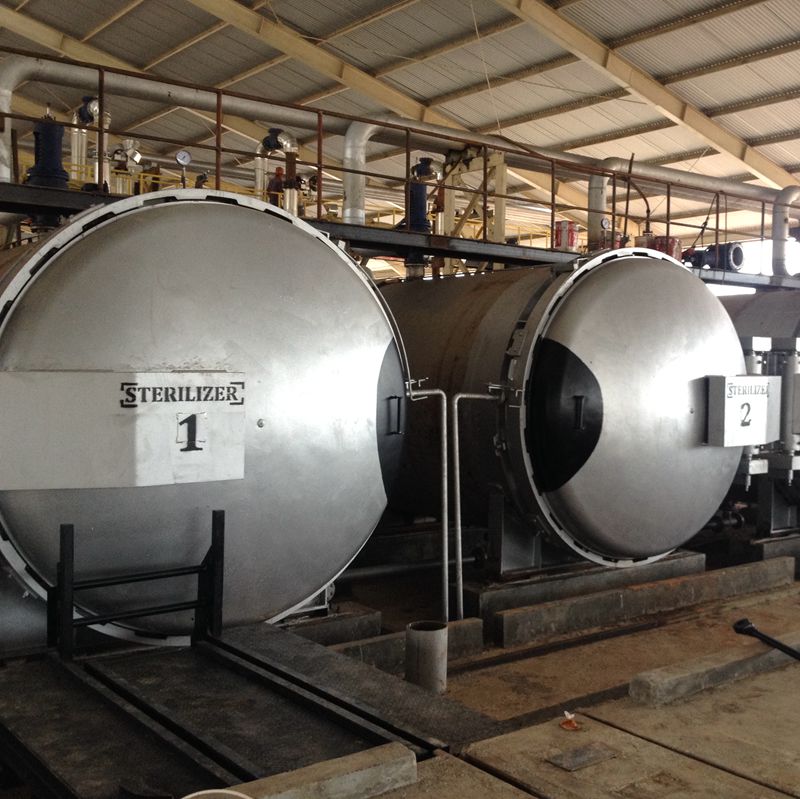
Bleaching removes pigments, trace metals, and oxidation products through adsorption. The choice and dosing of bleaching earth (activated clay) directly influence the oil’s color and stability. Typical bleaching earth dosage varies between 1.5% to 3.0% by weight of oil, contingent on the crude oil’s initial color index. Higher dosages improve pigment reduction but can increase oil losses due to adsorption. Operating the bleaching step at 90°C to 110°C under vacuum (<5 mbar) enhances contaminant removal while minimizing oil oxidation.
Deodorization removes volatile compounds and off-flavors by steam injection under high temperature and vacuum. The process temperature typically ranges from 210°C to 260°C coupled with a vacuum pressure of 2 to 5 mbar. Steam rate control is critical — excess steam can increase oil losses, while insufficient steam results in incomplete deodorization. Generally, deodorization losses range from 0.5% to 1.5% of the processed oil, depending on feedstock quality and operating parameters.
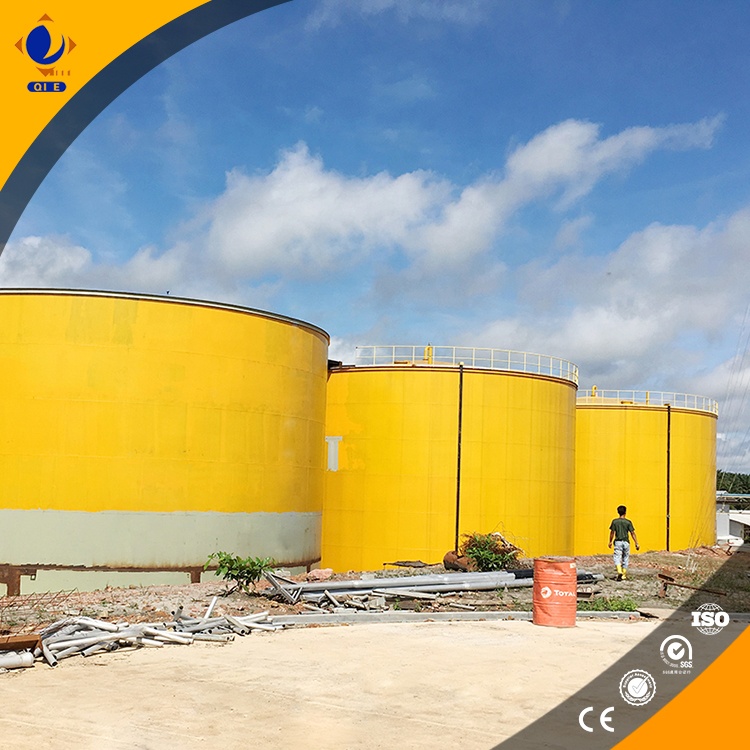
The interplay of temperature and pressure parameters across refining stages ensures optimal reaction kinetics and contaminant removal while preserving oil quality. For example, during neutralization and bleaching, moderate temperatures accelerate chemical reactions without compromising oil thermal stability. In deodorization, precise vacuum control minimizes oxidation and thermal degradation. Integrated automation systems facilitate continuous monitoring and adaptive adjustments, providing consistent quality output despite varying raw material characteristics.
Real-world scenarios highlight the necessity of flexible process parameters. For instance, higher FFA crude requires increased caustic soda and phosphoric acid dosages during neutralization to ensure complete free fatty acid removal. Similarly, crude with elevated pigment content demands higher bleaching earth usage, balanced carefully against cost and yield considerations. A typical case showed that adjusting bleaching earth from 2.0% to 2.6% and prolonging contact time by 10 minutes improved oil color index from 10 to below 7 (Lovibond scale), with less than 1% oil loss.
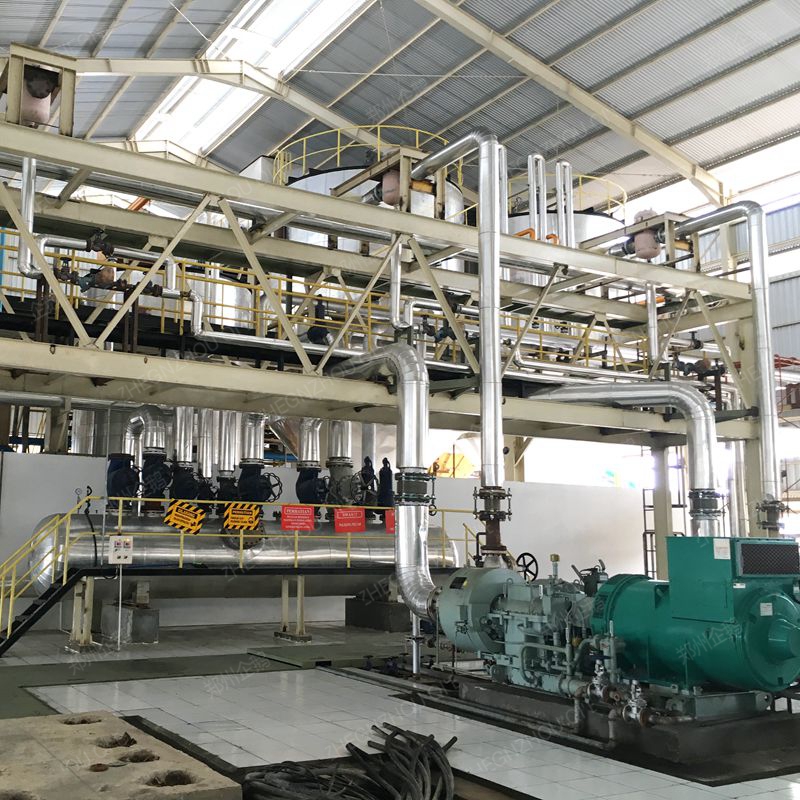
Compliance with global food safety regulations, such as Codex Alimentarius and FDA edible oil standards, is critical. Key quality metrics monitored include acid value (<0.1 mg KOH/g oil), peroxide value (<1.5 meq O2/kg), color, and moisture content (<0.1%). In-process controls employing inline sensors and periodic laboratory analysis enable early detection of deviations, ensuring final palm oil meets stringent market requirements.
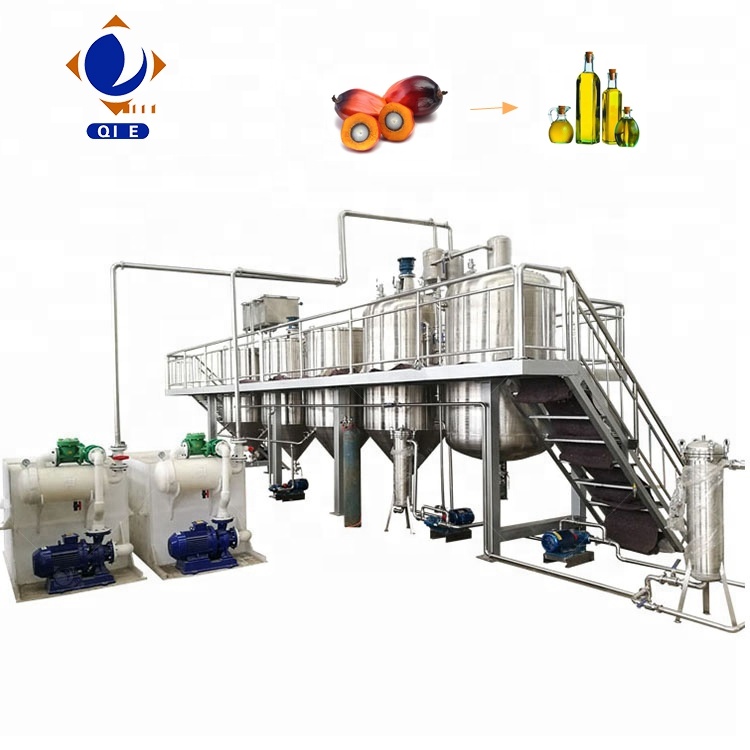
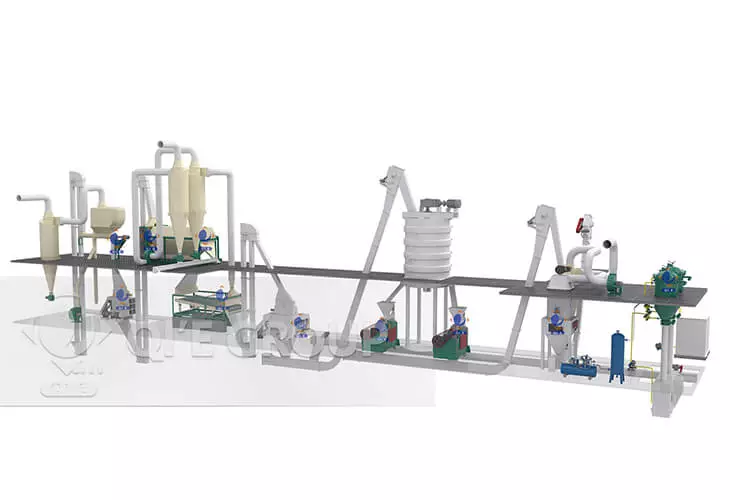
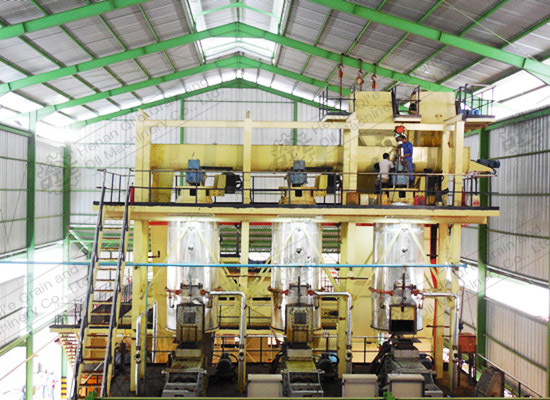
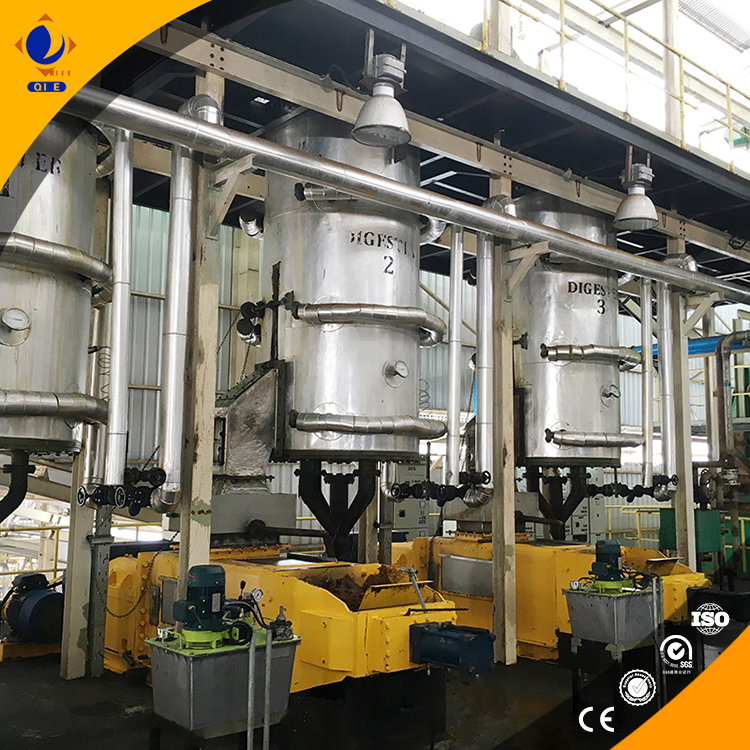
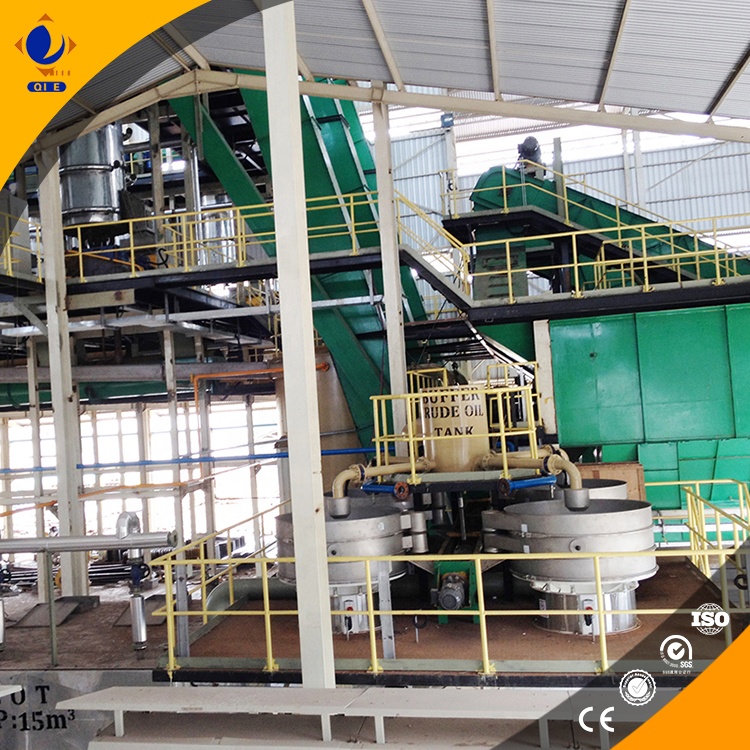
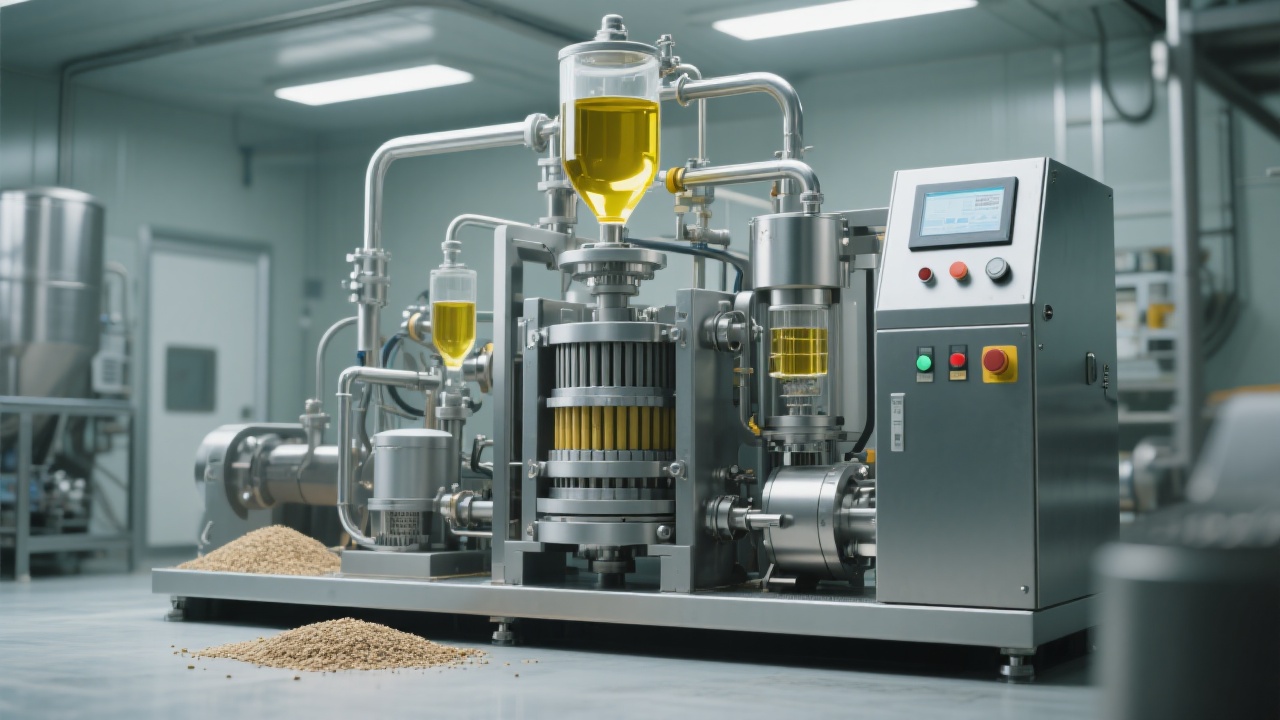
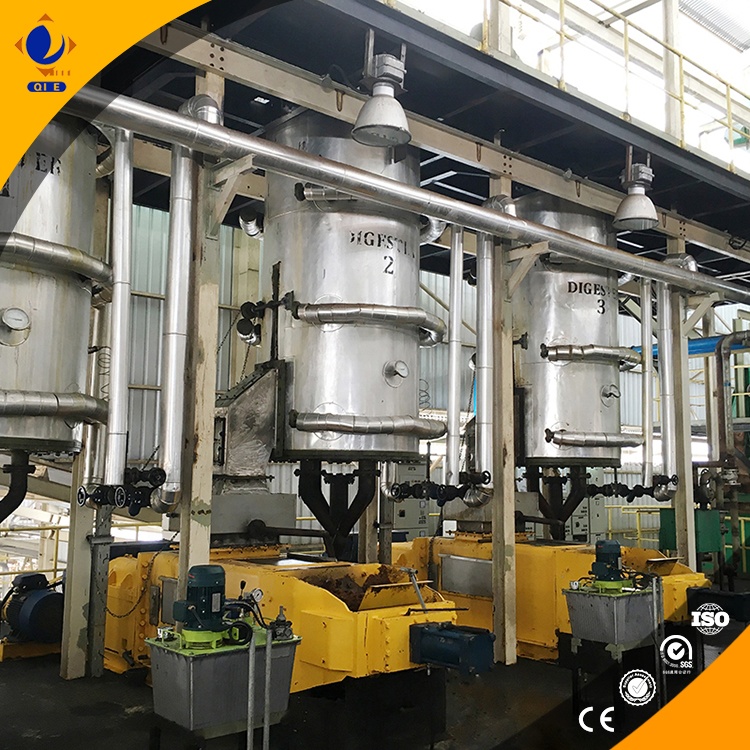
For processors aiming to elevate refining performance, Qeeco Group’s palm oil refining machines offer state-of-the-art automation, precision control, and customizable configurations tailored to varying crude qualities. Their integrated systems optimize bleaching earth dosing, caustic and phosphoric acid adjustments, temperature and vacuum regulation, and cleaning cycles—all designed to maximize yield and maintain consistent, high-quality palm oil output.

 293
|
293
|
 palm oil pressing equipment
heat recovery system
energy efficiency in oil extraction
automated control in food processing
yield optimization in palm oil mills
palm oil pressing equipment
heat recovery system
energy efficiency in oil extraction
automated control in food processing
yield optimization in palm oil mills
 403
|
palm fruit preprocessing equipment
corrosion-resistant materials for agro-processing
automatic control systems in oil palm mills
extreme climate agricultural machinery
palm oil processing optimization
403
|
palm fruit preprocessing equipment
corrosion-resistant materials for agro-processing
automatic control systems in oil palm mills
extreme climate agricultural machinery
palm oil processing optimization
 459
|
palm kernel oil extraction equipment
palm kernel oil processing line
palm oil refining equipment
efficient oil production systems
industrial palm oil machinery
459
|
palm kernel oil extraction equipment
palm kernel oil processing line
palm oil refining equipment
efficient oil production systems
industrial palm oil machinery
 52
|
eco-friendly palm kernel oil equipment
palm kernel oil energy-saving technology
low solvent consumption palm kernel oil extraction
heat energy recovery system
long-term stable operation palm kernel oil equipment
52
|
eco-friendly palm kernel oil equipment
palm kernel oil energy-saving technology
low solvent consumption palm kernel oil extraction
heat energy recovery system
long-term stable operation palm kernel oil equipment
 40
|
PLC palm kernel oil equipment
automation control system
intelligent adjustment technology
palm kernel oil extraction process
equipment automation solutions
40
|
PLC palm kernel oil equipment
automation control system
intelligent adjustment technology
palm kernel oil extraction process
equipment automation solutions