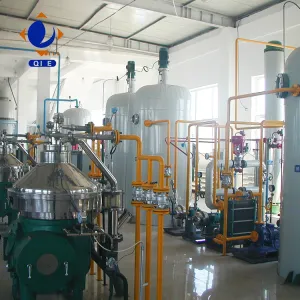
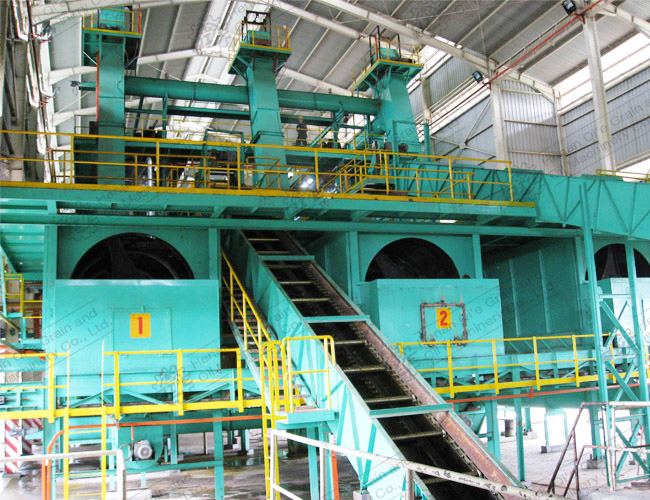
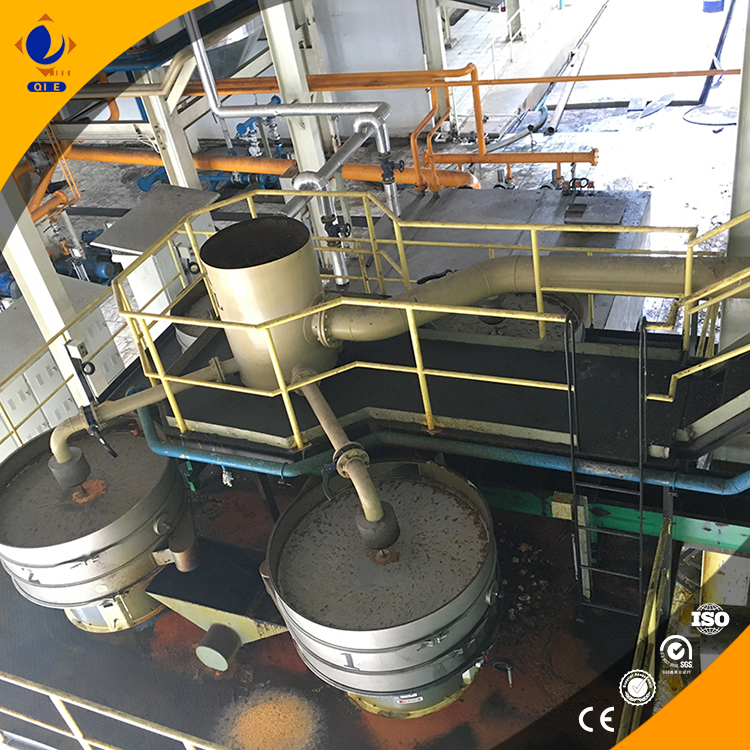
The refining process of palm oil plays a pivotal role in determining product quality, safety, and compliance with stringent international edible oil standards. From raw crude palm oil intake to delivery of high-grade finished products, several technical stages demand rigorous control to secure consistent performance. This article provides an in-depth analysis of key control points across the entire refining workflow, emphasizing practical measures to monitor and optimize critical variables such as bleaching earth dosage, phosphoric acid usage, deodorization loss, and the synergy of temperature and pressure parameters. It is an essential guide for process engineers and industry professionals aiming to elevate product quality while maintaining operational efficiency.
Palm oil is widely used globally for edible and industrial purposes, necessitating strict adherence to edible oil safety and quality benchmarks defined by regulatory bodies such as CODEX Alimentarius, FDA, and the European Food Safety Authority. Effective refining not only reduces free fatty acids, color pigments, and odors but also eliminates contaminants and improves shelf stability. Failure to optimize refining parameters risks off-spec batches that may not pass quality checks and regulatory audits in international markets.
Pre-treatment involves degumming to remove phospholipids and impurities. Optimal dosing of phosphoric acid, typically between 2 to 3 kg per ton of oil, is essential to convert non-hydratable gums into hydratable forms for efficient removal. Excessive phosphoric acid can lead to increased soapstock and oil losses, whereas under-dosing can result in residual gums affecting downstream steps.
Neutralization targets the reduction of free fatty acids (FFA) by reacting them with caustic soda. Accurate control of caustic strength and mixing conditions is critical to minimize soap formation and oil losses. Maintaining neutralization pH close to 7 ensures effective acid removal without compromising oil quality.
Bleaching eliminates pigments, oxidation products, and trace metals by adsorbing them on bleaching earth. The typical dosage ranges from 5 to 50 kg per ton of oil depending on feedstock quality and desired color tone. Overuse of bleaching earth can cause clogging and elevate refining costs, while insufficient amounts reduce pigment removal efficiency.
This final stage removes volatile odor and taste compounds via steam stripping under high temperature and vacuum. Precise temperature-pressure coordination is vital to ensure effective removal while limiting oil losses. Industry benchmarks target < 0.5% deodorizer losses to optimize yield without compromising sensory quality.
The interplay among bleaching earth quantity, phosphoric acid dosage, steam consumption, and temperature-pressure parameters is complex yet vital. Fine-tuning these factors must consider raw oil variability—such as FFA content, moisture levels, and pigment load—to prevent deviations like incomplete bleaching or off-odor formation. For example, higher initial phospholipid content may necessitate incremental phosphoric acid adjustment during degumming to avoid downstream inefficiencies.
Are you facing difficulties in maintaining stable bleaching performance due to raw material fluctuations? Share your experience in the comments section below!
A plantation refinery processed batches with varying FFA levels ranging from 3% to 8%. By implementing a flexible dosing protocol for phosphoric acid (adjusting between 2–3.5 kg/ton) and bleaching earth (15–35 kg/ton), the plant maintained final product color within <10 Lovibond units and FFA below 0.1%. Steam usage for deodorization was optimized in real-time through automated sensors tracking temperature and vacuum, stabilizing oil loss within the target 0.5%.
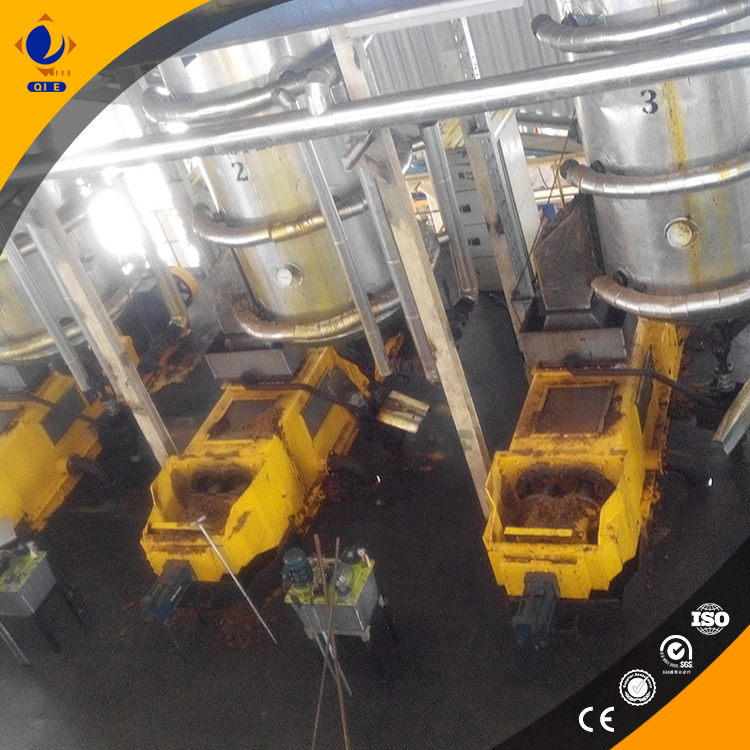
Incorporating advanced automatic control systems, such as those offered by Qie Group, enhances precision throughout refining stages. Real-time monitoring enables dynamic adjustments of key parameters, reducing human error and enabling faster adaptation to feedstock variability. Automated dosing of phosphoric acid, optimized bleaching earth integration, and tightly regulated deodorization chambers contribute to both product consistency and operational cost-efficiency.

 46
|
46
|
 palm oil refining equipment
energy-efficient palm oil processing
automated oil extraction technology
palm oil refining equipment
energy-efficient palm oil processing
automated oil extraction technology
 228
|
Palm acid oil refining equipment
Energy-efficient environmental technology
Fully automated PLC control system
Palm oil processing
Production cost reduction
228
|
Palm acid oil refining equipment
Energy-efficient environmental technology
Fully automated PLC control system
Palm oil processing
Production cost reduction
 98
|
palm oil processing efficiency
PLC control system energy saving
304 stainless steel oil press
palm oil machinery stability
ISO9001 certified palm oil equipment
98
|
palm oil processing efficiency
PLC control system energy saving
304 stainless steel oil press
palm oil machinery stability
ISO9001 certified palm oil equipment
 186
|
palm oil pressing equipment
energy-saving technology
efficient oil extraction
unit energy consumption reduction
heat recovery system
467
|
energy-efficient palm oil refining equipment
palm oil processing
fully automatic PLC control system
energy-saving benefits
cost reduction case study
186
|
palm oil pressing equipment
energy-saving technology
efficient oil extraction
unit energy consumption reduction
heat recovery system
467
|
energy-efficient palm oil refining equipment
palm oil processing
fully automatic PLC control system
energy-saving benefits
cost reduction case study