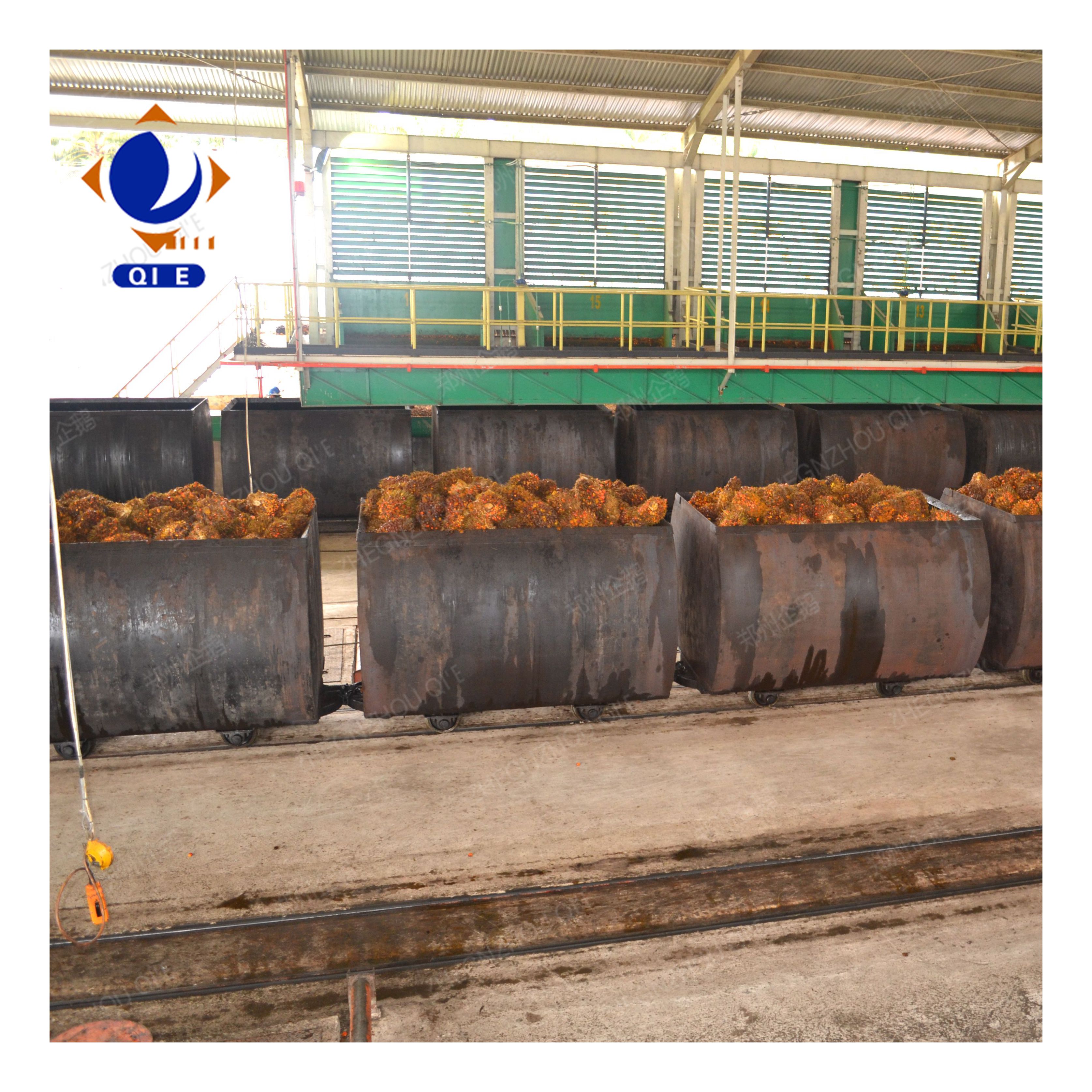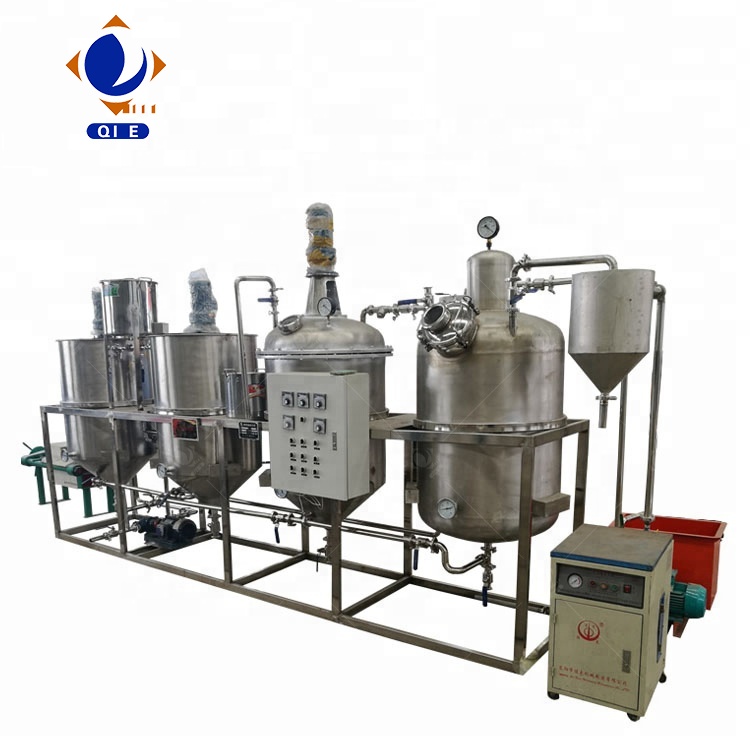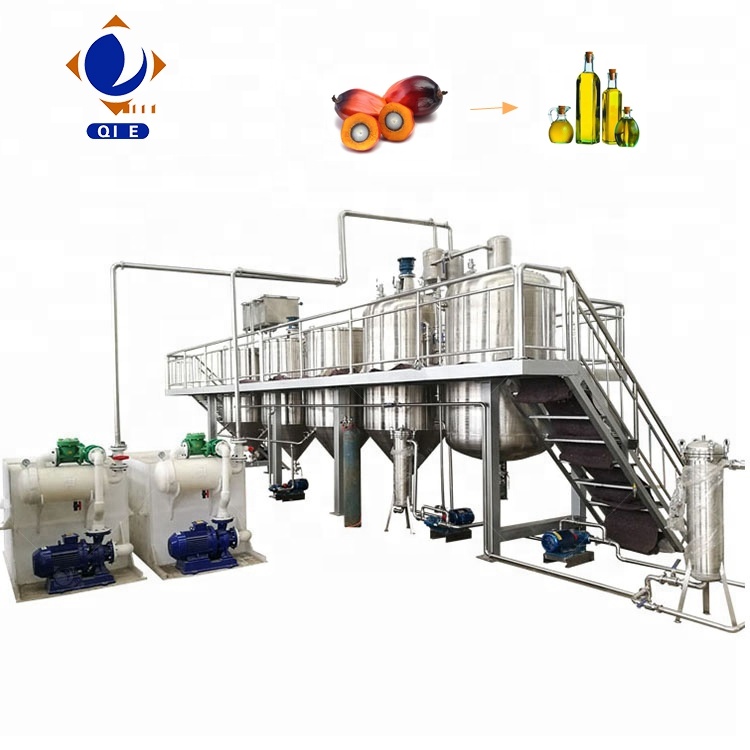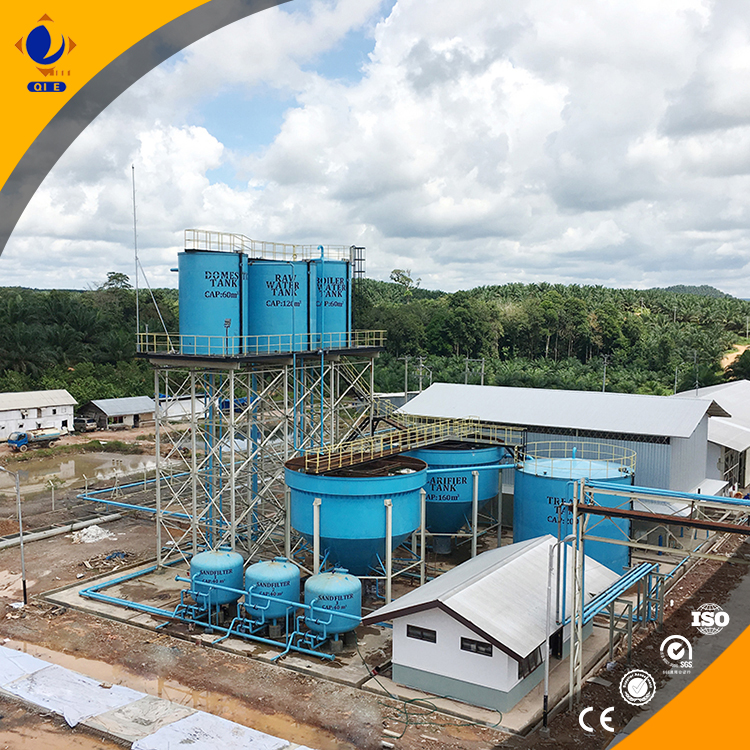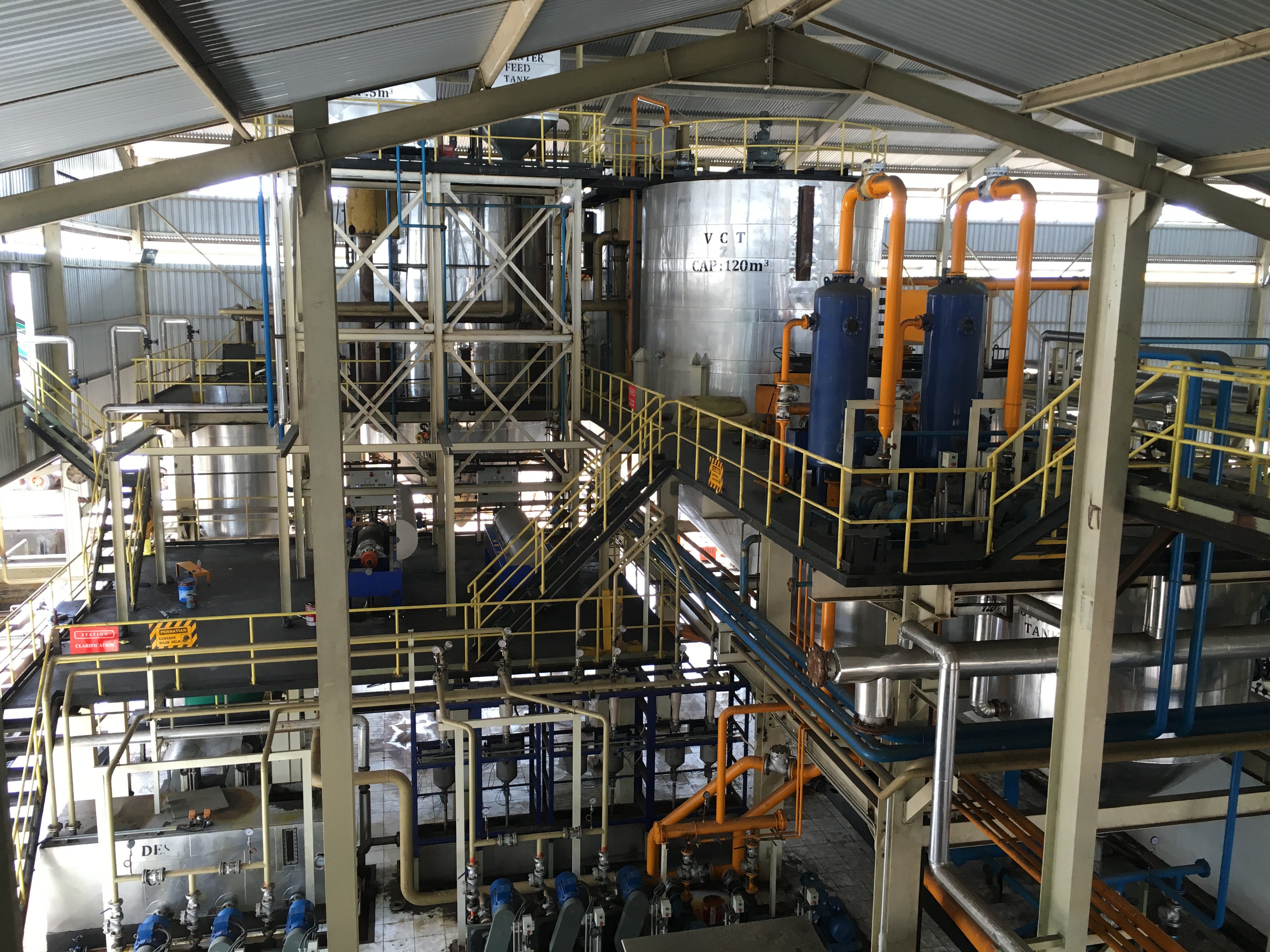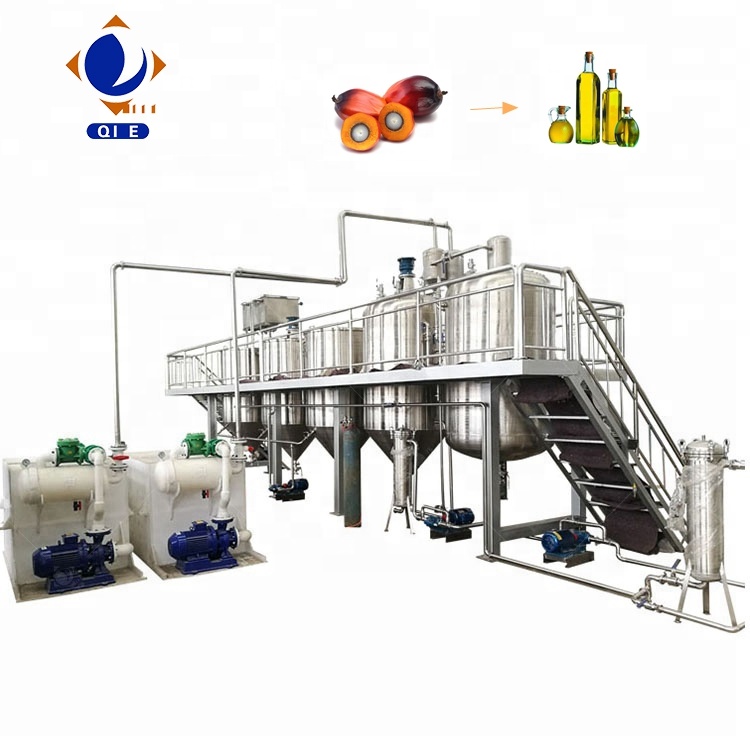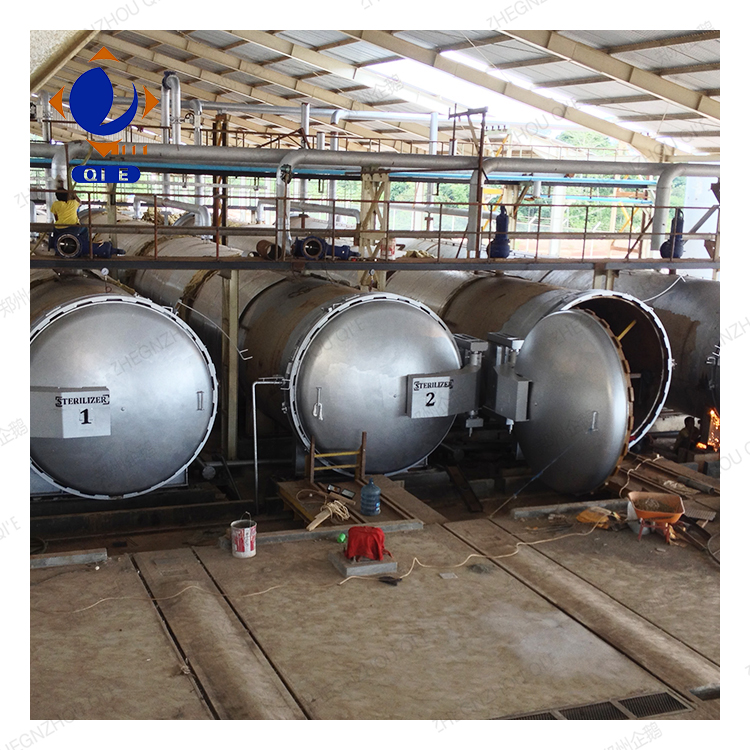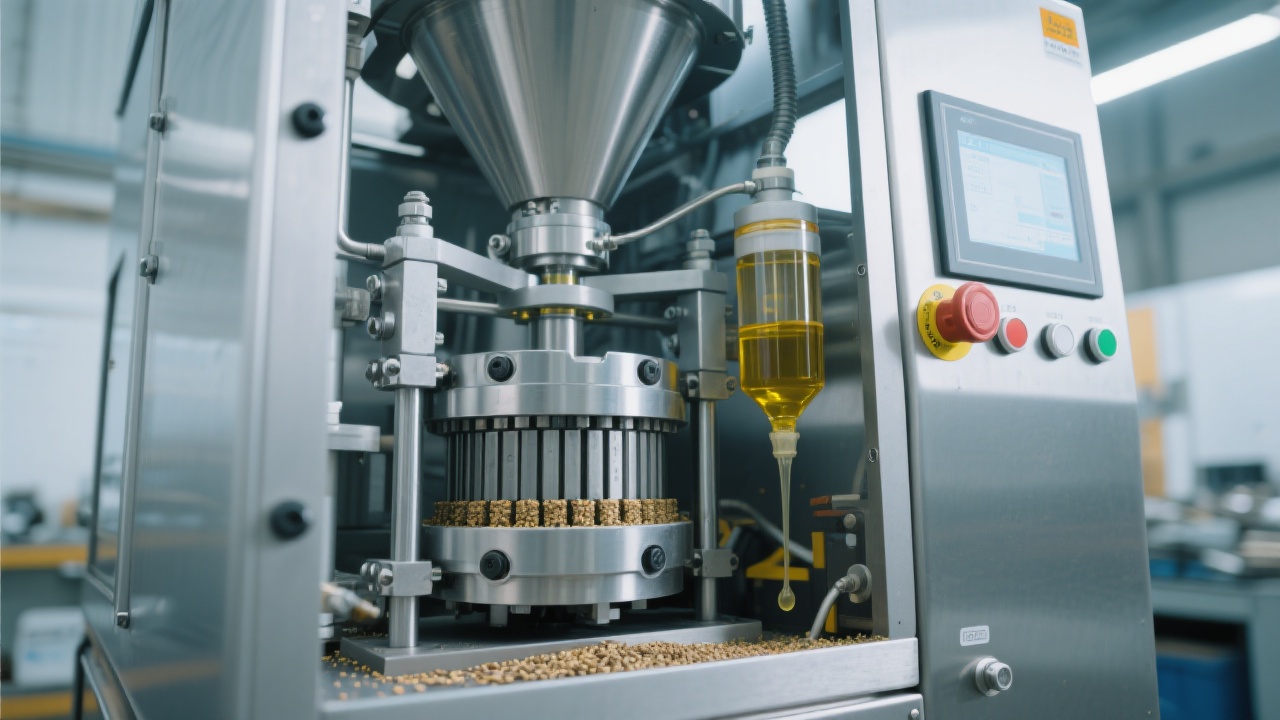
Modern palm oil refining demands a perfect synergy of automation, optimized multi-stage processing, and energy-efficient strategies. QIE Group’s state-of-the-art palm oil refining equipment advances the industry standard by enabling daily throughput ranging from 1 to 2000 tons with consistent product quality and operational stability. This article delves into how multi-level process parameter optimization combined with rigorous energy consumption control achieves high productivity and sustainability across varied plant scales.
Leveraging a robust automation control system is pivotal for refining operations. QIE Group’s integration of PLC-based control and real-time monitoring enables precise regulation of critical parameters such as temperature, steam flow, and chemical dosing. Automated feedback loops drastically reduce human errors and allow seamless transitions between processing stages, ensuring throughput consistency regardless of capacity.
The refining process comprises several key stages: cold pressing, hot pressing, bleaching (decolorization), and deodorization. Each phase necessitates fine-tuned parameters:
Each stage’s parameters interact intricately – adjustments in steam usage, phosphoric acid quantity, and temperature control can drastically impact final oil yield and quality.
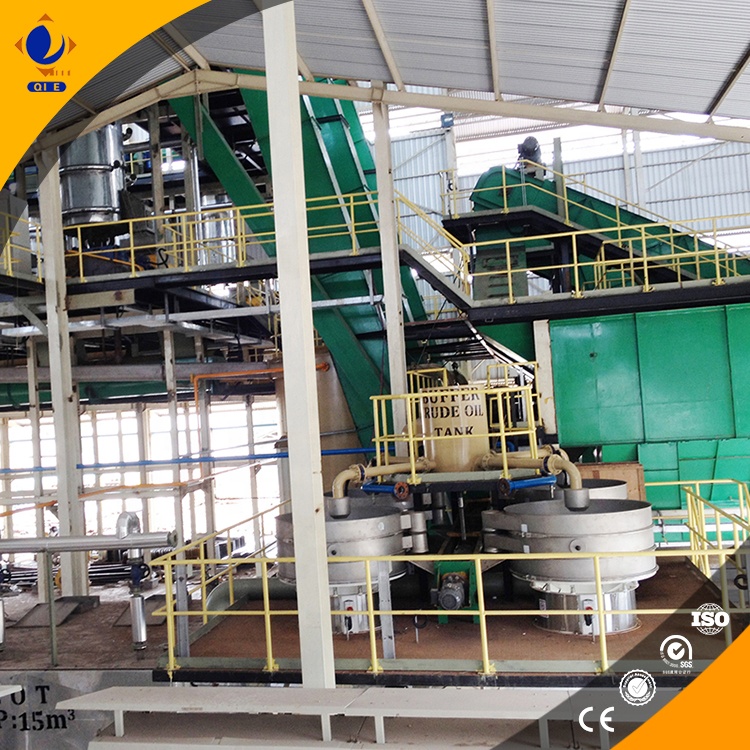
Efficient resource utilization defines operational profitability. Examining three critical parameters:
Real-time data collection enables operators to adjust these parameters dynamically for peak efficiency.

The emphasis on sustainability drives the adoption of energy-saving technologies such as heat exchangers and insulated reactors to reduce thermal losses. Waste management receives equal attention with advanced handling systems treating spent bleaching earth and byproducts safely, ensuring compliance with international environmental standards.
Typical mistakes include inconsistent feedstock entry, incorrect chemical dosing, and inadequate equipment cleaning schedules. QIE Group’s design facilitates easy disassembly and cleaning, while embedded diagnostics alert operators to maintenance needs, minimizing downtime often caused by filter clogging or thermal sensor failures.
Routine calibration of sensors combined with operator training is crucial for maintaining output stability and product standards.
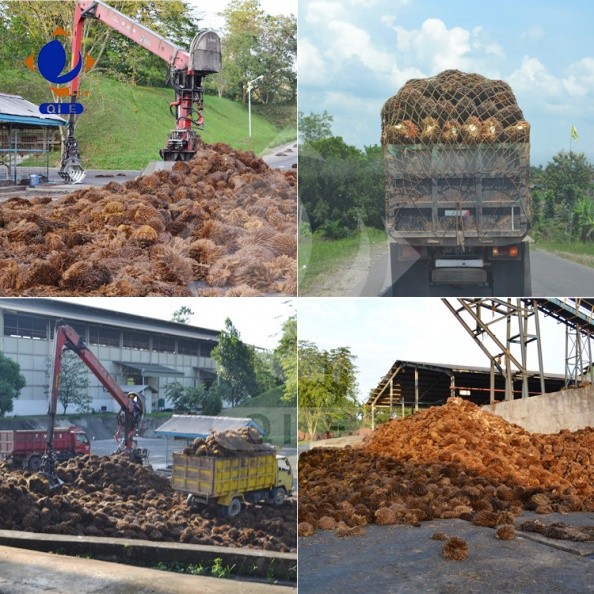
From boutique processors handling 1-10 tons per day to industrial scale operations exceeding 2000 tons, QIE Group’s modular equipment line adapts to varied throughput requirements without compromising quality or efficiency. Customers report up to 95% oil recovery rates with steady supply chain integration.
Case studies validate performance in humid tropical regions and temperate climates alike, while customized automation packages cater to facility-specific needs and workforce skill levels.
Ready to elevate your palm oil refining operations with cutting-edge automation and multi-stage process optimization?
Discover QIE Group’s Palm Oil Refining Solutions Today
 286
|
286
|
 palm oil pressing equipment energy optimization
ISO9001 equipment stability
palm oil processing efficiency
heat recovery in palm oil pressing
automated control for energy saving
palm oil pressing equipment energy optimization
ISO9001 equipment stability
palm oil processing efficiency
heat recovery in palm oil pressing
automated control for energy saving
 310
|
["palm crude oil refining equipment"
"fully automatic PLC control system"
"energy-efficient oil processing"
"automated palm oil refining"
"sustainable oil refining technology"]
310
|
["palm crude oil refining equipment"
"fully automatic PLC control system"
"energy-efficient oil processing"
"automated palm oil refining"
"sustainable oil refining technology"]
 40
|
PLC palm kernel oil equipment
automation control system
intelligent adjustment technology
palm kernel oil extraction process
equipment automation solutions
40
|
PLC palm kernel oil equipment
automation control system
intelligent adjustment technology
palm kernel oil extraction process
equipment automation solutions
 53
|
PLC control palm oil pressing
automated oil extraction systems
palm oil production optimization
temperature and pressure regulation in oil pressing
smart palm oil processing technology
53
|
PLC control palm oil pressing
automated oil extraction systems
palm oil production optimization
temperature and pressure regulation in oil pressing
smart palm oil processing technology
 390
|
palm kernel oil extraction energy-saving technology
eco-friendly palm kernel oil equipment
low solvent consumption extraction
palm kernel oil refining process
green grain and oil processing
390
|
palm kernel oil extraction energy-saving technology
eco-friendly palm kernel oil equipment
low solvent consumption extraction
palm kernel oil refining process
green grain and oil processing