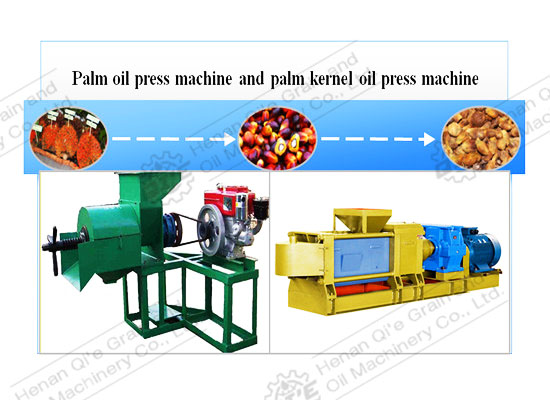
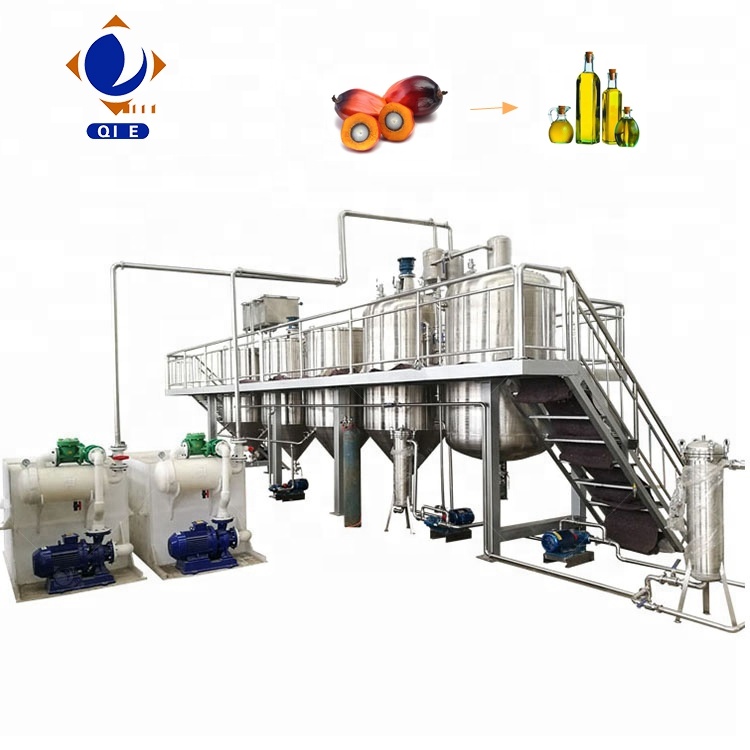
In the demanding environment of palm oil processing plants, where equipment operates under high temperatures (often exceeding 180°C), high pressure (up to 15 bar), and continuous heavy loads, the reliability of core components directly impacts production efficiency and profitability. A recent industry report by the Malaysian Palm Oil Board (MPOB) revealed that 62% of unplanned downtime in palm oil refineries can be attributed to premature failure of critical components like motors, pumps, and bearings. This translates to an average production loss of approximately 300 tons per day for a medium-sized refinery, underscoring the importance of proper component selection and maintenance.
A leading Indonesian palm oil producer recently experienced a catastrophic bearing failure in their deodorization unit, resulting in a 72-hour production shutdown. The root cause analysis revealed the use of standard industrial bearings not rated for the specific temperature fluctuations (120-180°C) and axial loads (up to 25 kN) common in palm oil refining. The total cost, including lost production, replacement parts, and emergency maintenance, exceeded $180,000. This incident highlights why technical directors and procurement decision-makers must prioritize component specifications that match actual operating conditions.
The electric motor serves as the heart of palm oil refining equipment, driving everything from conveyors to centrifuges. When selecting motors for these applications, three critical factors demand attention:
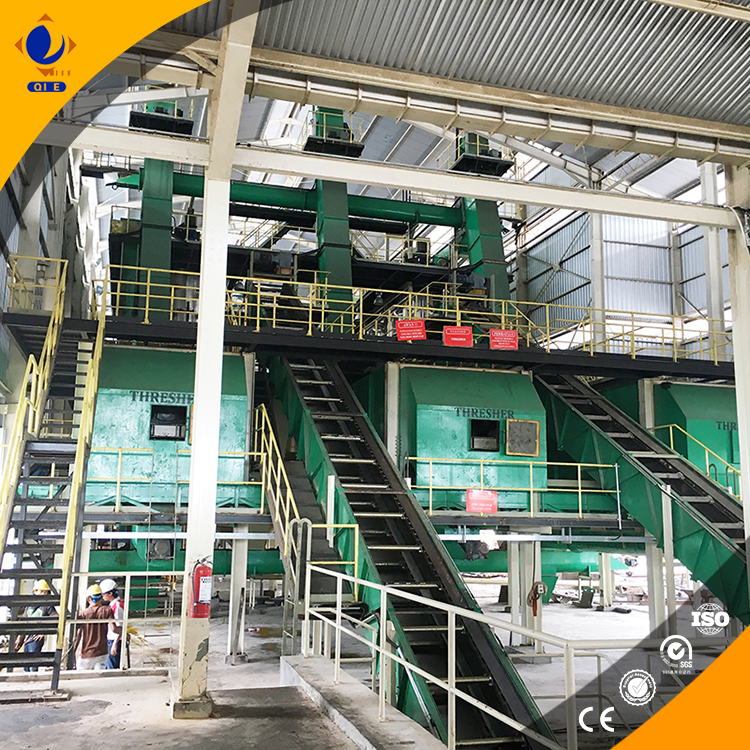
Bearings in palm oil refining equipment face the dual challenges of heavy radial and axial loads combined with high operating temperatures. Selecting the right bearings involves careful consideration of:
Pumps in palm oil refining must handle a variety of media, from crude palm oil to caustic solutions, each presenting unique challenges. Key considerations include:
Sealing systems are particularly critical, with mechanical seals preferred over packing seals for their ability to maintain integrity under high pressures (up to 10 bar) and temperatures. The American Petroleum Institute (API) Standard 682 provides guidelines for seal selection in such demanding applications, recommending metal bellows seals with silicon carbide faces for palm oil processing environments.
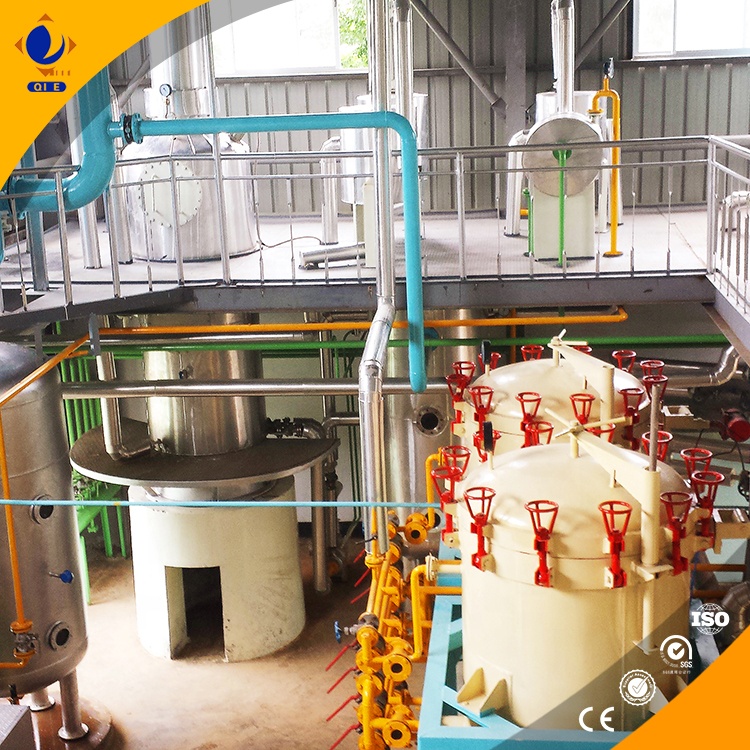
Transitioning from reactive to predictive maintenance can reduce unplanned downtime by up to 35%, according to research by the International Society of Automation (ISA). Key elements of an effective predictive maintenance program include:
| Component | Inspection Interval | Key Maintenance Task |
|---|---|---|
| Motors | Weekly | Temperature and vibration measurement |
| Bearings | Monthly | Lubrication check and replenishment |
| Pumps | Bi-weekly | Seal inspection and pressure testing |
| All Components | Quarterly | Comprehensive vibration analysis |
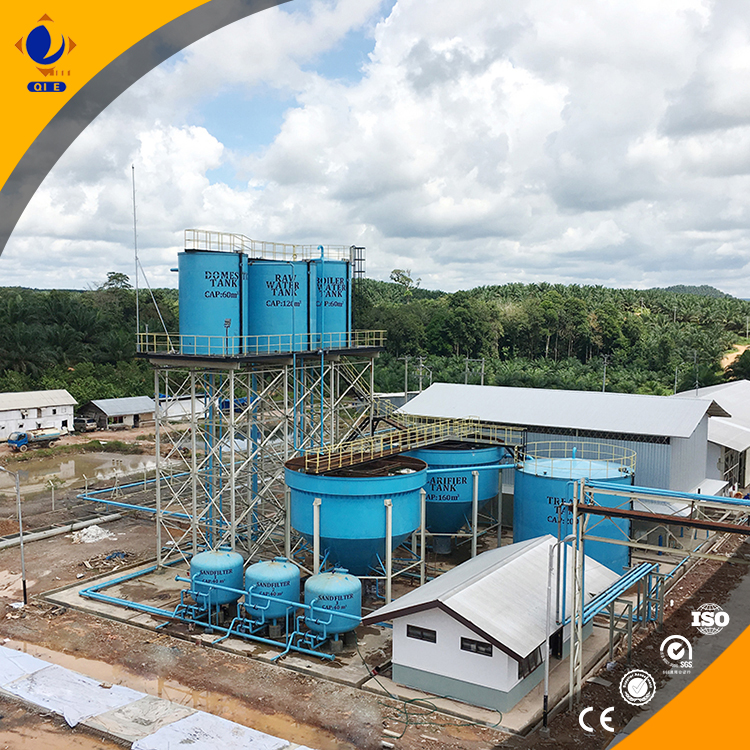
Modern palm oil processing facilities are increasingly adopting Industry 4.0 technologies to enhance equipment reliability. By integrating PLC data acquisition systems with cloud-based analytics platforms, operators can:
When evaluating equipment suppliers, look for those that offer integrated smart monitoring solutions as standard features rather than expensive add-ons. This demonstrates a commitment to long-term performance and operational efficiency.
Experience the difference that precision-engineered components and intelligent monitoring can make in your production efficiency and bottom line.
Discover Penguin Group's Automated Palm Oil Refining SolutionsBenefit from equipment designed for maximum uptime, backed by comprehensive after-sales support and technical expertise.
The selection of critical components for palm oil refining equipment represents a strategic investment in your facility's productivity and profitability. By prioritizing quality, appropriate specification, and proactive maintenance, you can significantly reduce downtime, extend equipment lifespan, and improve overall operational efficiency. Remember that the cheapest initial option often proves most costly in the long run when considering maintenance, replacement, and production loss expenses.

 361
|
361
|
 palm oil pressing equipment
steam cooking temperature optimization
South America palm fruit preprocessing
customized agricultural machinery
efficient palm oil extraction
palm oil pressing equipment
steam cooking temperature optimization
South America palm fruit preprocessing
customized agricultural machinery
efficient palm oil extraction
 456
|
Palm oil pressing equipment efficiency improvement
Advantages of 304 stainless steel oil press
Palm oil unit after - sales service system
Application cases of high - efficiency oil pressing equipment
Export - type palm oil production line
456
|
Palm oil pressing equipment efficiency improvement
Advantages of 304 stainless steel oil press
Palm oil unit after - sales service system
Application cases of high - efficiency oil pressing equipment
Export - type palm oil production line
 71
|
oilseed preprocessing technology
equipment for increasing edible oil yield
comprehensive service in oilseed processing
71
|
oilseed preprocessing technology
equipment for increasing edible oil yield
comprehensive service in oilseed processing
 390
|
palm kernel oil extraction energy-saving technology
eco-friendly palm kernel oil equipment
low solvent consumption extraction
palm kernel oil refining process
green grain and oil processing
390
|
palm kernel oil extraction energy-saving technology
eco-friendly palm kernel oil equipment
low solvent consumption extraction
palm kernel oil refining process
green grain and oil processing
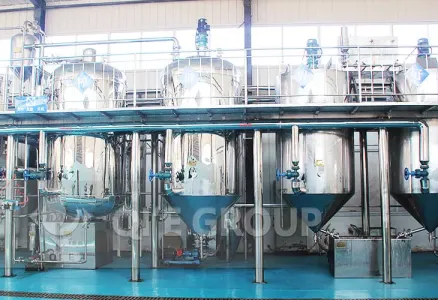 269
|
palm oil refining equipment
energy-saving
environmentally friendly
fully automatic PLC control system
energy-saving data
industry average comparison
269
|
palm oil refining equipment
energy-saving
environmentally friendly
fully automatic PLC control system
energy-saving data
industry average comparison