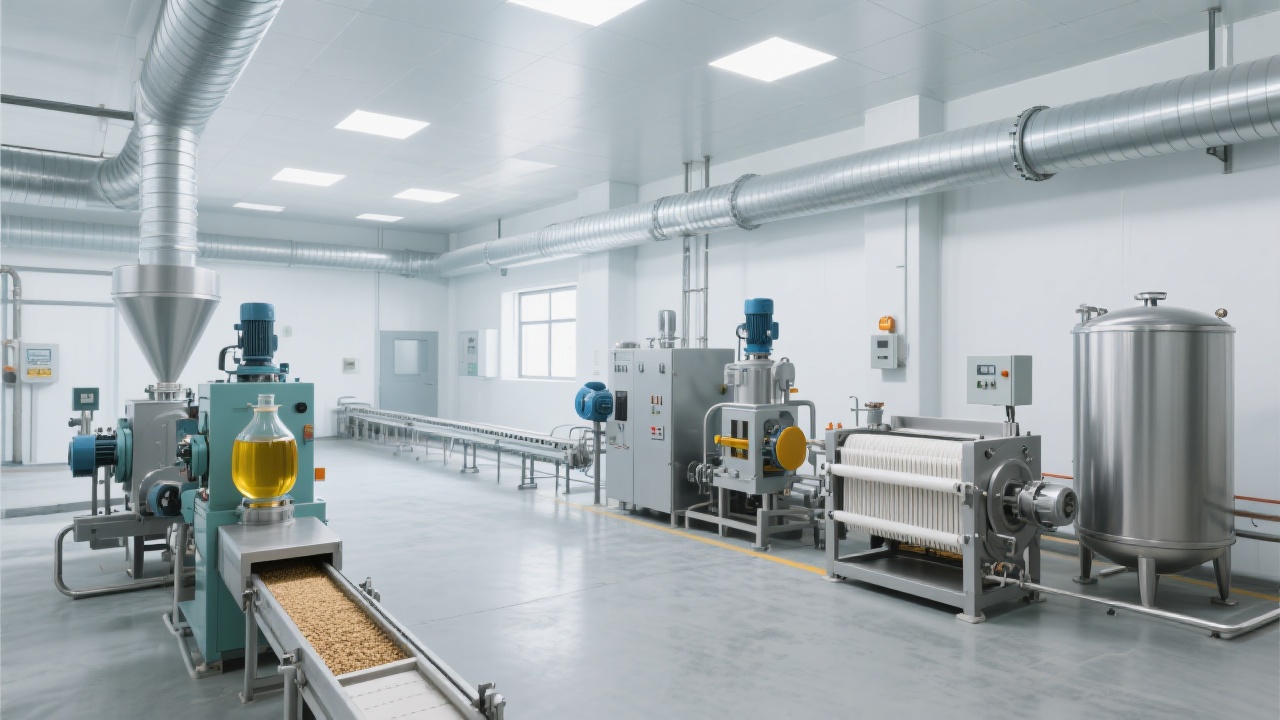
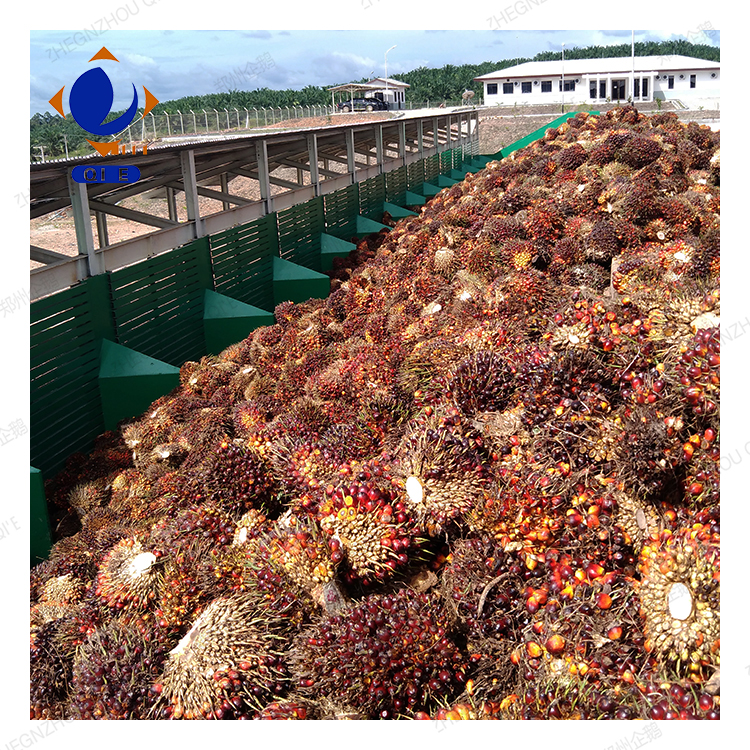
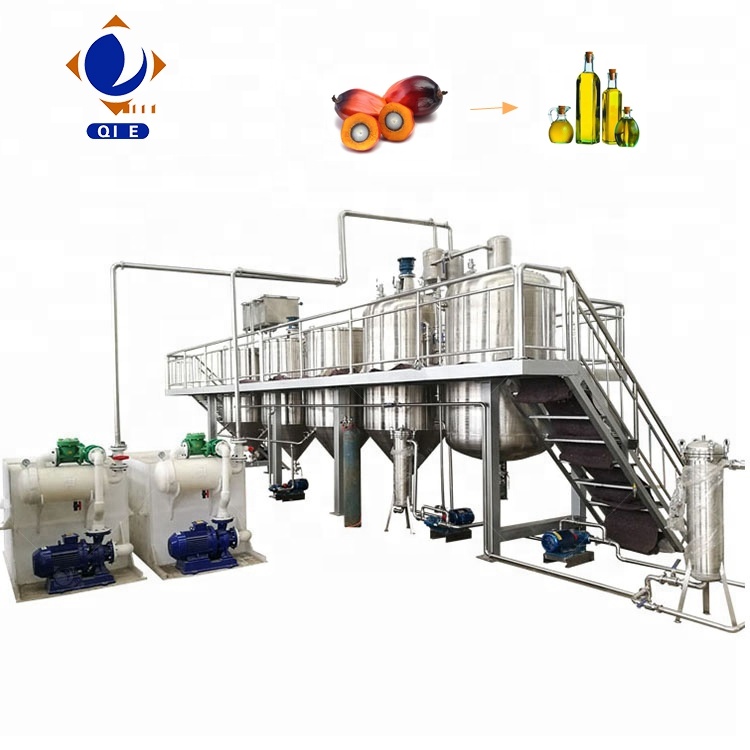
Mistake: chasing color with more earth
Over-dosing may “fix” color short-term but increases oil retention in SBE and can destabilize filtration. Better: confirm degumming, vacuum integrity, and correct bleaching temperature window first.
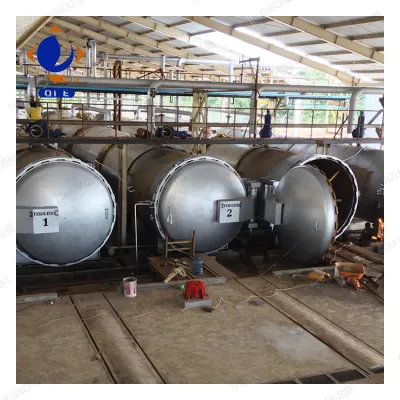
Palm Oil Refining Equipment | 1–2000 TPD
Decision-makers don’t buy “capacity”—they buy stable output, compliant quality, predictable energy cost, and a control system that operators can actually run. This guide explains how QIE Group’s palm oil refining equipment scales from small-to-mid plants to large industrial lines by combining multi-stage process design with practical automation and measurable parameter targets.
In daily operation, a 1–2000 TPD palm oil refining line is considered truly efficient only when it hits four outcomes simultaneously: high yield, stable specifications, controlled utilities, and low process loss. For procurement teams comparing palm oil refining equipment, these are the indicators that usually separate a “working” line from a “profitable” line.
| Metric | Typical range (good operation) | Why it matters |
|---|---|---|
| Steam use (physical refining) | 180–260 kg steam / ton oil | Directly drives refining cost and deodorizer stability |
| Power consumption | 12–25 kWh / ton (depends on configuration) | Indicates pumping/filtration efficiency and automation maturity |
| Phosphoric acid (degumming aid) | 0.03–0.10% on oil (300–1000 ppm) | Under-dose hurts bleaching; over-dose increases losses and soap risk |
| Bleaching earth dosage | 0.6–1.5% on oil (quality-dependent) | Key lever for color, trace metals, and filterability |
| Spent bleaching earth (SBE) rate | Typically 0.8–1.8% of oil, depending on dosage and filtration | Controls oil retention loss and disposal/handling workload |
Note: actual results depend on crude palm oil (CPO) quality, plant layout, and operator discipline. These ranges are commonly used as benchmarking references during commissioning and optimization.
Modern buyers also want documentation and repeatability. In practice, refiners align internal quality management with ISO 9001:2000-style principles: defined procedures, calibrated instruments, traceable batches, and continuous improvement loops supported by data.
At higher capacities, palm oil refining efficiency is rarely limited by a single vessel size—it’s limited by control consistency. QIE Group’s approach focuses on a practical automation architecture: PLC + SCADA/HMI, interlocks, recipe management, and closed-loop control of the parameters that directly affect yield and quality.
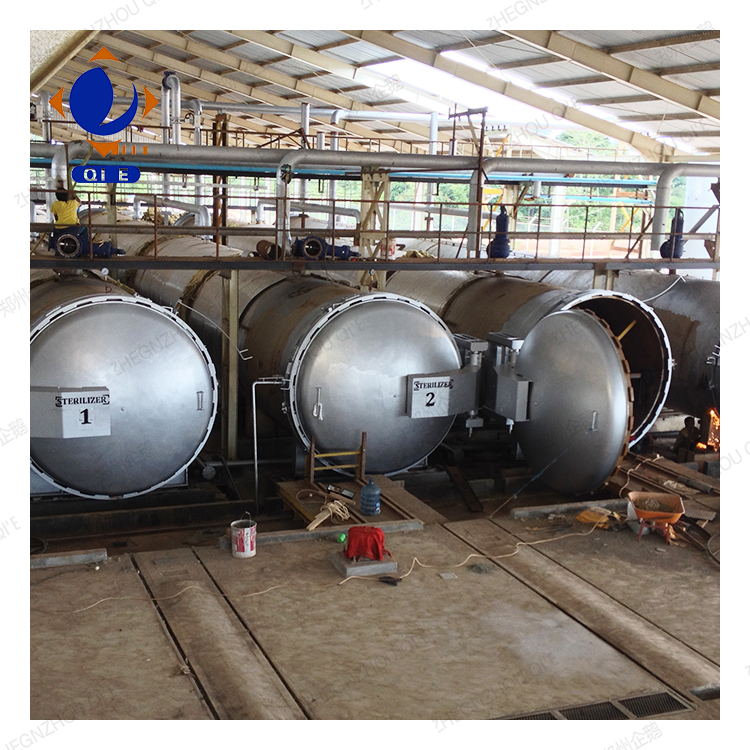
A practical rule used by many plant managers: if a parameter can shift quality within 30 minutes (vacuum, deodorizer temperature, steam rate, filter differential pressure), it should be measured continuously and controlled automatically—not by manual checks once per shift.
Refining performance starts upstream. While many projects discuss refining in isolation, efficient plants treat pre-treatment + refining as one system. In real operations, the incoming oil profile (moisture, impurities, gums/trace metals, FFA and oxidation state) determines how hard the refinery must work.
Crude oil receiving
   ↓
Pre-filtration / settling
   ↓
Degumming (phosphoric acid) + conditioning
   ↓
Bleaching (earth + vacuum + controlled temperature)
   ↓
Filtration (pressure leaf / candle / filter press options)
   ↓
Deodorization (vacuum + steam stripping) + heat recovery
   ↓
Polishing filter → storage → packing / bulk loading
Where do cold press and hot press fit in? In integrated palm processing projects, they influence the crude oil’s impurity load and oxidation risk. Cold pressing can help preserve certain quality attributes but may leave higher waxes or solids; hot pressing can raise yield but may increase oxidation if handling is weak. The refinery’s job is to standardize output—yet the best energy savings come from feeding it cleaner, more consistent oil.
In most plants, color stability, odor neutrality, and shelf-life perception are dominated by bleaching and deodorization discipline. If these are unstable, downstream blending and packaging can’t “fix” it.
Steam is often the largest variable utility cost. Efficient plants typically combine heat recovery, stable vacuum, and tight temperature control to keep steam use in the practical benchmark range of 180–260 kg/ton.
Operator-friendly optimization checklist
For many palm oil refining lines, phosphoric acid is used to condition gums/trace components before bleaching. A practical dosing band is commonly 300–1000 ppm (0.03–0.10%) on oil, adjusted to crude quality and target specs. The winning strategy is not “more acid”—it’s consistent dosing with correct mixing and residence time.
Practical tuning tips used during commissioning
SBE is not just a waste item—it’s often a hidden yield loss due to oil retention. Plants that monitor SBE systematically can reduce losses by tightening bleaching dosage, improving filtration, and enforcing correct cake discharge practices. Many operations target an SBE generation aligned with bleaching earth dosage (often 0.8–1.8% of oil, depending on quality and configuration).
| Common cause | What you see | Corrective action |
|---|---|---|
| Over-dosing bleaching earth | Rapid filter DP rise, more cake, higher oil loss | Optimize dosage by color targets + filtration behavior |
| Poor vacuum/air ingress during bleaching | Inconsistent color, oxidation notes | Seal leaks, stabilize vacuum, improve inerting practices |
| Inadequate filtration cycle control | Short cycles, incomplete cake formation, carryover | Automate cycle steps, verify cloth condition and backwash logic |
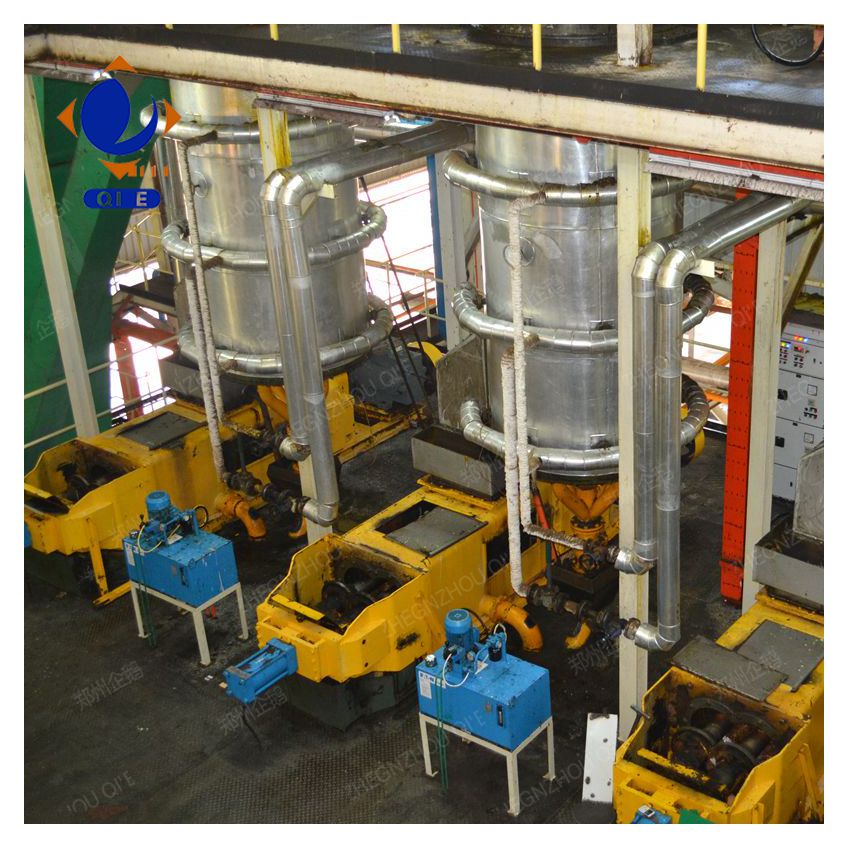
Over-dosing may “fix” color short-term but increases oil retention in SBE and can destabilize filtration. Better: confirm degumming, vacuum integrity, and correct bleaching temperature window first.
A slow vacuum decline can quietly raise steam demand and risk deodorization inconsistency. Build an alarm on vacuum deviation and schedule leak checks on flanges, seals, and instrument ports.
Cloth/blade condition, correct precoat, and disciplined cleaning cycles often decide whether a plant runs smoothly or stops twice per week. Record differential pressure and cycle time to detect degradation early.
By scaling the same logic: modular vessels and filtration options, standardized instrumentation, and PLC/SCADA recipes. Larger lines benefit from more sensors, tighter interlocks, and energy integration—while the operator workflow stays consistent.
Oil flow, acid dosing, bleaching earth dosing, bleaching temperature, filter differential pressure, deodorizer temperature, vacuum level, and steam rate. These parameters typically influence quality and yield within the same shift.
Lock the process “window” first: stabilize vacuum, standardize dosing, and enforce filtration cycle discipline. Then optimize utilities (steam and heat recovery) once specifications are consistently met.
QIE Group designs palm oil refining equipment with scalable capacity, operator-friendly automation, and practical parameter control for stable quality and energy efficiency. Share your target capacity, crude oil profile, and product requirements—our engineers will propose a configuration and optimization plan suitable for your site.
Direct contact: Sales & Technical Team, QIE Group | Email: [email protected] | WhatsApp: +86 138 0000 0000

 471
|
471
|
 palm kernel oil processing equipment
palm kernel oil plant installation
oil extraction equipment safety standards
palm kernel oil production efficiency
equipment commissioning troubleshooting
palm kernel oil processing equipment
palm kernel oil plant installation
oil extraction equipment safety standards
palm kernel oil production efficiency
equipment commissioning troubleshooting
 416
|
industrial palm oil refining machines
palm oil processing efficiency
automated palm oil equipment
Nigerian palm oil production
energy-efficient refining technology
416
|
industrial palm oil refining machines
palm oil processing efficiency
automated palm oil equipment
Nigerian palm oil production
energy-efficient refining technology
 499
|
Palm oil pressing equipment energy - saving technology
Palm oil pressing energy consumption optimization
Palm oil pressing efficiency improvement
Pressing equipment heat recovery
Palm oil processing energy - saving misconceptions
499
|
Palm oil pressing equipment energy - saving technology
Palm oil pressing energy consumption optimization
Palm oil pressing efficiency improvement
Pressing equipment heat recovery
Palm oil processing energy - saving misconceptions
 468
|
palm kernel oil extraction equipment
eco-friendly oil processing technology
low solvent consumption system
climate-resilient oil machinery
sustainable palm kernel oil production
468
|
palm kernel oil extraction equipment
eco-friendly oil processing technology
low solvent consumption system
climate-resilient oil machinery
sustainable palm kernel oil production
 220
|
Automation control system
PLC palm kernel oil equipment
Intelligent adjustment technology
Palm kernel oil extraction equipment
Production efficiency improvement
220
|
Automation control system
PLC palm kernel oil equipment
Intelligent adjustment technology
Palm kernel oil extraction equipment
Production efficiency improvement