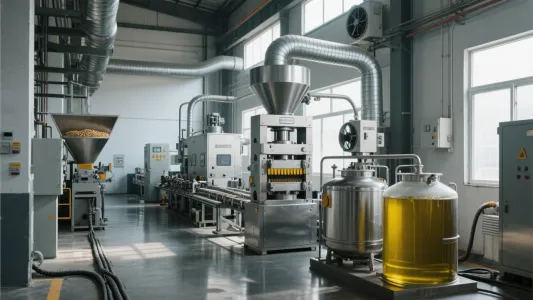
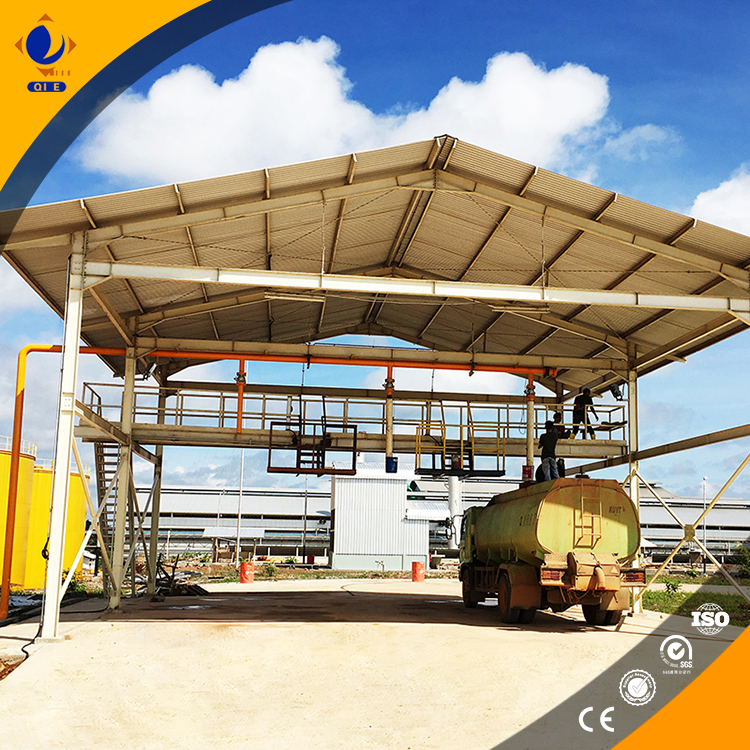
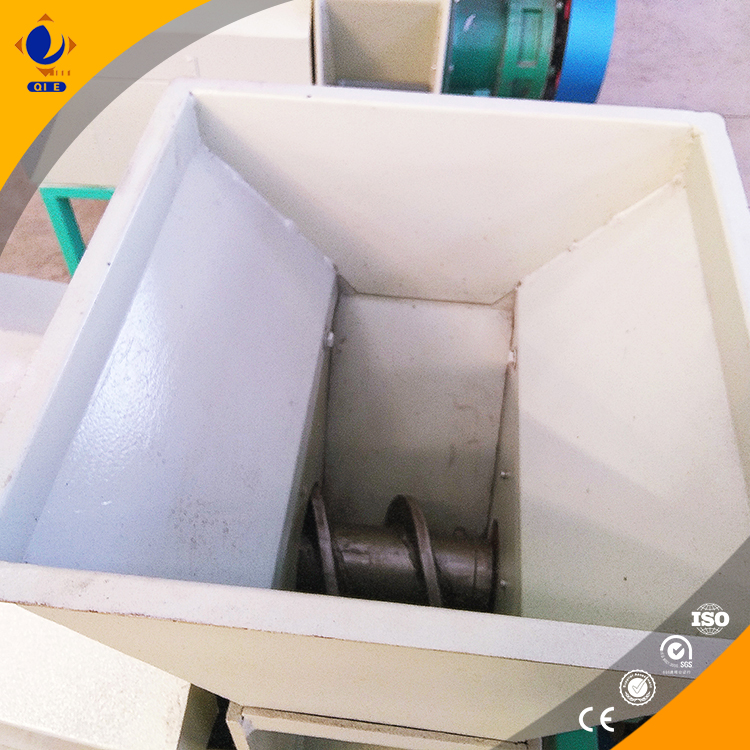
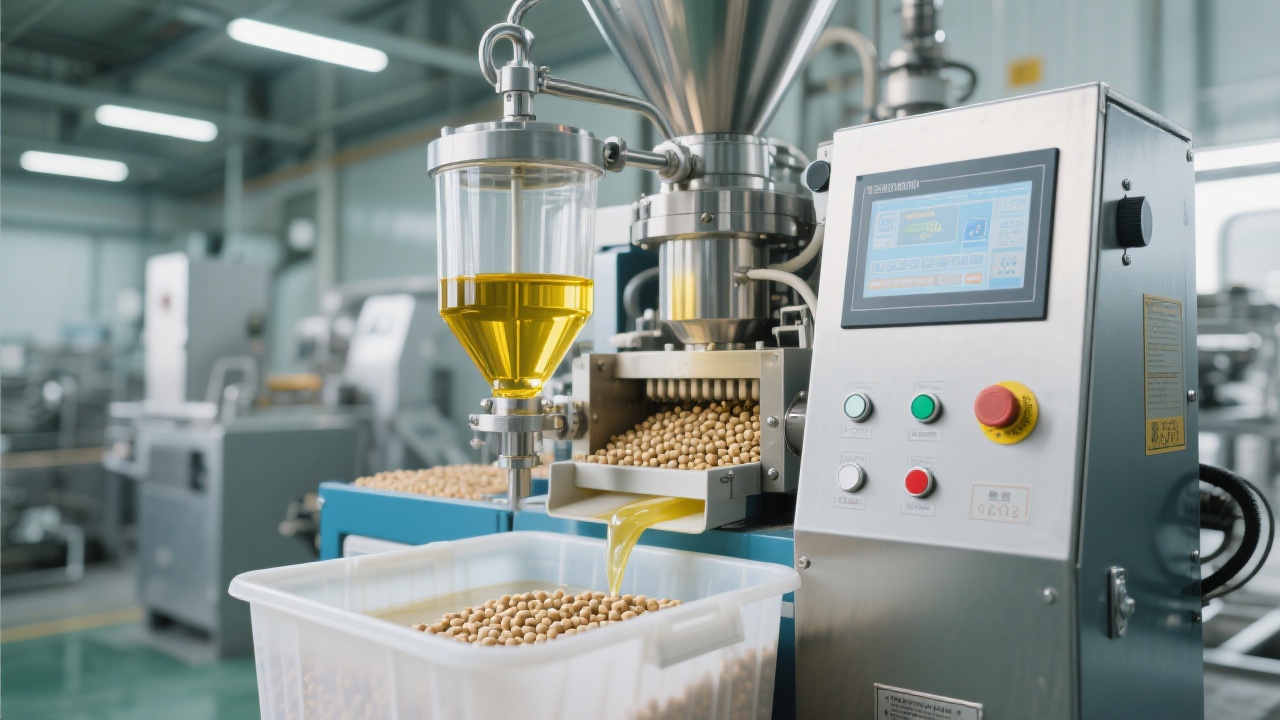
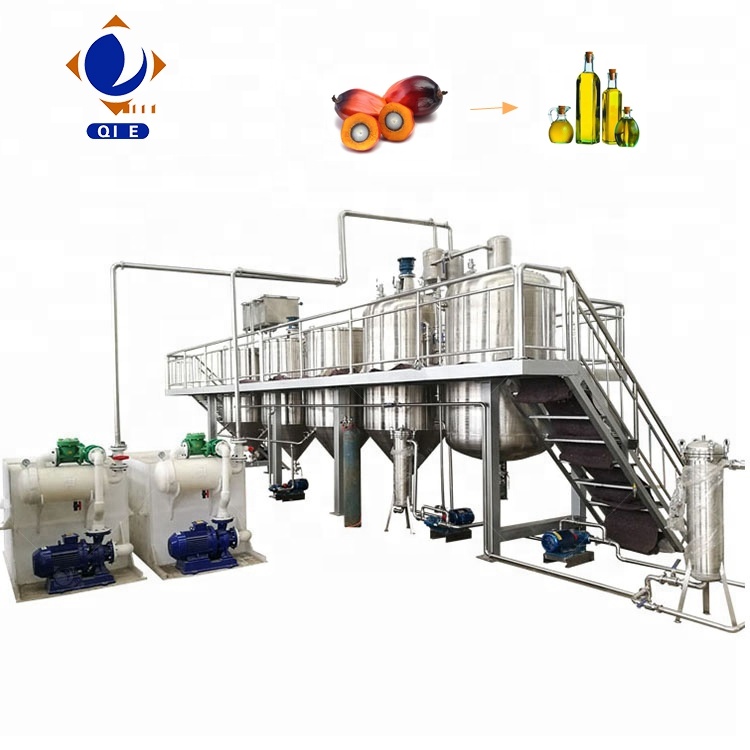
Palm Oil Refining Equipment (1–2000 TPD): Automation Control and Multi-Stage Process Optimization
2026-03-02
QI ' E Group
Technical knowledge
You need palm oil refining equipment that stays stable from 1 to 2000 tons per day without sacrificing yield, quality, or energy efficiency. This article explains the design logic behind scalable refining lines and how automation control systems keep high-throughput production consistent across shifting feedstock and operating conditions. You’ll walk through the full refining route—from pressing (cold/hot) to degumming/neutralization, bleaching, and deodorization—highlighting how each stage must be tuned to support the next. Key operating benchmarks are included, such as steam consumption around 450 kg/T oil, electrical demand near 15 kW/h, and phosphoric acid dosing of 2–3 kg/T oil, along with practical adjustment strategies to reduce deodorization loss and stabilize product color. You’ll also learn how to control spent bleaching earth (≤35%) and avoid common operator mistakes that increase downtime or degrade oil quality. For decision-makers and engineers, the result is a clear roadmap to reach 98%–99% finished-oil yield through automated monitoring, multi-stage coordination, and maintenance-focused operation—supported by lifecycle service and custom integration options.
How Palm Oil Refining Equipment Achieves 1–2000 TPD High-Efficiency Production
If you’re comparing palm oil refining lines in the 1–2000 tons/day range, your decision is rarely about “can it run.” It’s about whether it can run consistently—with stable color, low FFA, controlled deodorization loss, and a predictable energy bill. This guide breaks down how you can reach 98%–99% finished oil yield through automation control and multi-stage process optimization, using practical reference parameters like steam consumption ≈ 450 kg/T oil, electric load ≈ 12–18 kWh/T, and phosphoric acid dosing ≈ 2–3 kg/T oil.
Best for procurement: selection logic by capacity band (1–50 / 50–300 / 300–2000 TPD)
Best for engineers: setpoints, dosing, vacuum control, and common failure modes
Best for owners: how to cut energy waste without sacrificing bleaching and deodorization performance
1–2000 TPD: Why “Capacity Range” Changes the Engineering Logic
A palm oil refining plant that runs well at 10 TPD can become unstable at 300 TPD if the same control philosophy and heat integration are simply scaled up. High-efficiency production is built on matching hydraulics + residence time + thermal balance + automation depth to your throughput.
Tip for decision makers: ask suppliers to show how residence time, heat exchanger duty, and vacuum sizing remain within design margins at your maximum TPD—not only at “nominal capacity.”
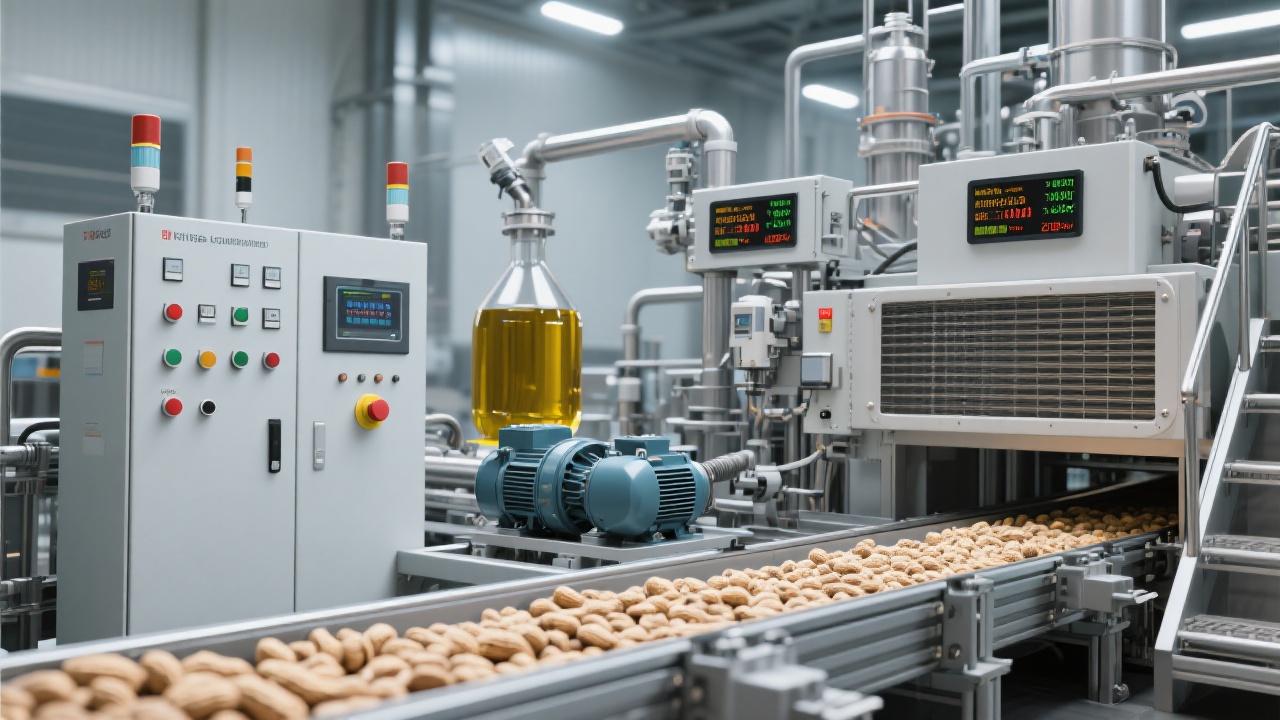
Automation Control: How You Keep High TPD Stable (Not Just Running)
When throughput climbs, your biggest enemy is variation: feed quality changes, operator habits, inconsistent vacuum, or filtration bottlenecks. A modern palm oil refining system stabilizes production by linking the “three essentials” into one control logic: flow, temperature, and vacuum/pressure.
1) Flow-linked chemical dosing (the fastest win)
Instead of dosing “by experience,” you tie dosing pumps to mass flow meters. For palm oil degumming, a common reference point is phosphoric acid 2–3 kg/T oil (exactly adjusted by gums/trace metals and target color). When flow changes, dosing changes automatically—reducing over-dosing (yield loss) and under-dosing (poor bleaching, filter issues).
2) Temperature profiles as “recipes,” not single setpoints
High-efficiency refining relies on a multi-stage temperature curve (preheating → reaction → bleaching → deodorization) rather than one “target temperature.” Recipe control reduces thermal shocks that cause foaming, oxidation risk, or unstable deodorizer stripping. For many physical refining lines, deodorization commonly operates in the 240–260°C range (depending on quality targets and equipment design).
3) Interlocks that protect yield and uptime
Practical interlocks include: vacuum-low prevents feed to deodorizer; differential-pressure high triggers filter cake discharge; steam pressure abnormal limits deodorizer stripping; and temperature-high auto-reduces heating duty. These “boring” protections often decide whether you reach 98%–99% yield or lose profit through repeated off-spec batches.
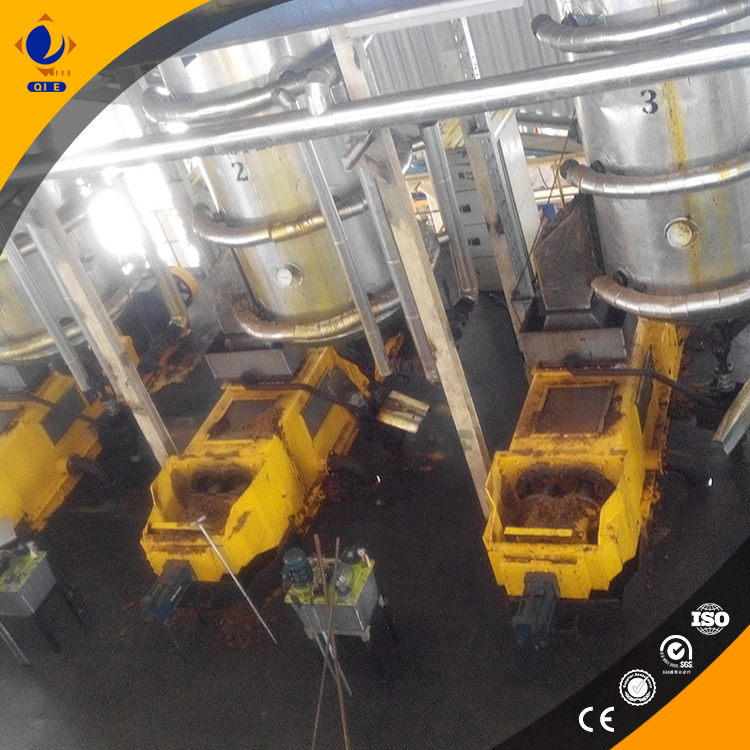
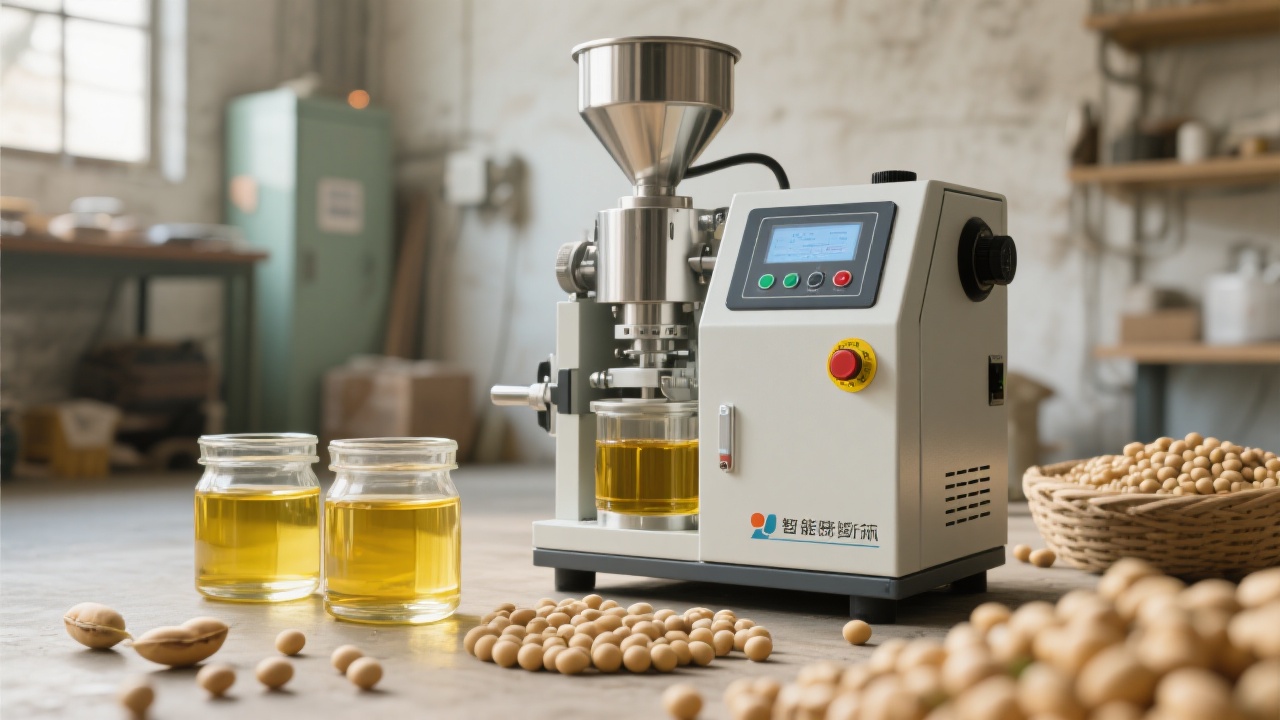
Stage A: Cold/Hot Pressing—your refining stability starts here
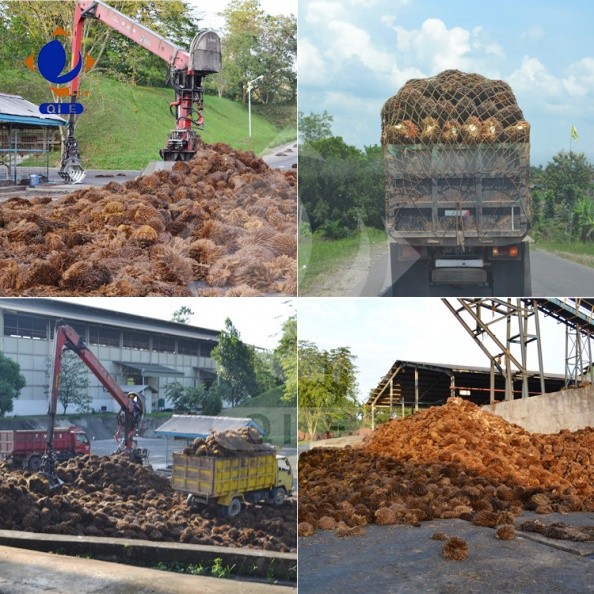
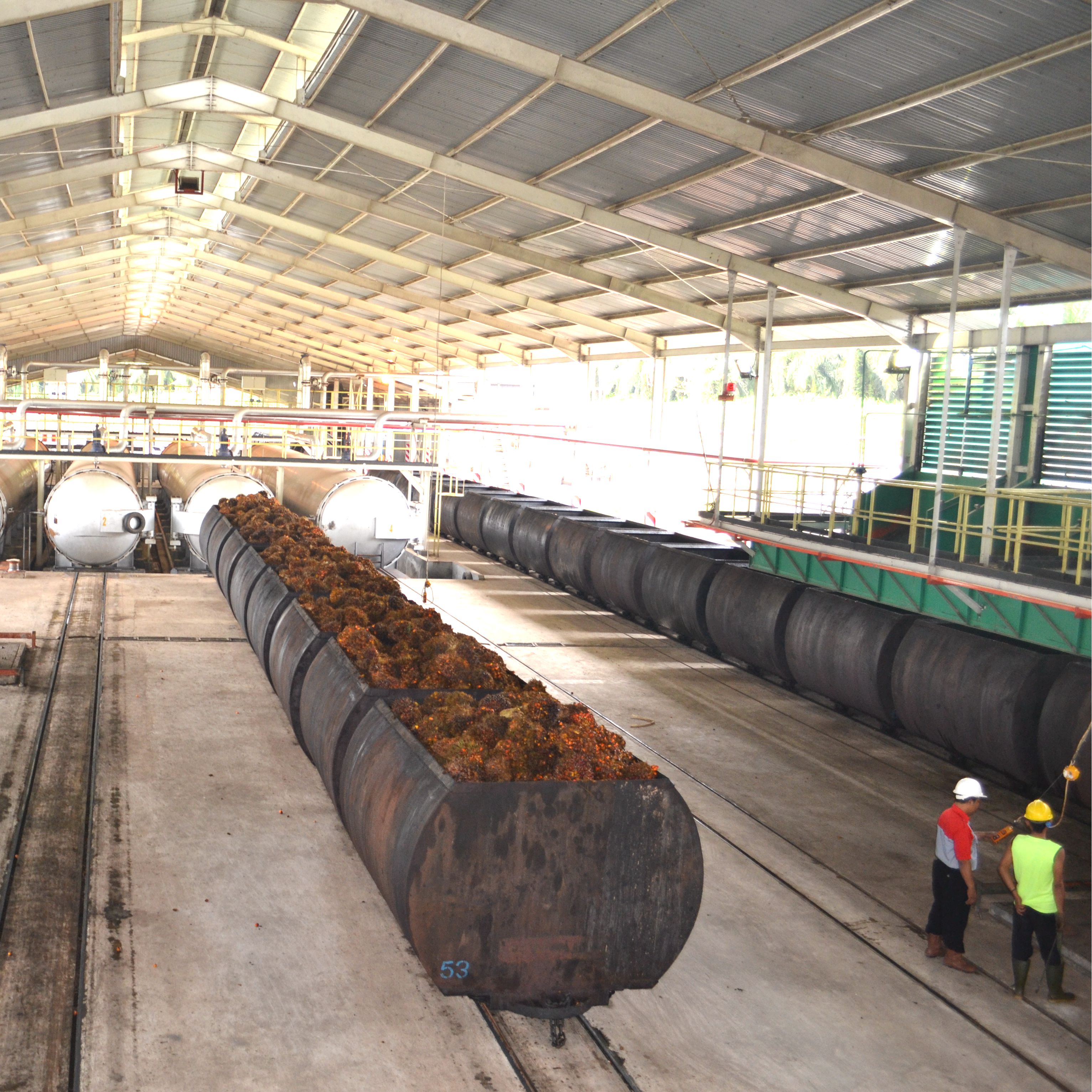
Whether your upstream is cold pressing or hot pressing, the downstream refining performance is strongly affected by moisture, phospholipids, and fine solids. If your crude palm oil enters the refining line with higher suspended solids, you’ll typically see faster filter loading and higher bleaching earth consumption.
Avoid unnecessary air exposure at high temperature: oxidation drives color reversion and increases deodorization burden.
Standardize sampling: trending FFA and DOBI (where used) helps you choose bleaching intensity rationally.
Stage B: Bleaching—control color without sacrificing yield
Bleaching is where many plants either “win” or quietly lose money. Over-bleaching increases oil retention in spent earth; under-bleaching pushes problems into deodorization (and risks off-odor, off-color). A practical operational KPI is keeping spent bleaching earth oil content ≤ 35% (plant-specific target), with stable filtration differential pressure.
Field-tuned bleaching checklist
Acid conditioning: start from 2–3 kg/T oil phosphoric acid and adjust by oil quality and target color.
Contact efficiency: good mixing + correct residence time typically reduces bleaching earth demand.
Vacuum during bleaching: helps reduce oxidation and improves color stability in storage.
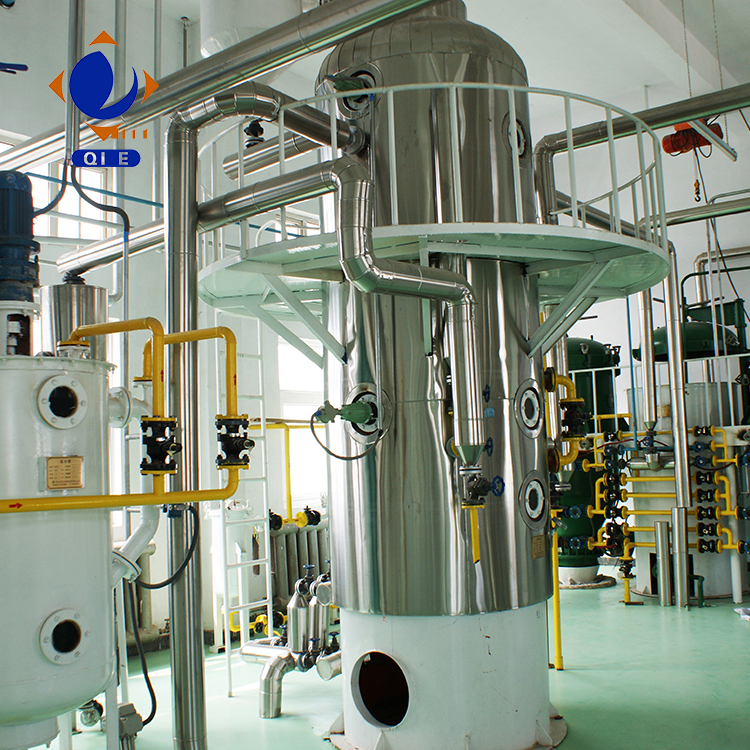
Stage C: Deodorization—where energy and losses are decided
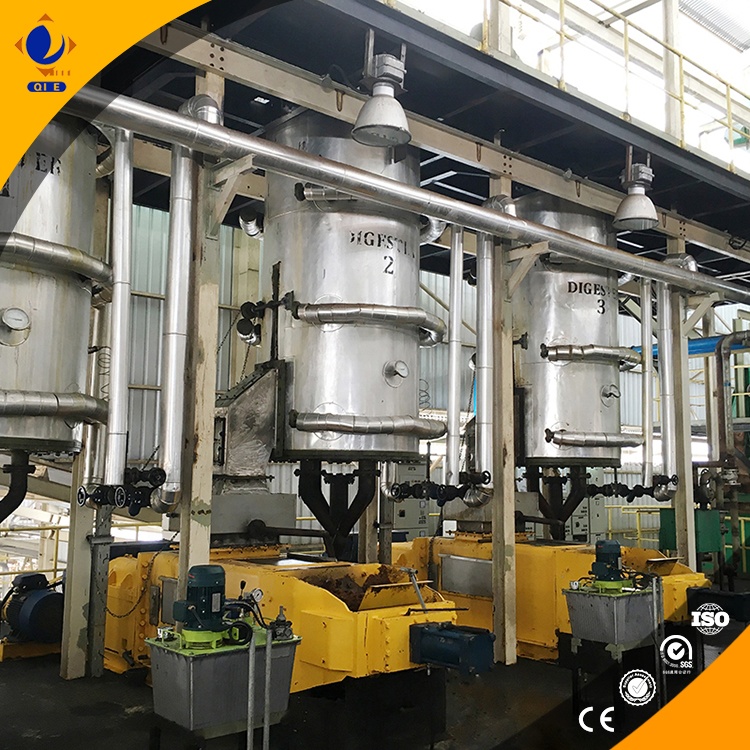
Deodorization is both a quality step and a cost center. In many high-throughput refineries, a realistic reference is steam consumption around 450 kg/T oil (depending on heat recovery, stripping design, and vacuum system efficiency). The goal is to remove odors and volatiles while controlling: deodorization distillate losses, thermal degradation, and vacuum stability.
Vacuum quality: stable deep vacuum reduces required stripping intensity for the same odor outcome.
Heat integration: economizers/heat exchangers lower steam demand without compromising final odor.
Controlled ramping: avoid aggressive temperature jumps that increase polymerization risk.
Utilities KPI: Electricity, Steam, and Where Optimization Actually Works
For buyers in the consideration stage, energy numbers often look similar across suppliers—until you ask how those numbers are measured and sustained in daily operation. In a typical palm oil refining line, a working reference is: electricity ≈ 12–18 kWh/T oil (often near 15 kWh/T), plus steam ≈ 380–500 kg/T oil depending on deodorization design and heat recovery.
Optimization moves that do not “gamble” with product quality
1) Stabilize vacuum first. Many “high steam consumption” complaints are vacuum problems in disguise—leaks, condenser fouling, or mismatched ejector sizing. Fix vacuum, then reduce stripping steam with confidence.
2) Recover heat where it’s clean. Use heat exchangers to preheat incoming oil with outgoing hot streams; it usually yields faster payback than “lowering temperature targets” that can create quality drift.
3) Keep filtration predictable. Filtration instability often triggers energy waste (reheating, reprocessing, stop-start). Stable cake control protects both throughput and utilities.
Mini data card (reference KPIs you can use in supplier comparison)
Common Operating Mistakes (and How You Prevent Them Without Extra Labor)
Most “equipment problems” reported in palm oil refining are actually process discipline problems. The difference is important because discipline is fixable with procedures + automation + maintenance rhythm.
Mistake 1: “Overcorrecting” color with extra bleaching earth
If your color fluctuates, increasing earth dosage can hide upstream instability while silently increasing oil retention in spent earth. Instead, confirm degumming effectiveness (acid dosing and mixing), check moisture and temperature consistency, and verify filtration differential pressure trends.
Mistake 2: Running deodorization “hotter” to compensate for vacuum issues
Higher temperature may reduce odor short-term but increases risk of thermal degradation and distillate loss. If deodorization loss is creeping up, audit vacuum leaks, condenser performance, and steam quality before changing temperature targets.
Mistake 3: Treating maintenance as “downtime,” not throughput insurance
At higher TPD, small fouling or minor leaks translate into big utility waste. Build a routine: vacuum leak checks, condenser cleaning intervals, filter cloth inspection, dosing pump calibration, and instrumentation verification. This is how stable output becomes repeatable.
If your business requires consistent export-grade edible oil, you’ll care about more than machines: you’ll care about documentation, repeatable control logic, and a supplier that can support commissioning, ramp-up, and operator training in a structured way—often aligned with ISO 9001 quality practices.
What “full lifecycle” support should look like in real projects
Before purchase: capacity confirmation by material balance + utilities calculation; layout and expansion planning.
During installation: commissioning checklist, interlock verification, recipe setup, and KPI baseline definition.
During ramp-up: parameter tuning for your crude oil; operator training to reduce human-factor variation.
After handover: spare parts plan, remote troubleshooting, and periodic optimization based on trend data.
For groups operating multiple plants or planning phased expansion, this structured approach is often the difference between “installed capacity” and “profitable capacity.”
Get the Palm Oil Refining Equipment Selection & Operation Guide (PDF)
Want a practical, engineering-friendly checklist to evaluate a 1–2000 TPD palm oil refining line—including utilities targets (like 450 kg/T steam), dosing references (2–3 kg/T phosphoric acid), and common troubleshooting paths for bleaching and deodorization?
2025-12-18|293|palm oil pressing equipment heat recovery system energy efficiency in oil extraction automated control in food processing yield optimization in palm oil mills
2025-06-17|400|efficient palm oil refining equipment palm oil processing companies production challenges resolution equipment features business benefit enhancement actual usage case studies