https://shmuker.oss-cn-hangzhou.aliyuncs.com/data/oss/65b068c3c2e9735675cac322/65b46cb67cfeb5177346777c/20240426173741/未标题-1_画板%201.png

Efficient Palm Oil Refining Equipment Core Component Selection for High-Load Continuous Operation
2026-03-19
QI ' E Group
Technical knowledge
How to determine if the core components of palm oil refining equipment meet the demands of high-load continuous operation? This article provides an in-depth analysis of key technical selection criteria for motors, pumps, bearings, and gears. Supported by real fault cases and diagnostic flowcharts, it assists technical managers in building equipment health evaluation frameworks, enabling preventive maintenance to extend service life and reduce downtime risks—ensuring more stable and efficient production lines.
https://shmuker.oss-accelerate.aliyuncs.com/data/oss/common/20240702105144/20240702/7a2d81f0115c9080c88d67fe2e2b4c98.jpg

High-Efficiency Palm Oil Refining Equipment Core Components Selection Guide: Key Technical Criteria for Sustained Heavy-Duty Operation

The palm oil refining industry faces rigorous demands due to the high-temperature and high-pressure environments intrinsic to processing. Ensuring that core components such as motors, pumps, bearings, and gears meet stringent technical standards is critical for uninterrupted continuous operation. This guide delves into the essential selection criteria for these components, illustrated with real-world failure cases and diagnostic flowcharts, empowering technical managers to implement robust equipment health assessment and preventive maintenance systems. Mastering these selection techniques can reduce unplanned downtime by up to 30%, securing your investment and boosting operational efficiency.

Understanding the Challenges of Long-Term Heavy-Duty Operation in Palm Oil Refining

Continuous refining of palm oil often involves processing capacities exceeding 2000 tons per day, imposing immense stress on equipment components. The elevated temperature (typically 90-110°C) and pressure environments accelerate wear and fatigue. Core parts are vulnerable to vibration-induced damage, thermal expansion, lubricant degradation, and corrosion, which can cascade into costly downtime if unchecked.

Therefore, selecting components with suitable safety margins and material properties adapted to these extreme conditions—while considering local climate variations, such as tropical humidity versus cold climates—is paramount for process stability.

Critical Core Components and Their Key Selection Criteria

1. Motor Selection Standards

The electric motor drives the entire refining line's mechanical systems. It must sustain high load factors without overheating or performance degradation. Selection parameters include:

  • Power rating: Oversize by at least 20% above peak operational requirements to handle transient loads.
  • Thermal class: Choose insulation classes F or H, offering resistance beyond 155°C to endure elevated ambient and operational temperatures.
  • IP rating: A minimum of IP55 to protect against dust ingress and moisture, critical in humid tropical environments.
  • Efficiency: IE3 or higher efficiency class motors reduce energy consumption and heat generation.

2. Pump Sealing Materials and Design Considerations

Pumps circulate palm oil through the refining stages under pressure. Their seals prevent leakage, and material choices directly affect downtime and maintenance frequency.

  • Seal Material: Use high-grade fluorocarbon elastomers or PTFE-based seals for chemical resistance against oil contaminants and high temperatures.
  • Mechanical Seal Design: Double mechanical seals with buffer chambers offer enhanced leak prevention.
  • Corrosion resistance: Employ stainless steel (SS316L) or duplex alloys for pump casings and shafts to mitigate corrosion risks.

3. Bearings’ Fatigue Strength and Lubrication Strategy

Bearings endure rotational stress and thermal loads. Their fatigue life depends on load rating and lubrication quality:
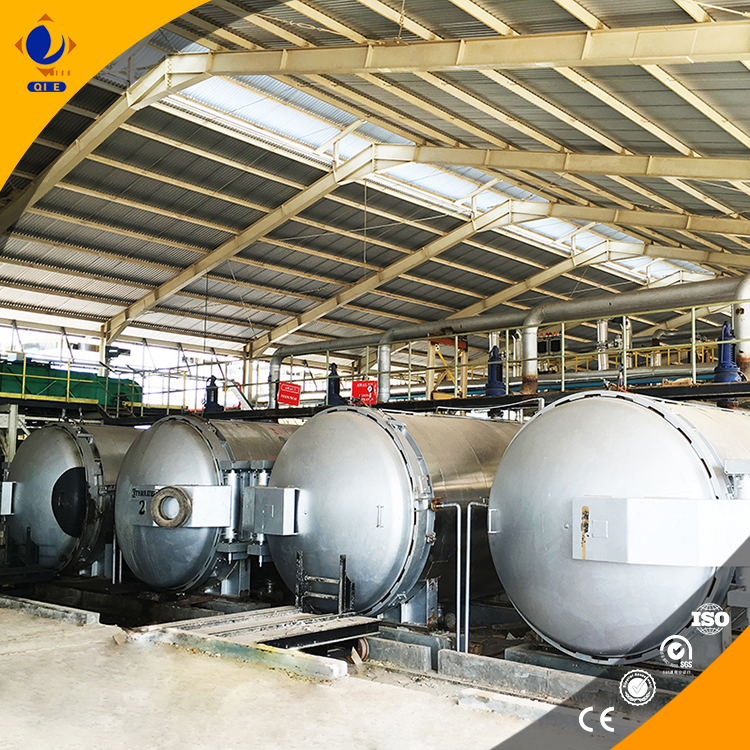
  • Fatigue rating load: Opt for bearings with dynamic load ratings exceeding 1.5 times the maximum shaft load.
  • Material: High-quality chrome steel (AISI 52100) with corrosion-resistant coatings enhances lifespan.
  • Lubrication intervals: Follow strict relubrication schedules based on operating hours and temperature monitoring; synthetic lubricants are preferred in high-temperature zones.
Diagnostic flowchart showing vibration anomaly detection in palm oil refining equipment

4. Gears’ Wear-Resistance Design

Gears transfer torque with minimal losses and must resist abrasive wear from oil impurities and fatigue cracking:

  • Material Selection: Use carburized alloy steels with surface hardening treatments (e.g., nitriding) to increase hardness beyond HRC 60.
  • Design Features: Incorporate profile modifications to distribute load evenly and reduce contact stress.
  • Oil Filtration: Integrate fine filtration systems to minimize particle ingestion and subsequent gear abrasion.

Systematic Diagnostic Workflow for Common Equipment Failures

Equipment malfunctions such as abnormal vibration, excessive temperature rise, and unpredictable pressure fluctuations require a structured troubleshooting approach to isolate root causes efficiently:
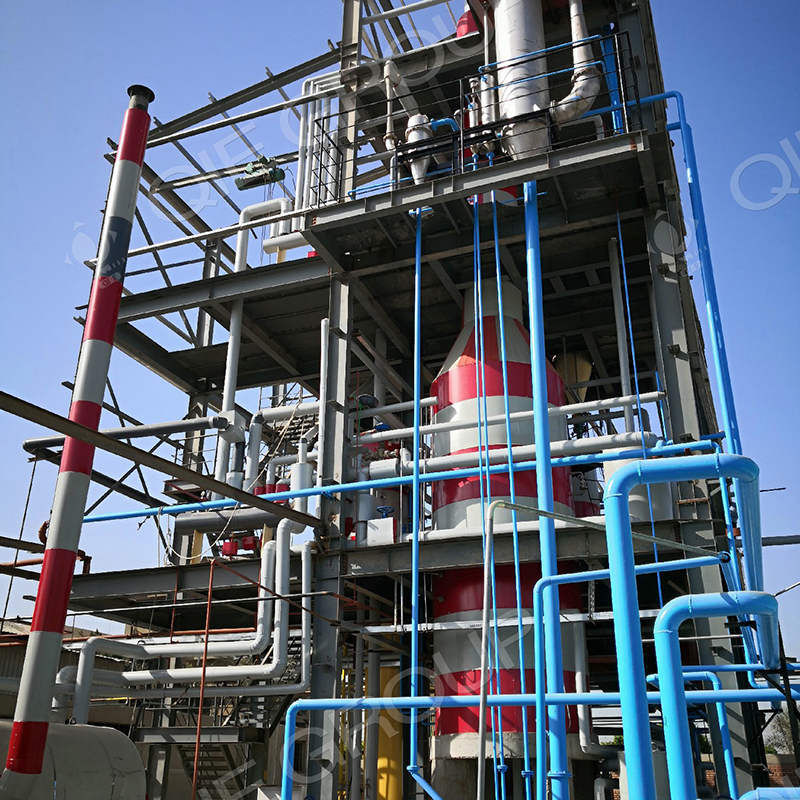
  1. Initial Data Review: Analyze PLC data logs for temperature, vibration, and pressure trends.
  2. Visual Inspection: Check seals, lubrication status, and structural integrity.
  3. Vibration Analysis: Deploy accelerometers to detect bearing or gear defects, referencing vibration spectra.
  4. Thermography: Use infrared imaging to identify hotspot zones indicating friction or electrical issues.
  5. Component Testing: Perform shaft alignment verification and torque measurements.
  6. Maintenance Records: Review lubrication and replacement schedules to identify lapses.
Graph illustrating temperature and pressure fluctuations in palm oil refining components under various operating conditions

Adapting Component Selection for Different Climate Conditions

The tropical climate—characterized by high humidity and temperatures—necessitates components with superior moisture protection and corrosion resistance. Conversely, cold regions require equipment tolerant to thermal contraction and potential condensation.

For example, motors in tropical zones benefit from enhanced ventilation and anti-corrosion coatings, while cold-region bearings require lubrication formulations optimized for low-temperature viscosity.

Penguin Group’s palm oil refining equipment core components incorporate these geo-specific adaptations, ensuring resilience and longevity across global markets.

Practical Tools and Upgrading Maintenance Strategies

To actualize a robust preventive maintenance program, the following resources are recommended:

  • Comprehensive Checklists: Systematic daily and weekly inspection items for critical components.
  • Lubricant Replacement Guidelines: Cycle recommendations based on operating hours and ambient temperature.
  • Intelligent Monitoring Solutions: Integration of PLC data with IoT sensors to enable real-time status visualization and early anomaly detection.

Transitioning from manual inspections to automated smart alerts significantly enhances operational efficiency and reduces failures caused by human oversight.
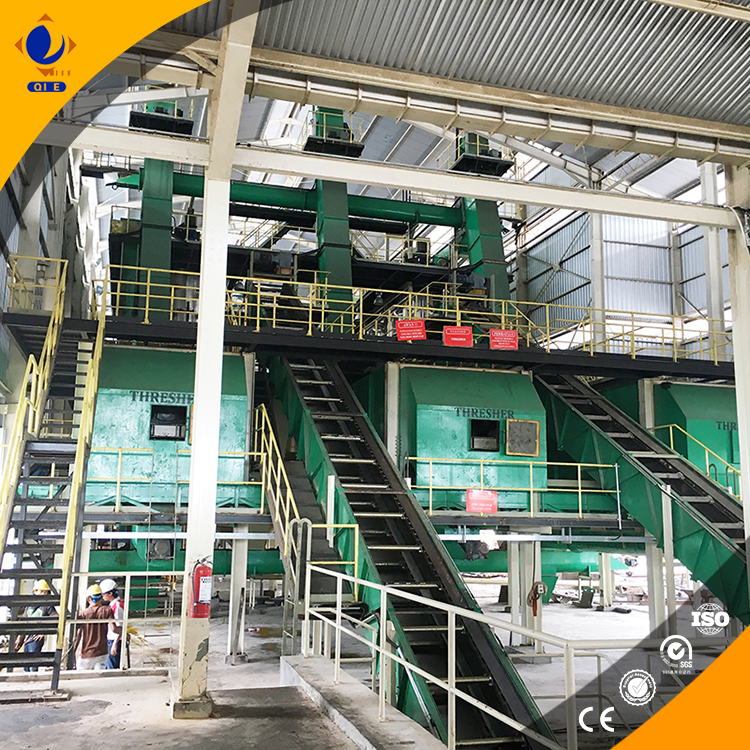
Infographic summarizing preventive maintenance steps with smart sensor integration for palm oil refining equipment
Recommended Products
Related Reading
https://shmuker.oss-accelerate.aliyuncs.com/data/oss/common/20240703104112/20240703/4b8b075dd42209edd636137167f90050.jpg
2026-03-07 | https://shmuker.oss-accelerate.aliyuncs.com/tmp/temporary/60ec5bd7f8d5a86c84ef79f2/60ec5bdcf8d5a86c84ef7a9a/20240305161110/eye.png 324 | https://shmuker.oss-accelerate.aliyuncs.com/tmp/temporary/60ec5bd7f8d5a86c84ef79f2/60ec5bdcf8d5a86c84ef7a9a/20240305160636/lable.png palm oil refining process palm oil refining equipment bleaching earth dosage deodorization loss Qie Group palm oil equipment

img
2026-01-24 | https://shmuker.oss-accelerate.aliyuncs.com/tmp/temporary/60ec5bd7f8d5a86c84ef79f2/60ec5bdcf8d5a86c84ef7a9a/20240305161110/eye.png 33 | https://shmuker.oss-accelerate.aliyuncs.com/tmp/temporary/60ec5bd7f8d5a86c84ef79f2/60ec5bdcf8d5a86c84ef7a9a/20240305160636/lable.png Palm oil refining automation PLC control system Food - grade production standards Remote monitoring and maintenance Intelligent grain and oil machinery
https://shmuker.oss-accelerate.aliyuncs.com/data/oss/common/20240703143830/20240703/99b42dcbc69e696d3be86d3543ed1eb4.jpg
2026-03-08 | https://shmuker.oss-accelerate.aliyuncs.com/tmp/temporary/60ec5bd7f8d5a86c84ef79f2/60ec5bdcf8d5a86c84ef7a9a/20240305161110/eye.png 285 | https://shmuker.oss-accelerate.aliyuncs.com/tmp/temporary/60ec5bd7f8d5a86c84ef79f2/60ec5bdcf8d5a86c84ef7a9a/20240305160636/lable.png industrial palm oil refining machine scalable palm oil production automated palm oil equipment ISO9001 palm oil machinery energy-efficient refining technology
https://shmuker.oss-accelerate.aliyuncs.com/data/oss/common/20240703104613/20240703/9df6b1bf99cc3f5a4a691fa9c091340a.jpg
2026-03-12 | https://shmuker.oss-accelerate.aliyuncs.com/tmp/temporary/60ec5bd7f8d5a86c84ef79f2/60ec5bdcf8d5a86c84ef7a9a/20240305161110/eye.png 492 | https://shmuker.oss-accelerate.aliyuncs.com/tmp/temporary/60ec5bd7f8d5a86c84ef79f2/60ec5bdcf8d5a86c84ef7a9a/20240305160636/lable.png palm oil refining equipment motor selection for high load bearing fatigue strength equipment maintenance Qie Group automation
img
2026-01-15 | https://shmuker.oss-accelerate.aliyuncs.com/tmp/temporary/60ec5bd7f8d5a86c84ef79f2/60ec5bdcf8d5a86c84ef7a9a/20240305161110/eye.png 436 | https://shmuker.oss-accelerate.aliyuncs.com/tmp/temporary/60ec5bd7f8d5a86c84ef79f2/60ec5bdcf8d5a86c84ef7a9a/20240305160636/lable.png palm oil refining automation PLC control system applications palm oil pressing intelligent control automation systems in edible oil processing palm oil production quality traceability

Hot Products
Popular articles
Recommended Reading
Contact us
Contact us
https://shmuker.oss-cn-hangzhou.aliyuncs.com/tmp/temporary/60ec5bd7f8d5a86c84ef79f2/60ec5bdcf8d5a86c84ef7a9a/thumb-prev.png