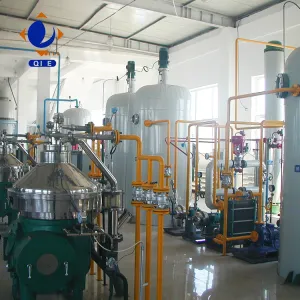
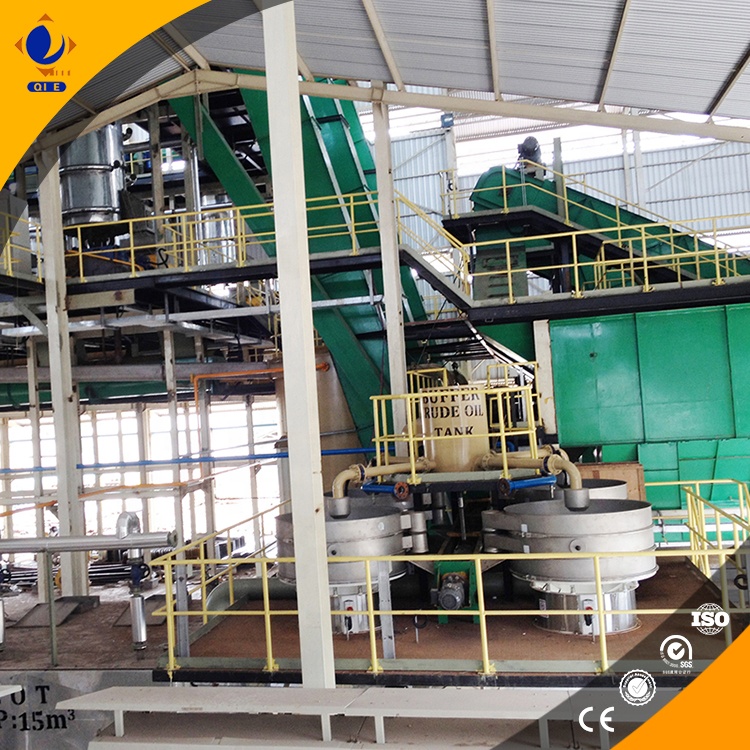
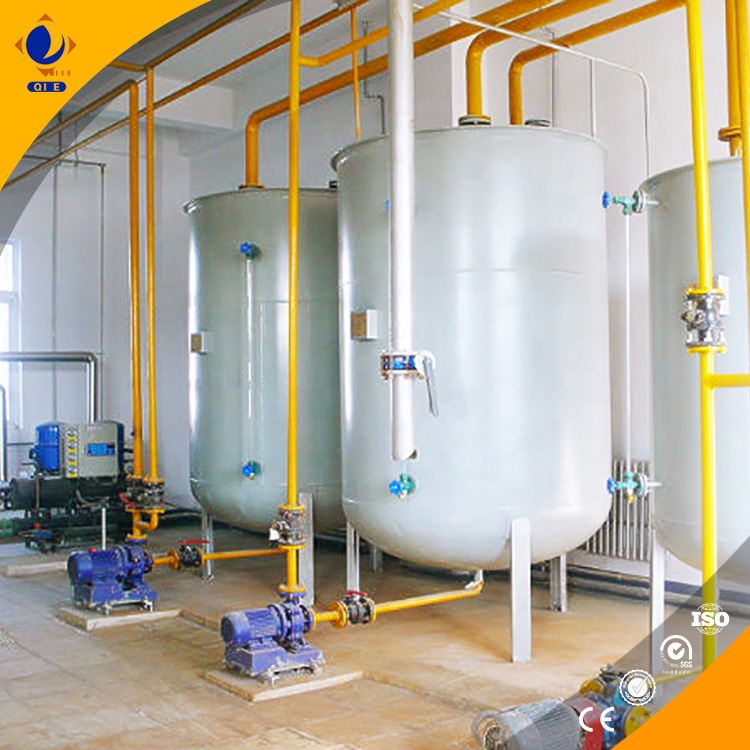
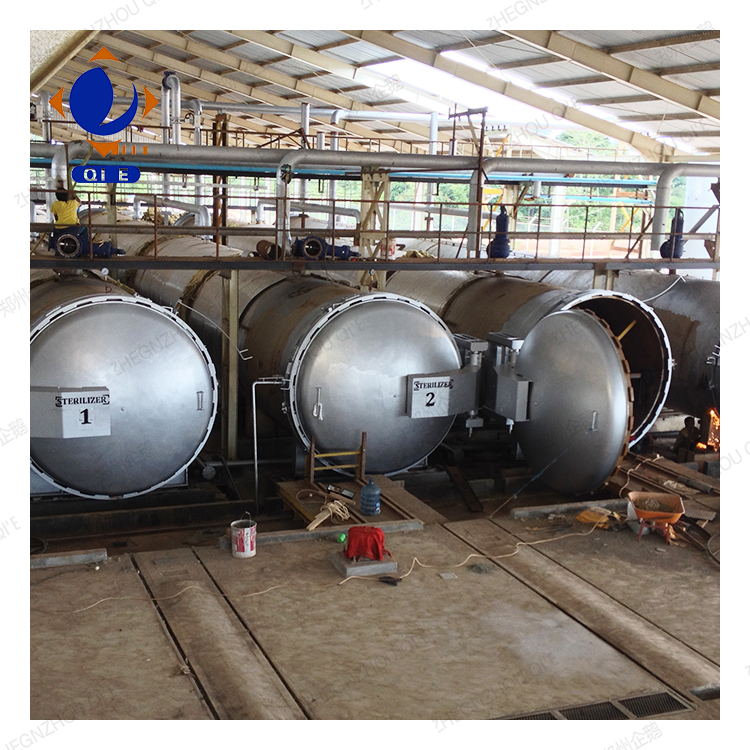
In palm oil refining, uptime is a profitability metric—not a “nice-to-have.” Deodorization, neutralization, bleaching, and heat-recovery loops typically run 24/7, and even minor mis-sizing of a motor, pump, or bearing can quietly translate into higher energy draw, vibration, seal failures, and unplanned shutdowns. This technical guide focuses on palm oil refining equipment core component selection—with practical targets for palm oil motor selection, high-temperature pump materials, and bearing anti-fatigue technology, plus a maintenance framework that upgrades plants from manual checks to PLC data monitoring and early warning.
Audience: engineering managers, maintenance leads, and procurement decision-makers responsible for high-efficiency palm oil refining equipment, reliability, and lifecycle cost control.
A common root cause behind repeated failures is “component-first purchasing”—choosing a pump or motor model before confirming the real duty envelope. A rigorous selection starts by documenting these operating facts:
| Parameter | Why it matters | Typical palm oil refining range (reference) |
|---|---|---|
| Fluid temperature | Viscosity, seal life, bearing lubrication margin | 60–110°C (process loops), up to 240°C (thermal oil / deodorization utilities) |
| Continuous duty | Thermal rise, fatigue cycles, grease/ oil selection | 24/7, planned stops every 3–8 weeks |
| NPSH margin | Cavitation risk and impeller erosion | Aim NPSHa ≥ NPSHr + 1.0 m (more if hot) |
| Solids/ soaps/ bleaching earth carryover | Wear, clogging, seal face scoring | Trace-to-moderate; worst during upsets/ CIP |
| Cleaning chemicals | Elastomer compatibility, corrosion | Caustic, hot water/steam, mild acids (site-specific) |
Reference ranges vary by plant design; validate with actual instrument data and process guarantees.
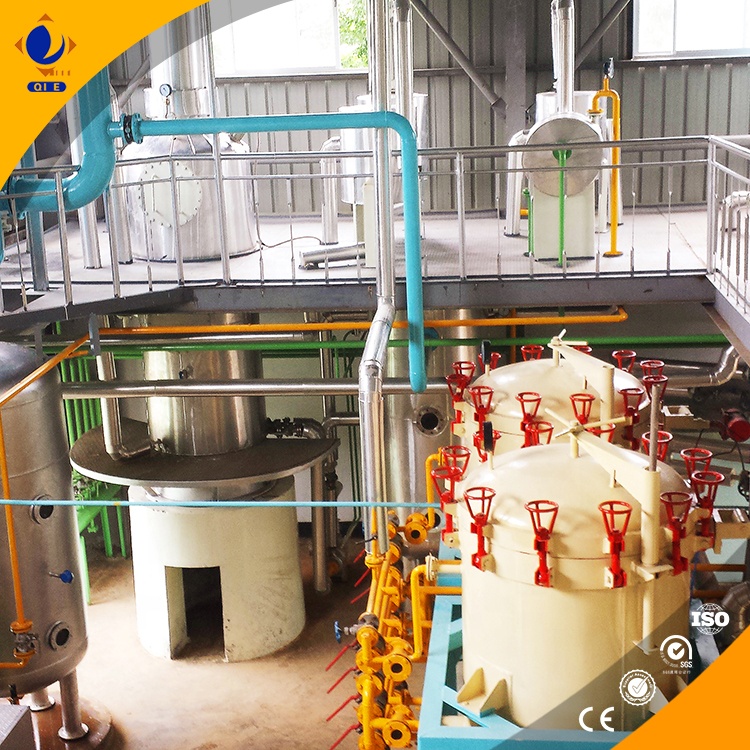
For palm oil refining lines, motors often fail “indirectly”—not because of nameplate power, but because of thermal stress, poor ventilation, and torque spikes during viscosity shifts, filter loading, or startup with cold oil. A robust palm oil motor selection should specify duty class and insulation system first, then size the motor with realistic operating margins.
Procurement note: motor “sameness” across suppliers is often overstated. For a reliable comparison, request a dossier including efficiency curve, temperature rise test, bearing specification, and VFD duty statement—not just catalog pages.
A pump in palm oil service faces a three-way constraint: temperature-driven viscosity shifts, intermittent solids/soaps, and the reality of suction conditions. When failures repeat (seal leakage, noise, impeller damage), the fix is rarely “a better seal only.” It is usually a system-level correction: NPSH margin, correct pump type, and high-temperature pump material matched to both oil and cleaning chemistry.
| Process condition | Recommended pump approach | Reliability focus |
|---|---|---|
| Hot palm oil transfer (stable viscosity) | Centrifugal pump with appropriate impeller trim | NPSH margin, shaft alignment, seal plan |
| Higher viscosity / lower speed requirement | Positive displacement (gear/screw) where suitable | Relief valve, shear sensitivity, bearing load |
| Trace solids/soap carryover risk | Wear-tolerant clearances; strainers upstream as needed | Seal face protection, erosion control |
| Cleaning/CIP chemical exposure | Material + elastomer compatibility review | Corrosion resistance, swelling risk |
For energy control, many plants gain measurable savings by correcting “hidden oversizing.” A pump running far from its best efficiency region can waste power as heat and vibration. As a reference, aligning duty near the efficiency sweet spot can often yield 5–15% pumping energy reduction, depending on how severe the mismatch was.
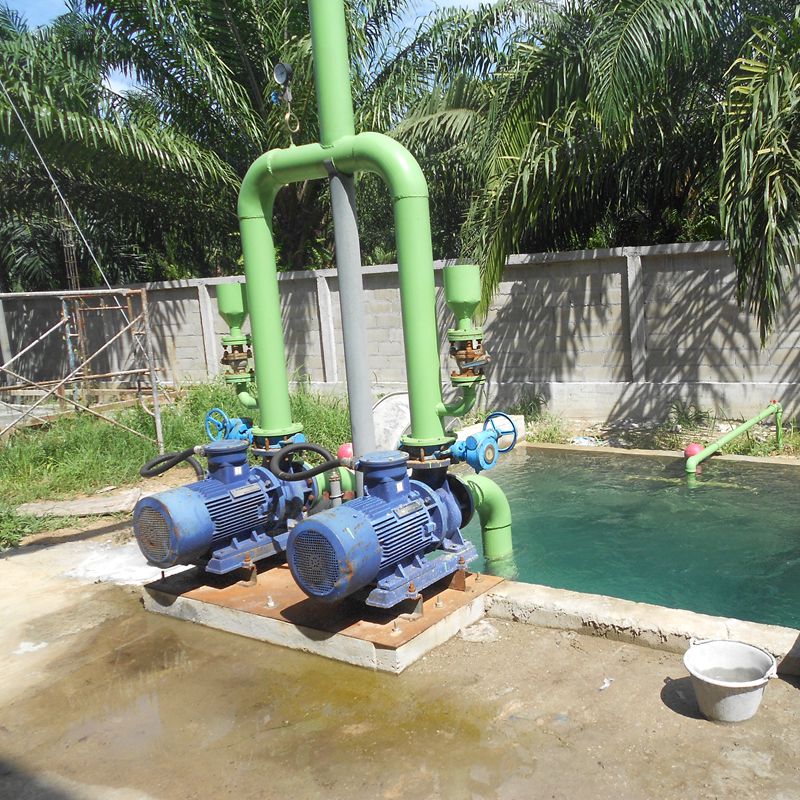
Bearings don’t “randomly” fail in continuous refining duty. Most bearing damage patterns point to heat, contamination, misalignment, or electrical discharge (when VFDs are used). Applying bearing anti-fatigue technology is less about exotic parts and more about controlling the conditions that create micro-pitting and early spalling.
For gearboxes, the same principles apply: oil cleanliness, correct viscosity at operating temperature, and alignment with driven equipment. A gearbox that runs “just a bit hot” often signals overloading or wrong lubricant selection rather than normal behavior.
Effective palm oil equipment troubleshooting reduces downtime by separating symptoms (noise, heat, leakage) from causes (cavitation, misalignment, poor lubrication, electrical issues). The following text flow is designed for shift-level decision support.
Start
 ├─ Symptom: Pump noise / gravel sound?
 │   ├─ Check suction pressure + temperature → NPSH margin low? → reduce speed / improve suction / raise level
 │   └─ Check strainer blockage / valve position → clean & verify fully open suction line
 ├─ Symptom: Seal leakage increased?
 │   ├─ Check shaft runout + alignment → correct coupling & base
 │   ├─ Check flush/plan (if any) + temperature → ensure adequate seal cooling/lubrication
 │   └─ Check solids carryover → improve filtration / housekeeping / startup procedure
 ├─ Symptom: Bearing temperature high?
 │   ├─ Check lubrication type/interval → correct grease/oil grade; avoid over-greasing
 │   ├─ Check vibration spectrum trend → misalignment/imbalance vs bearing defect
 │   └─ If VFD present → check shaft grounding / insulated bearing strategy
 └─ Symptom: Motor trips?
     ├─ Check current vs load → process blockage? viscosity spike? valve closed?
     ├─ Check ventilation + ambient temp → improve cooling path
     └─ Check VFD parameters → ramp, torque limits, harmonics
End
If a pump “sounds worse” after a seal change, the plant should suspect alignment and cavitation before blaming the new seal. A quick win is to re-check alignment at operating temperature and confirm suction head with actual transmitter readings.
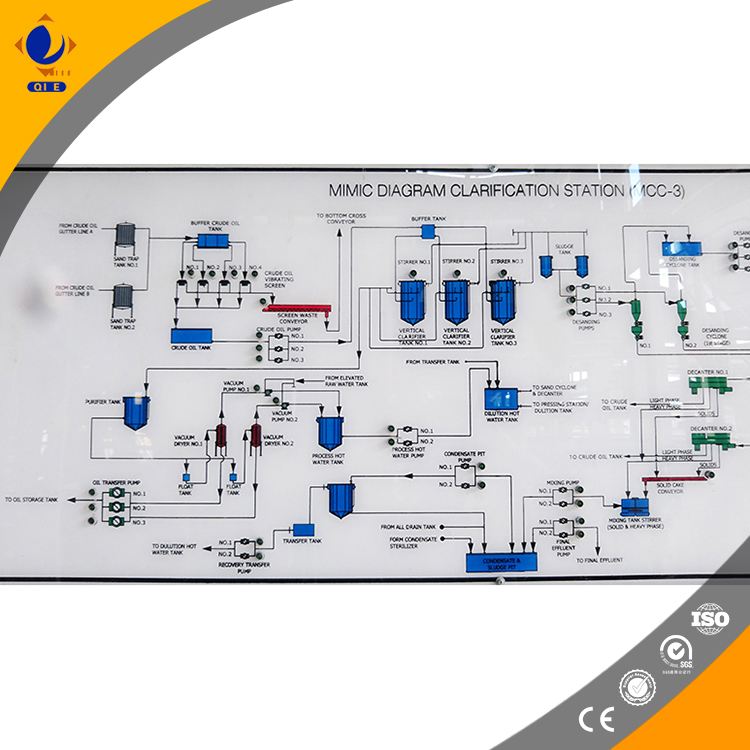
Plants that maintain reliability at scale rarely rely on “experience-only” judgment. They operationalize a lightweight health scoring model using existing signals: motor current, vibration, bearing temperature, suction/discharge pressures, and seal flush status. With PLC data monitoring, the goal is not to build a complex system—it is to create early-warning thresholds and standard responses.
| Signal | Normal band (site-tuned) | Early warning (trigger action) | Likely cause |
|---|---|---|---|
| Motor current | Stable within ±5% | Trend +10–15% over baseline | Viscosity increase, blockage, valve misposition |
| Bearing temperature | Stable trend | Rise of +8–12°C over normal | Lubrication issue, misalignment, contamination |
| Vibration (overall) | Low, repeatable pattern | Increase of 25–50% | Cavitation, imbalance, looseness |
| Suction pressure | Stable | Drop beyond process-normal | Strainer clogging, level low, suction restriction |
Thresholds must be tuned to each asset’s baseline. The value is in trending and response discipline.
When implemented well, this approach supports a measurable equipment life extension program: fewer emergency stoppages, fewer repeated seal/bearing replacements, and better planning of shutdown workpacks. Many plants report noticeable reductions in maintenance spend once chronic root causes are eliminated, especially where hot-oil pumping and high-speed drives dominate failure history.
For technical procurement, asking better questions is a competitive advantage. To avoid “apples vs oranges” proposals, buyers can request a consistent package that connects component design to reliability and energy performance—critical for energy-saving and emission-reduction mechanical equipment initiatives.
In practice, suppliers who can provide process-matched curves, materials rationale, and a commissioning plan are usually the ones who can support stable continuous operation—especially when the plant needs customized engineering rather than off-the-shelf substitutions. Penguin Group typically supports projects with configuration options for heat, viscosity range, and site utilities to help reduce preventable failures and optimize energy use.
Repeated early failures often trace back to insufficient NPSH margin at operating temperature, leading to cavitation, vibration, and seal damage. System checks (suction line losses, level, temperature, strainer condition) should be verified before changing components.
Not always. Many failures are dominated by lubrication quality, contamination, and misalignment. Upgrading bearing grade can help in specific cases, but the best ROI usually comes from fixing root causes and implementing condition trending (vibration/temperature).
Start with 4–6 tags per critical asset: motor current, bearing temperature, vibration overall (or periodic route-based vibration), suction/discharge pressure, and running hours. Establish a baseline, then apply simple trend alarms and standard response actions.
For plants targeting longer runtime, fewer seal/bearing incidents, and structured preventive maintenance, a component review can quickly uncover hidden oversizing, NPSH risks, and lubrication gaps. Penguin Group supports custom configuration, documentation, and after-sales reliability follow-up for continuous-duty palm oil refining.
Request a Technical Selection Sheet for Palm Oil Refining Equipment Core ComponentsRecommended input: process temperature profile, flow/head, suction layout, utilities, and preferred monitoring tags.
 70
|
70
|
 Palm kernel oil refining equipment
Small and medium-sized oil processing
Equipment purchase guide
Automated refining system
ISO9001 quality management
Palm kernel oil refining equipment
Small and medium-sized oil processing
Equipment purchase guide
Automated refining system
ISO9001 quality management
 252
|
palm oil refining process
palm oil decolorization
palm oil deodorization technology
palm oil refining control points
Qie Group palm oil solutions
252
|
palm oil refining process
palm oil decolorization
palm oil deodorization technology
palm oil refining control points
Qie Group palm oil solutions
 336
|
Palm oil refining equipment
Automatic control system
Data acquisition system
Quality traceability
Anomaly alarm
470
|
palm oil refining automation
PLC control system
quality traceability data acquisition
remote equipment maintenance
automation control technology trends
175
|
palm oil refining equipment
PLC control system
automated grain and oil machinery
intelligent monitoring system
food-grade production standards
336
|
Palm oil refining equipment
Automatic control system
Data acquisition system
Quality traceability
Anomaly alarm
470
|
palm oil refining automation
PLC control system
quality traceability data acquisition
remote equipment maintenance
automation control technology trends
175
|
palm oil refining equipment
PLC control system
automated grain and oil machinery
intelligent monitoring system
food-grade production standards