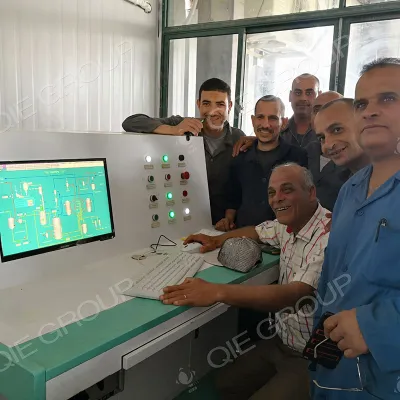
In today’s competitive palm oil refining industry, consistency, compliance, and speed are no longer optional—they’re non-negotiable. According to a 2023 report by Food Engineering Magazine, companies that adopted PLC-based automation systems saw an average 27% reduction in production downtime and a 19% improvement in batch quality consistency. These aren’t just numbers—they represent real-world gains for food-grade producers aiming to meet global standards.
Temperature, pressure, and flow rate—these three parameters form the core of any successful palm oil refining process. With modern PLC control systems, refineries can now monitor these variables continuously with sub-second latency. For example, if a heat exchanger shows a sudden drop in temperature (e.g., below 95°C), the system automatically adjusts steam input while logging the event. This prevents off-spec batches before they happen—a critical advantage when dealing with edible oils used in infant formula or bakery products.
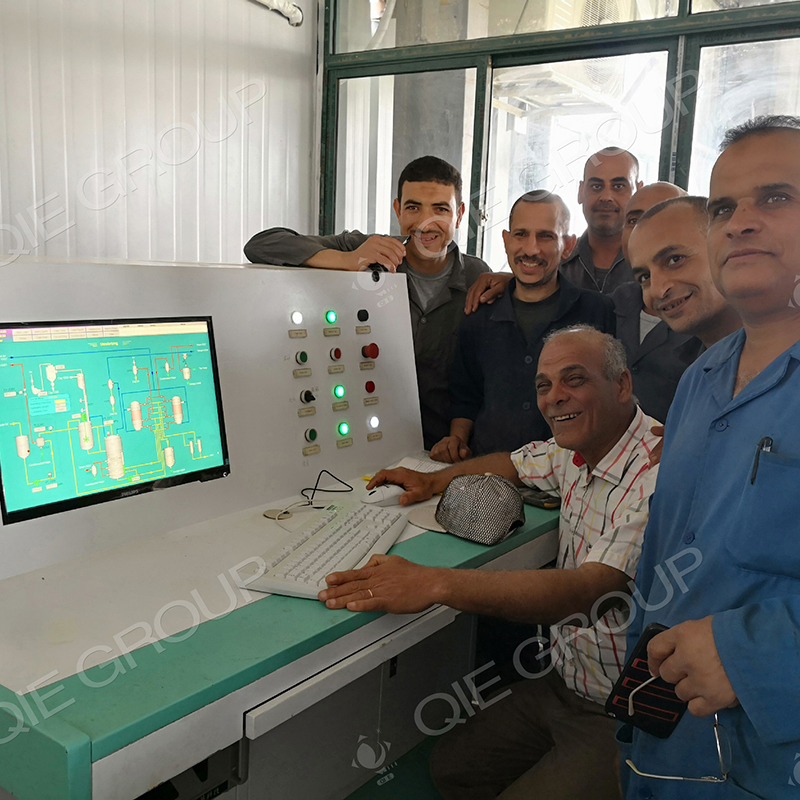
Even the best systems generate alerts—but what matters is how quickly operators respond. A study across Southeast Asian refineries found that engineers who understood common alarm codes like “E01” (temperature sensor failure) or “P05” (pressure valve jam) reduced mean time to repair (MTTR) by up to 40%. One case in Malaysia involved a recurring “F03” error (flow imbalance in deodorizer). By recalibrating the mass flow meter and adding a backup sensor, the team eliminated false positives entirely—a win for both uptime and product safety.
Today’s smart systems go beyond monitoring—they record every parameter per batch. In Europe, where traceability laws are strict under EFSA guidelines, this means you can instantly pull up logs for any given drum of refined palm oil. Whether it's a customer inquiry about solvent residue levels or a regulatory audit, having clean, timestamped data isn't just helpful—it's mandatory.
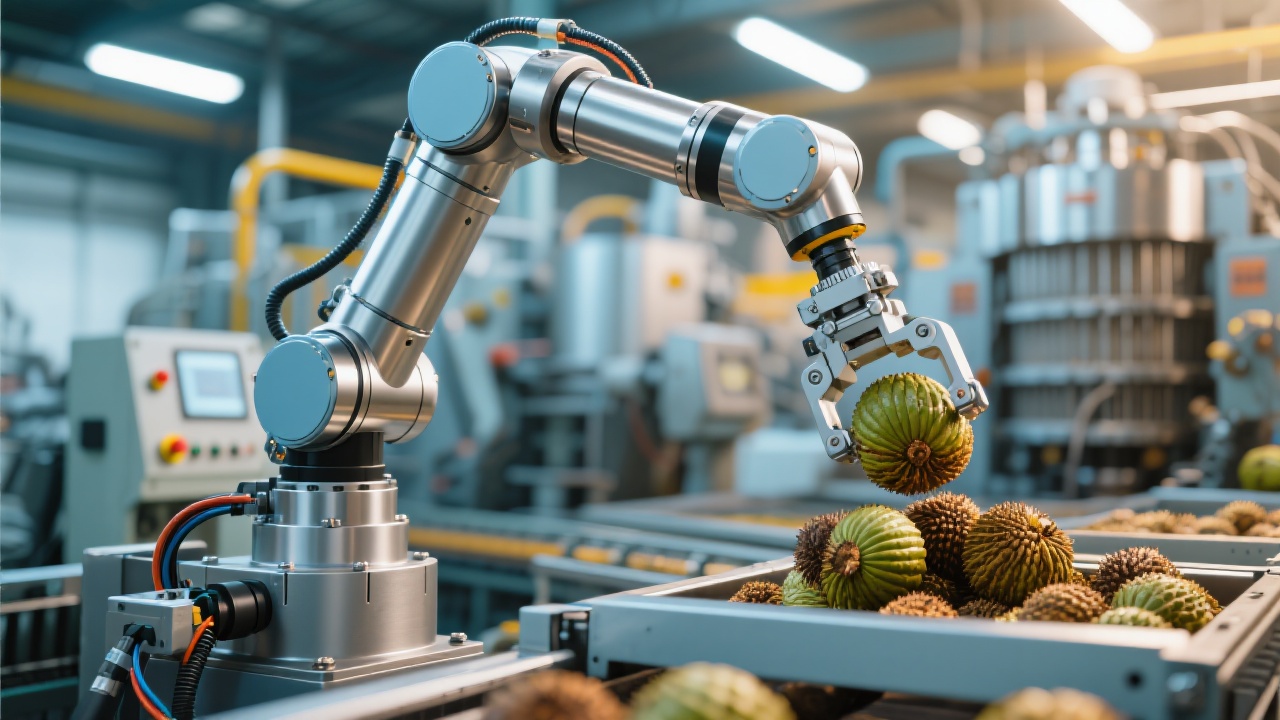
With remote access enabled via secure cloud platforms, engineers can diagnose issues without leaving their offices—even during holidays. In Indonesia, one facility cut maintenance costs by 33% after implementing remote diagnostics. Operators simply log into a web-based interface, run diagnostic scripts, and receive push notifications when anomalies occur. It’s not magic—it’s smart engineering.
The future isn’t just automated—it’s predictive. Early adopters using AI-driven tools (like those powered by TensorFlow or Azure ML) are already forecasting equipment wear and tear based on vibration patterns and thermal imaging. Expect more integration with IoT devices, edge computing, and even blockchain for end-to-end transparency in the next 2–3 years.
Explore our full range of automated control solutions designed specifically for edible oil plants—from PLC systems to remote monitoring dashboards.
Get Free Technical Consultation Now →