The palm oil refining industry faces increasing pressure to maintain high throughput while ensuring product quality and operational stability. For facilities processing between 1 and 2000 tons per day, the integration of advanced automation controls combined with multi-stage process optimization is critical to maximize output and minimize waste. This article delves into the technical mechanisms behind stable, high-efficiency operation of palm oil refining equipment, focusing on key parameters, energy consumption, and common operational pitfalls that affect yield and equipment longevity.
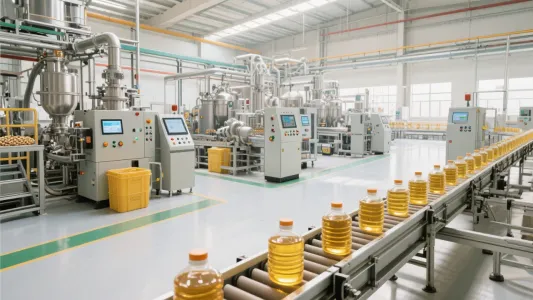
Modern palm oil refining plants leverage automation systems to balance flexibility with operational reliability. Automated monitoring adjusts critical parameters dynamically, ensuring that variations in feedstock quality or environmental factors do not compromise process consistency. Stability in parameters such as steam consumption, chemical dosing, and temperature control can improve oil yield by up to 1.5%-2%, significantly impacting profitability.
For example, steam usage is a key factor; maintaining a controlled dosage around 450 kg of steam per ton of oil optimizes deodorization without excessive energy costs. Similarly, phosphoric acid dosing at a precise 2 to 3 kg per ton during the degumming stage prevents residual gums that can degrade refined oil quality. Such fine-tuning is only achievable with robust process control systems integrated across the refining line.
Palm oil refining primarily involves three key stages: cold or hot pressing, bleaching (decolorization), and deodorization. Optimization challenges vary with scale and raw material characteristics, making customized parameter settings critical.
Pressing Stage: Cold pressing typically favors higher oil quality with minimal heat, suitable for niche, low-volume production, while hot pressing increases yield for large-scale operations but demands precise temperature control to prevent free fatty acid formation.
Bleaching (Decolorization): Active removal of pigments and impurities is achieved by controlled use of bleaching earth. Monitoring the spent bleaching earth (waste) content is vital — keeping waste below 35% of initial bleaching earth weight reduces disposal costs and environmental impact.
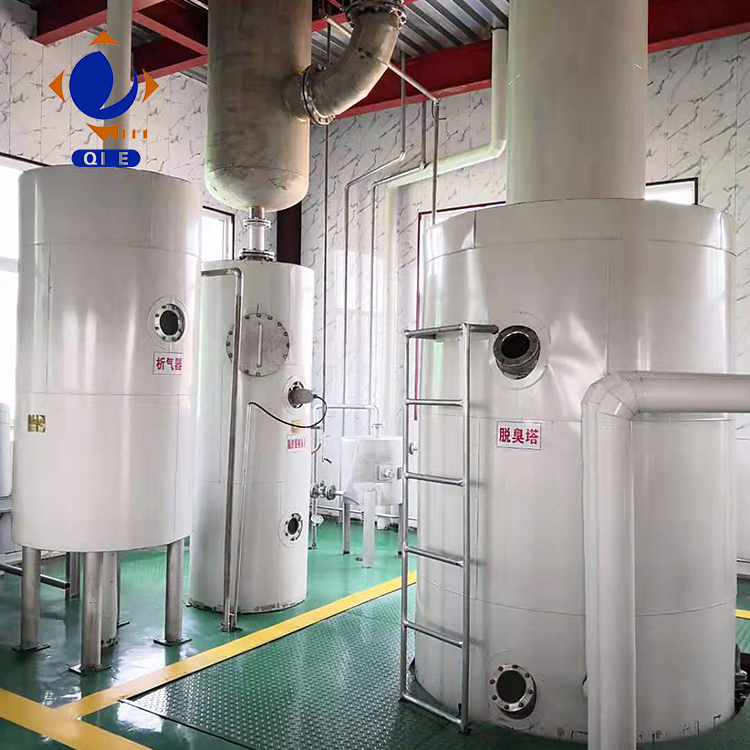
Deodorization: The final step removes odors and volatile components through steam distillation at controlled temperatures. Maintaining precise steam input and treatment time ensures product purity while minimizing oil losses.
Equipment design and process parameters require adjustment when scaling between small (<10 T/d), medium (10-500 T/d), and large (>500 T/d) capacities. For instance, automated feedback controls become increasingly important at capacities above 200 T/d to regulate feed rates and chemical dosages in real time.
A practical case involves a 1000 T/d refinery that integrated a PLC-based control system to modulate phosphoric acid dosage and steam supply based on oil quality sensors. This intervention led to an increase in refined oil yield from 97% to 98.5% and a reduction in energy consumption by approximately 7% over six months.
Steam and electrical consumption typically represent over 60% of operational costs in palm oil refining plants. Strategic optimization, such as reducing steam consumption to targeted thresholds or using energy recovery systems, can lower expenses substantially without compromising quality.
Preventive maintenance directly supports high equipment uptime and product consistency. Common errors include ignoring filter changes or improper cleaning schedules that lead to fouling. Fouled heat exchangers, for example, decrease thermal efficiency, causing fluctuations in process temperature and reducing product quality.
Industry-experienced operators highlight frequent mistakes such as excessive phosphoric acid dosing, unregulated steam surges, and inadequate bleaching earth monitoring. These errors not only hamper oil yield but also accelerate wear on key components like pumps and separators.
"Automation systems should be complemented with operator training programs that emphasize process parameter understanding. This dual approach significantly reduces variability and boosts operational excellence." – Senior Process Engineer, Global Refining Services
Successful clients integrating these strategies report increased production stability with refined oil yields consistently above 98% and significantly lowered downtime. This optimization not only improves profitability but also aligns with industry sustainability goals by reducing waste and energy usage.
 333
|
333
|
 ["crude palm oil refining equipment"
"palm oil processing technology"
"PLC automation system"
"energy-efficient oil refining equipment"
"palm oil production line"]
["crude palm oil refining equipment"
"palm oil processing technology"
"PLC automation system"
"energy-efficient oil refining equipment"
"palm oil production line"]
 312
|
["palm crude oil refining equipment"
"automatic PLC control system"
"energy-efficient oil refining technology"
"palm oil processing machinery"
"advanced palm oil refining solutions"]
312
|
["palm crude oil refining equipment"
"automatic PLC control system"
"energy-efficient oil refining technology"
"palm oil processing machinery"
"advanced palm oil refining solutions"]
 431
|
palm kernel oil extraction equipment
PLC control system for oil processing
automated oil refining technology
solvent recovery optimization
industrial automation in food processing
431
|
palm kernel oil extraction equipment
PLC control system for oil processing
automated oil refining technology
solvent recovery optimization
industrial automation in food processing
 287
|
palm crude oil refining equipment
fully automatic PLC control
energy-efficient palm oil machinery
advanced oil refining technology
eco-friendly palm oil processing
287
|
palm crude oil refining equipment
fully automatic PLC control
energy-efficient palm oil machinery
advanced oil refining technology
eco-friendly palm oil processing
 53
|
PLC control palm oil pressing
automated oil extraction systems
palm oil production optimization
temperature and pressure regulation in oil pressing
smart palm oil processing technology
53
|
PLC control palm oil pressing
automated oil extraction systems
palm oil production optimization
temperature and pressure regulation in oil pressing
smart palm oil processing technology