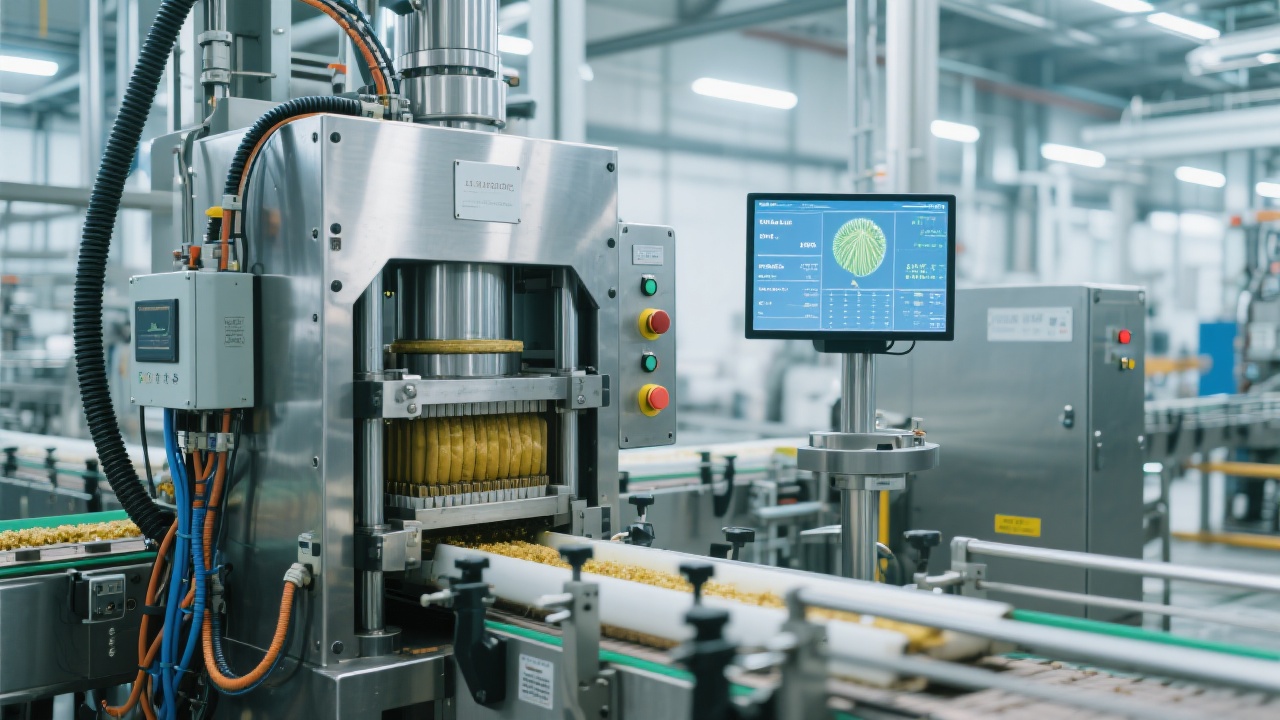
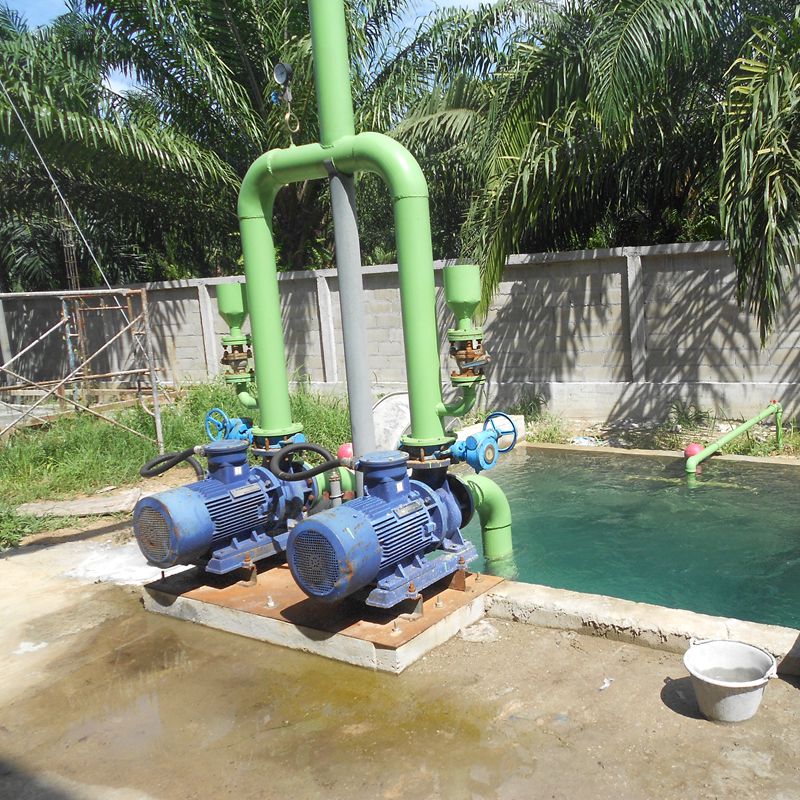
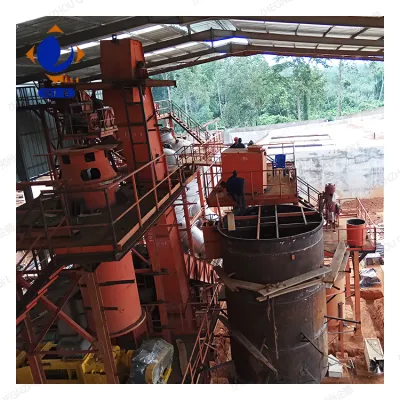
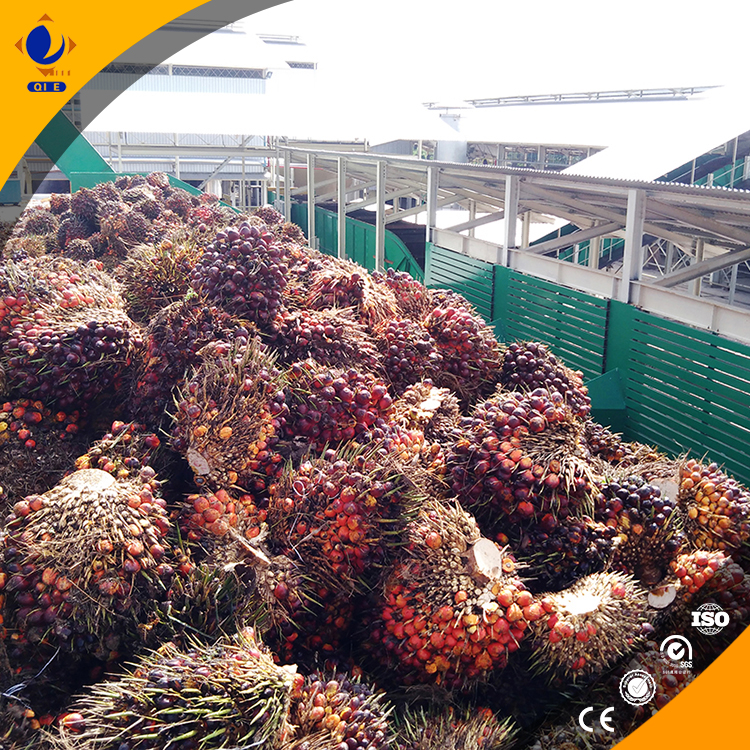
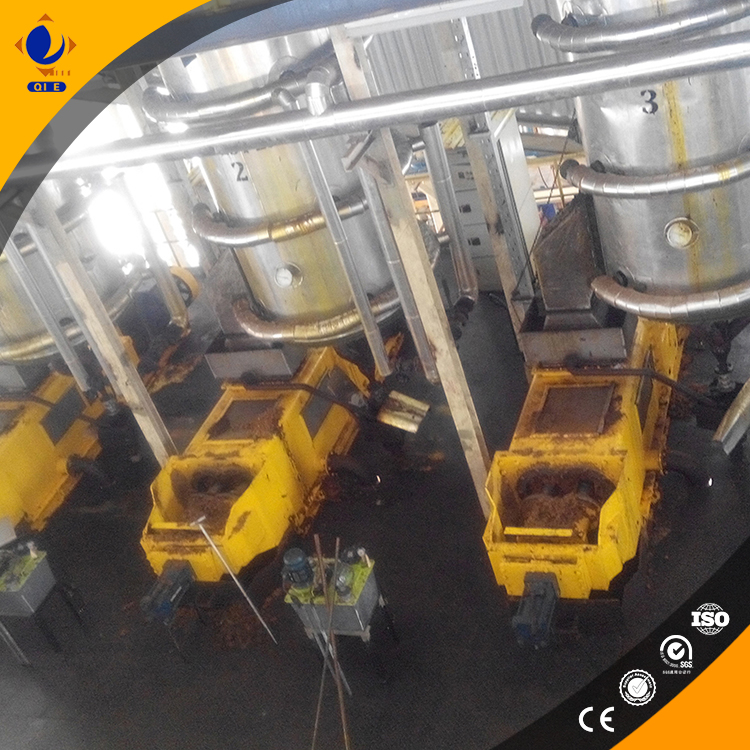
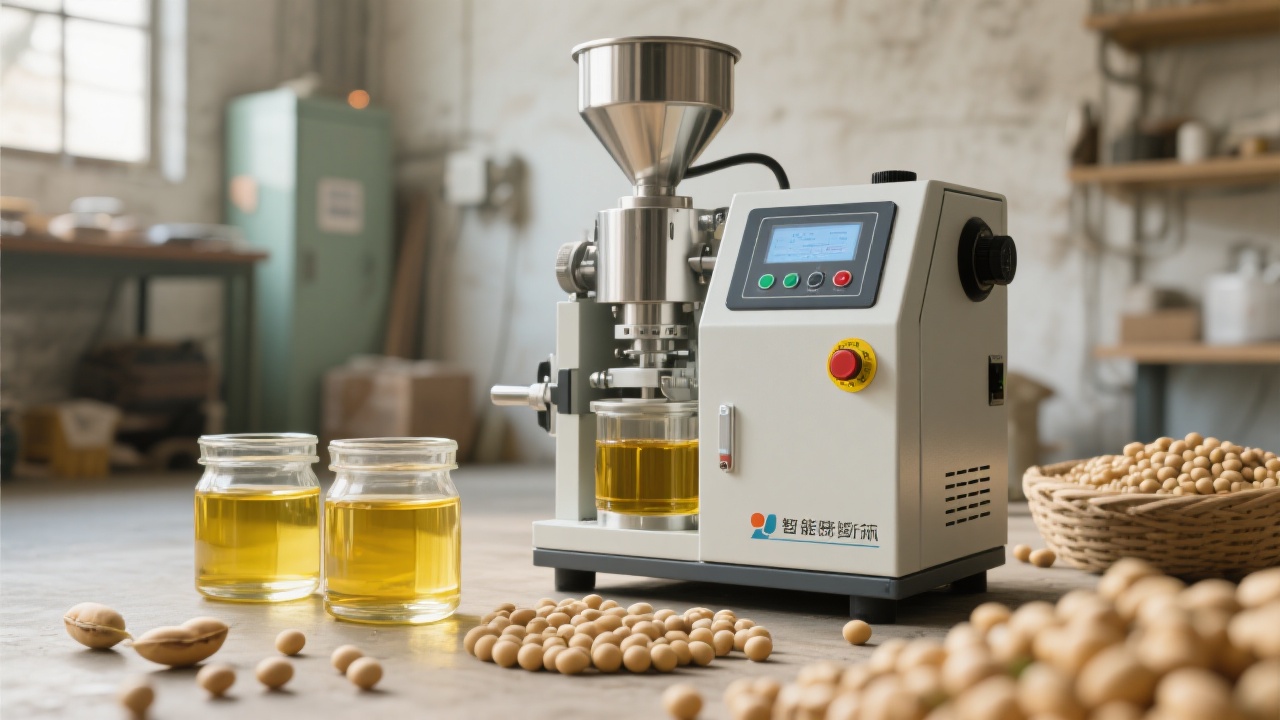
In the realm of palm oil refining, the automation control system has emerged as a game - changer, revolutionizing the production process. This article delves deep into the application of key technologies in the automation control system during the palm oil refining process, with a particular focus on the PLC (Programmable Logic Controller) technology.
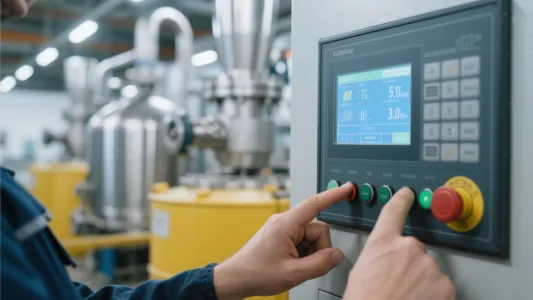
The design concept of the PLC core function module is at the heart of the automation control system in palm oil refining. It plays a crucial role in monitoring and regulating temperature, pressure, and flow. For example, in a typical palm oil refining plant, the temperature needs to be maintained within a range of 120 - 150 degrees Celsius for optimal refining. The PLC module continuously monitors the temperature and adjusts the heating or cooling system accordingly. Similarly, the pressure should be kept at around 2 - 3 bar, and the PLC can precisely control the valves to maintain this pressure.
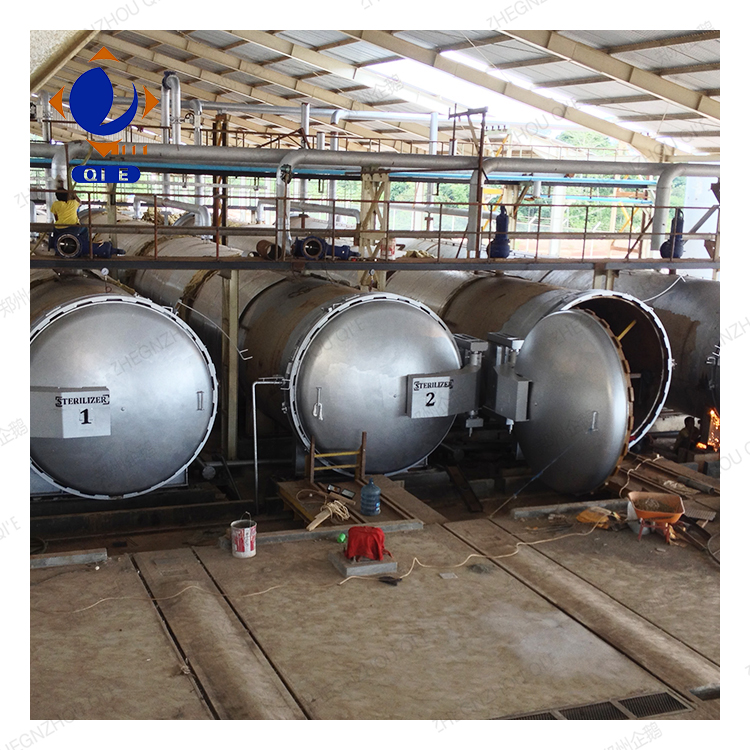
In terms of flow monitoring, the PLC can measure the flow rate of palm oil through pipes. If the flow rate deviates from the set value, it can adjust the pumps to ensure a stable flow, which is essential for the continuous and efficient operation of the refining process.
Based on the practical experience of front - line engineers, there are some valuable debugging skills. For instance, during the initial commissioning of the system, it is important to calibrate the sensors accurately. A slight error in sensor calibration can lead to significant deviations in temperature, pressure, and flow readings. Moreover, understanding the common alarm codes is vital for quick troubleshooting. For example, an alarm code indicating high temperature might be caused by a malfunctioning heating element or a blocked cooling pipe. By referring to the alarm code manual and following the correct procedures, engineers can quickly identify and solve the problem.
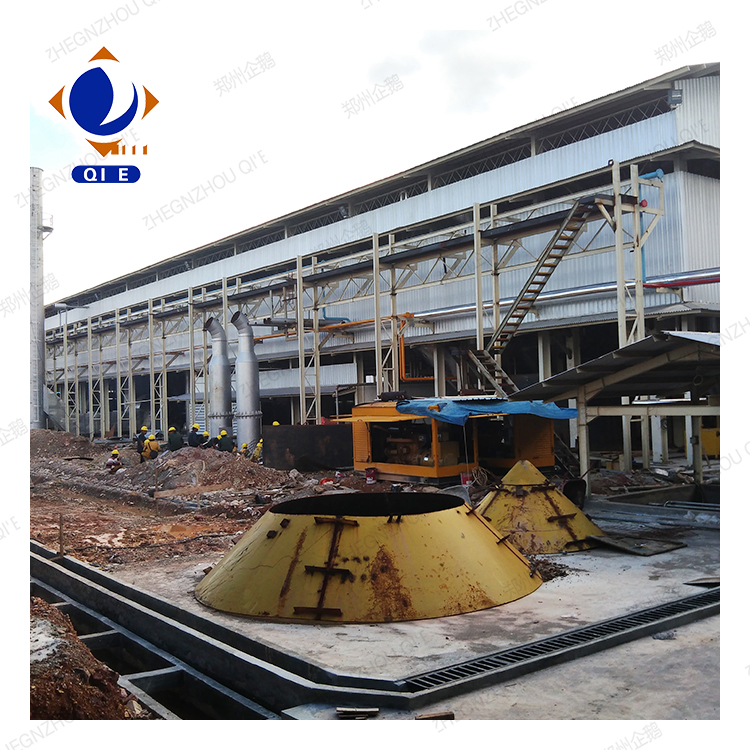
Here is a table showing some common alarm codes and their possible causes:
| Alarm Code | Possible Cause |
|---|---|
| AL01 | High temperature |
| AL02 | Low pressure |
| AL03 | Abnormal flow rate |
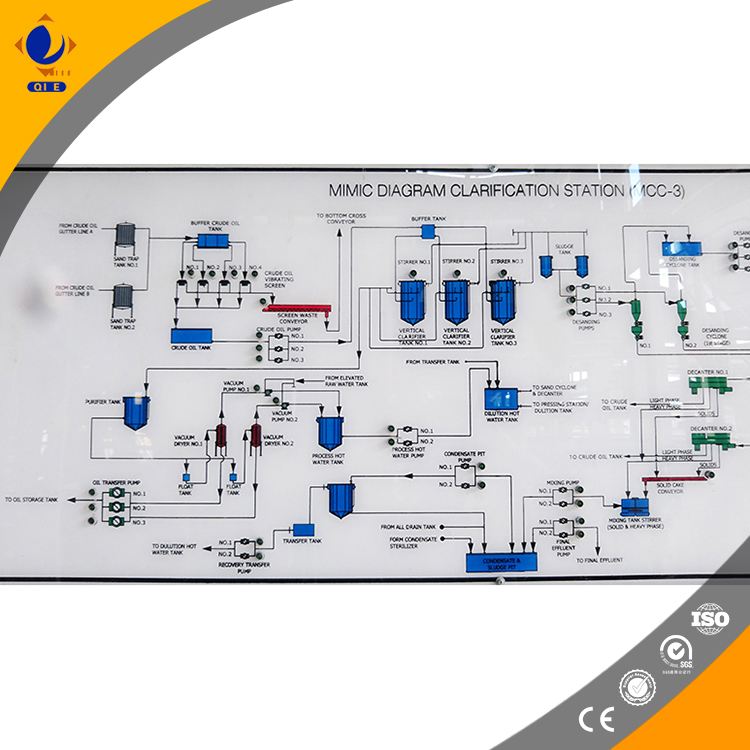
The data acquisition system is an indispensable part of the palm oil refining automation control system. It collects real - time data on temperature, pressure, flow, and other parameters. This data is not only used for the immediate control of the refining process but also for quality traceability. In case of any quality issues in the final palm oil product, the data can be traced back to identify the source of the problem, such as a specific batch where the temperature or pressure was abnormal.
Moreover, the data acquisition system is crucial for abnormal alarm. When the monitored parameters exceed the set limits, it can immediately send out an alarm, ensuring that the operators can take timely measures to prevent any potential quality or safety problems. This is in line with the strict food - grade safety standards in the palm oil industry.
Remote monitoring and maintenance technology has brought significant advantages to the palm oil refining industry. With this technology, engineers can monitor the operation of the equipment from anywhere in the world. They can check the real - time parameters, such as temperature, pressure, and flow, and even perform some basic maintenance tasks remotely. For example, if an abnormal alarm is triggered, the engineer can remotely access the system, analyze the data, and make adjustments to the control parameters, reducing the downtime of the equipment.
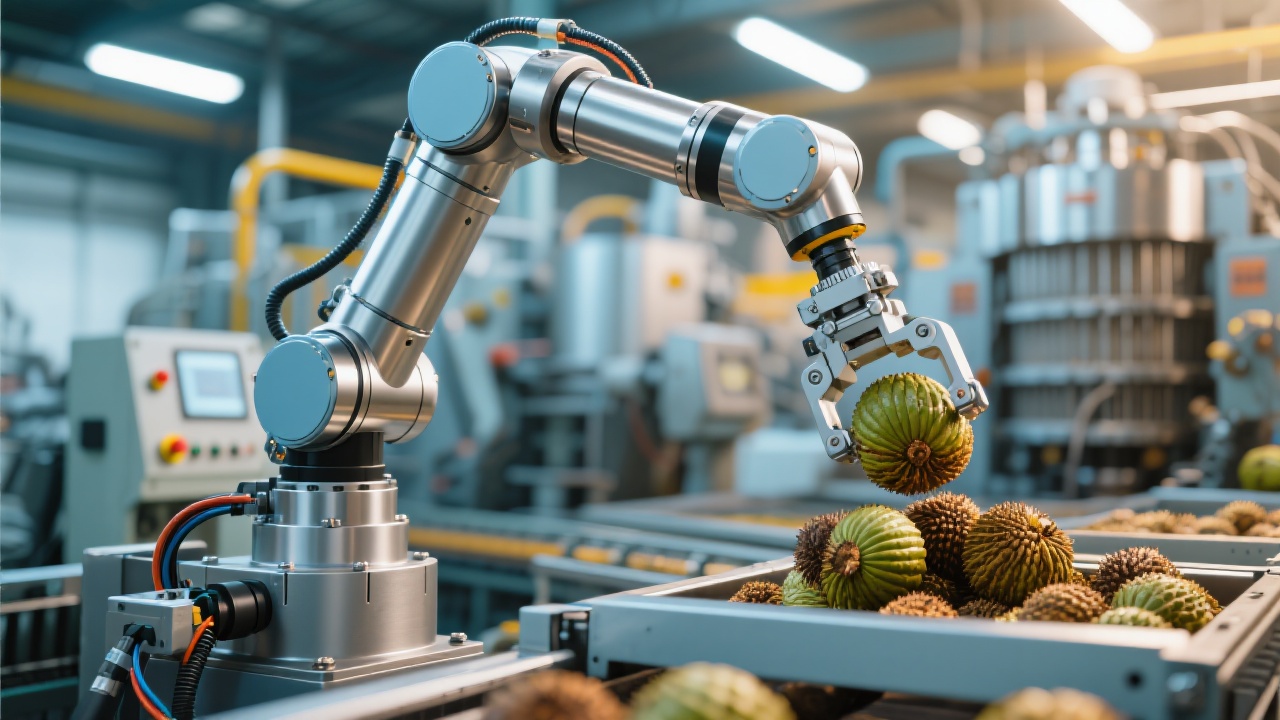
This technology also improves the maintenance efficiency. By predicting potential failures based on the historical data and real - time monitoring, the maintenance team can plan the maintenance work in advance, replacing the worn - out parts before they cause a breakdown.
Looking ahead, the palm oil refining industry is expected to see more advancements in automation control technology. For example, the integration of artificial intelligence and machine learning algorithms can further optimize the control process, making it more intelligent and self - adaptive. The use of more advanced sensors and communication technologies will also enhance the accuracy and reliability of the system.
If you are interested in learning more about our palm oil refining automation control systems and getting professional technical support, click here to visit our website.
 462
|
462
|
 palm kernel oil production equipment maintenance
palm kernel oil extraction equipment保养
industrial oil processing equipment lifespan extension
automated oil refining line operation
solvent recovery optimization
palm kernel oil production equipment maintenance
palm kernel oil extraction equipment保养
industrial oil processing equipment lifespan extension
automated oil refining line operation
solvent recovery optimization
 201
|
Palm Kernel Oil Automation
PLC Control Systems
Intelligent Adjustment Technology
Production Line Stability
Palm Kernel Oil Extraction Equipment
201
|
Palm Kernel Oil Automation
PLC Control Systems
Intelligent Adjustment Technology
Production Line Stability
Palm Kernel Oil Extraction Equipment
 464
|
Palm kernel oil equipment installation specifications
Palm kernel oil extraction equipment selection
Refining equipment safety standards
Oil processing equipment commissioning
Automated oil mill construction guide
464
|
Palm kernel oil equipment installation specifications
Palm kernel oil extraction equipment selection
Refining equipment safety standards
Oil processing equipment commissioning
Automated oil mill construction guide
 86
|
eco-friendly palm kernel oil extraction equipment
low solvent consumption oil press
energy-efficient oil processing technology
green transformation in palm oil industry
sustainable edible oil production
86
|
eco-friendly palm kernel oil extraction equipment
low solvent consumption oil press
energy-efficient oil processing technology
green transformation in palm oil industry
sustainable edible oil production
 397
|
palm oil refining equipment
efficient processing solutions
automated control systems
397
|
palm oil refining equipment
efficient processing solutions
automated control systems