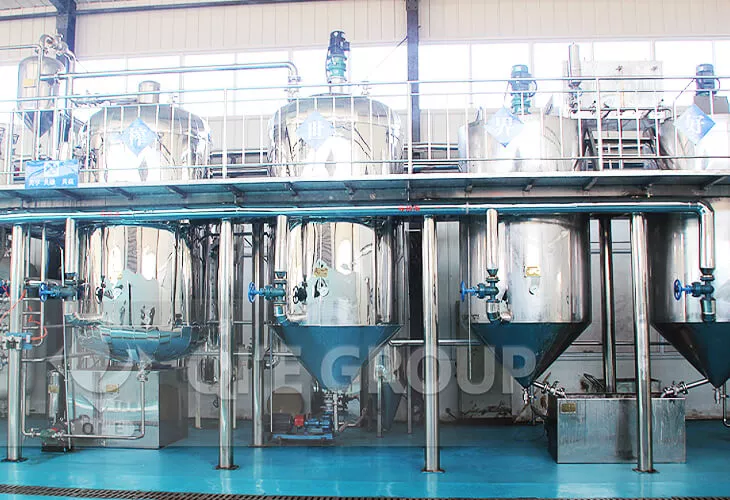
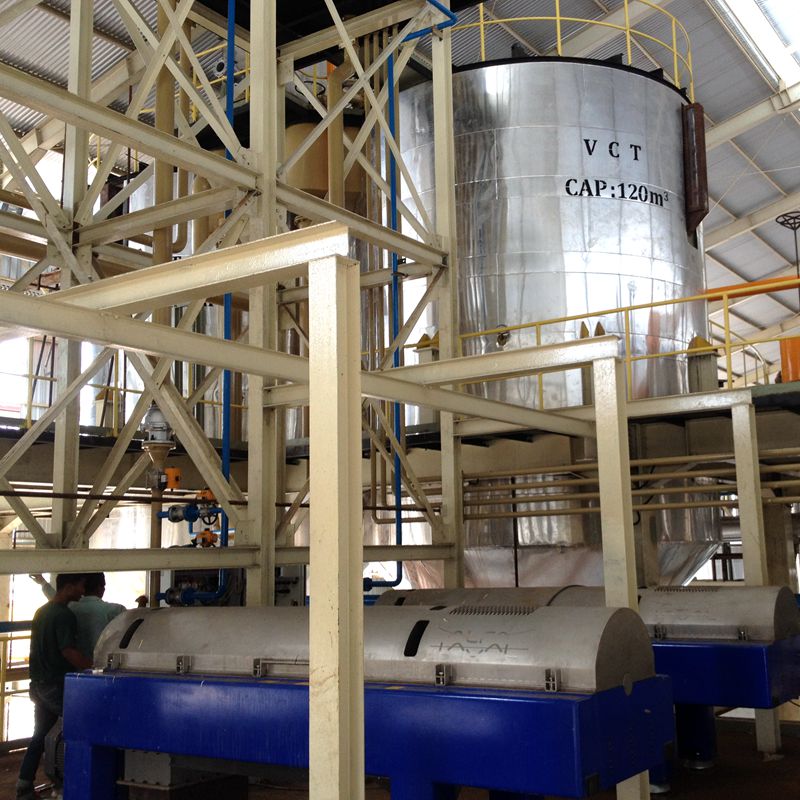
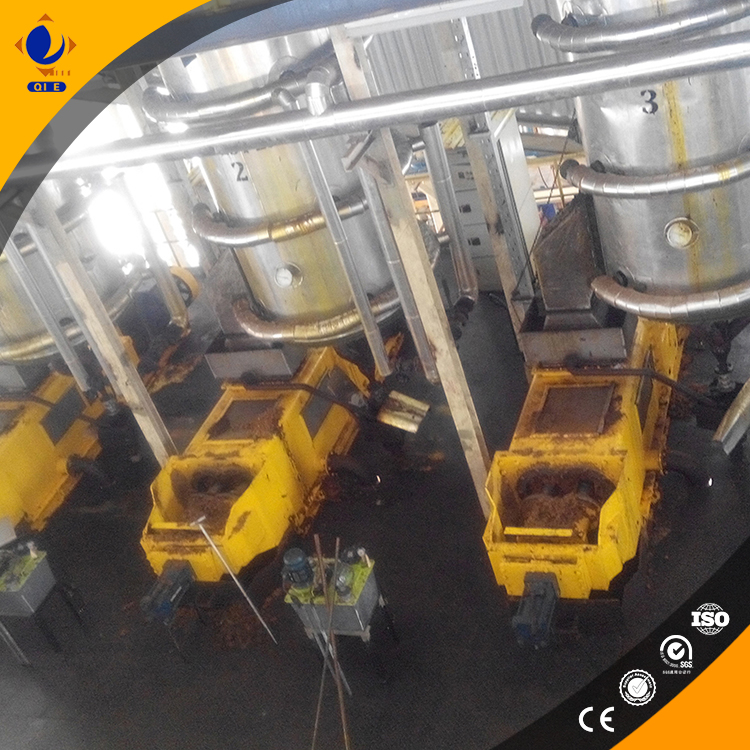
In the palm oil refining industry, automation control systems have become an indispensable part, playing a crucial role in ensuring product quality and production efficiency. Among them, the PLC control system is at the heart of this automation process.
The PLC control system can intelligently monitor and adjust parameters such as temperature, pressure, and flow. For example, it can precisely control the temperature during the refining process. According to industry data, maintaining the temperature within a specific range (e.g., 50 - 60 degrees Celsius) can significantly improve the quality of refined palm oil. By continuously monitoring the temperature and making real - time adjustments, the PLC system ensures that the product quality remains stable.
The PLC control system uses advanced sensors to collect data on temperature, pressure, and flow. These sensors are installed at key points in the refining equipment. Once the data is collected, the PLC system processes it and makes corresponding adjustments. For instance, if the pressure in a certain part of the equipment exceeds the set value, the system will automatically adjust the valves to reduce the pressure, achieving a linkage adjustment function.
Let's take a real - world example. A palm oil refining plant in Malaysia was facing problems with inconsistent product quality due to unstable temperature and pressure. After installing a high - performance PLC control system, the plant was able to reduce the quality fluctuation rate by 30% within a month, greatly improving the overall production efficiency.
一线工程师在调试过程中积累了丰富的经验。他们对常见的报警代码有深入的了解。 For example, an alarm code related to temperature might indicate a problem with the temperature sensor or a malfunction in the heating or cooling system. By referring to the alarm code manual and using their practical experience, engineers can quickly locate the problem. In one case, an engineer was able to solve a temperature - related problem within 2 hours by following the alarm code guidance, minimizing the production downtime.
These troubleshooting experiences are not only valuable for on - site maintenance but also for training new engineers. By sharing these experiences, the entire industry can improve its problem - solving ability.
The data acquisition system is another important part of the palm oil refining automation process. It can record all the production data, including temperature, pressure, flow, and production time. This data is crucial for production batch management. For example, if a batch of palm oil has quality issues, the data acquisition system can quickly trace back to the production process, identify the possible causes, and take corresponding measures.
In addition, the data acquisition system can also send out real - time alarms when abnormal data is detected. This helps to prevent potential quality problems and ensures that the production meets the food - grade standards. According to statistics, plants using a data acquisition system have reduced the rate of sub - standard products by 20%.
With the development of technology, remote monitoring and maintenance technology has become an important trend in the palm oil refining industry. Through the Internet, technicians can remotely monitor the operation of the equipment, check the production data, and even perform maintenance tasks. This not only saves time and cost but also ensures the continuous and stable operation of the equipment.
For example, a palm oil refinery in Indonesia was able to solve a minor equipment problem remotely, avoiding a long - distance travel of technicians and reducing the production interruption time.
The future of automation control technology in palm oil refining is very promising. With the continuous development of artificial intelligence and the Internet of Things, we can expect more intelligent and efficient control systems. For example, AI - based algorithms can be used to predict potential problems in advance, further improving the reliability of the equipment.
As the industry continues to evolve, companies need to keep up with the latest technological trends to stay competitive. By investing in advanced automation control systems, palm oil refining companies can improve their production efficiency, reduce costs, and meet the growing market demand.
If you want to learn more about our palm oil refining equipment and advanced automation control technology, please visit our official website CTA - URL for more information and technical support.

 423
|
423
|
 palm oil refining equipment
energy - saving and environmental - friendly design
palm oil processing
fully - automatic PLC control
palm oil refining technology
palm oil refining equipment
energy - saving and environmental - friendly design
palm oil processing
fully - automatic PLC control
palm oil refining technology
 395
|
palm oil press machine energy efficiency
ISO 9001 impact on oil press stability
export-grade palm oil processing
energy optimization in oil extraction
efficient palm oil production technology
395
|
palm oil press machine energy efficiency
ISO 9001 impact on oil press stability
export-grade palm oil processing
energy optimization in oil extraction
efficient palm oil production technology
 287
|
Energy-efficient and environmentally friendly crude palm oil refining equipment
Fully automated PLC control system
Palm oil processing machinery
Industrial energy-saving technologies
High-efficiency refining processes
287
|
Energy-efficient and environmentally friendly crude palm oil refining equipment
Fully automated PLC control system
Palm oil processing machinery
Industrial energy-saving technologies
High-efficiency refining processes
 400
|
efficient palm oil refining equipment
palm oil processing companies
production challenges resolution
equipment features
business benefit enhancement
actual usage case studies
400
|
efficient palm oil refining equipment
palm oil processing companies
production challenges resolution
equipment features
business benefit enhancement
actual usage case studies
 264
|
palm oil extraction efficiency
304 stainless steel oil press
palm oil processing optimization
efficient palm oil plant
palm fruit bunch vs kernel processing
264
|
palm oil extraction efficiency
304 stainless steel oil press
palm oil processing optimization
efficient palm oil plant
palm fruit bunch vs kernel processing