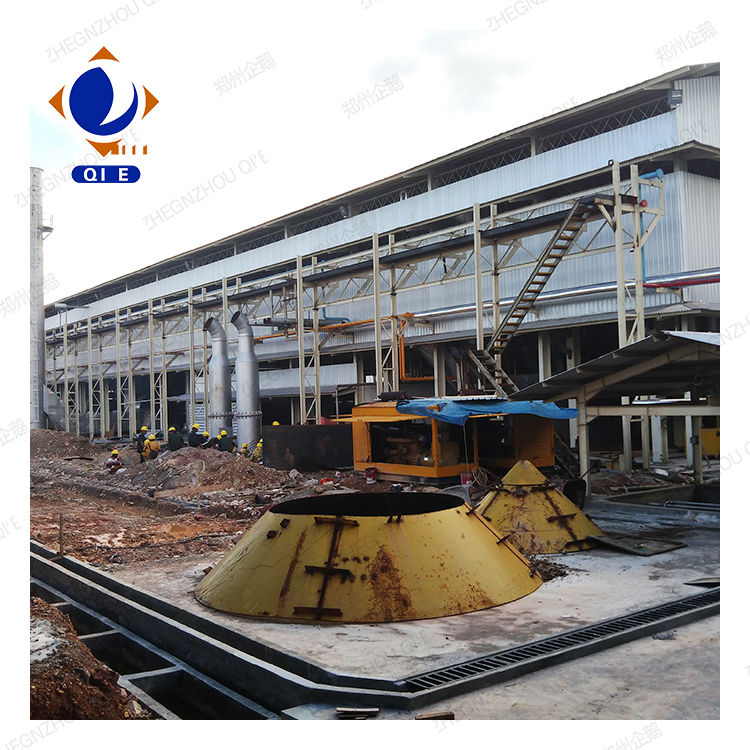
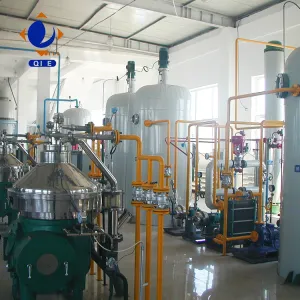
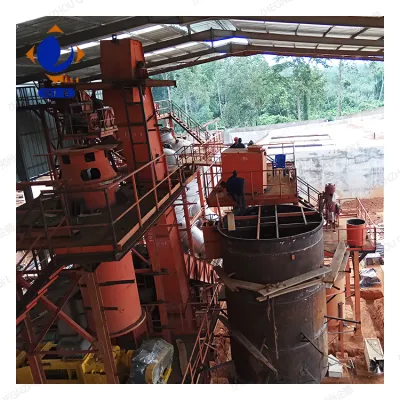
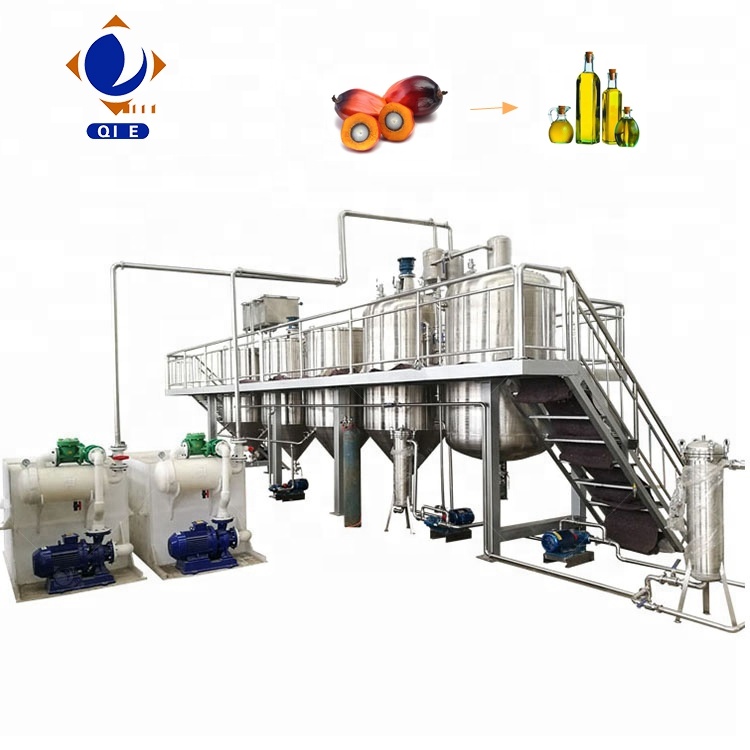
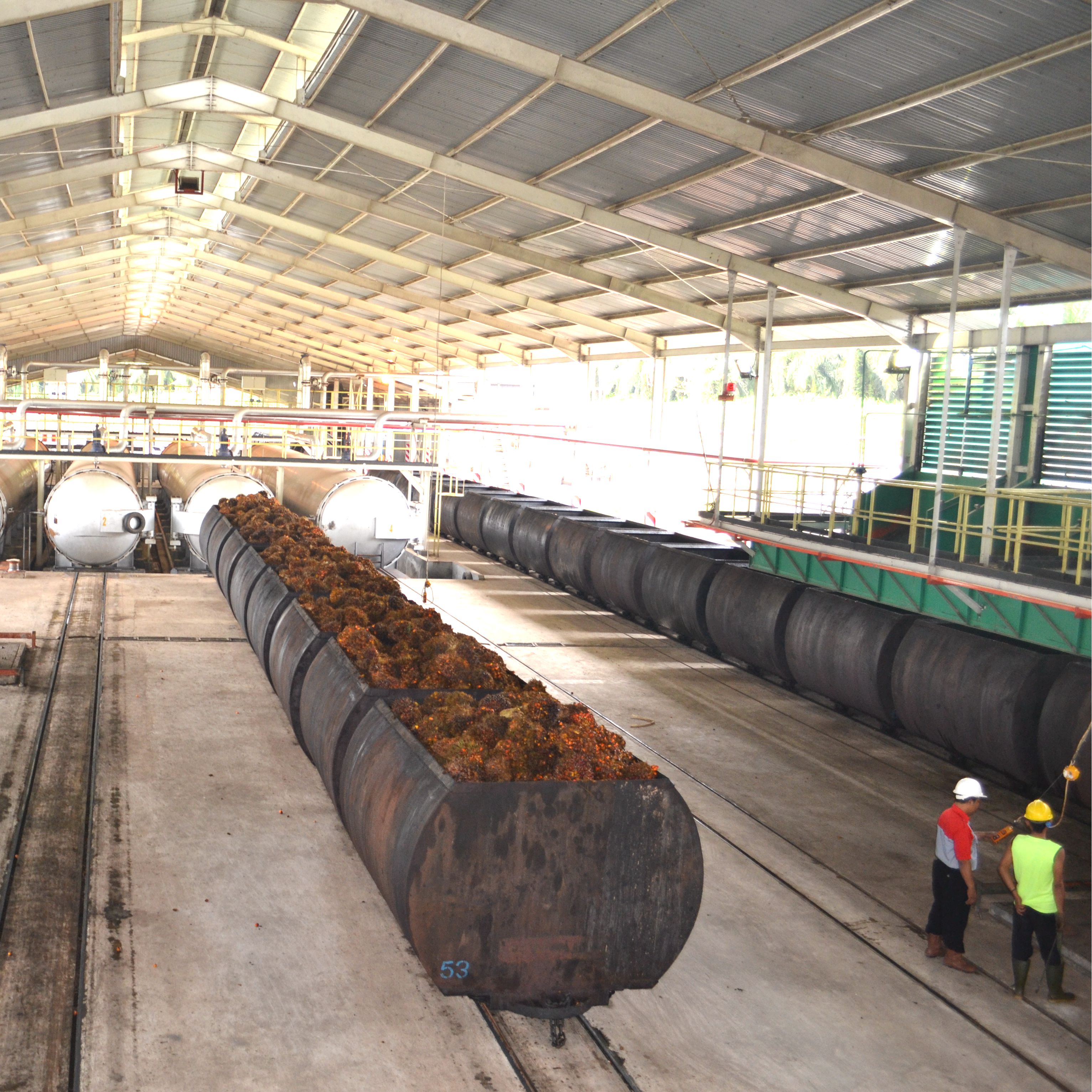
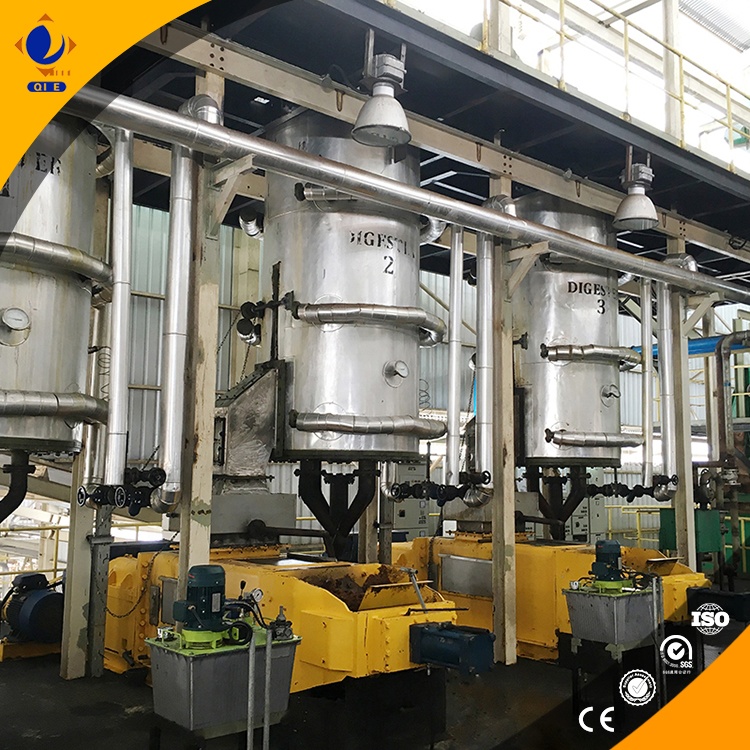
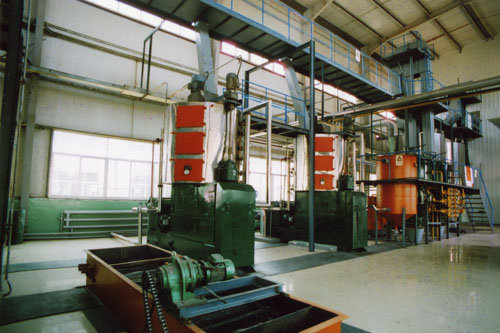
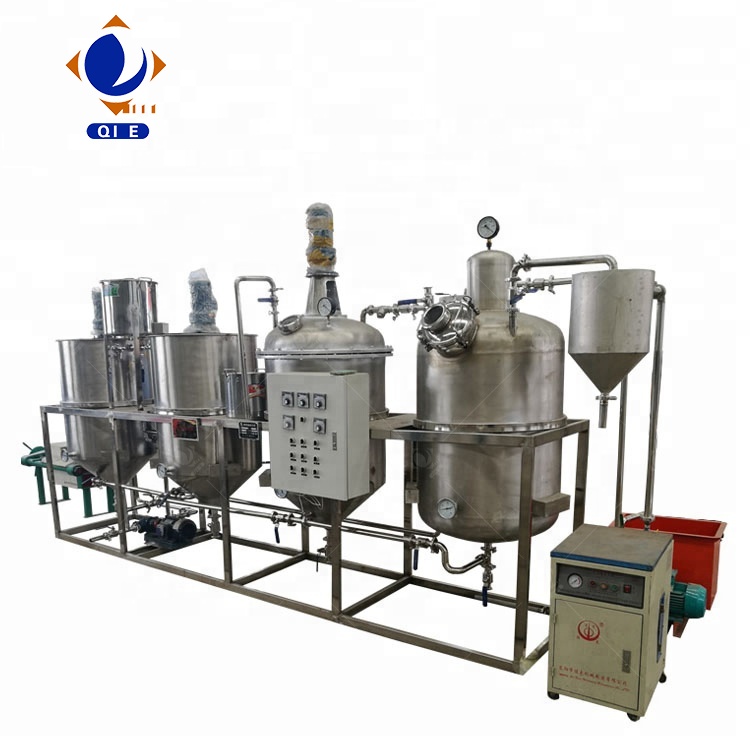
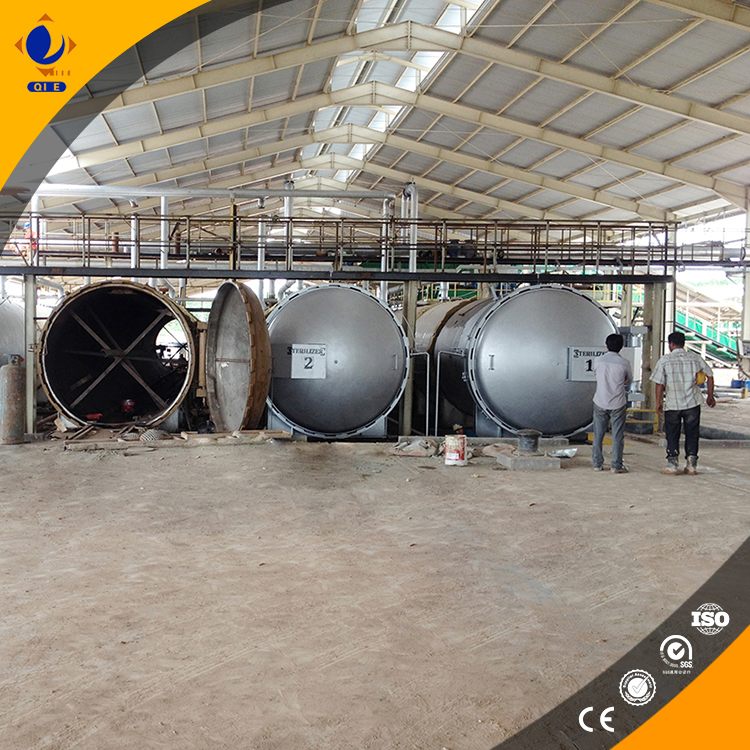
In the palm oil refining process, automation control plays a crucial role. The Programmable Logic Controller (PLC) serves as the core of the automation system. It consists of various functional modules that can collect and process real - time data of multiple parameters such as temperature, pressure, and flow. For example, with the help of PLC, the temperature can be maintained within a narrow range of ±1°C during the refining process, which significantly reduces the quality fluctuations caused by human errors. The technical logic behind it is to achieve multi - parameter coordinated control. Different sensors transmit data to the PLC, and then the PLC adjusts relevant equipment according to pre - set algorithms, ensuring the stable operation of the entire refining process.
The data acquisition system is the key to quality traceability and anomaly alarm in palm oil production. It can record all production data in batches, including the time of production, raw material information, and process parameters. For each batch of palm oil, the system can generate a unique batch record, which is essential for quality traceability. In addition, through log analysis, the system can detect abnormal trends in production. For instance, if the pressure in a certain process increases by more than 10% compared with the normal level, the system will trigger an alarm. The remote alarm mechanism allows operators to receive alerts on their mobile devices or computers in real - time, even if they are not on - site. This ensures that problems can be addressed promptly, reducing the impact on production.
According to front - line engineers, understanding common alarm codes is very important. For example, Alarm Code 101 usually indicates a temperature sensor failure. When such an alarm occurs, the engineers first follow a specific debugging process. They will check the sensor connection, calibration status, and power supply. By analyzing historical cases, they can quickly locate the problem. In one case, when Alarm Code 101 appeared, the engineer found that the sensor cable was damaged after a series of inspections, and replaced it in time to resume normal production.
Remote maintenance capability has significant value in palm oil production. It can reduce the downtime of equipment. On average, with remote maintenance, the downtime of palm oil refining equipment can be reduced by up to 30%. This is because technicians can diagnose and solve many problems remotely without being on - site immediately. In addition, it improves maintenance efficiency. Technicians can access the system data at any time, analyze the equipment status, and plan maintenance work in advance. Moreover, it is in line with the trend of smart factories, enabling palm oil production plants to be more intelligent and efficient.
The palm oil refining industry is constantly evolving. In the future, AI - based predictive maintenance will become more popular. AI algorithms can analyze large amounts of production data to predict potential equipment failures in advance, allowing for preventive maintenance. Edge computing integration will also be an important development direction. By processing data at the edge of the network, the response speed of the system can be improved, and the data transmission pressure can be reduced. In addition, green and energy - saving control strategies will be emphasized to reduce the energy consumption of palm oil refining, which is beneficial for both the environment and cost - reduction.
Have you encountered any common alarms in your palm oil production? Leave a message and tell us! If you want to learn more about palm oil refining technology, click here to get the free download link of the "Palm Oil Pressing and Refining Equipment Technology White Paper" and PLC Debugging Manual.
 286
|
286
|
 palm oil pressing equipment energy optimization
ISO9001 equipment stability
palm oil processing efficiency
heat recovery in palm oil pressing
automated control for energy saving
palm oil pressing equipment energy optimization
ISO9001 equipment stability
palm oil processing efficiency
heat recovery in palm oil pressing
automated control for energy saving
 334
|
crude palm oil refining equipment
energy-efficient palm oil processing technology
fully automated palm oil extraction system
334
|
crude palm oil refining equipment
energy-efficient palm oil processing technology
fully automated palm oil extraction system
 479
|
Automation control system
Palm oil pressing
PLC control
Energy saving and consumption reduction
Intelligent manufacturing
479
|
Automation control system
Palm oil pressing
PLC control
Energy saving and consumption reduction
Intelligent manufacturing
 53
|
PLC control palm oil pressing
automated oil extraction systems
palm oil production optimization
temperature and pressure regulation in oil pressing
smart palm oil processing technology
53
|
PLC control palm oil pressing
automated oil extraction systems
palm oil production optimization
temperature and pressure regulation in oil pressing
smart palm oil processing technology
 222
|
palm fruit preprocessing
extreme climate resistant equipment
palm oil production optimization
automated control systems
equipment maintenance troubleshooting
222
|
palm fruit preprocessing
extreme climate resistant equipment
palm oil production optimization
automated control systems
equipment maintenance troubleshooting