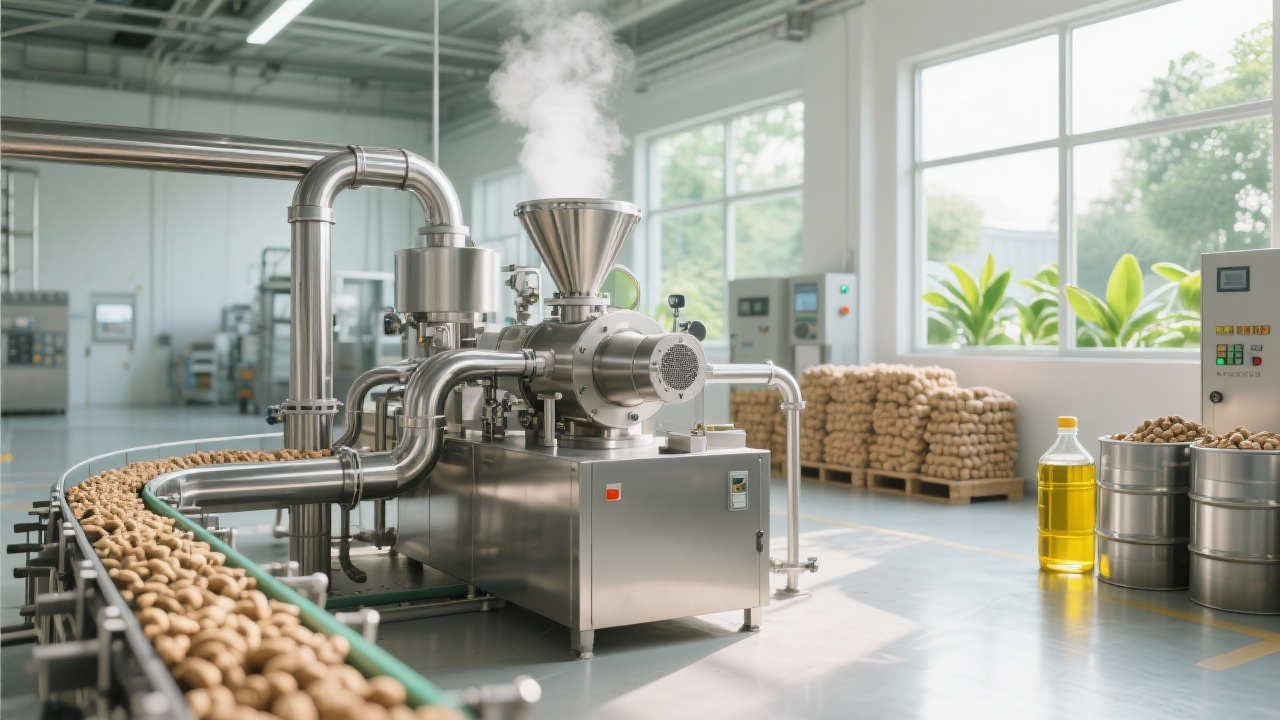
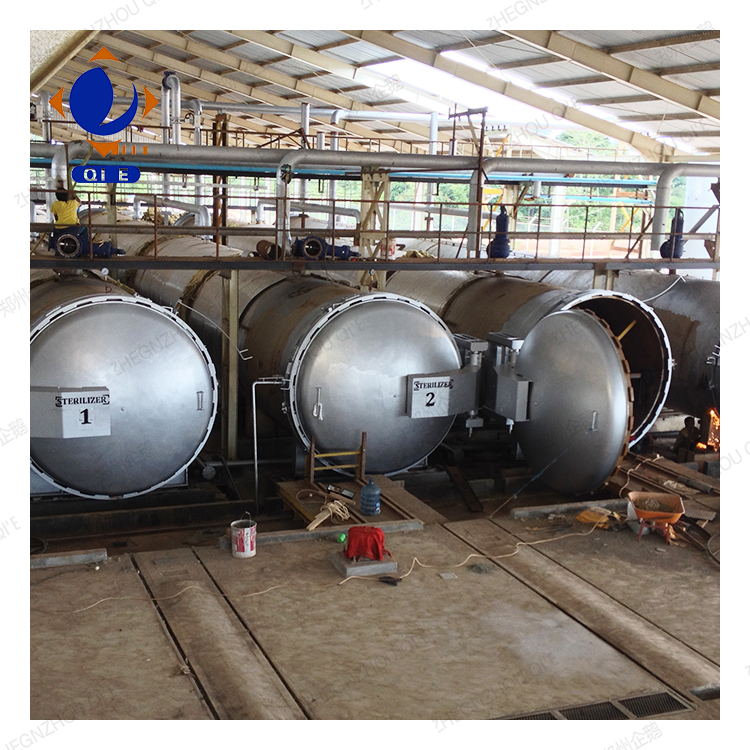
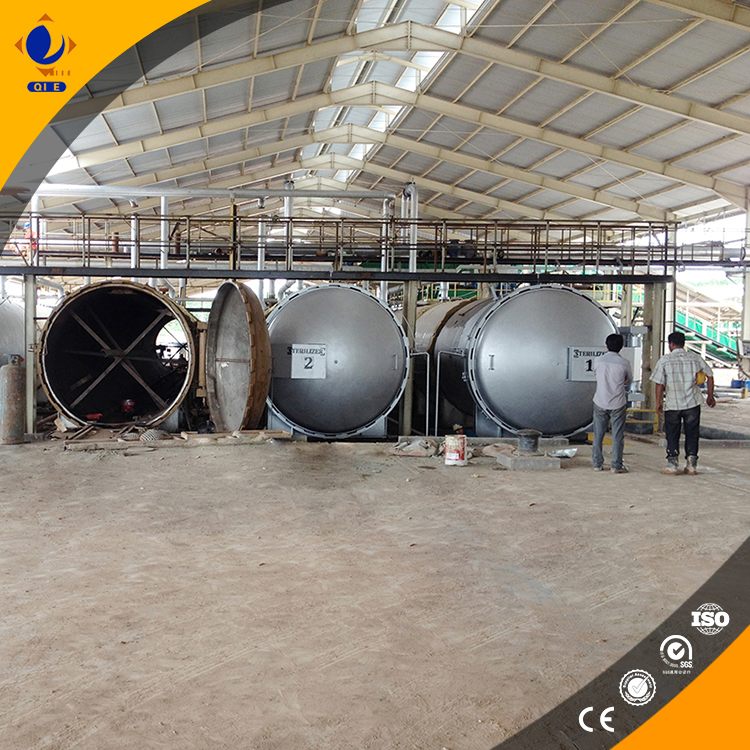
In the fast-paced world of palm oil production, maintaining continuous, efficient, and safe operations of processing lines is paramount. The automation backbone—particularly the Programmable Logic Controller (PLC) system—plays a vital role in monitoring and regulating critical parameters like temperature, pressure, and flow rate. This article delves into the key PLC alarm codes commonly encountered in palm oil pressing and refining machinery, provides actionable troubleshooting methods from frontline engineers, and highlights the transformative impact of data acquisition and remote maintenance technologies on production quality and safety compliance.
PLC systems serve as the nerve center for palm oil production lines. By continuously tracking temperature, pressure, and flow, these controllers maintain optimal operating conditions to ensure product quality and food safety standards are met. For instance, temperature control within ±2°C is critical during the pressing phase to prevent oil degradation, while pressure regulation ensures efficient extraction without mechanical strain.
Beyond basic control, modern PLCs integrate data acquisition modules that record operational metrics in real time. This enables traceability—a must-have for regulatory compliance and quality audits—allowing operators to pinpoint deviations promptly and ensure product consistency.
| Alarm Code | Description | Typical Cause | Recommended Action |
|---|---|---|---|
| AL-101 | Overtemperature in Pressing Chamber | Heating element malfunction or sensor drift | Inspect heating elements; calibrate or replace sensor |
| AL-202 | Pressure Drop Below Threshold | Hydraulic leak or pump failure | Check hydraulic system & pump status; repair leaks |
| AL-303 | Flow Sensor Signal Lost | Wiring fault or sensor contamination | Clean sensor; inspect wiring and connectors |
| AL-404 | Data Acquisition Timeout | Network disruption or PLC communication error | Verify network connections; reboot PLC system if needed |
Based on real-world experience shared by senior process engineers at QIE Group’s palm oil facilities, effective fault diagnosis hinges on swift alarm code identification combined with methodical validation steps. For example:
This structured process typically reduces downtime by up to 30%, keeping throughput and quality at peak levels.
Recently, a palm oil pressing line reported multiple AL-101 alarms indicating overtemperature conditions. Employing the troubleshooting framework, engineers pinpointed a defective heating relay causing erratic temperature spikes. Prompt sensor recalibration and relay replacement restored stable control within 2 hours, minimizing process interruption and preventing oil quality loss.
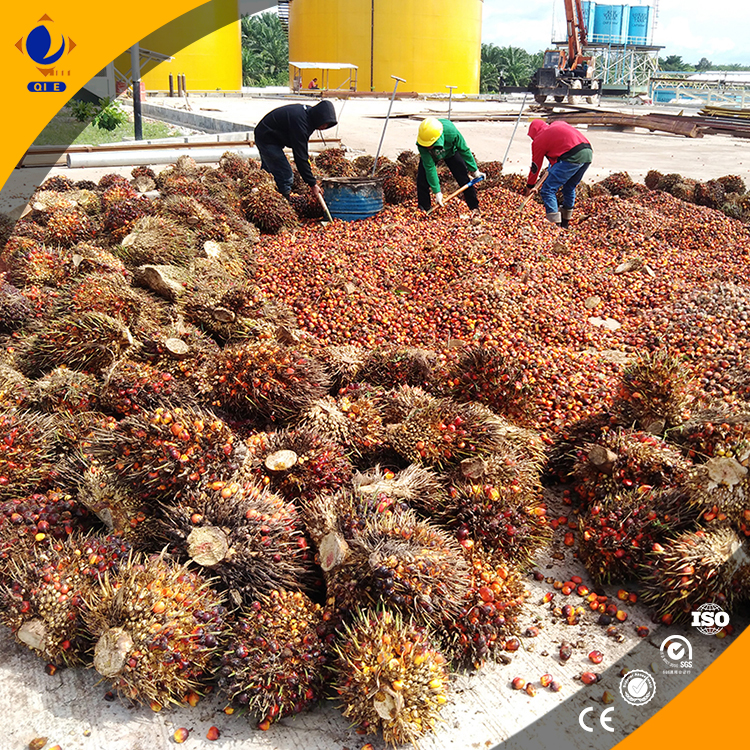
The integration of comprehensive data acquisition systems elevates operational transparency and traceability. By capturing parameters like temperature, pressure, flow rates, and alarm events with timestamps, palm oil processors can reconstruct production batches, swiftly identify quality deviations, and comply with stringent food safety regulations such as ISO 22000.
Moreover, automated anomaly detection algorithms embedded in modern SCADA systems can trigger preemptive maintenance workflows, curtailing unplanned downtime by up to 25% annually.
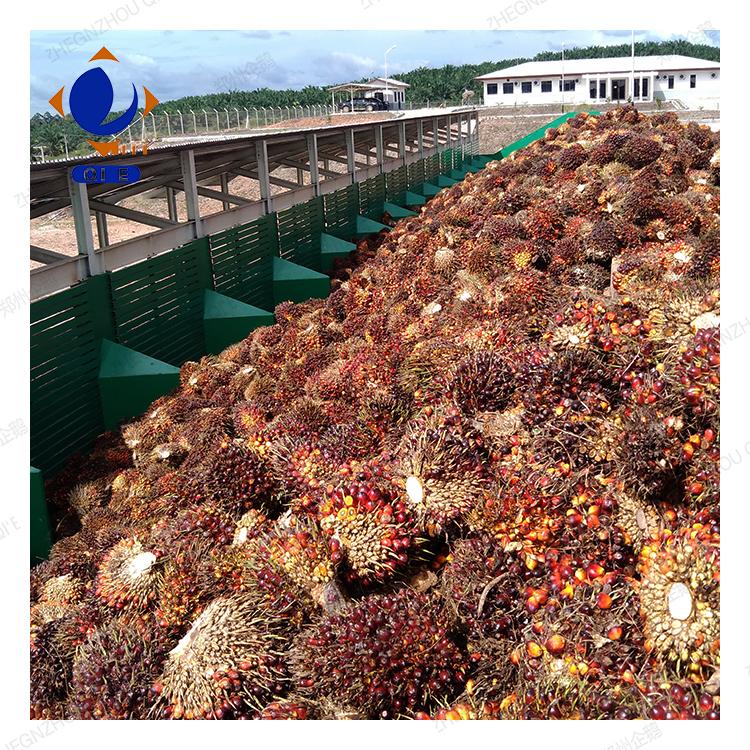
Emerging remote operation and diagnostics technologies enable engineers and managers to monitor palm oil production lines from any location. Through secure VPN connections and cloud-based platforms, real-time alerts and system health reports are accessible instantly, accelerating decision-making and reducing on-site maintenance costs by up to 40%.
These smart maintenance solutions also facilitate proactive supplier support, where OEMs can remotely update PLC firmware or recalibrate sensors, further optimizing equipment uptime and lifecycle economics.
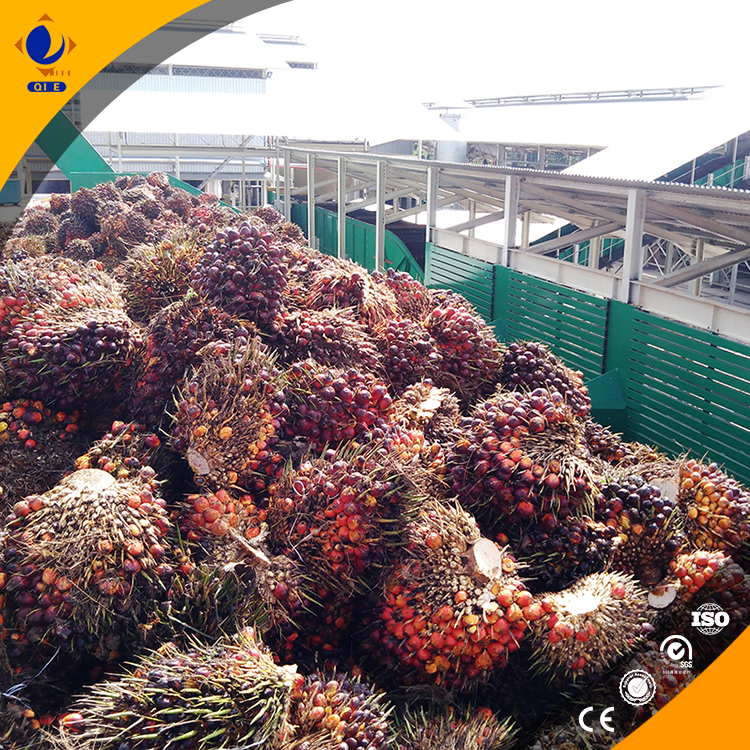
Automation continues to evolve rapidly with AI-enhanced predictive analytics, IIoT-enabled sensor networks, and adaptive control algorithms promising even greater precision and operational efficiency. We anticipate:
These advancements are vital as palm oil producers navigate increasing global demand alongside stringent environmental and regulatory pressures.

 153
|
153
|
 palm kernel oil extraction technology
energy-saving refining equipment
low solvent consumption oil production
green manufacturing solutions
residual oil reduction techniques
palm kernel oil extraction technology
energy-saving refining equipment
low solvent consumption oil production
green manufacturing solutions
residual oil reduction techniques
 181
|
palm oil refining equipment
fully automated PLC control
energy-efficient palm oil equipment
181
|
palm oil refining equipment
fully automated PLC control
energy-efficient palm oil equipment
 397
|
PLC palm kernel oil equipment
automation control system
intelligent adjustment technology
palm kernel oil extraction process
equipment reliability
397
|
PLC palm kernel oil equipment
automation control system
intelligent adjustment technology
palm kernel oil extraction process
equipment reliability
 99
|
PLC automation control system
palm kernel oil extraction process
closed-loop control in oil processing
industrial automation for edible oils
smart sensor network in food processing
99
|
PLC automation control system
palm kernel oil extraction process
closed-loop control in oil processing
industrial automation for edible oils
smart sensor network in food processing
 257
|
Palm oil pressing process
Equipment selection guide
Highly automated equipment
Energy - saving technology
304 stainless steel
257
|
Palm oil pressing process
Equipment selection guide
Highly automated equipment
Energy - saving technology
304 stainless steel