Are inconsistent moisture levels in African palm fruits reducing your oil extraction efficiency?
Customer Pain Point: Your palm fruit processing line is struggling with uneven output—sometimes high yield, sometimes low. You suspect it's due to variable moisture content from different harvest zones across Africa. But how do you fix it without overhauling the entire system?
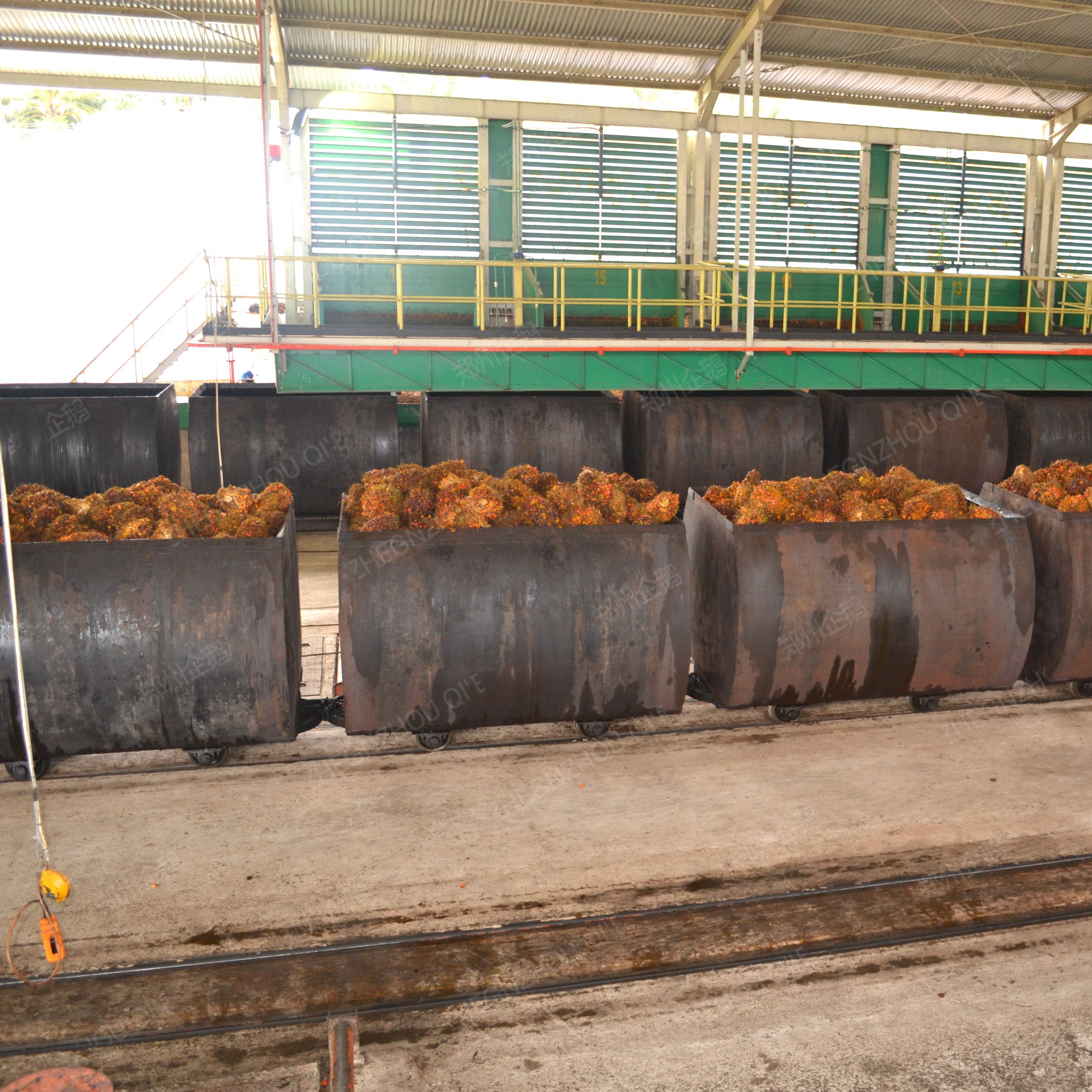
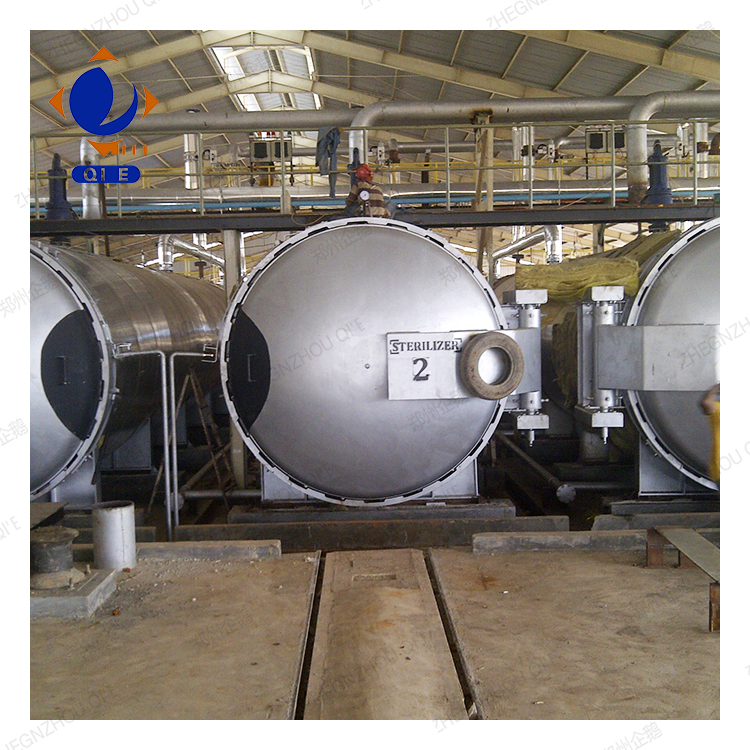
Unlike Asia or South America, where palm fruit moisture typically ranges between 55–65%, African sources often vary wildly—from 45% in dry-season harvests to over 75% after heavy rains. This inconsistency directly impacts steam penetration during cooking, leading to:
| Region | Avg. Moisture (%) | Recommended Steam Temp Curve (°C) |
|---|---|---|
| Asia (Malaysia/Indonesia) | 60% | 90°C → 115°C (30 min) |
| South America (Brazil) | 63% | 92°C → 118°C (35 min) |
| Africa (Nigeria/Ghana) | 58% avg., but 45–75% range | Adjustable curve: 85°C → 120°C (40 min) |
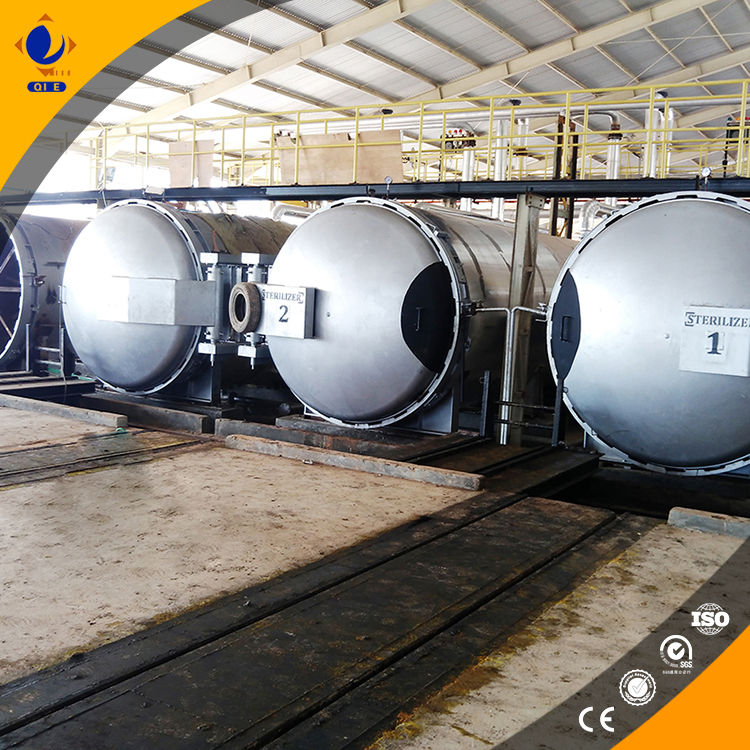
Use a dual-stage washer—first with high-pressure jets to remove surface mud, then with rotating brushes to clean embedded soil. This reduces fiber load that can block steam flow later.
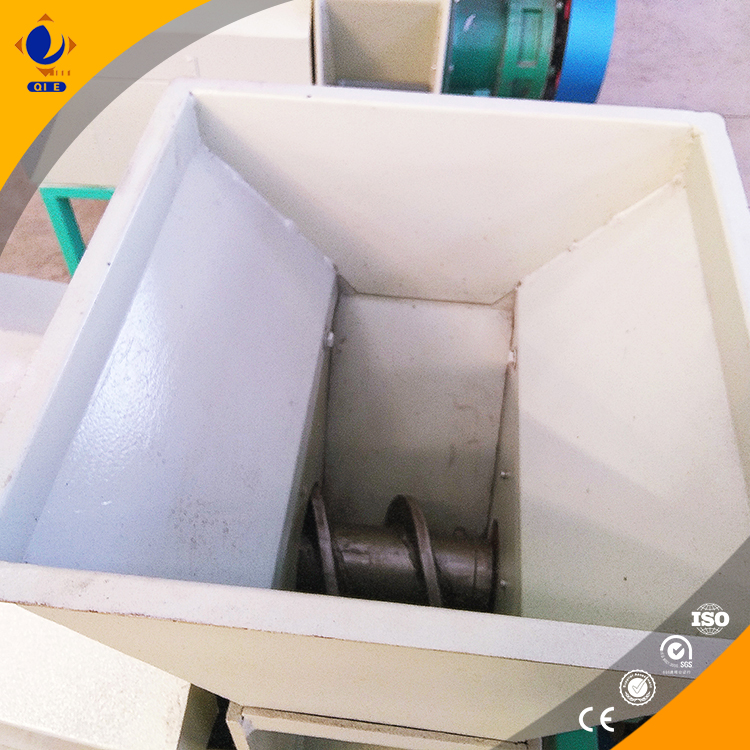
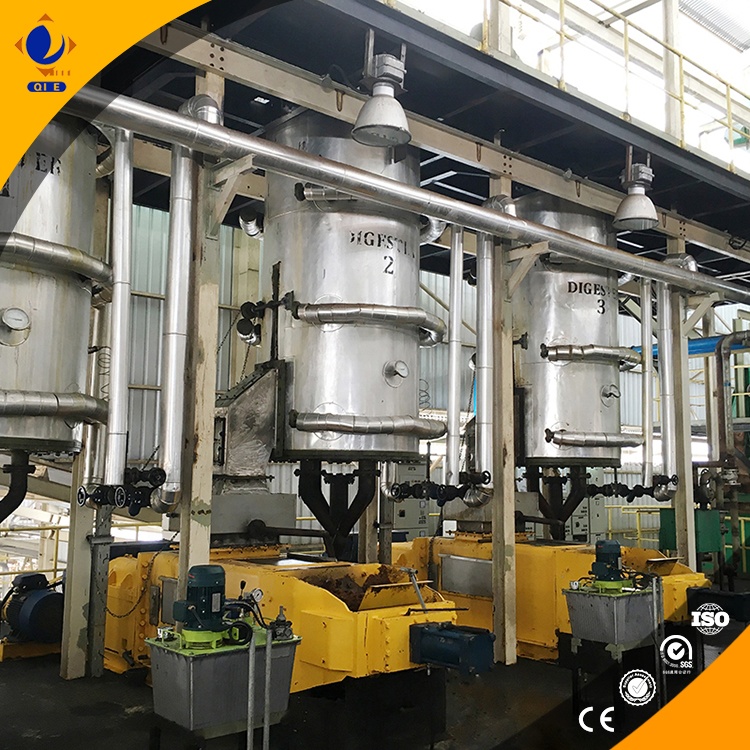
Set your crusher to produce particles between 3–6 mm. Too fine? Energy loss. Too coarse? Incomplete heating. For African fruits, adjust feed rate dynamically based on real-time moisture sensors.
Instead of fixed temperature settings, implement an adaptive steam curve that adjusts based on incoming fruit moisture. A case study from a Nigerian mill showed a 12% increase in daily oil yield after switching to this method—with no additional capital investment beyond sensor upgrades.
Pro Tip: If you’re seeing frequent clogs or fluctuating yields, run our free troubleshooting checklist—a simple 5-step diagnostic tool used by 20+ African processors last year.
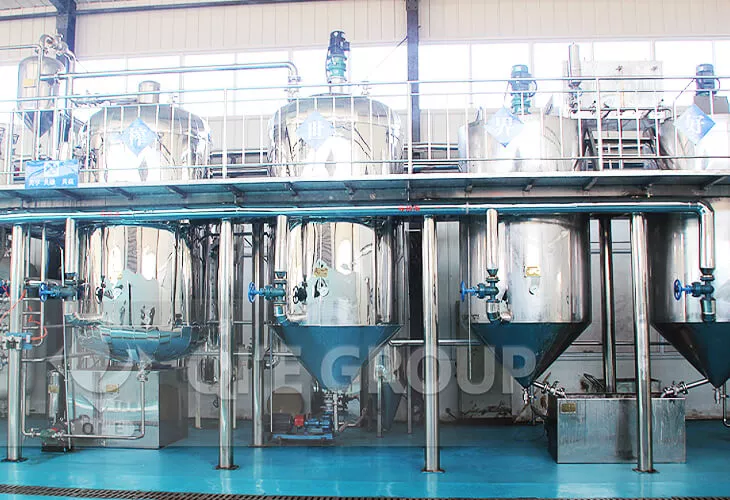
For tropical climates, choose stainless steel components (AISI 304 or 316L) to resist rust from humid air and acidic residues. Add automatic temperature control systems that log data every 5 minutes—you’ll spot inefficiencies before they become costly downtime.
Real Impact: One Ghanaian plant reduced its average steam time by 15% while improving oil recovery by 9%. Why? Because they stopped treating all palm fruit as if it were the same—and started adapting their process to local reality.

 209
|
209
|
 Palm oil pressing equipment
High - efficiency pressing technology
Thermal energy recovery system
Energy conservation and emission reduction
Automated control
397
|
palm oil pressing equipment
automated control logic
energy efficiency in oil processing
heat recovery system
oil yield optimization
Palm oil pressing equipment
High - efficiency pressing technology
Thermal energy recovery system
Energy conservation and emission reduction
Automated control
397
|
palm oil pressing equipment
automated control logic
energy efficiency in oil processing
heat recovery system
oil yield optimization
 174
|
Palm Oil Refining Equipment
Energy-saving Environmental Equipment
PLC Automated Control
Production Cost Reduction
Efficient Palm Oil Processing
174
|
Palm Oil Refining Equipment
Energy-saving Environmental Equipment
PLC Automated Control
Production Cost Reduction
Efficient Palm Oil Processing
 497
|
304 stainless steel palm oil press
food safety in oil extraction
durable palm oil processing equipment
efficient palm oil expeller system
ISO9001 certified oil machinery
497
|
304 stainless steel palm oil press
food safety in oil extraction
durable palm oil processing equipment
efficient palm oil expeller system
ISO9001 certified oil machinery
 394
|
palm oil extraction process
automated oil press machine
304 stainless steel equipment
energy-efficient palm oil processing
oil yield optimization
394
|
palm oil extraction process
automated oil press machine
304 stainless steel equipment
energy-efficient palm oil processing
oil yield optimization