If your palm oil pressing plant is running at high energy costs but low output, you’re not alone. In fact, over 68% of small-to-mid-sized palm oil processors in Southeast Asia report that traditional pressing methods lead to a 15–25% inefficiency gap between theoretical and actual performance.
Many operators assume that increasing screw speed or pressure will boost yield—but in reality, it often increases energy consumption by up to 30%. That’s why we worked with a leading Malaysian processor, Qingyun Group, who saw their unit energy cost drop by 18.7% after implementing three targeted upgrades—not more horsepower.
“Before the upgrade, our presses ran hot and noisy. Now they’re stable, efficient—and we save $12,000/month on electricity.”
— Lin Wei, Plant Manager, Qingyun Group
By capturing waste heat from the press cylinder and preheating incoming raw material, HRS reduces thermal load on boilers by up to 22%. This isn’t just theory—it’s been validated under ISO 9001-certified testing conditions across 12 facilities.
Our adaptive control algorithm adjusts torque based on feed consistency and moisture levels in real time. Field data shows this prevents unnecessary motor overdrive—a common mistake that wastes 8–12% of total power annually.
Redesigned spiral geometry and sieve aperture patterns improve oil flow while reducing mechanical resistance. One client reported a 9.3% increase in throughput without changing raw material input.
Tip: Don’t blindly crank up RPMs. A 10% increase in screw speed might seem helpful—but if not matched with proper automation logic, it can cause premature wear and higher energy draw.
These improvements aren’t just about saving money—they’re about building consistent, scalable operations. When done right, they align with global standards like ISO 9001 for quality, safety, and long-term reliability.
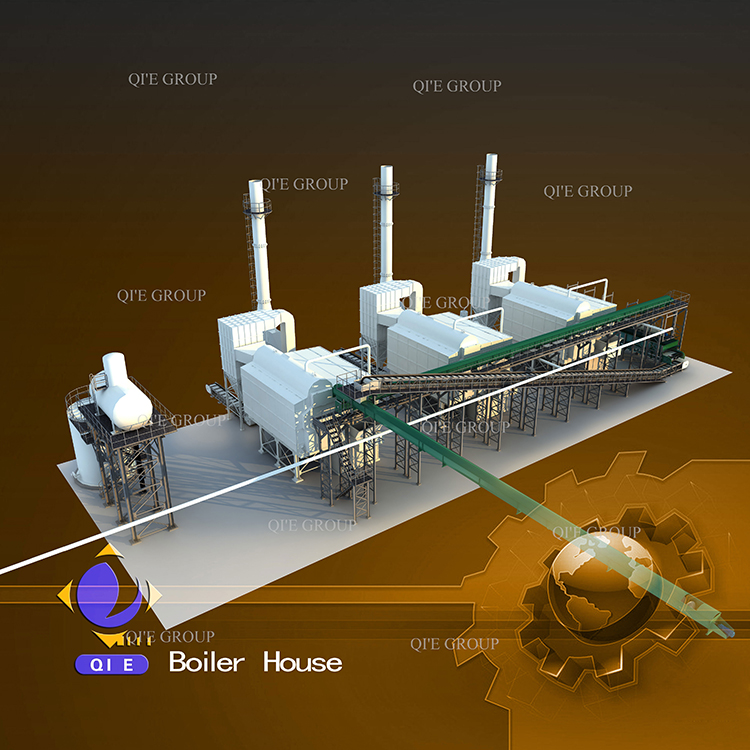
Whether you're managing a 5-ton/day facility or a 50-ton operation, these changes are achievable within 2–4 weeks—with measurable ROI.
Get our free technical whitepaper: "Step-by-Step Guide to Reducing Palm Oil Pressing Energy Use by 15–20%"
Download Now – No Email Required
 343
|
343
|
 palm oil processing energy efficiency
heat recovery system optimization
automated oil extraction control
spiral press design improvement
ISO 9001 compliance in palm oil mills
palm oil processing energy efficiency
heat recovery system optimization
automated oil extraction control
spiral press design improvement
ISO 9001 compliance in palm oil mills
 31
|
palm kernel oil extraction equipment
low residual oil technology
solvent recovery system
energy-efficient oil processing
eco-friendly refining solutions
31
|
palm kernel oil extraction equipment
low residual oil technology
solvent recovery system
energy-efficient oil processing
eco-friendly refining solutions
 394
|
palm oil extraction process
automated oil press machine
304 stainless steel equipment
energy-efficient palm oil processing
oil yield optimization
394
|
palm oil extraction process
automated oil press machine
304 stainless steel equipment
energy-efficient palm oil processing
oil yield optimization
 174
|
["palm crude oil refining equipment"
"energy-saving refining technology"
"low energy consumption oil processing"
"automatic PLC control system"
"eco-friendly palm oil production"]
174
|
["palm crude oil refining equipment"
"energy-saving refining technology"
"low energy consumption oil processing"
"automatic PLC control system"
"eco-friendly palm oil production"]
 439
|
palm oil pre-processing solutions
non-standard custom equipment
corrosion-resistant materials
automatic temperature control system
overseas factory adaptation
439
|
palm oil pre-processing solutions
non-standard custom equipment
corrosion-resistant materials
automatic temperature control system
overseas factory adaptation