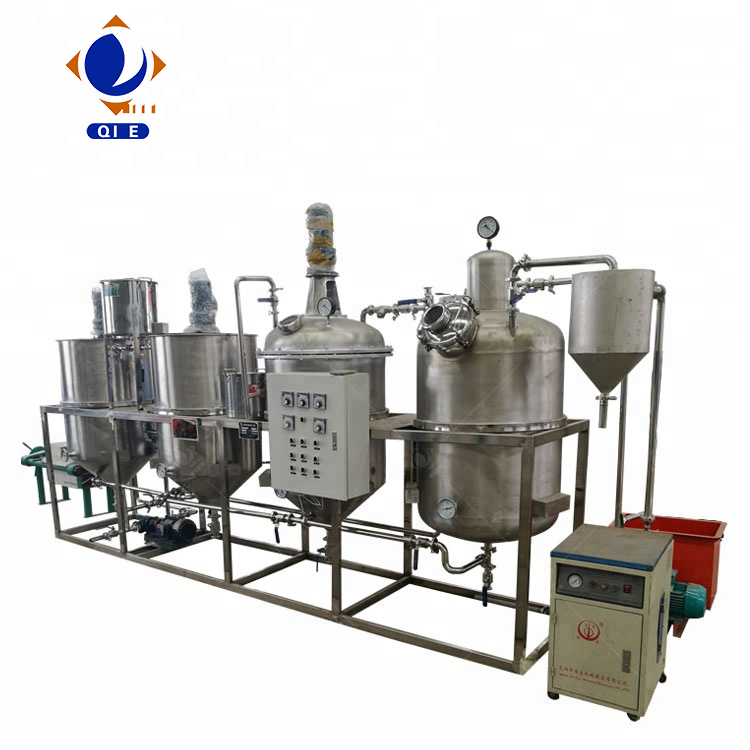
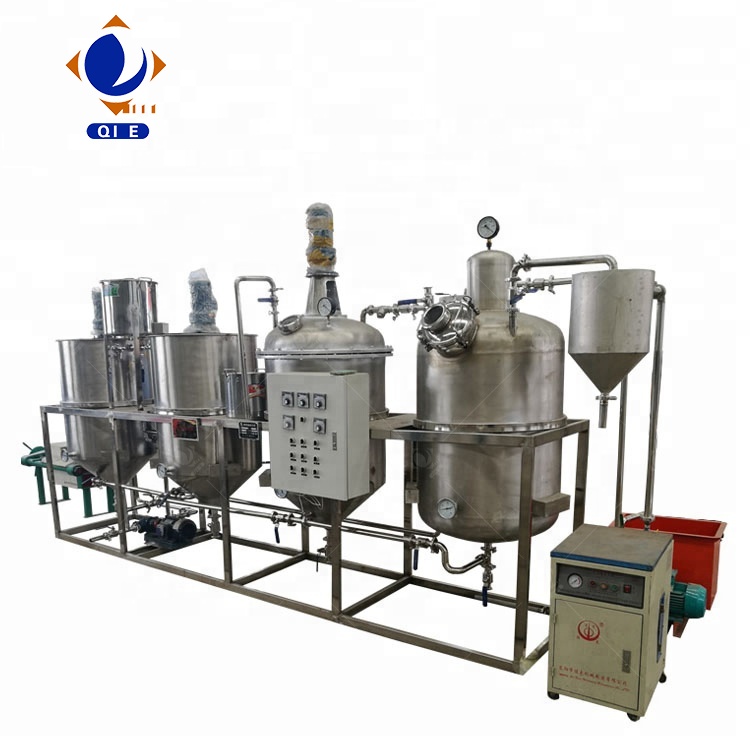
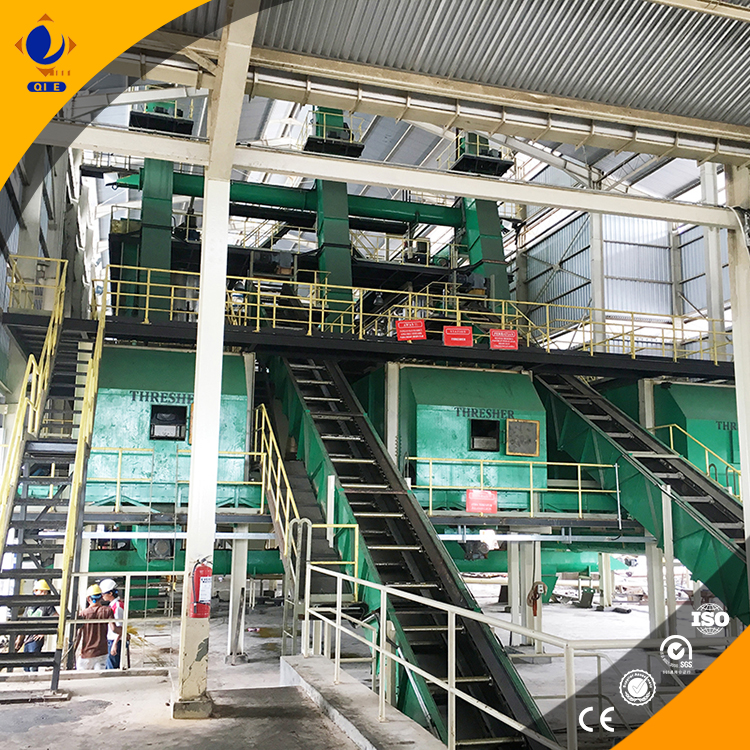
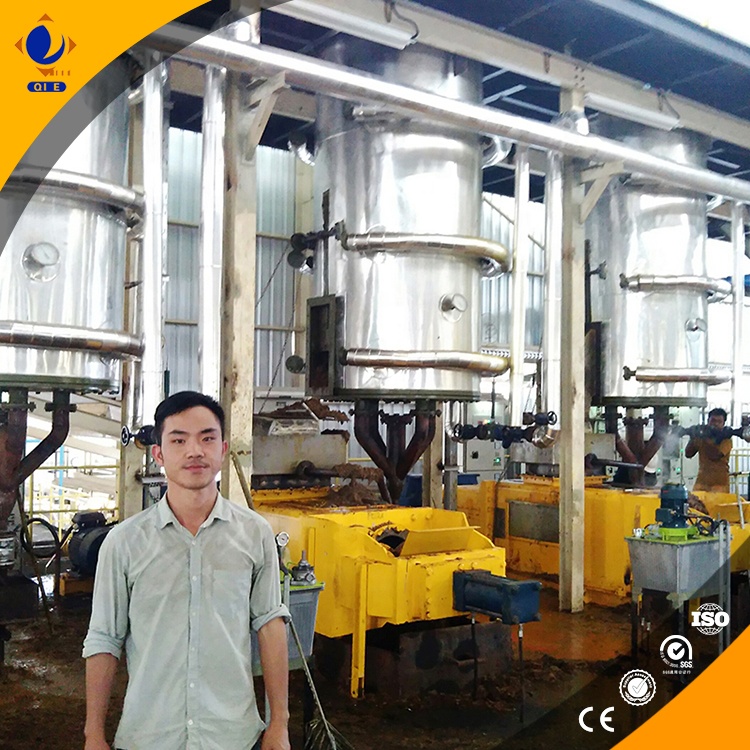
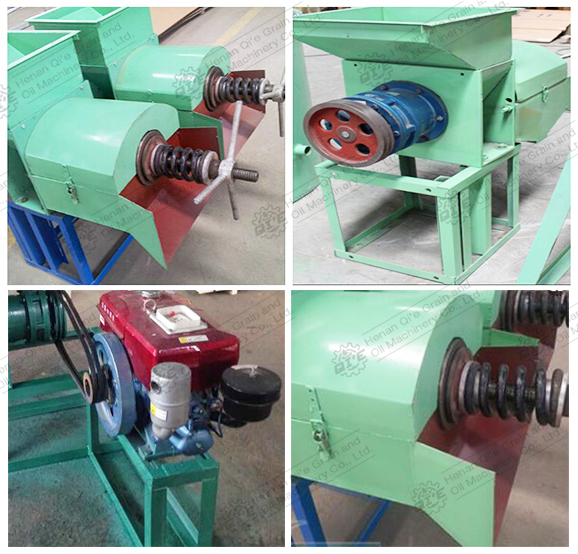
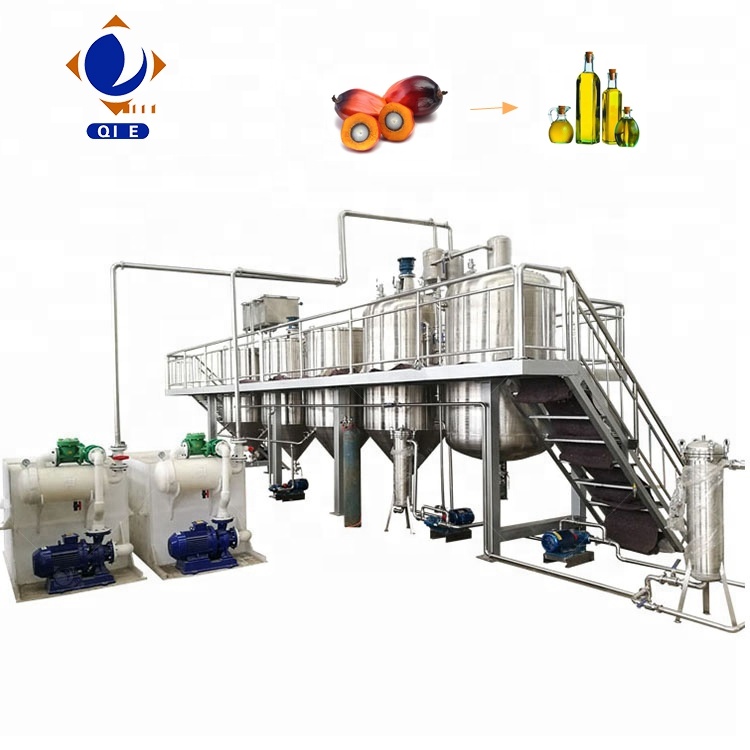
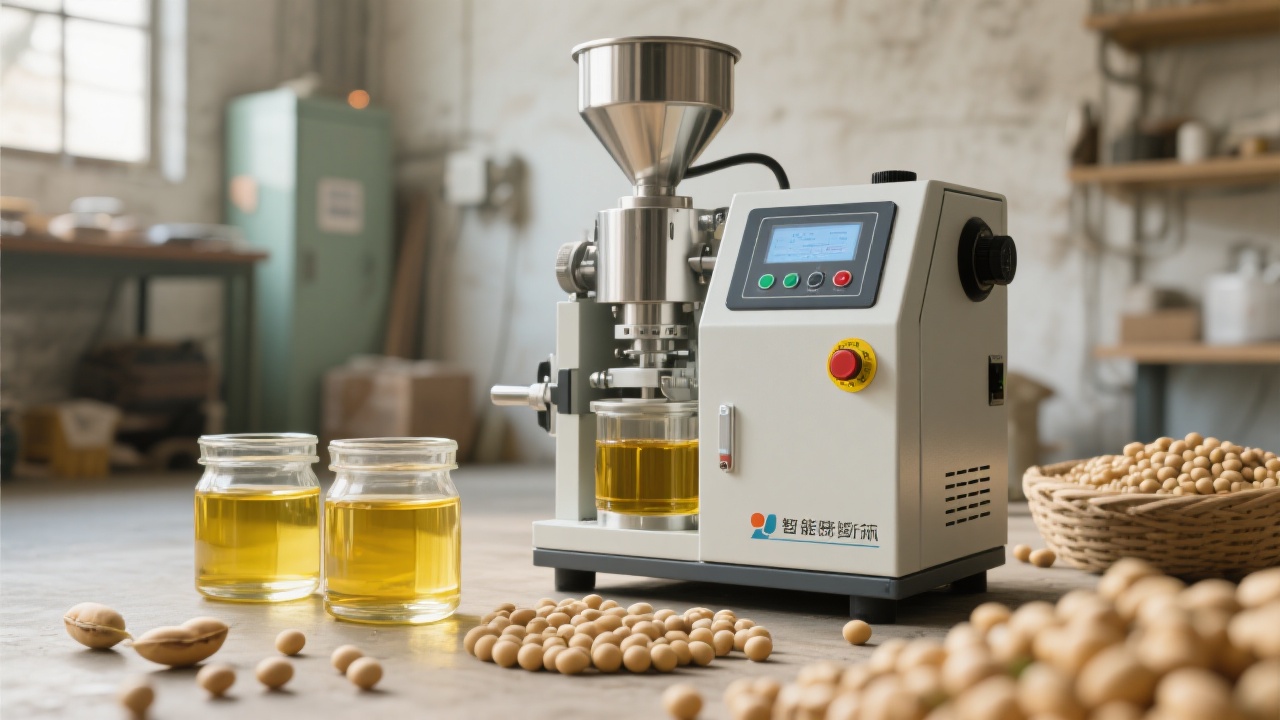
The challenge balancing high production output with energy efficiency has long troubled palm oil processing enterprises worldwide. Enhancing throughput often results in escalating energy costs, putting pressure on operational profitability. QIE Group cutting-edge palm oil pressing and refining equipment innovatively reconciles these seemingly conflicting demands, achieving an impressive 18% reduction in unit energy consumption while maintaining peak production capacity. This article dives deep into the three core technologies driving this success: heat recovery systems, advanced automation control logic, and key component design optimization.
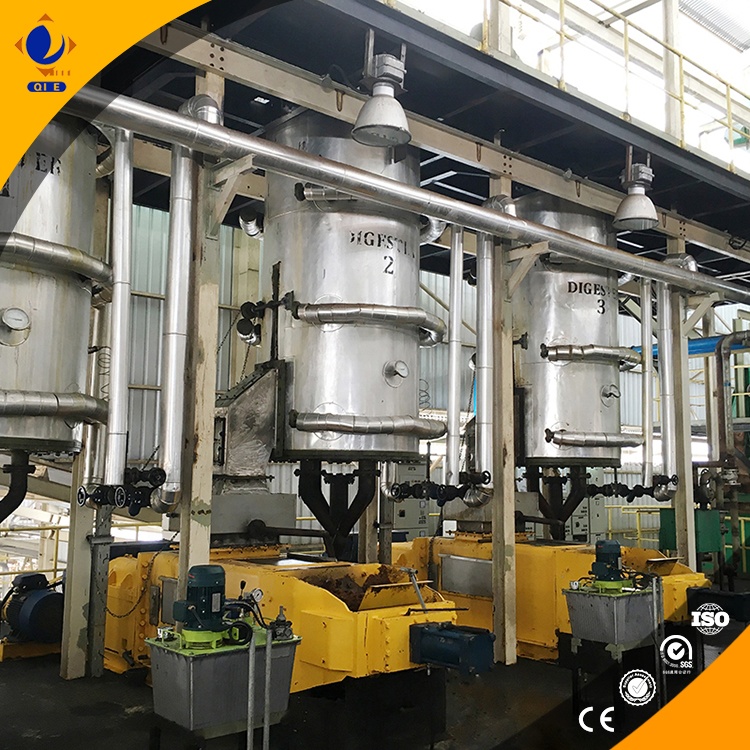
One of the most significant energy drains in palm oil pressing is the loss of thermal energy during processing stages. QIE Group equipment integrates an advanced heat recovery system that captures waste heat from the pressing and refining process and repurposes it to pre-heat raw materials and maintain optimal operating temperatures. This closed-loop thermal energy circulation reduces the load on primary energy inputs by approximately 15–20%, contributing substantially to the overall energy savings without compromising product quality. The system has been designed compliant with ISO9001 quality standards, ensuring operational safety and reliability.
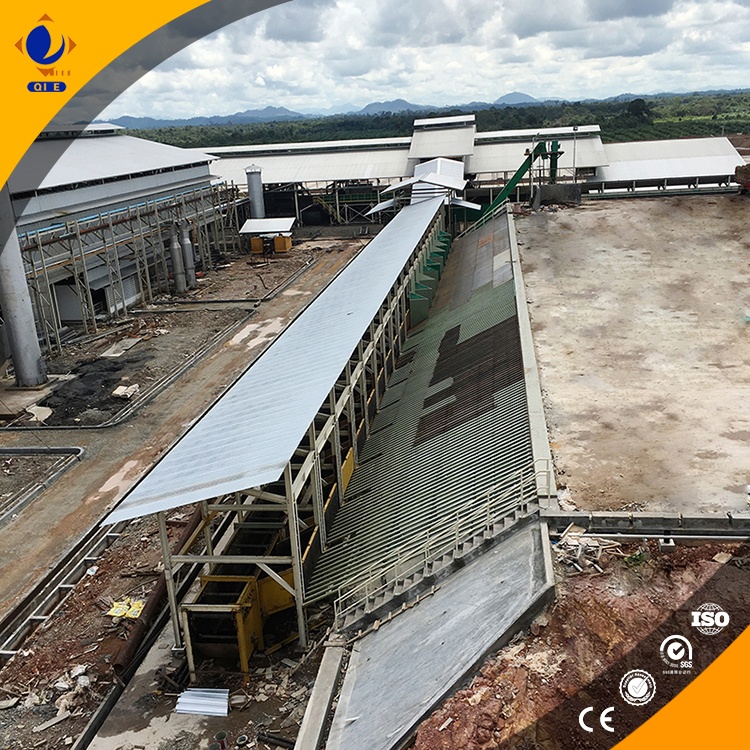
Automation plays an indispensable role in optimizing energy consumption while securing consistent throughput. QIE Group employs a proprietary control logic system that monitors and dynamically adjusts critical process parameters, including temperature, pressure, and pressing speed in real-time. This precision approach reduces inefficiencies like overpressing or underheating, which can waste energy and degrade oil yield.
Data collected from customer implementations indicate a 12–16% reduction in energy deviations compared to traditional systems. Combining automation with user-friendly HMI interfaces facilitates simplified operation and rapid troubleshooting, enabling operators to maintain peak efficiency with less manual intervention.
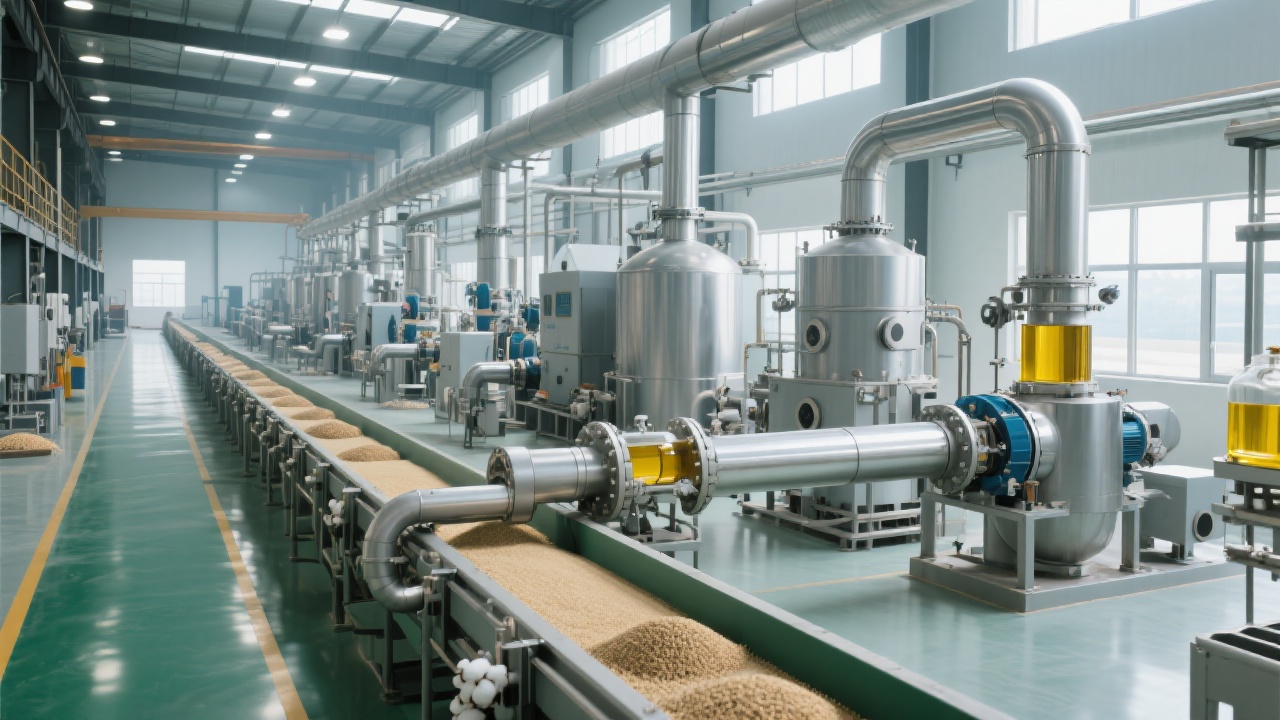
The mechanical heart of the press—the screw shaft, hydraulic systems, and filtration components—has been re-engineered to reduce friction losses, increase material throughput, and minimize downtime. Enhanced sealing technologies prevent leaks, while high-tensile materials ensure durability even under high operational stress. This results in smoother operation, decreased maintenance frequency by nearly 25% annually, and a more stable energy profile throughout production cycles.
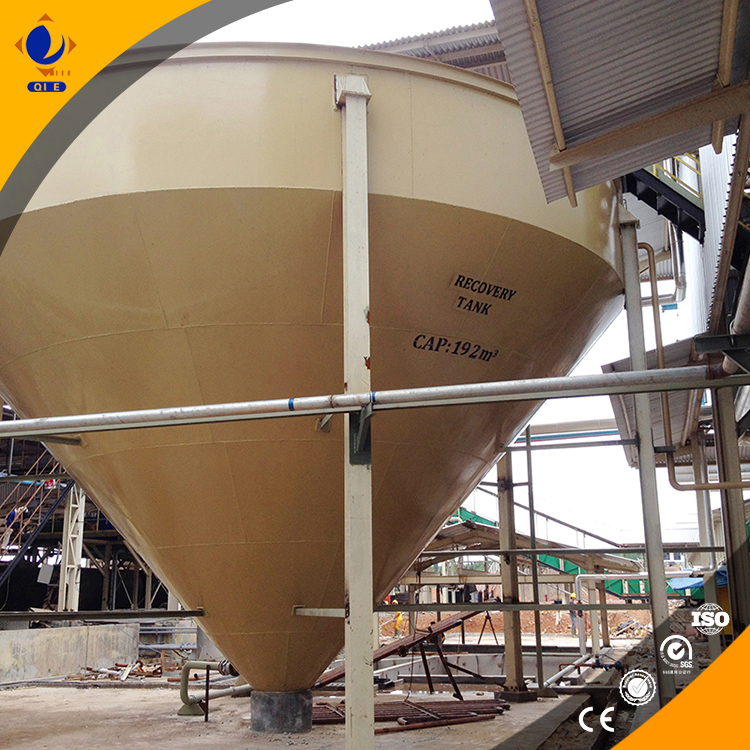
A leading palm oil processor in Malaysia recently implemented QIE Group’s full equipment suite. Before adoption, their average unit energy consumption stood at 0.85 MWh per metric ton of crude palm oil produced. Within the first six months post-installation, energy consumption dropped consistently to an average of 0.70 MWh per metric ton, representing a substantial 18% improvement. Meanwhile, daily output improved by 8%, thanks to improved automation and component resilience.
| Metric | Before Deployment | After Deployment | Improvement |
|---|---|---|---|
| Unit Energy Consumption (MWh/MT) | 0.85 | 0.70 | -18% |
| Daily Production (MT) | 120 | 130 | +8% |
| Annual Maintenance Downtime (Hours) | 160 | 120 | -25% |
Operational teams reported improved stability and safety with the ISO9001-certified equipment, while the enhanced automation reduced manual labor and errors. These gains translated into clear competitive advantages in the global marketplace.

 301
|
301
|
 palm kernel oil extraction equipment
energy-efficient oil refining technology
low solvent consumption oil processing
environmentally friendly palm oil machinery
green粮油 processing solutions
palm kernel oil extraction equipment
energy-efficient oil refining technology
low solvent consumption oil processing
environmentally friendly palm oil machinery
green粮油 processing solutions
 451
|
Palm oil pressing equipment
304 stainless steel corrosion resistance
Food safety equipment
Automated oil extraction unit
Energy - saving palm oil production
451
|
Palm oil pressing equipment
304 stainless steel corrosion resistance
Food safety equipment
Automated oil extraction unit
Energy - saving palm oil production
 429
|
efficient palm oil processing unit
304 stainless steel palm oil press
palm fruit bunch processing machine
PLC controlled oil extraction system
high capacity palm kernel crusher
429
|
efficient palm oil processing unit
304 stainless steel palm oil press
palm fruit bunch processing machine
PLC controlled oil extraction system
high capacity palm kernel crusher
 42
|
automated palm oil processing
PLC control system
energy efficient oil extraction
smart manufacturing in palm oil
emission reduction technology
42
|
automated palm oil processing
PLC control system
energy efficient oil extraction
smart manufacturing in palm oil
emission reduction technology
 198
|
Palm oil pressing equipment
Equipment selection guide
High - efficiency energy - saving oil press
Automated oil production line
Palm oil processing technology
198
|
Palm oil pressing equipment
Equipment selection guide
High - efficiency energy - saving oil press
Automated oil production line
Palm oil processing technology