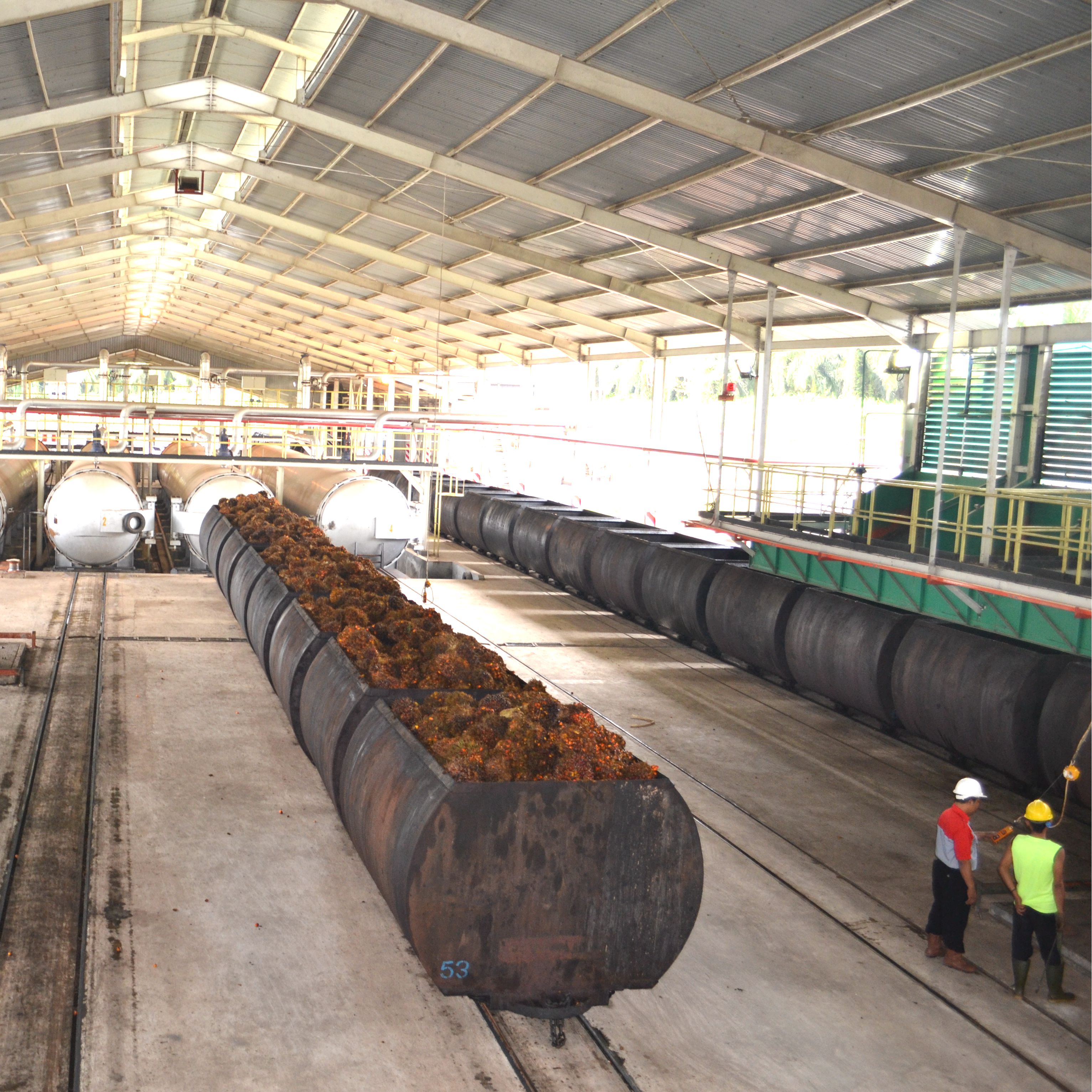
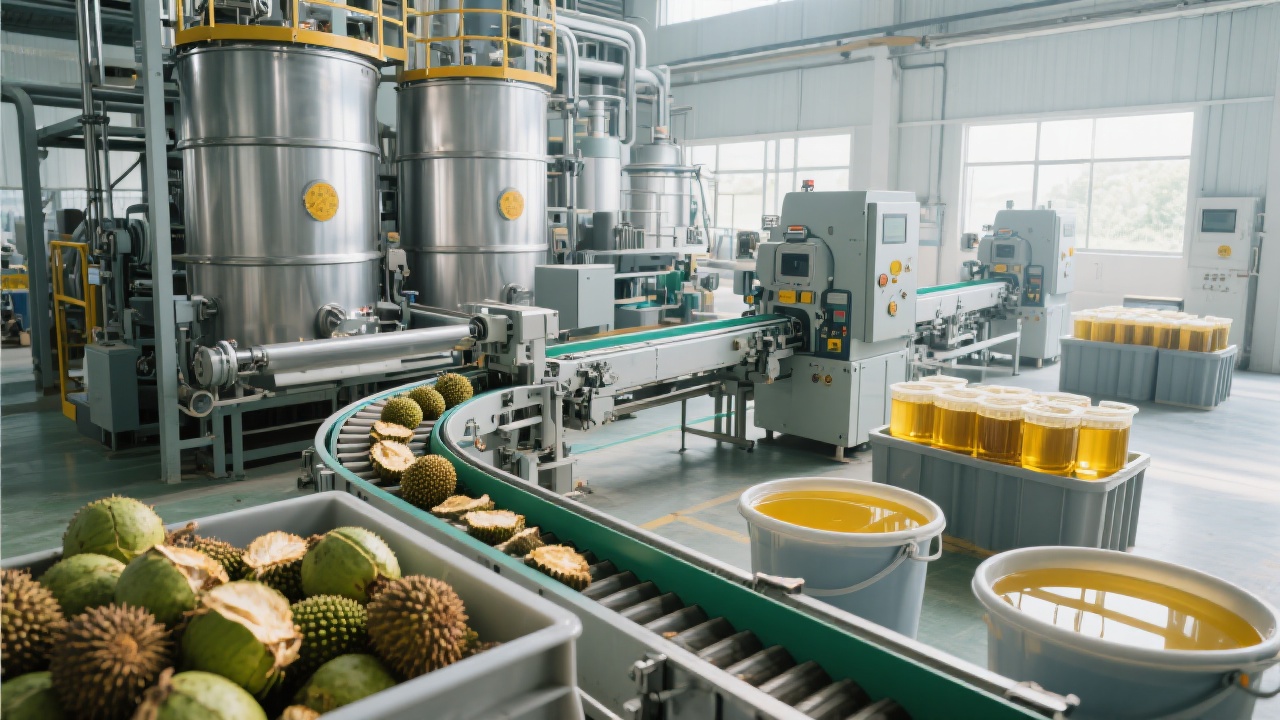
If your palm oil extraction line is running at high energy costs but low output, you’re not alone. In fact, over 60% of global palm oil processors report inefficiencies in their current systems — often due to outdated control logic and poor thermal management.
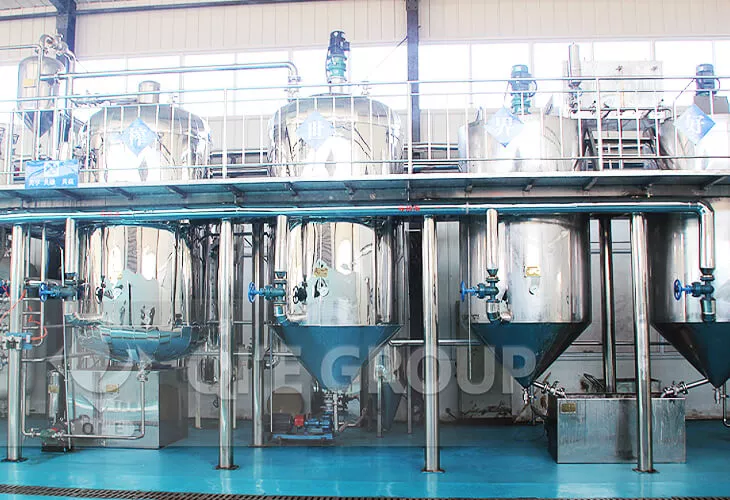
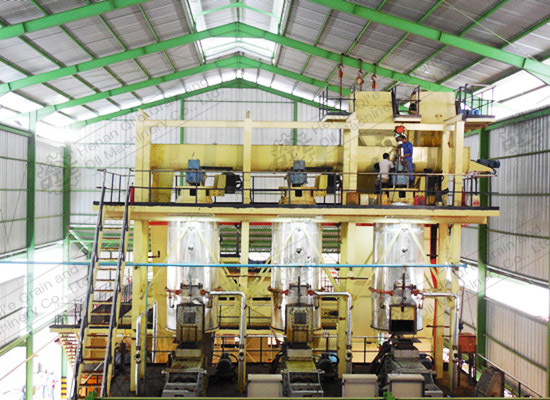
At QP Group, we’ve engineered export-grade palm oil press equipment that doesn’t just meet ISO 9001 standards — it redefines what’s possible when automation meets smart design.
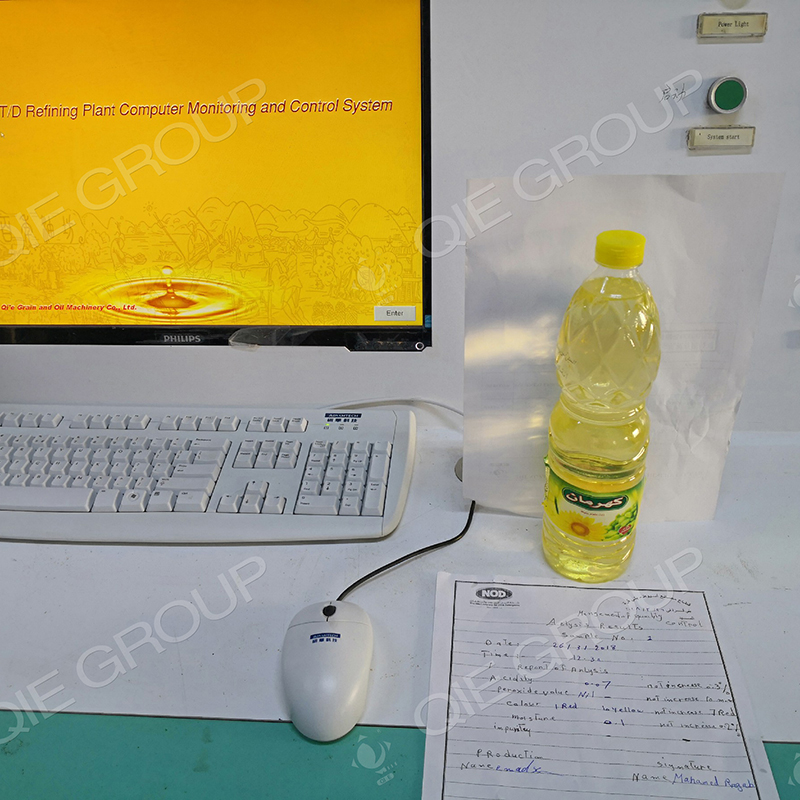
1. Adaptive Control Logic – Unlike fixed-parameter systems, our automated control system dynamically adjusts temperature, pressure, and screw speed based on real-time feedstock moisture content and oil yield potential. This ensures consistent throughput without overloading motors.
2. Heat Recovery System – By capturing waste heat from the pre-heating zone and redirecting it into the drying chamber, we reduce auxiliary heating needs by up to 30%. One client in Indonesia reported a 18% drop in unit energy consumption after implementation — while increasing oil recovery by 5%.
“Before installing the new press, we were burning through electricity like there was no tomorrow. Now, every kWh counts.”
— Mr. Arif Rahman, Operations Manager, PT Sinar Sawit Nusantara (Indonesia)
3. Optimized Screw & Sieve Design – Our patented spiral configuration minimizes friction losses while maximizing mechanical advantage. This means less wear on parts, fewer stoppages, and more efficient oil separation — even with variable raw material quality.
Many operators assume turning up the screw speed boosts production — but in reality, it increases electrical load without proportional gains. Our data shows that optimizing torque settings instead can increase output by 7–10% while reducing motor strain.
The key? Understanding your process as an interconnected system — not isolated components. That’s why we include full energy flow diagrams with each installation to help you visualize where savings lie.
💡 Pro Tip:
Track daily energy per ton of crude palm oil (CPO). If it exceeds 12 kWh/ton, your system likely needs recalibration — not replacement.
This isn’t just about cutting costs — it’s about making your plant smarter, more sustainable, and ready for future regulations around carbon footprint reporting.

 423
|
423
|
 palm oil refining equipment
energy - saving and environmental - friendly design
palm oil processing
fully - automatic PLC control
palm oil refining technology
palm oil refining equipment
energy - saving and environmental - friendly design
palm oil processing
fully - automatic PLC control
palm oil refining technology
 102
|
Automation control system
PLC palm kernel oil equipment
Intelligent adjustment technology
Palm kernel oil extraction equipment
Production efficiency improvement
102
|
Automation control system
PLC palm kernel oil equipment
Intelligent adjustment technology
Palm kernel oil extraction equipment
Production efficiency improvement
 121
|
Palm oil production automation
PLC control systems for palm oil pressing
Industrial IoT in palm oil production
energy-efficient palm oil pressing equipment
equipment data monitoring in palm oil industry
121
|
Palm oil production automation
PLC control systems for palm oil pressing
Industrial IoT in palm oil production
energy-efficient palm oil pressing equipment
equipment data monitoring in palm oil industry
 35
|
palm oil press equipment troubleshooting
palm oil extraction equipment maintenance
palm oil processing line problems
304 stainless steel oil press
automated oil press system
35
|
palm oil press equipment troubleshooting
palm oil extraction equipment maintenance
palm oil processing line problems
304 stainless steel oil press
automated oil press system
 397
|
PLC palm kernel oil equipment
automation control system
intelligent adjustment technology
palm kernel oil extraction process
equipment reliability
397
|
PLC palm kernel oil equipment
automation control system
intelligent adjustment technology
palm kernel oil extraction process
equipment reliability