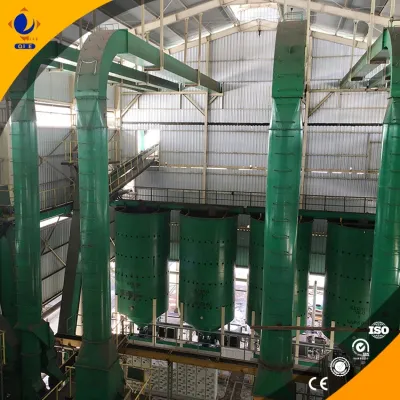
For palm oil processors aiming to boost output while reducing energy costs, the key lies not in compromise—but in intelligent engineering. Modern pressing systems are no longer just about mechanical force; they’re precision instruments that optimize every joule of energy. Here’s how leading manufacturers and operators are achieving up to 18% lower specific energy consumption without sacrificing throughput—backed by real-world data from Southeast Asia and Africa.
Traditional palm oil presses often release over 30% of thermal energy as waste heat during extraction. By integrating a closed-loop heat recovery system—like those used in Malaysian mills operating at 120°C+—companies report an average reduction of 12–15 kWh per ton of crude palm oil (CPO). This recovered heat is reused for pre-heating raw fruits or drying fiber, effectively cutting boiler fuel use by up to 20%. The ROI? Typically within 14 months.
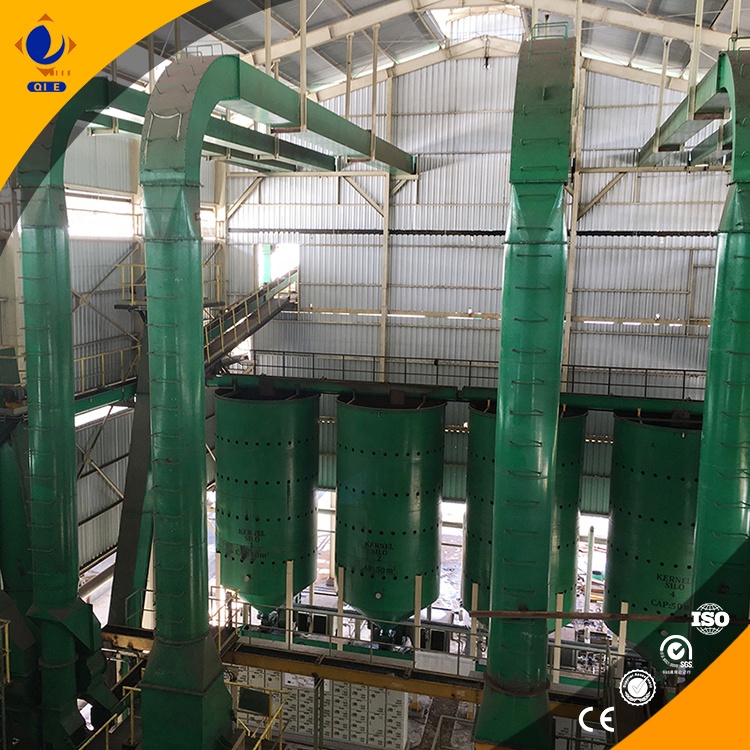
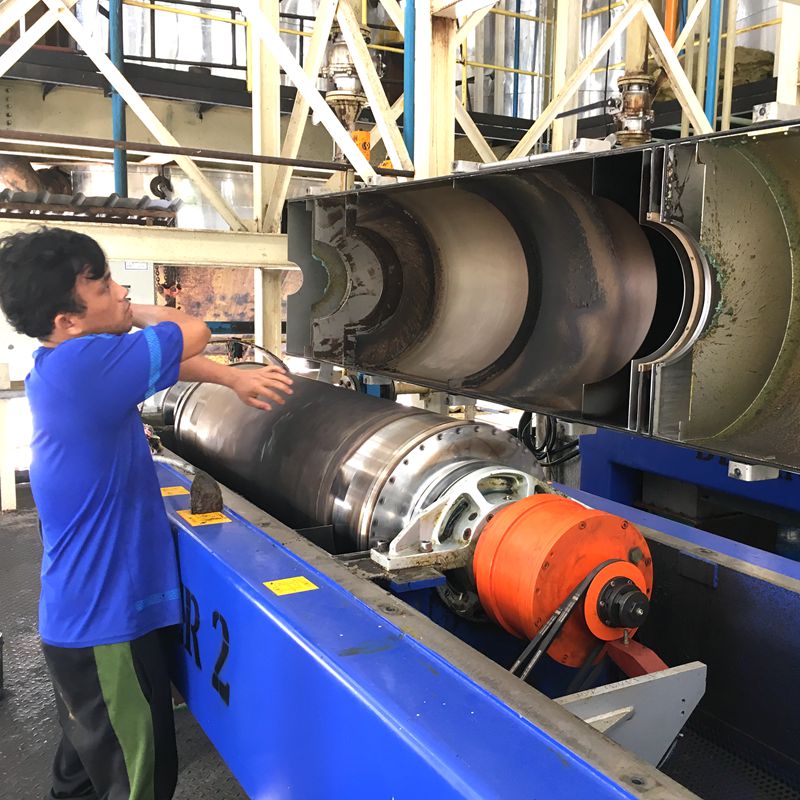
Manual adjustment of screw speed, pressure, and temperature leads to inconsistent yields and unnecessary power spikes. Automated control logic using PLCs with real-time feedback loops can reduce motor load fluctuations by up to 25%. In Indonesia, one mill saw a 7% increase in daily throughput after implementing adaptive algorithms that adjust parameters based on feed consistency—a win-win for productivity and efficiency.
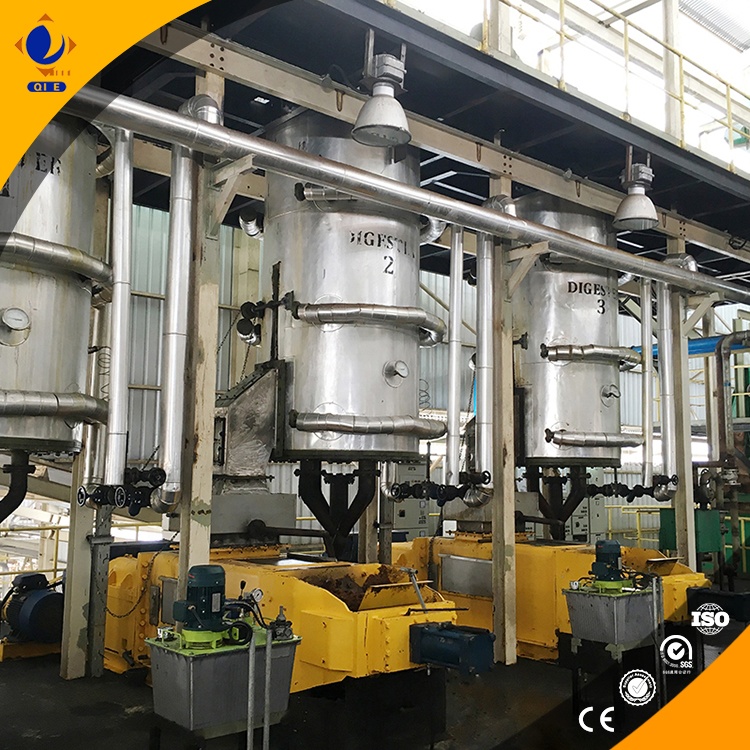
Worn rollers, inefficient screens, or poor sealing aren’t just maintenance issues—they’re hidden energy drains. Replacing standard press plates with hardened alloy variants reduces friction losses by ~10%, while optimized screen mesh design increases oil flow rate by up to 12% without extra torque. These tweaks alone have helped some facilities cut annual electricity bills by over $15,000.

Many operators still fall into common traps—like running equipment at full capacity regardless of feed quality or ignoring minor leaks in hydraulic systems. These mistakes can silently inflate your energy bill by 5–10%. Regular calibration, vibration monitoring, and predictive maintenance routines are non-negotiable for long-term savings.
At our facility in Thailand, we’ve seen clients achieve 18% better energy efficiency simply by adopting these three strategies—and staying ISO 9001-certified ensures stability and safety across operations.
Ready to unlock your own high-yield, low-energy potential? Download our free technical white paper with step-by-step implementation guides, case studies, and a checklist for assessing your current setup. No fluff—just actionable insights from field-tested engineers.
Download the Palm Oil Pressing Efficiency White PaperPro Tip: Track your kWh/ton consistently—it’s the best way to measure progress and identify where improvements are needed most.
 51
|
51
|
 Palm oil pressing equipment automation
PLC control system application
Efficiency improvement of oil press
Palm oil production energy - saving solutions
Automated monitoring system
Palm oil pressing equipment automation
PLC control system application
Efficiency improvement of oil press
Palm oil production energy - saving solutions
Automated monitoring system
 287
|
Energy-efficient and environmentally friendly crude palm oil refining equipment
Fully automated PLC control system
Palm oil processing machinery
Industrial energy-saving technologies
High-efficiency refining processes
287
|
Energy-efficient and environmentally friendly crude palm oil refining equipment
Fully automated PLC control system
Palm oil processing machinery
Industrial energy-saving technologies
High-efficiency refining processes
 195
|
Palm oil pressing equipment energy - saving technology
Palm oil pressing equipment high - yield and low - consumption
Palm oil pressing process optimization
Palm oil pressing equipment energy consumption management
Palm oil pressing automated control system
195
|
Palm oil pressing equipment energy - saving technology
Palm oil pressing equipment high - yield and low - consumption
Palm oil pressing process optimization
Palm oil pressing equipment energy consumption management
Palm oil pressing automated control system
 230
|
palm fruit pretreatment
palm oil processing equipment
fault diagnosis
moisture content control
non - standard customized equipment
230
|
palm fruit pretreatment
palm oil processing equipment
fault diagnosis
moisture content control
non - standard customized equipment
 439
|
palm oil pre-processing solutions
non-standard custom equipment
corrosion-resistant materials
automatic temperature control system
overseas factory adaptation
439
|
palm oil pre-processing solutions
non-standard custom equipment
corrosion-resistant materials
automatic temperature control system
overseas factory adaptation