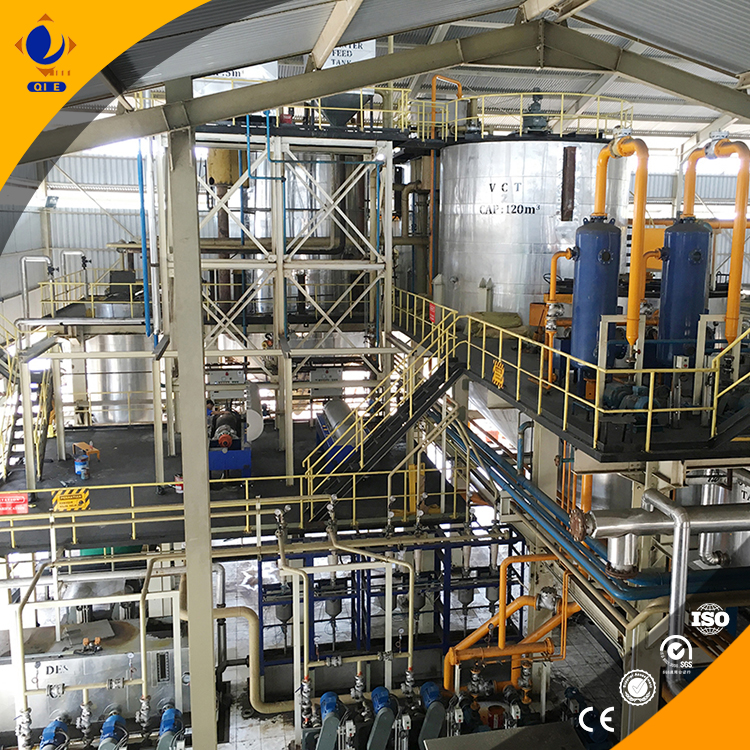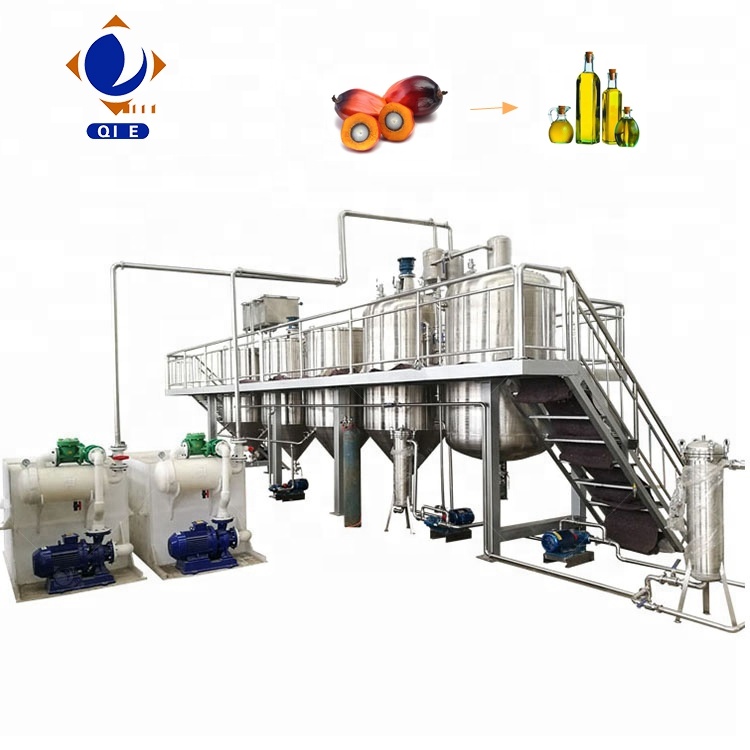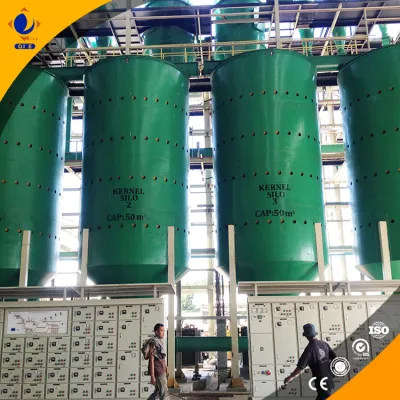
The palm oil industry is undergoing a transformative wave, powered by automation and intelligent control systems designed to optimize production efficiency. Traditional palm oil pressing relied heavily on manual experience, often making it vulnerable to human error and inconsistent output quality. Today, the integration of PLC (Programmable Logic Controller) automation systems into press machinery is redefining operational standards by delivering precise monitoring and control of critical parameters such as pressure, temperature, and motor speed.
PLC control systems serve as the centralized "brain" in modern palm oil pressing equipment. By continuously capturing real-time data from sensors, PLCs adjust machine parameters instantaneously to maintain optimal processing conditions. Key functions include:
| Parameter | Functionality | Impact on Production |
|---|---|---|
| Pressure | Maintains optimum hydraulic squeezing force | Maximizes oil extraction rate by up to 12% |
| Temperature | Ensures consistent heating to reduce oil viscosity | Reduces processing time by approximately 15% |
| Motor Speed | Adjusts extraction speed based on load conditions | Improves equipment lifetime by minimizing mechanical wear |
Through these functions, PLC systems facilitate rapid responses to fluctuations without requiring constant manual supervision, significantly elevating operational stability.
Manual operation of palm oil presses involves operators adjusting settings based on experience and visual cues, often resulting in inconsistent product quality and inefficient energy use. Empirical studies indicate that manual operation typically limits throughput capacity and can lead to production downtimes exceeding 8% monthly, whereas automated PLC-controlled presses reduce these downtimes by over 60%.
Automation systems enable faster parameter adjustments, improving response speed by approximately 40%, and incorporate predictive maintenance alerts. This reduces unforeseen failures and shortens maintenance cycles by nearly 25%. Simultaneously, operator workload is lowered, freeing human resources for strategic oversight.
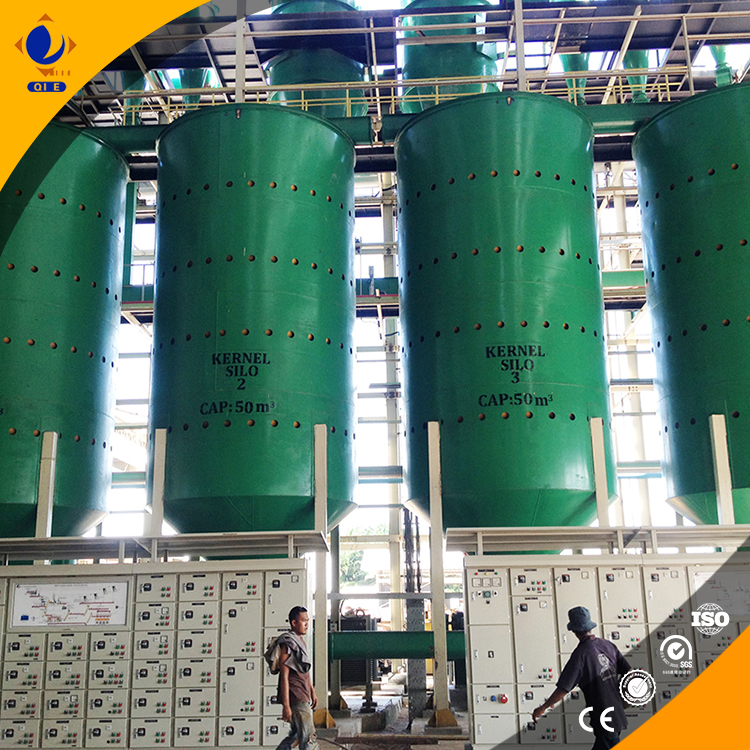
In line with global sustainability goals, palm oil mills are prioritizing energy savings and emission reductions. Data-driven monitoring enables mills to optimize power consumption by adjusting motor speeds and press pressure dynamically based on real-time feedback.
For instance, a case study in Malaysia’s leading palm oil refinery demonstrated that implementing PLC-based control systems resulted in a 20% reduction in electricity consumption and a 10% decrease in process-related carbon emissions within the first six months of adoption. The precise control reduces wastage of raw materials and improves overall equipment effectiveness (OEE) metrics, with recorded improvements from 75% to over 90%.
“Integrating automation and real-time data monitoring in our palm oil presses has revolutionized operational control, delivering consistent quality and significant energy savings.” – Industry Process Engineer, Leading Malaysian Palm Oil Producer
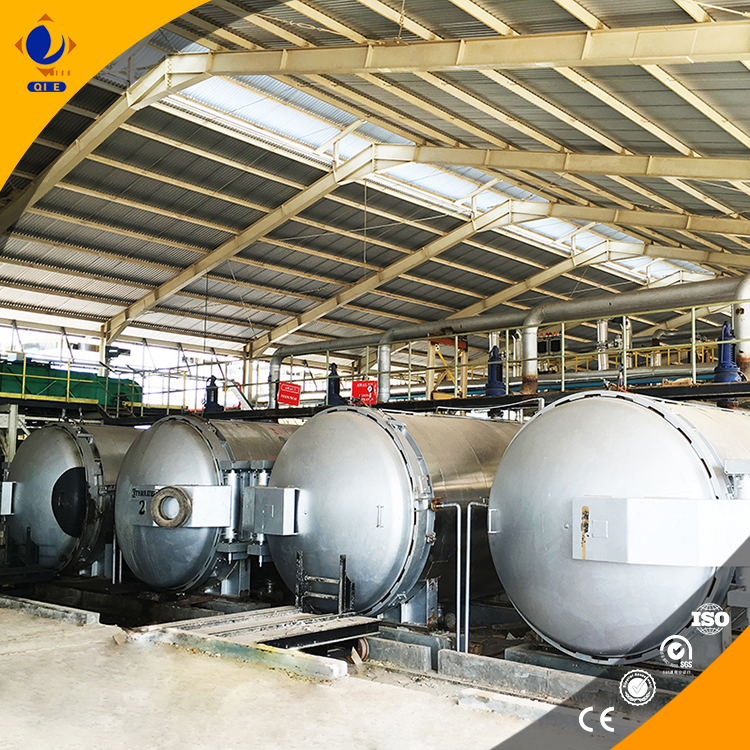
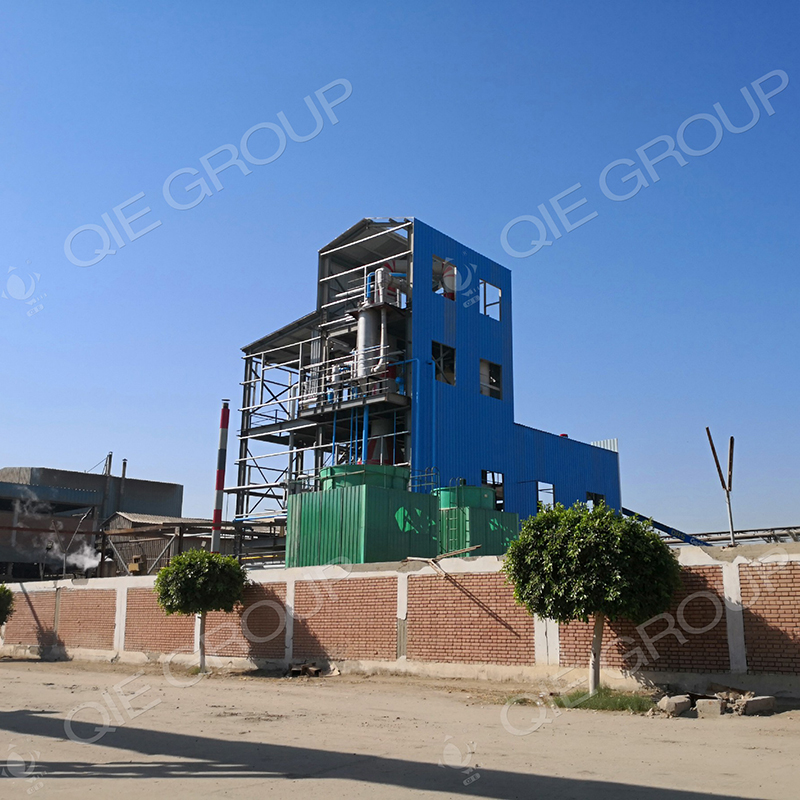
Implementing these steps strategically can accelerate a mill’s journey towards fully intelligent manufacturing, enabling it to surpass traditional limitations tied to manual processes.

 102
|
102
|
 Automation control system
PLC palm kernel oil equipment
Intelligent adjustment technology
Palm kernel oil extraction equipment
Production efficiency improvement
Automation control system
PLC palm kernel oil equipment
Intelligent adjustment technology
Palm kernel oil extraction equipment
Production efficiency improvement
 382
|
energy-efficient palm kernel oil extraction
eco-friendly palm kernel oil equipment
low solvent consumption technology
palm kernel oil refining machinery
sustainable grain and oil processing equipment
382
|
energy-efficient palm kernel oil extraction
eco-friendly palm kernel oil equipment
low solvent consumption technology
palm kernel oil refining machinery
sustainable grain and oil processing equipment
 46
|
compact palm oil production line equipment
efficient eco-friendly oil press equipment
customized palm oil processing equipment
46
|
compact palm oil production line equipment
efficient eco-friendly oil press equipment
customized palm oil processing equipment
 86
|
eco-friendly palm kernel oil extraction equipment
low solvent consumption oil press
energy-efficient oil processing technology
green transformation in palm oil industry
sustainable edible oil production
86
|
eco-friendly palm kernel oil extraction equipment
low solvent consumption oil press
energy-efficient oil processing technology
green transformation in palm oil industry
sustainable edible oil production
 151
|
palm oil refining equipment
energy-efficient palm oil extraction
automated PLC control system
151
|
palm oil refining equipment
energy-efficient palm oil extraction
automated PLC control system